
Understanding Lab-Grown Diamonds: An Informed Choice for You
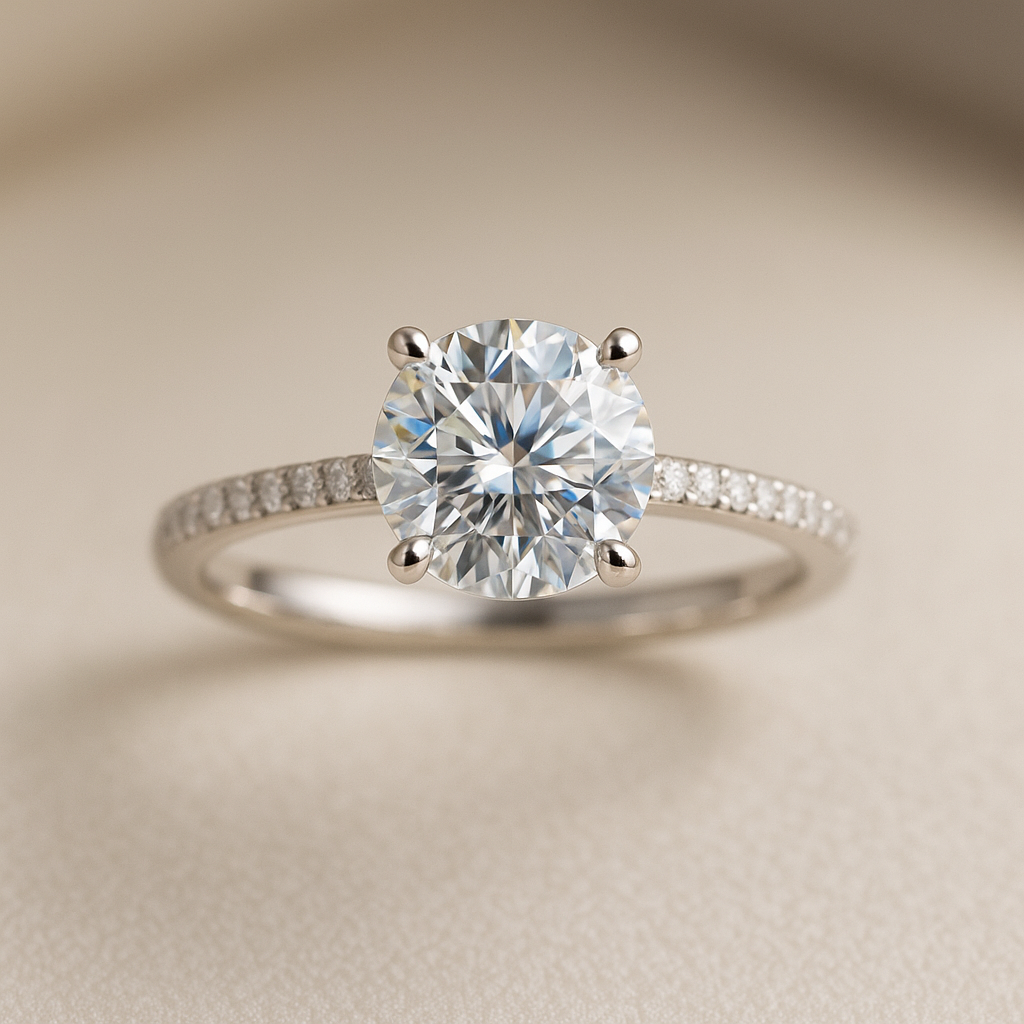
In recent years, lab-grown diamonds have gained significant traction in the jewelry market, particularly among consumers searching for engagement rings and fine jewelry. As you embark on your journey to find the perfect diamond, it’s essential to understand what lab-grown diamonds are, how they compare to natural diamonds, and why they might be the right choice for you.
What Are Lab-Grown Diamonds?
Lab-grown diamonds, also known as synthetic or cultured diamonds, are real diamonds created in a controlled laboratory environment. They possess the same physical, chemical, and optical properties as natural diamonds, which are formed over billions of years deep within the Earth’s mantle. The primary difference lies in their origin—while natural diamonds come from the earth, lab-grown diamonds are created using advanced technology.
How Are Lab-Grown Diamonds Made?
There are two main methods for producing lab-grown diamonds:
- High Pressure High Temperature (HPHT): This method mimics the natural diamond formation process by applying high pressure and temperature to carbon. The result is a diamond that is virtually identical to its natural counterpart.
- Chemical Vapor Deposition (CVD): In this process, a carbon gas is introduced into a chamber that is heated, causing the carbon to deposit onto a substrate, gradually forming a diamond layer.
Both methods yield diamonds that are chemically and physically identical to those mined from the earth.
Lab-Grown vs. Natural Diamonds
When considering a diamond purchase, understanding the differences between lab-grown and natural diamonds is vital. Here’s a breakdown of key aspects:
Cost
One of the most appealing factors of lab-grown diamonds is their cost-effectiveness. Typically, lab-grown diamonds are 20% to 40% less expensive than natural diamonds of similar quality. This price difference allows consumers to either purchase a larger or higher quality diamond for their budget.
Environmental Impact
Lab-grown diamonds are often seen as a more sustainable choice compared to natural diamonds. The mining of natural diamonds can result in significant ecological disruption and environmental degradation. In contrast, lab-grown diamonds have a smaller carbon footprint, as they do not require extensive land excavation or the consumption of large amounts of fossil fuels.
Ethical Considerations
With rising concerns over conflict diamonds, which are mined in war zones and sold to finance armed conflict, lab-grown diamonds provide a clearer ethical choice. Each lab-grown diamond comes with a guarantee of being conflict-free, offering peace of mind to consumers concerned about the origins of their jewelry.
Choosing the Right Diamond for You
When selecting a diamond, it’s crucial to consider personal values, aesthetic preferences, and budget. Here are some tips to keep in mind:
Identify Your Values
Think about what matters most to you. Are you concerned about the environmental impact and ethical sourcing? If so, lab-grown diamonds may align better with your values.
Understand the Four Cs
Regardless of whether you choose a lab-grown or natural diamond, understanding the Four Cs—Carat, Cut, Color, and Clarity—will help you make an informed decision:
- Carat: The weight of the diamond, which impacts its size.
- Cut: How well the diamond has been shaped and faceted, influencing its brilliance.
- Color: The presence of color in a diamond ranging from colorless to light yellow or brown.
- Clarity: The presence of internal or external flaws, known as inclusions and blemishes.
Consult a Trusted Jeweler
Working with an experienced jeweler can provide valuable insight into your diamond selection. Look for jewelers who specialize in lab-grown diamonds and can guide you through the nuances of your options.
The Growing Popularity of Lab-Grown Diamonds
In recent years, lab-grown diamonds have witnessed rapid growth in popularity. As consumer awareness increases, more individuals are recognizing the benefits they offer. With their competitive pricing, ethical sourcing, and environmental advantages, it’s no surprise that lab-grown diamonds are becoming a preferred option for many couples.
Trends in Lab-Grown Diamonds
As the demand for lab-grown diamonds continues to rise, several trends are emerging in the jewelry market:
- Custom Designs: Many consumers are opting for unique, custom-designed engagement rings that feature lab-grown diamonds, allowing for personalization that reflects individual styles.
- Increased Variety: The market is expanding with diverse shapes, sizes, and settings, making it easier than ever to find a lab-grown diamond that suits your taste.
- Brand Collaborations: Luxury brands are embracing lab-grown diamonds, further legitimizing their status in the fine jewelry marketplace.
Frequently Asked Questions (FAQ)
Are lab-grown diamonds real diamonds?
Yes, lab-grown diamonds are real diamonds. They have the same physical, chemical, and optical properties as natural diamonds.
Can you tell the difference between lab-grown and natural diamonds?
It is challenging to distinguish lab-grown diamonds from natural ones without specialized equipment. Both types of diamonds are graded using the same criteria.
Do lab-grown diamonds hold their value?
Lab-grown diamonds typically do not retain value in the same way as natural diamonds. However, their value is still significant, and they can be resold.
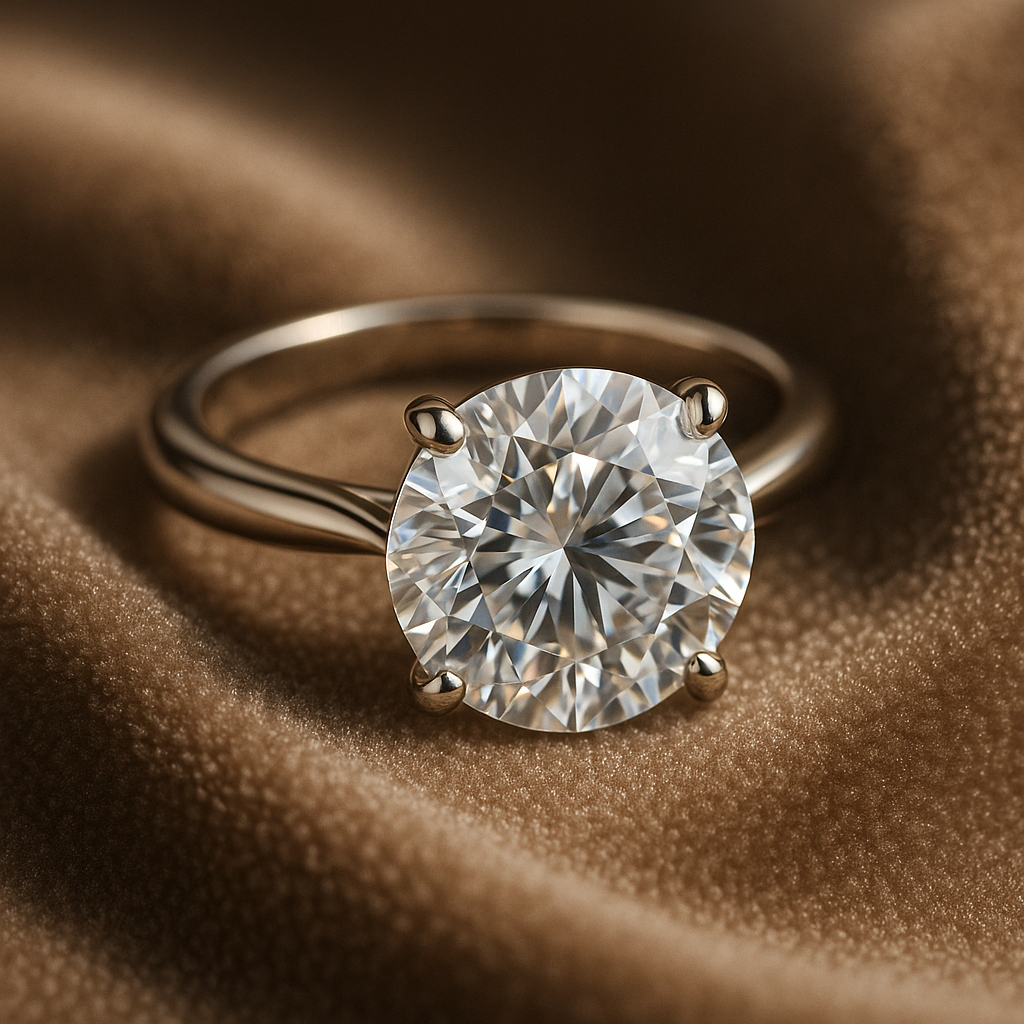
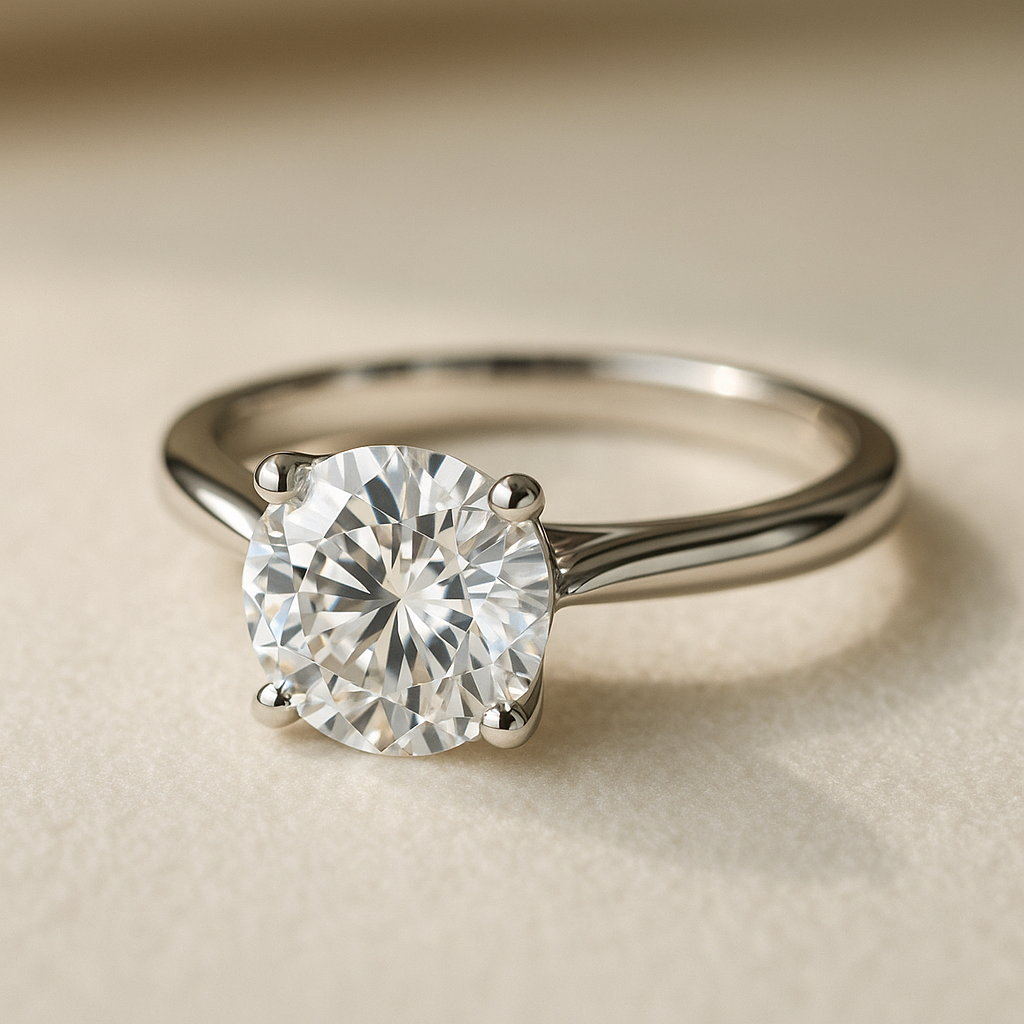
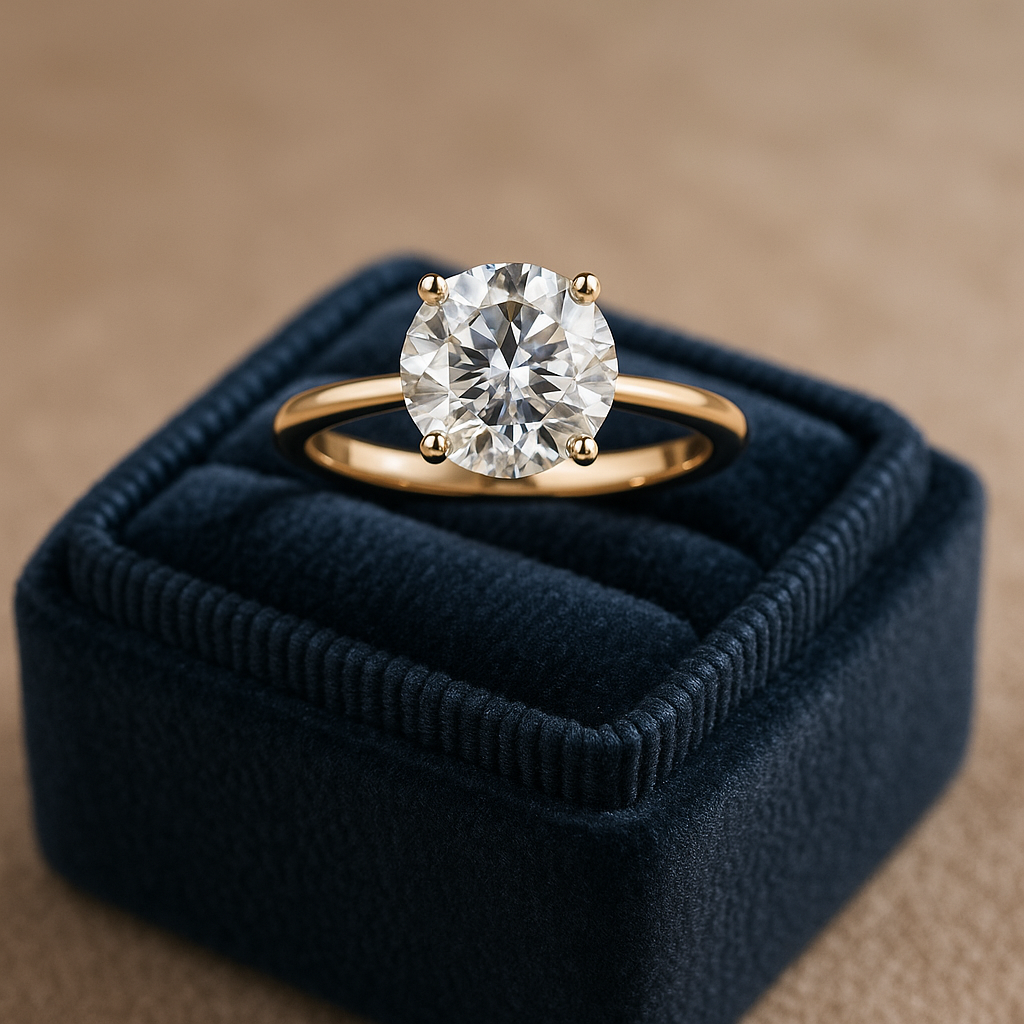
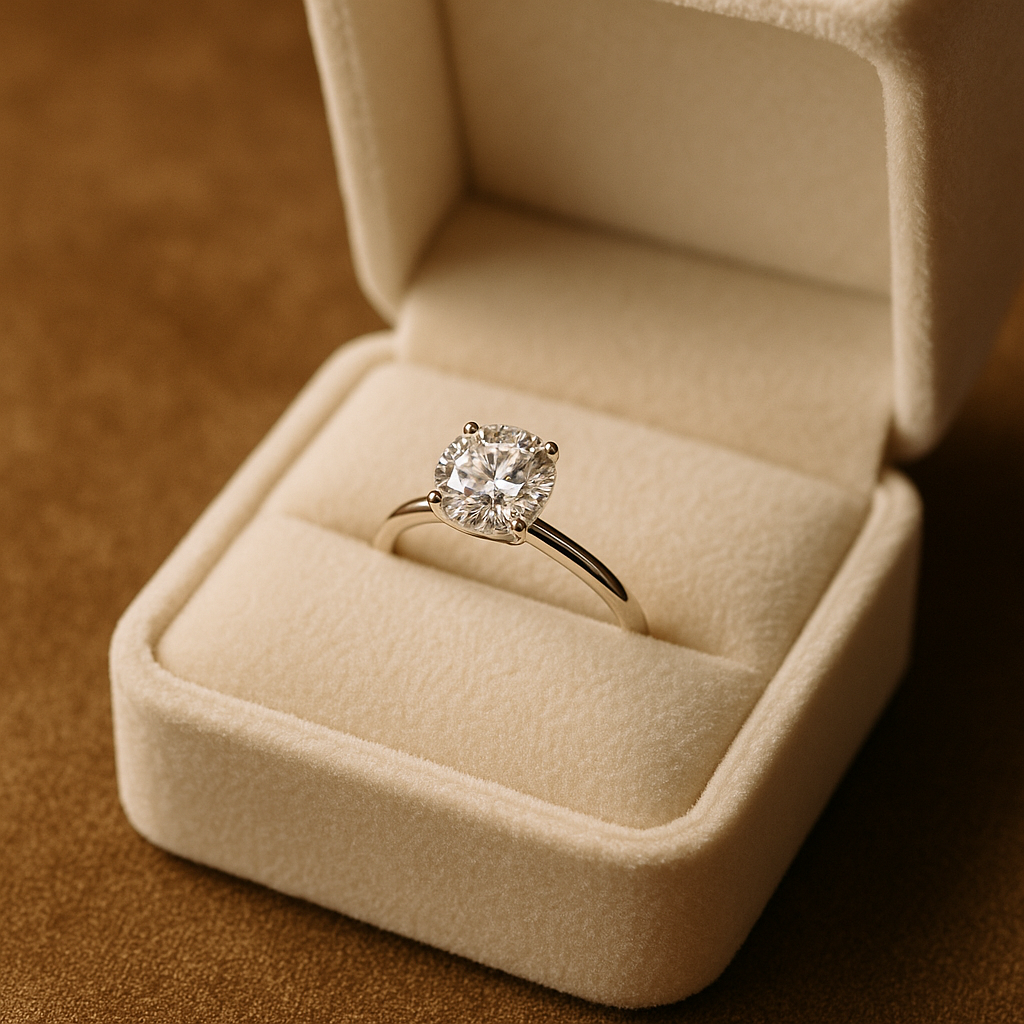
Are lab-grown diamonds a good choice for engagement rings?
Absolutely! Lab-grown diamonds offer many benefits, including cost savings, ethical sourcing, and environmental friendliness, making them a popular choice for engagement rings.
Conclusion
Choosing a diamond is a significant decision, and with the rise of lab-grown diamonds, consumers have more options than ever before. By understanding the benefits and features of lab-grown diamonds, you can make an informed decision that aligns with your values and aesthetic preferences. Whether you prioritize cost, environmental impact, or ethical sourcing, lab-grown diamonds present a compelling case for your engagement ring or fine jewelry needs.