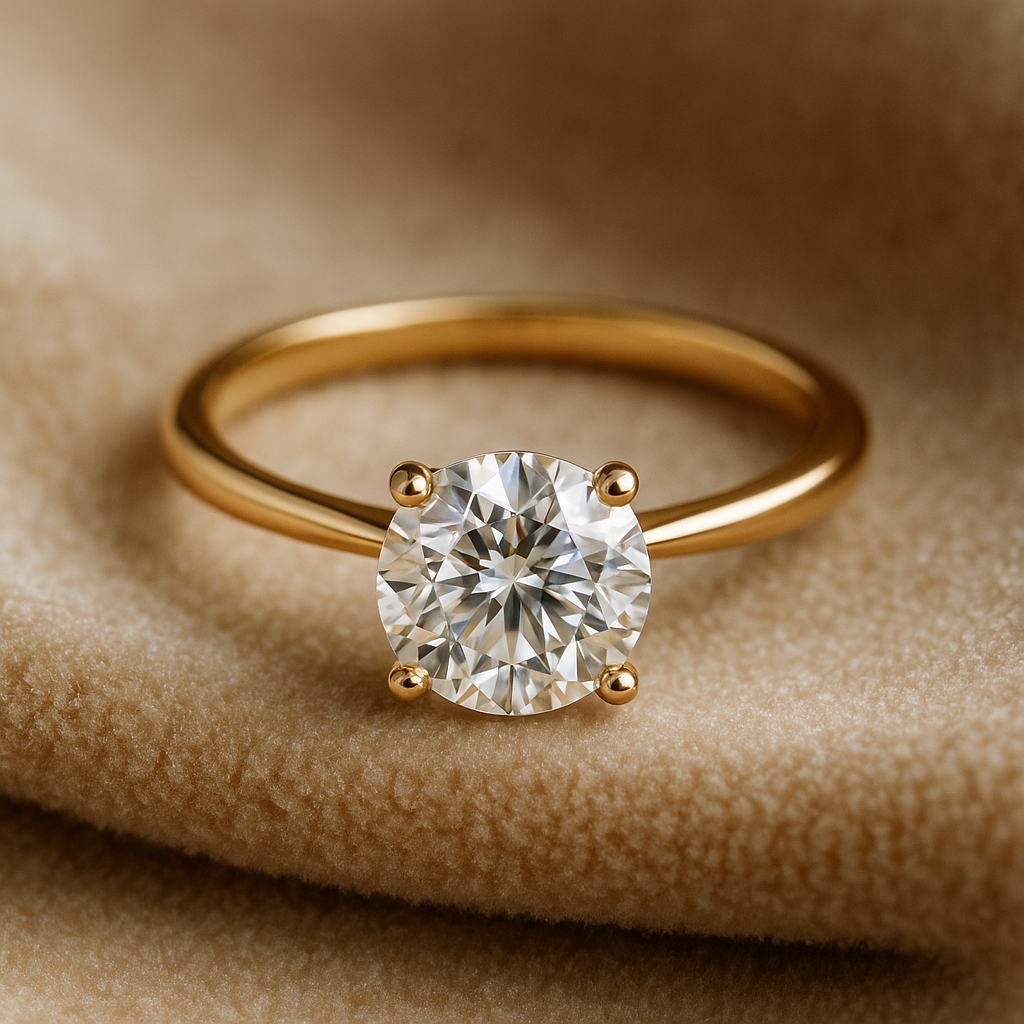

Exploring Lab-Grown Diamonds: The Future of Engagement Rings
In recent years, lab-grown diamonds have gained significant popularity among consumers seeking stunning and ethical options for engagement rings and fine jewelry. As a result, many shoppers are confronted with the choice between lab-grown and natural diamonds. This article aims to guide you through the essential aspects of lab-grown diamonds, including their benefits, comparisons with natural diamonds, and considerations for choosing your perfect ring.
What Are Lab-Grown Diamonds?
Lab-grown diamonds, also known as synthetic or cultured diamonds, are real diamonds created in controlled environments using advanced technology. These diamonds possess the same physical, chemical, and optical properties as natural diamonds, making them virtually indistinguishable to the naked eye.
The Science Behind Lab-Grown Diamonds
There are two primary methods for creating lab-grown diamonds: High Pressure High Temperature (HPHT) and Chemical Vapor Deposition (CVD). HPHT mimics the natural conditions under which diamonds form in the Earth’s mantle, while CVD uses a gas mixture to deposit carbon atoms that crystallize into diamond. Both methods result in diamonds that are identical to natural stones, meeting the same standards of quality.
Benefits of Choosing Lab-Grown Diamonds
1. Ethical Considerations
One of the main advantages of lab-grown diamonds is their ethical sourcing. Natural diamonds can sometimes be associated with unethical mining practices, including human rights violations and environmental degradation. In contrast, lab-grown diamonds are produced in facilities that adhere to strict ethical standards.
2. Cost-Effectiveness
Lab-grown diamonds are typically 20-40% less expensive than their natural counterparts of similar quality and size. This price difference allows consumers to invest more in other aspects of their jewelry, such as the setting or additional gemstones.
3. Environmental Impact
The environmental footprint of lab-grown diamond production is significantly lower than that of natural diamond mining. Creating diamonds in a lab reduces energy consumption and minimizes land disruption, making them a more sustainable option.
4. Variety and Quality
Lab-grown diamonds come in a wide range of styles, sizes, and qualities, offering consumers a diverse selection to choose from. Additionally, advancements in technology mean that lab-grown diamonds can be crafted to precise specifications, ensuring high quality and brilliance.
Lab-Grown Diamonds vs. Natural Diamonds: Key Comparisons
1. Authenticity
Both lab-grown and natural diamonds are authentic diamonds, composed of carbon atoms arranged in a crystal structure. However, natural diamonds take millions of years to form, while lab-grown diamonds can be created in a matter of weeks.
2. Value Retention
Natural diamonds typically retain their value better than lab-grown diamonds, which can depreciate over time due to their manufactured origins. While this can be a consideration for investment purposes, many consumers prioritize the ethical and budget-friendly aspects of lab-grown diamonds over long-term resell value.
3. Certification
Reputable lab-grown diamonds come with certification from trusted gemological laboratories such as the Gemological Institute of America (GIA) or the International Gemological Institute (IGI). This certification ensures that the diamond’s quality, including its cut, color, clarity, and carat weight, is accurately evaluated.
Choosing the Right Lab-Grown Diamond Engagement Ring
When shopping for a lab-grown diamond engagement ring, consider the 4 Cs: Cut, Color, Clarity, and Carat weight. Understanding these factors will help you make an informed decision and select a diamond that fits your preferences and budget.
1. Cut
The cut of a diamond affects its brilliance and sparkle. A well-cut diamond will reflect light beautifully. Look for excellent or ideal cut grades for the best appearance.
2. Color
Lab-grown diamonds are available in various color grades, ranging from completely colorless to shades of yellow and brown. Most consumers prefer diamonds in the G-H color range, which are near-colorless and offer great value.
3. Clarity
Clarity refers to the presence of internal or external imperfections. While some inclusions are common, aim for diamonds with a clarity grade of VS2 or higher for a clearer appearance.
4. Carat Weight
Carat weight measures the size of the diamond. Consider your partner’s preferences and lifestyle when choosing a carat weight that suits them best.
Frequently Asked Questions (FAQs)
1. Are lab-grown diamonds real diamonds?
Yes, lab-grown diamonds are real diamonds. They possess the same chemical and physical properties as natural diamonds.
2. How do I care for a lab-grown diamond?
Lab-grown diamonds can be cleaned in the same way as natural diamonds. Use a mild soap solution and a soft brush to clean your diamond periodically.
3. Will my lab-grown diamond lose value over time?
Lab-grown diamonds may not retain their value as well as natural diamonds. However, many consumers prioritize ethical sourcing and affordability over long-term resale value.
4. Can lab-grown diamonds be graded?
Yes, lab-grown diamonds can be graded and come with certification from recognized gemological institutes, ensuring their quality and authenticity.
Conclusion
Lab-grown diamonds present a compelling choice for couples seeking sustainable, ethical, and cost-effective options for engagement rings. By understanding the unique features and benefits of lab-grown diamonds, consumers can make informed decisions that align with their values and aesthetic preferences. Whether you lean towards a stunning lab-grown diamond or a natural counterpart, the most important factor is selecting a piece that symbolizes your love and commitment.