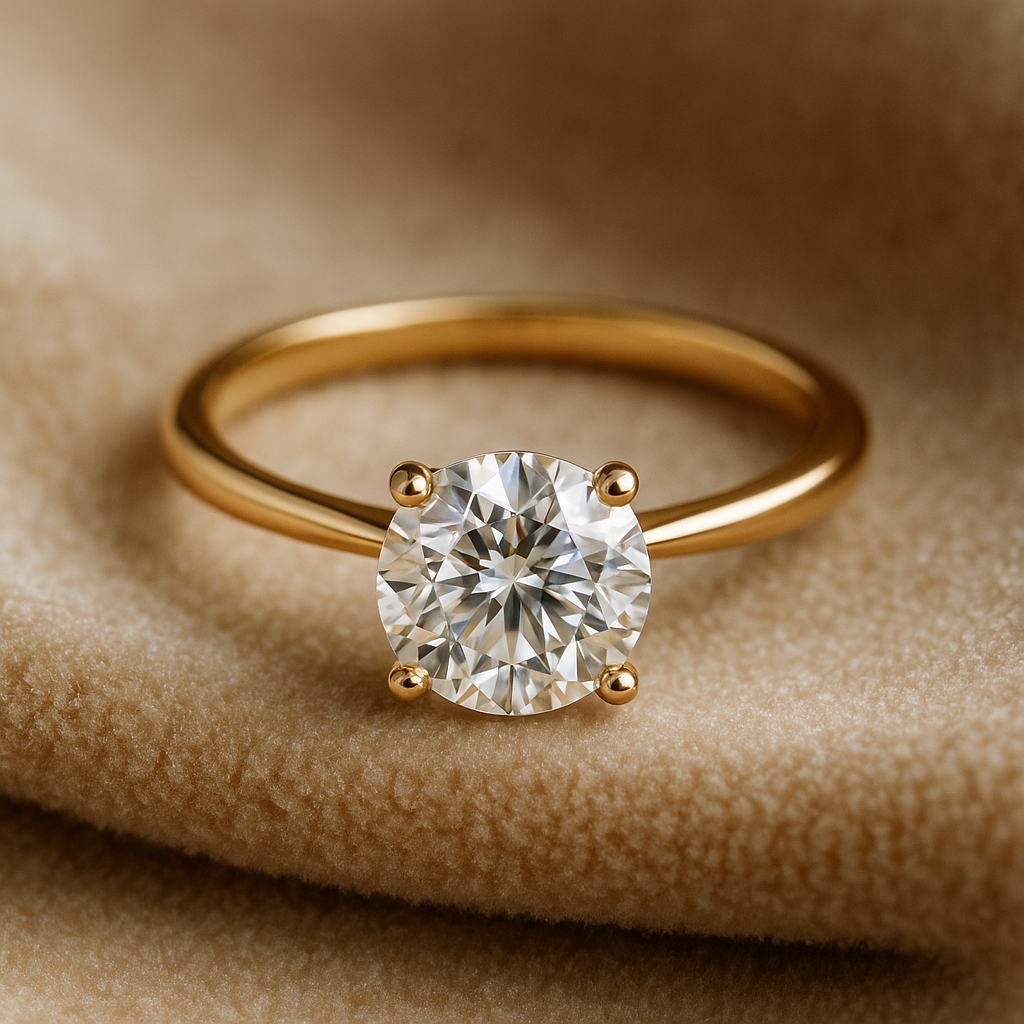

Lab-Grown Diamonds: The Smart Choice for Modern Engagement Rings
In recent years, lab-grown diamonds have emerged as a compelling alternative to their natural counterparts in the world of fine jewelry. As consumers become more educated on the differences between these two types of diamonds, many are left wondering which option is right for them, particularly when it comes to purchasing engagement rings. At Celebrity Diamonds, we believe that choosing the perfect ring should be both a significant and informed decision. This article delves into the captivating world of lab-grown diamonds, highlighting their benefits, comparing them with natural diamonds, and providing essential information for your engagement ring journey.
Understanding Lab-Grown Diamonds
Lab-grown diamonds, also known as synthetic or cultured diamonds, are created in a laboratory setting using advanced technological processes that replicate the natural environment in which diamonds form deep within the Earth. The result is a diamond that possesses the same physical, chemical, and optical properties as natural diamonds. These diamonds are graded using the same criteria as their natural counterparts: cut, color, clarity, and carat weight (the 4 Cs).
The Benefits of Lab-Grown Diamonds
There are several distinctive benefits of choosing a lab-grown diamond for your engagement ring:
- Cost-Effective: Lab-grown diamonds are typically 20-40% less expensive than natural diamonds, allowing you to allocate your budget towards a larger or higher-quality stone.
- Ethical Considerations: For many consumers, the ethical implications of diamond mining are a significant concern. Lab-grown diamonds are conflict-free, meaning they are not sourced from war zones or areas where human rights violations occur.
- Environmental Impact: The diamond mining industry can cause severe ecological damage. Lab-grown diamonds, on the other hand, have a smaller carbon footprint, making them a more environmentally friendly option.
- Variety and Availability: Lab-grown diamonds offer a wider variety of colors and sizes, making it easier to find the perfect stone that matches your aesthetic preferences.
- Transparency: Reputable lab-grown diamond producers provide certificates that validate the diamond’s origin, ensuring that you know exactly what you’re purchasing.
Comparing Lab-Grown and Natural Diamonds
When considering which type of diamond to buy, it’s essential to understand the key differences:
- Origin: Natural diamonds are formed over millions of years in the Earth’s mantle, while lab-grown diamonds are created in a matter of weeks.
- Value Retention: Natural diamonds have historically held their value well, but the resale value of lab-grown diamonds may not be as strong, as they are produced in abundance.
- Visual Differences: To the untrained eye, lab-grown and natural diamonds can look nearly identical. Both types can exhibit stunning brilliance and sparkle.
- Market Perception: While lab-grown diamonds are gaining acceptance, some consumers still prefer the traditional allure of natural diamonds, viewing them as more prestigious.
Why Choose Lab-Grown Diamonds for Your Engagement Ring?
For many couples, choosing a lab-grown diamond for their engagement ring aligns better with their values and lifestyle. If you prioritize ethical sourcing, environmental sustainability, and cost savings, a lab-grown diamond may be the ideal choice. Moreover, the technological advancements in creating these diamonds mean that they can rival the beauty and quality of natural stones.
Frequently Asked Questions
1. Are lab-grown diamonds real diamonds?
Yes, lab-grown diamonds are real diamonds. They have the same physical and chemical properties as natural diamonds.
2. How can I tell if a diamond is lab-grown or natural?
The best way to determine a diamond’s origin is through a certified gemologist or by examining the diamond’s certificate of authenticity, which should indicate whether it is lab-grown or natural.
3. Do lab-grown diamonds increase in value over time?
While natural diamonds tend to appreciate in value, lab-grown diamonds currently do not have the same resale value. Buyers should consider this when making their purchase.
4. Can lab-grown diamonds be used for other types of jewelry?
Absolutely! Lab-grown diamonds can be used in all types of jewelry, including engagement rings, earrings, necklaces, and bracelets.
5. Are there any downsides to choosing lab-grown diamonds?
The main downside is the potential for lower resale value compared to natural diamonds. However, many buyers prioritize ethical sourcing and sustainability over resale value.
Conclusion
Lab-grown diamonds are revolutionizing the diamond industry by providing consumers with a beautiful, ethical, and cost-effective option for engagement rings and fine jewelry. As you embark on your journey to find the perfect ring, consider how lab-grown diamonds can fulfill your desires for beauty and integrity. At Celebrity Diamonds, we invite you to explore our stunning collection of lab-grown diamonds to find a piece that truly symbolizes your love story.