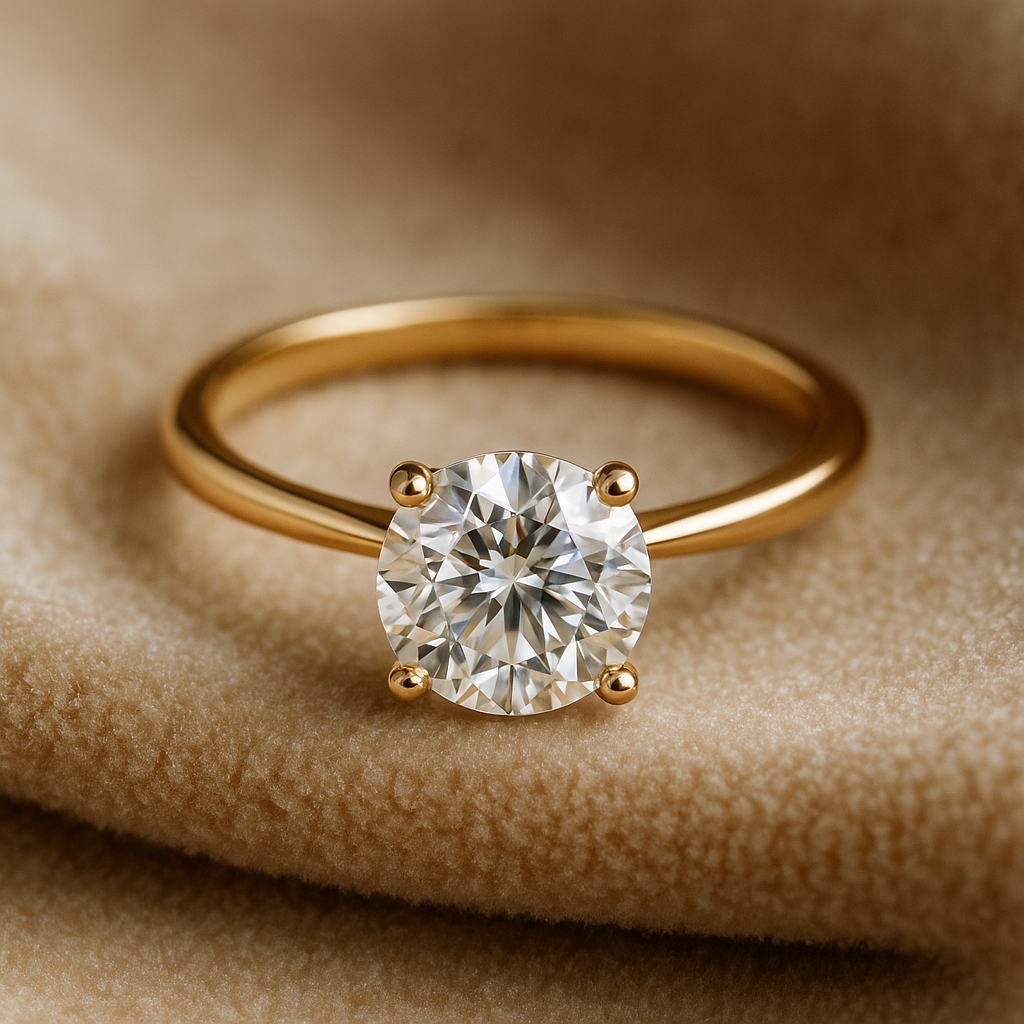

The Rise of Lab-Grown Diamonds: A Modern Engagement Choice
In recent years, lab-grown diamonds have garnered significant attention in the jewelry market, particularly among couples seeking engagement rings. These stones, created in controlled environments, offer an ethical and often more affordable alternative to natural diamonds. This article will delve into the intricacies of lab-grown diamonds, their benefits, and why they are becoming the preferred choice for many consumers today.
What Are Lab-Grown Diamonds?
Lab-grown diamonds, also known as synthetic diamonds or cultured diamonds, are made using advanced technological processes that replicate the conditions under which natural diamonds form in the Earth. There are two main methods for creating lab-grown diamonds: the High Pressure High Temperature (HPHT) method and the Chemical Vapor Deposition (CVD) method.
High Pressure High Temperature (HPHT)
The HPHT method mimics the natural diamond formation process by applying high pressure and high temperature to carbon. This results in the creation of diamonds that are chemically and physically identical to their natural counterparts.
Chemical Vapor Deposition (CVD)
The CVD method involves using a gas mixture that contains hydrogen and methane, which is then ionized to deposit carbon atoms onto a substrate, gradually forming a diamond. CVD diamonds can be produced in a variety of colors and are also indistinguishable from natural diamonds.
Benefits of Choosing Lab-Grown Diamonds
Choosing a lab-grown diamond comes with numerous advantages:
1. Ethical Considerations
Lab-grown diamonds do not contribute to the ethical concerns often associated with natural diamond mining, such as environmental degradation and human rights violations. By choosing lab-grown, consumers support a more sustainable and ethical industry.
2. Cost-Effectiveness
Lab-grown diamonds are typically 20-40% less expensive than natural diamonds of similar quality. This price difference allows consumers to either save money or purchase a larger or higher-quality stone without stretching their budgets.
3. Quality and Purity
Lab-grown diamonds are created in controlled environments, which often leads to fewer inclusions and blemishes than natural diamonds. As a result, many lab-grown diamonds are of higher clarity and color, making them visually appealing.
Comparing Lab-Grown Diamonds and Natural Diamonds
When comparing lab-grown diamonds to natural diamonds, it’s essential to consider several factors:
1. Origin
Natural diamonds are formed over millions of years deep within the Earth, while lab-grown diamonds are produced in weeks to months in a lab. This distinction can impact individual values and beliefs about the origins of the stones.
2. Resale Value
Natural diamonds generally maintain a higher resale value compared to lab-grown diamonds. However, as lab-grown diamonds gain popularity, their resale value could stabilize over time.
3. Certification
Both lab-grown and natural diamonds can receive certification from gemological laboratories. This certification evaluates the diamond’s quality based on the 4Cs: cut, color, clarity, and carat weight. Ensuring that your diamond is certified is crucial, regardless of its origin.
Lab-Grown Diamonds and Engagement Rings
For many couples, the engagement ring is not just a piece of jewelry but a symbol of love and commitment. Lab-grown diamonds have become increasingly popular in engagement rings for various reasons:
1. Personalization
With lab-grown diamonds, couples can choose from a wider range of shapes, sizes, and colors. This flexibility allows for greater personalization in designing engagement rings that reflect individual styles and preferences.
2. Ethical Messaging
Choosing a lab-grown diamond can communicate a couple’s values, with a focus on sustainability and ethical practices in their relationship. This choice resonates strongly with millennials and Gen Z consumers, who prioritize these values.
3. Unique Designs
Jewelry designers are increasingly incorporating lab-grown diamonds into unique and innovative ring designs. This creativity leads to stunning pieces that stand out in a crowded market.
Frequently Asked Questions (FAQ)
Are lab-grown diamonds real diamonds?
Yes, lab-grown diamonds are real diamonds. They have the same physical and chemical properties as natural diamonds and are graded using the same criteria.
How can I tell if a diamond is lab-grown or natural?
Only a certified gemologist can accurately determine whether a diamond is lab-grown or natural by examining it under magnification. However, many lab-grown diamonds come with a certification indicating their origin.
Will lab-grown diamonds lose their value?
Lab-grown diamonds currently have a lower resale value than natural diamonds. However, as the market evolves, this could change. It’s essential to buy a lab-grown diamond for its beauty and the personal significance it holds, rather than as an investment.
Can lab-grown diamonds be insured?
Yes, lab-grown diamonds can be insured just like natural diamonds. It is advisable to get an appraisal and insurance to protect your investment.
Conclusion
Lab-grown diamonds are redefining the jewelry industry with their ethical, cost-effective, and high-quality offerings. For consumers researching engagement rings, these diamonds present a compelling choice that marries modern values with timeless beauty. As you embark on your journey to find the perfect ring, consider the advantages of lab-grown diamonds and how they align with your vision for a sustainable and meaningful future.