The Truth About Lab-Grown Diamonds: Beauty Meets Ethics
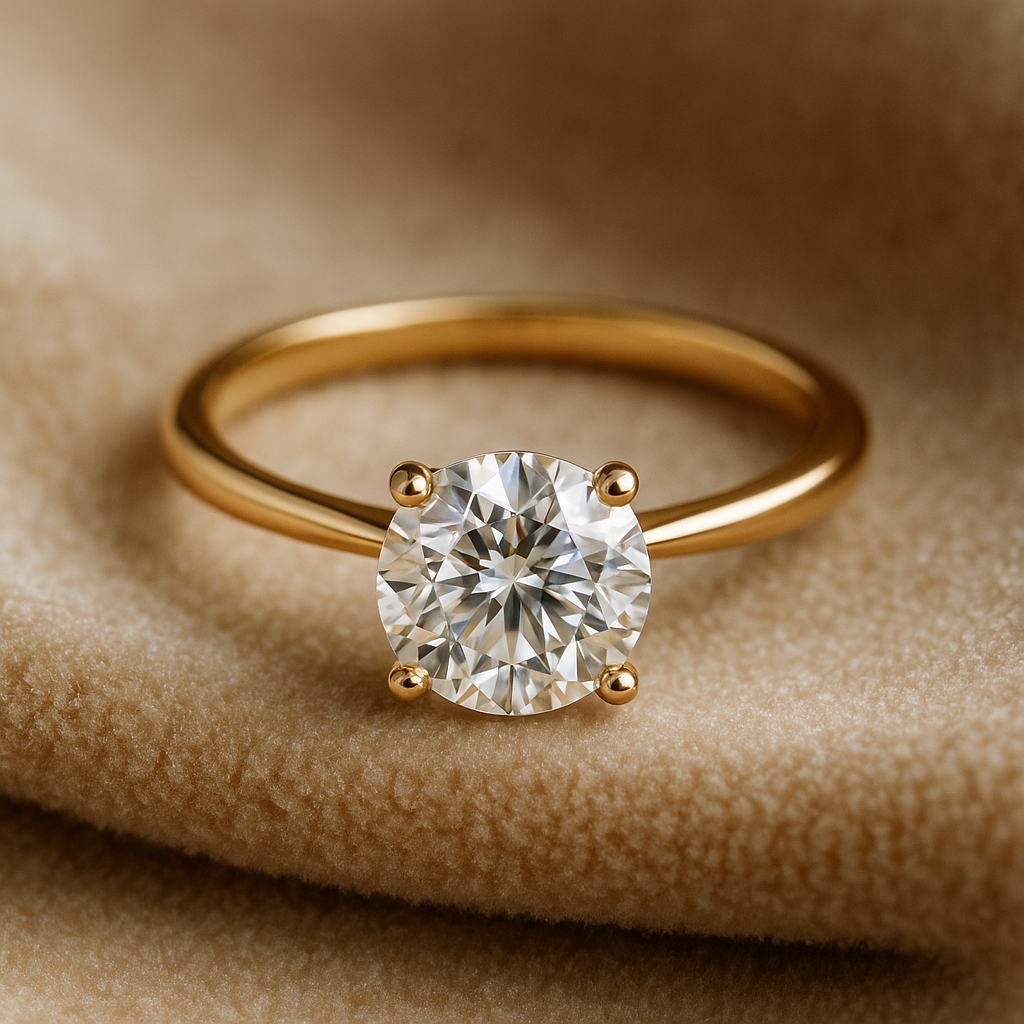
As consumers continue to seek out meaningful choices in their jewelry purchases, lab-grown diamonds have emerged as a compelling option. These gems, created using advanced technological processes, aim to mimic the beauty and characteristics of natural diamonds, while often offering a more ethical and sustainable alternative.
What Are Lab-Grown Diamonds?
Lab-grown diamonds, also known as synthesized or cultured diamonds, are real diamonds with the same physical, chemical, and optical properties as those mined from the earth. They are created through two primary methods: High Pressure High Temperature (HPHT) and Chemical Vapor Deposition (CVD). Both methods replicate the natural diamond formation process, resulting in stunning gems that are virtually indistinguishable from natural diamonds.
Why Choose Lab-Grown Diamonds?
As a consumer, there are several reasons to consider choosing lab-grown diamonds over their natural counterparts:
- Ethical Considerations: One of the primary advantages of lab-grown diamonds is that they are produced without the ethical concerns associated with traditional diamond mining, including conflict diamonds and exploitative labor practices.
- Environmental Impact: Lab-grown diamonds typically have a smaller environmental footprint compared to mined diamonds. The process is less disruptive to ecosystems and utilizes fewer resources.
- Cost-Effectiveness: Lab-grown diamonds are usually priced 20-40% less than natural diamonds of similar quality. This allows you to invest in a larger or higher-quality stone within your budget.
- Quality and Variety: With lab-grown diamonds, consumers can choose from a wide variety of sizes, shapes, and qualities without the premiums often associated with natural diamonds.
How Are Lab-Grown Diamonds Made?
The process of creating lab-grown diamonds is fascinating and involves significant technological innovation. Below, we explore both the HPHT and CVD methods:
High Pressure High Temperature (HPHT)
The HPHT method mimics the conditions under which natural diamonds form deep within the Earth. A diamond seed is placed in carbon, and then subjected to extreme pressure and high temperatures, resulting in the growth of a diamond crystal.
Chemical Vapor Deposition (CVD)
In the CVD process, a diamond seed is placed in a vacuum chamber filled with carbon-rich gas. The gas is ionized, allowing carbon atoms to deposit on the seed and crystallize, forming a diamond layer by layer.
Comparing Lab-Grown Diamonds and Natural Diamonds
When it comes to choosing between lab-grown diamonds and natural diamonds, several factors come into play:
- Value Retention: Natural diamonds have historically retained value better than lab-grown diamonds, primarily due to their rarity. However, as lab-grown diamonds gain popularity, their resale value may change.
- Certification: Both types of diamonds can be certified by reputable gemological laboratories, ensuring quality and authenticity. It is essential to check for certification when making a purchase.
- Appearance: Lab-grown diamonds are physically identical to natural diamonds. They often possess fewer inclusions and can be of higher quality.
Choosing the Right Diamond for Your Engagement Ring
When selecting a diamond for an engagement ring, consider the following tips:
- Define Your Budget: Determine how much you are willing to spend. Consider a lab-grown diamond if you want a larger stone for your budget.
- Consider the Four Cs: Look for cut, color, clarity, and carat weight. These factors significantly impact a diamond’s appearance and value.
- Think About Style: Choose a setting that will complement the diamond shape and enhance its beauty.
Frequently Asked Questions
Are lab-grown diamonds real?
Yes, lab-grown diamonds are real diamonds. They are chemically and physically identical to natural diamonds.
Do lab-grown diamonds hold their value?
Lab-grown diamonds tend to depreciate more than natural diamonds. However, their value may change as the market evolves.
How can I tell a lab-grown diamond from a natural one?
To differentiate between the two, expert gemologists use specialized equipment that can detect growth patterns and inclusions unique to lab-grown diamonds.
Can I get a lab-grown diamond that is certified?
Yes, many reputable gemological laboratories certify lab-grown diamonds, providing assurance of their quality and authenticity.
Conclusion
Lab-grown diamonds present a remarkable option for consumers seeking stunning, ethical, and cost-effective alternatives to traditional diamonds. With advancements in technology, these gems are increasingly gaining acceptance and popularity in the fine jewelry market. Whether you prefer the prestige of a natural diamond or the innovative nature of a lab-grown gem, understanding your options helps you make an informed and meaningful decision for your engagement ring or special piece of jewelry.