Understanding Lab-Grown Diamonds: A Comprehensive Guide
As consumers become more informed about their choices in fine jewelry, lab-grown diamonds have emerged as a popular alternative to natural diamonds. This comprehensive guide will delve into what lab-grown diamonds are, how they compare to their natural counterparts, and the benefits they offer to today’s discerning shoppers.
What Are Lab-Grown Diamonds?
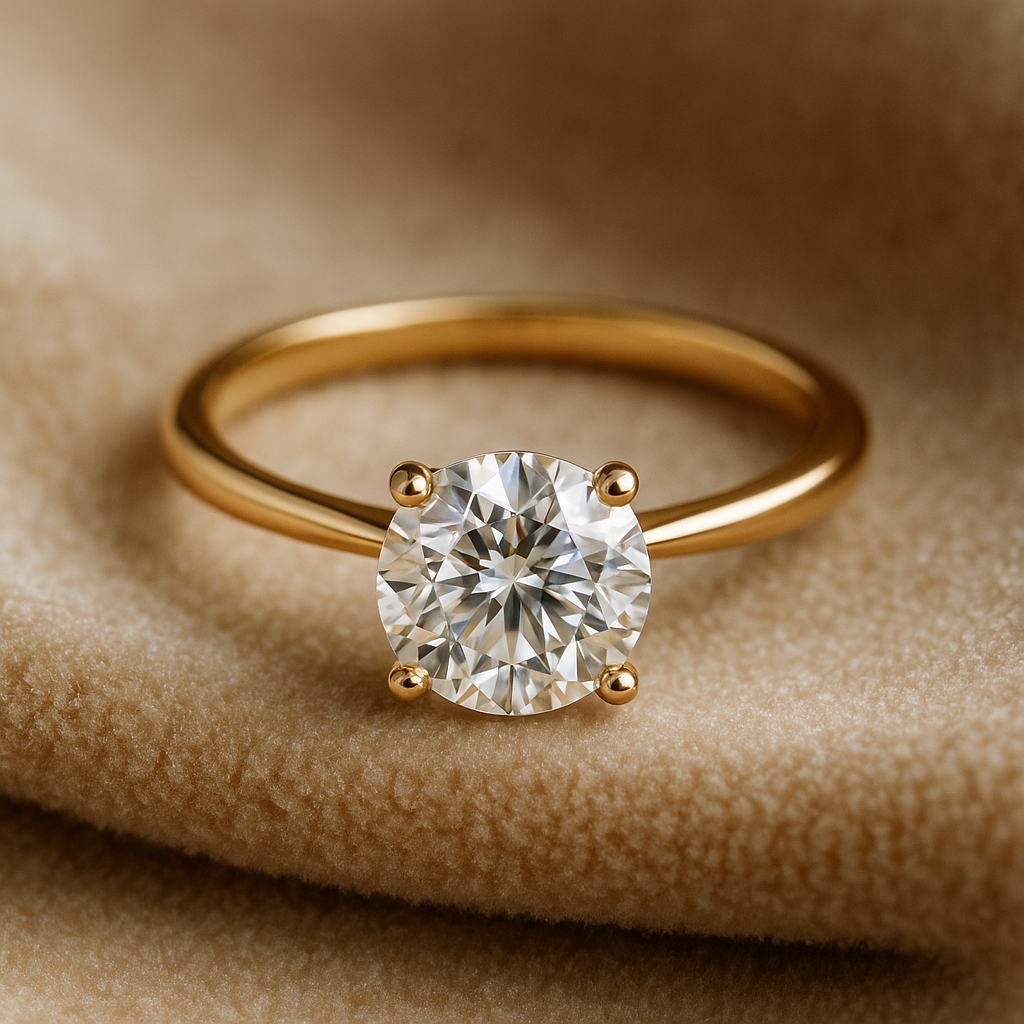
Lab-grown diamonds, also known as synthetic or cultured diamonds, are real diamonds created in controlled laboratory environments using advanced technology. These diamonds have the same physical, chemical, and optical properties as natural diamonds, making them a genuine alternative for engagement rings and other fine jewelry.
The Process of Creating Lab-Grown Diamonds
Lab-grown diamonds are created using two primary methods: the High Pressure High Temperature (HPHT) method and the Chemical Vapor Deposition (CVD) method.
High Pressure High Temperature (HPHT)
The HPHT method mimics the natural processes that occur in the Earth’s mantle, where diamonds form over millions of years. In this method, carbon is subjected to extreme pressure and temperature, resulting in the formation of diamonds over a shorter period.
Chemical Vapor Deposition (CVD)
CVD involves using a gas mixture that contains carbon, which is then ionized to create a plasma. The carbon deposits onto a substrate, gradually forming a diamond layer. This method allows for greater control over the diamond’s characteristics, including color and clarity.
Comparison of Lab-Grown and Natural Diamonds
When it comes to choosing between lab-grown and natural diamonds, understanding their differences is crucial. Here’s a detailed comparison:
Origin
Natural diamonds are formed over billions of years deep within the Earth, while lab-grown diamonds are created in a matter of weeks in a lab setting.
Cost
Lab-grown diamonds typically cost 20-40% less than natural diamonds. This price advantage allows consumers to purchase larger or higher-quality stones without exceeding their budget.
Environmental Impact
Lab-grown diamonds are often considered more environmentally friendly than natural diamonds, as their production generally has a lower carbon footprint and does not involve extensive mining operations, which can cause significant environmental degradation.
Ethical Considerations
Lab-grown diamonds are conflict-free by nature, eliminating concerns about blood diamonds and unethical mining practices typically associated with some natural diamond sources.
Benefits of Choosing Lab-Grown Diamonds
Opting for a lab-grown diamond comes with several advantages:
Quality and Variety
Lab-grown diamonds can be produced to meet specific quality standards, allowing buyers a wider range of options regarding color, clarity, and size. This ensures that consumers can find the perfect diamond that fits their aesthetic and budget.
Transparency
Lab-grown diamonds come with certification from recognized organizations, ensuring transparency in the diamond’s quality and origin. This level of clarity can provide peace of mind for buyers.
Support for Innovation
Purchasing lab-grown diamonds supports technological innovation in the jewelry industry, promoting sustainable practices and reducing the environmental impact of diamond production.
How to Choose the Right Lab-Grown Diamond
When selecting a lab-grown diamond for an engagement ring or fine jewelry, consider the following factors:
1. Determine Your Budget
Establishing a budget before shopping can help narrow down your options and ensure you’re making a financially sound decision.
2. Understand the 4 Cs
Familiarize yourself with the 4 Cs of diamonds: Carat weight, Cut, Color, and Clarity. These factors determine a diamond’s quality and value, and understanding them will help you make an informed choice.
3. Choose a Reputable Retailer
Look for retailers that specialize in lab-grown diamonds and offer comprehensive certification and return policies. Trusted jewelers provide detailed information about their stones, ensuring you’re making a wise investment.
4. Consider the Setting
Think about how the diamond will be set in the jewelry piece. The setting can greatly influence the overall appearance and will complement the diamond’s unique characteristics.
Frequently Asked Questions (FAQs)
Are lab-grown diamonds real diamonds?
Yes, lab-grown diamonds are real diamonds with the same physical and chemical properties as natural diamonds. They are identified as diamonds by gemological labs.
Do lab-grown diamonds hold their value?
Lab-grown diamonds tend to have a different resale market compared to natural diamonds. While they can depreciate in value, their lower initial cost often makes them a worthwhile investment for personal enjoyment.
Can you tell the difference between lab-grown and natural diamonds?
Without specialized equipment, it is nearly impossible to distinguish between lab-grown and natural diamonds. Both types exhibit the same brilliance and beauty.
Are lab-grown diamonds environmentally friendly?
Yes, lab-grown diamonds generally have a lower environmental impact compared to mined diamonds, as they do not require extensive mining operations and can be produced using greener methods.
Where can I buy lab-grown diamonds?
Many reputable jewelers now offer lab-grown diamonds, both online and in physical stores. Look for retailers with positive reviews and certification to ensure a high-quality purchase.
Conclusion
Lab-grown diamonds present an appealing alternative to traditional natural diamonds for those seeking quality, ethical sourcing, and cost-effectiveness. By understanding their characteristics and benefits, consumers can make informed decisions that align with their values and desires. As you embark on your search for an engagement ring or fine jewelry piece, consider exploring the beauty and innovation of lab-grown diamonds.