
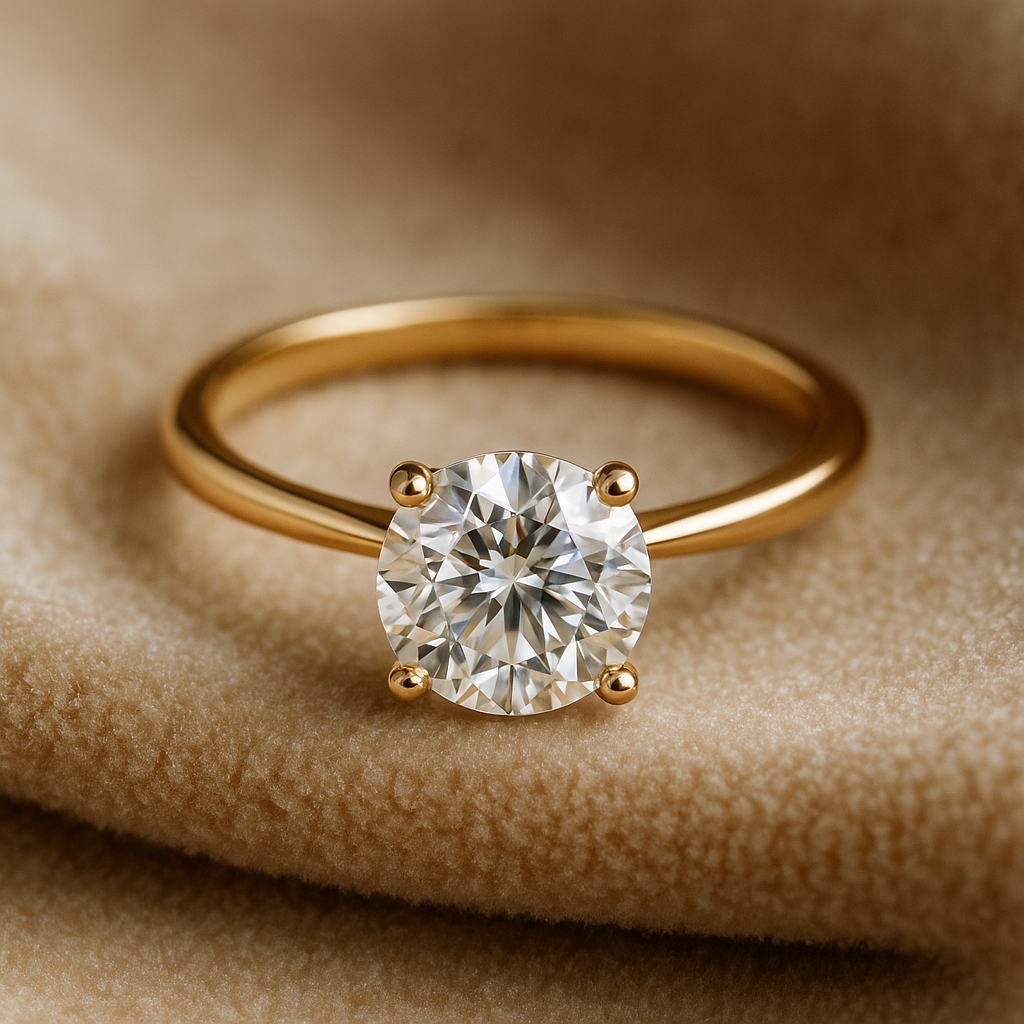
Understanding Lab-Grown Diamonds: A Modern Choice for Love
In recent years, lab-grown diamonds have surged in popularity, captivating the attention of consumers seeking high-quality engagement rings and fine jewelry. As shoppers delve into the world of diamonds, understanding the unique attributes of lab-grown diamonds compared to their natural counterparts becomes essential. In this article, we will explore what lab-grown diamonds are, their benefits, how they compare to natural diamonds, factors to consider when purchasing, and common questions surrounding this innovative gemstone.
What Are Lab-Grown Diamonds?
Lab-grown diamonds, also known as synthetic diamonds or cultured diamonds, are diamonds that are created in controlled laboratory environments using advanced technological processes that replicate the conditions under which natural diamonds form in the Earth’s mantle. These diamonds are chemically, physically, and optically identical to natural diamonds, making them a genuine alternative for consumers.
The Benefits of Choosing Lab-Grown Diamonds
- Ethical Sourcing: One of the most significant advantages of lab-grown diamonds is the assurance of ethical sourcing. There are no concerns about conflict diamonds, often referred to as “blood diamonds,” which are mined in war zones and sold to finance armed conflict.
- Affordability: Lab-grown diamonds typically cost 20-40% less than natural diamonds of similar quality. This allows consumers to purchase larger stones or choose higher-quality diamonds without the premium price tag.
- Environmental Impact: While diamond mining can have detrimental effects on the environment, lab-grown diamonds are produced with a significantly lower environmental footprint. The energy consumption and land disruption associated with mining are considerably reduced.
- Quality and Variety: Lab-grown diamonds are available in a range of colors and sizes. With cutting-edge technology, creators can produce diamonds that feature unique colors, appealing to consumers seeking something distinct.
Lab-Grown vs. Natural Diamonds: A Comparison
When comparing lab-grown diamonds to natural diamonds, it’s important to note that both types are real diamonds. The distinction lies in their origin. Here are some key differences:
- Origin: Natural diamonds are formed over millions of years deep within the Earth, while lab-grown diamonds are manufactured in a matter of weeks using high-pressure, high-temperature (HPHT) or chemical vapor deposition (CVD) methods.
- Price: As previously mentioned, lab-grown diamonds are typically less expensive, making them an attractive option for budget-conscious shoppers.
- Resale Value: Natural diamonds generally hold a higher resale value due to their rarity. Lab-grown diamonds, while increasing in acceptance, may not retain value in the same way.
- Certification: Both lab-grown and natural diamonds can be certified by reputable gemological organizations, but it’s crucial to ensure that your gem is accompanied by the correct grading report that specifies its origin.
Factors to Consider When Purchasing a Lab-Grown Diamond
When exploring the option of a lab-grown diamond for your engagement ring or other fine jewelry, consider the following:
- The 4Cs: Just like natural diamonds, lab-grown diamonds are graded based on the 4Cs: Cut, Color, Clarity, and Carat weight. Prioritize these attributes based on your preference and budget.
- Certification: Ensure your diamond comes with certification from a recognized gemological institute. This guarantees its quality and authenticity.
- Design and Setting: Choose a setting that complements the unique characteristics of your lab-grown diamond. Different metals and styles can enhance the overall aesthetic of your ring.
- Warranty and Return Policy: Look for retailers that offer comprehensive warranties and flexible return policies to provide peace of mind with your purchase.
Frequently Asked Questions
Are lab-grown diamonds real diamonds?
Yes, lab-grown diamonds are real diamonds. They have the same physical and chemical properties as natural diamonds, making them virtually indistinguishable to the naked eye.
Do lab-grown diamonds last as long as natural diamonds?
Absolutely. Lab-grown diamonds are just as durable and long-lasting as natural diamonds, making them an excellent choice for everyday jewelry.
Can lab-grown diamonds be recycled?
Yes, lab-grown diamonds can be repurposed or recycled, just like natural diamonds. They can be reset in a new piece of jewelry, allowing for continued enjoyment.
Will my lab-grown diamond lose value over time?
While lab-grown diamonds may not hold their value in the same way natural diamonds do, their popularity is increasing, and they are becoming more accepted in the market.
Where can I buy lab-grown diamonds?
You can find lab-grown diamonds at many reputable jewelers, both online and in-store. Ensure you choose a retailer that provides clear information about the diamond’s origin and certification.
Conclusion
Lab-grown diamonds represent a significant shift in the jewelry industry, offering consumers a beautiful, ethical, and affordable alternative to natural diamonds. As you embark on your journey to find the perfect engagement ring or fine jewelry, consider the many advantages of lab-grown diamonds. With their exquisite quality and growing acceptance, lab-grown diamonds are a modern choice for love that aligns with the values of today’s conscientious consumer.