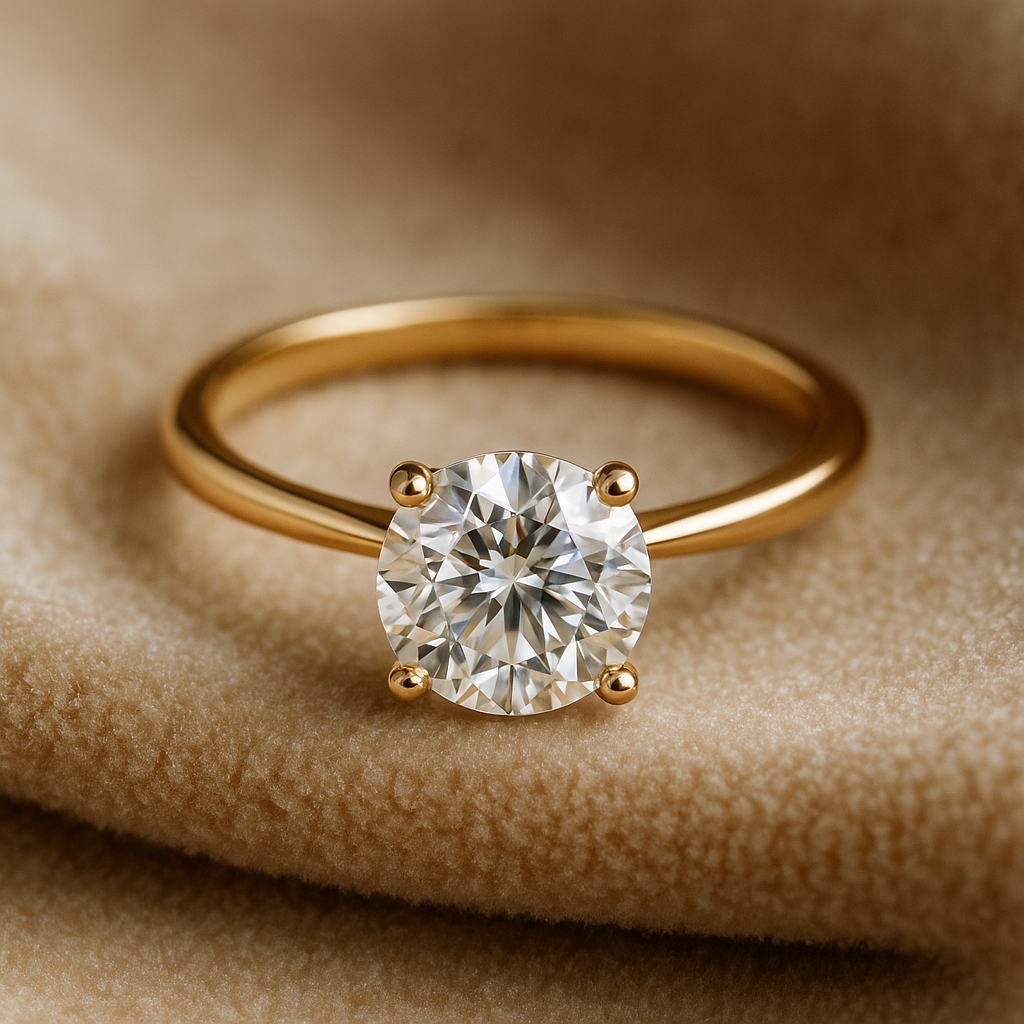
Understanding Lab-Grown Diamonds: A Smart Choice for Engagement Rings
In recent years, lab-grown diamonds have become a significant trend in the jewelry industry, particularly for engagement rings. As couples navigate the journey of selecting the perfect symbol of their love, understanding the nuances between lab-grown and natural diamonds is crucial. In this article, we’ll explore the characteristics, benefits, and considerations associated with lab-grown diamonds to help you make an informed decision.
What Are Lab-Grown Diamonds?
Lab-grown diamonds, also known as synthetic or cultured diamonds, are real diamonds that are created in a controlled laboratory environment. They possess the same physical, chemical, and optical properties as natural diamonds, which are formed over billions of years beneath the Earth’s surface. The primary methods for creating lab-grown diamonds are High Pressure High Temperature (HPHT) and Chemical Vapor Deposition (CVD).
Key Differences Between Lab-Grown and Natural Diamonds
While both lab-grown and natural diamonds are made of carbon atoms arranged in a crystal structure, several key differences set them apart:
- Origin: Lab-grown diamonds are created in a laboratory, while natural diamonds are mined from the Earth.
- Cost: Lab-grown diamonds typically cost 20-40% less than their natural counterparts, making them an attractive option for budget-conscious buyers.
- Ethical Considerations: Lab-grown diamonds are free from the ethical concerns surrounding conflict diamonds, as their production does not involve mining practices that can exploit human rights.
- Environmental Impact: The environmental footprint of lab-grown diamonds is generally smaller than that of mined diamonds, as they do not require extensive land disruption and resource extraction.
Benefits of Choosing Lab-Grown Diamonds
Opting for a lab-grown diamond comes with several advantages that can enhance your jewelry-buying experience:
1. Cost-Effectiveness
The most immediate benefit of lab-grown diamonds is their price. The lower production costs associated with lab-grown diamonds allow you to purchase a larger or higher-quality stone within your budget. This means you can secure a stunning engagement ring without compromising on quality.
2. Quality and Purity
Lab-grown diamonds are often graded on the same scale as natural diamonds (the 4Cs: Cut, Color, Clarity, and Carat weight). In many cases, lab-grown diamonds can exhibit superior clarity and fewer inclusions, as they are produced in controlled settings that eliminate many natural imperfections.
3. Ethical and Sustainable Choice
For environmentally conscious consumers, lab-grown diamonds present a sustainable alternative to mined diamonds. The production of lab-grown diamonds is generally more eco-friendly, and they eliminate the risk of contributing to exploitation associated with diamond mining.
4. Availability of Unique Options
Lab-grown diamonds are available in a variety of shapes, sizes, and colors. If you’re looking for something unique, lab-grown options can offer distinct styles that may not be as readily available in natural stones.
Things to Consider Before Buying a Lab-Grown Diamond
While there are numerous benefits to choosing a lab-grown diamond, it’s important to consider a few factors before making your purchase:
1. Resale Value
Lab-grown diamonds may not hold their value as well as natural diamonds, which can impact your future resale options. While they are real diamonds, the market for lab-grown diamonds is still evolving, and their resale value can be lower than that of natural diamonds.
2. Consumer Perception
Although the stigma surrounding lab-grown diamonds is fading, some consumers still prefer natural diamonds, associating them with rarity and tradition. If the perception of a natural diamond holds significance to you or your partner, it’s worth considering.
3. Certification
Ensure that any diamond you purchase—lab-grown or natural—is certified by a reputable gemological laboratory. Certificates provide details about the diamond’s quality and characteristics, ensuring you’re making a sound investment.
Frequently Asked Questions (FAQs)
Are lab-grown diamonds the same as cubic zirconia?
No, lab-grown diamonds are natural diamonds created in a lab, while cubic zirconia is a synthetic stone that does not possess the same physical and chemical properties as diamonds.
Do lab-grown diamonds get cloudy over time?
No, lab-grown diamonds maintain their brilliance and clarity and do not become cloudy over time, just like natural diamonds.
How can I tell a lab-grown diamond from a natural diamond?
Lab-grown diamonds are often identified using specialized equipment by gemological laboratories due to their unique growth patterns. However, to a casual observer, they appear identical to natural diamonds.
Can lab-grown diamonds be resold?
Yes, lab-grown diamonds can be resold, but their resale value may be lower than that of natural diamonds due to market demand and perceptions.
Conclusion: Is a Lab-Grown Diamond Right for You?
Choosing a diamond for your engagement ring is a deeply personal decision, one that involves both emotional and financial considerations. As you explore your options, lab-grown diamonds offer a compelling combination of affordability, ethical sourcing, and stunning beauty. While they may not hold the same resale value or traditional allure as natural diamonds, they represent a modern choice that aligns with changing values in today’s jewelry market. At Celebrity Diamonds, we encourage you to weigh these factors carefully and choose the option that resonates with your personal values and style.