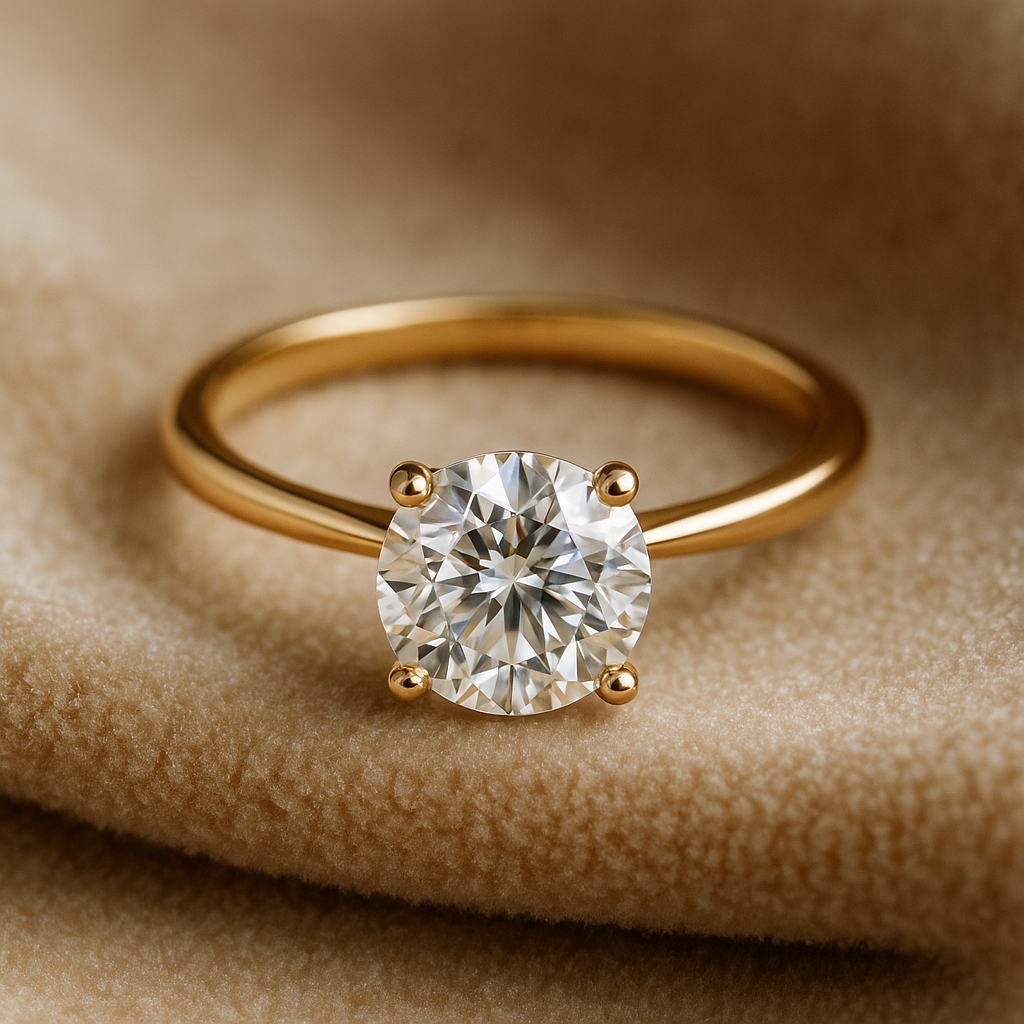
Understanding Lab-Grown Diamonds: An Informed Choice
In recent years, lab-grown diamonds have emerged as an innovative and sustainable alternative to their natural counterparts. With a rapidly growing market, many consumers are discovering the benefits of choosing these ethically produced stones for engagement rings and fine jewelry. This article will delve deep into the world of lab-grown diamonds, helping you make an informed decision when selecting the perfect piece for your loved one.
What Are Lab-Grown Diamonds?
Lab-grown diamonds, also known as synthetic or cultured diamonds, are created in controlled environments using advanced technological processes that replicate the natural diamond formation. These methods include High Pressure High Temperature (HPHT) and Chemical Vapor Deposition (CVD). Both processes produce diamonds that have the same physical and chemical properties as natural diamonds.
The Key Differences Between Lab-Grown and Natural Diamonds
While lab-grown diamonds share a similar appearance to natural diamonds, there are key distinctions that set them apart:
- Origin: Natural diamonds are formed over millions of years under extreme pressure and heat deep within the Earth’s mantle. Lab-grown diamonds are created in a matter of weeks in a lab.
- Ethical Concerns: Lab-grown diamonds are often viewed as a more ethical choice as they avoid the environmental impact and human rights violations sometimes associated with diamond mining.
- Cost: Typically, lab-grown diamonds are more affordable than natural diamonds, often costing 20-40% less for equivalent size and quality.
Why Choose Lab-Grown Diamonds?
There are several compelling reasons to choose lab-grown diamonds over natural ones:
1. Sustainability
The environmental impact of diamond mining is significant, leading to deforestation, loss of biodiversity, and soil erosion. In contrast, lab-grown diamonds have a smaller carbon footprint. The controlled lab environment minimizes the impact on ecosystems.
2. Ethical Considerations
Lab-grown diamonds eliminate concerns about blood diamonds, which are mined in war zones and often fund conflict. Consumers can buy with confidence, knowing that their diamond was produced ethically.
3. Exceptional Value
With prices typically 20-40% lower than natural diamonds, consumers can purchase larger or higher-quality stones within their budget. This allows for more options when it comes to engagement rings and other fine jewelry.
How to Choose a Lab-Grown Diamond
Choosing a lab-grown diamond involves understanding the 4 Cs: Cut, Color, Clarity, and Carat weight:
- Cut: This refers to how well the diamond has been shaped and faceted. Quality cut maximizes brilliance and sparkle.
- Color: Diamonds are graded on a scale from D (colorless) to Z (light yellow). Most lab-grown diamonds are colorless or near-colorless.
- Clarity: This measures the presence of inclusions (internal flaws) and blemishes (surface flaws). Higher clarity diamonds are more valuable.
- Carat Weight: This indicates the size of the diamond. Keep in mind that larger diamonds will increase the overall cost, regardless of whether they are lab-grown or natural.
Common Misconceptions About Lab-Grown Diamonds
With the rise in popularity of lab-grown diamonds, several misconceptions have also surfaced:
1. They Are Not Real Diamonds
Lab-grown diamonds are real diamonds, composed of carbon atoms arranged in the same crystal structure as natural diamonds. They possess the same physical and chemical properties.
2. They Lack Resale Value
While it’s true that natural diamonds often retain more value over time, the resale market for lab-grown diamonds is developing. As consumer acceptance increases, so does their potential resale value.
3. They Are Inferior in Quality
Lab-grown diamonds can be produced with superior quality and fewer inclusions than natural diamonds. Buyers should look for certification from reputable gemological laboratories.
Frequently Asked Questions
Are lab-grown diamonds cheaper than natural diamonds?
Yes, lab-grown diamonds are typically 20-40% less expensive than natural diamonds, making them a cost-effective option.
How can I ensure the quality of a lab-grown diamond?
Look for diamonds certified by a reputable gemological laboratory, such as the GIA (Gemological Institute of America) or IGI (International Gemological Institute).
Will lab-grown diamonds last as long as natural diamonds?
Yes, lab-grown diamonds are durable and can last a lifetime, just like natural diamonds.
Can I tell the difference between lab-grown and natural diamonds?
Without specialized equipment, it is nearly impossible for the average consumer to distinguish between lab-grown and natural diamonds.
Conclusion
Lab-grown diamonds present an attractive and ethical alternative to natural diamonds, combining beauty, sustainability, and affordability. By understanding their characteristics and benefits, you can confidently select a diamond that not only symbolizes your love but also aligns with your values. As you embark on the journey of finding the perfect engagement ring, consider the significant advantages of choosing a lab-grown diamond from Celebrity Diamonds.