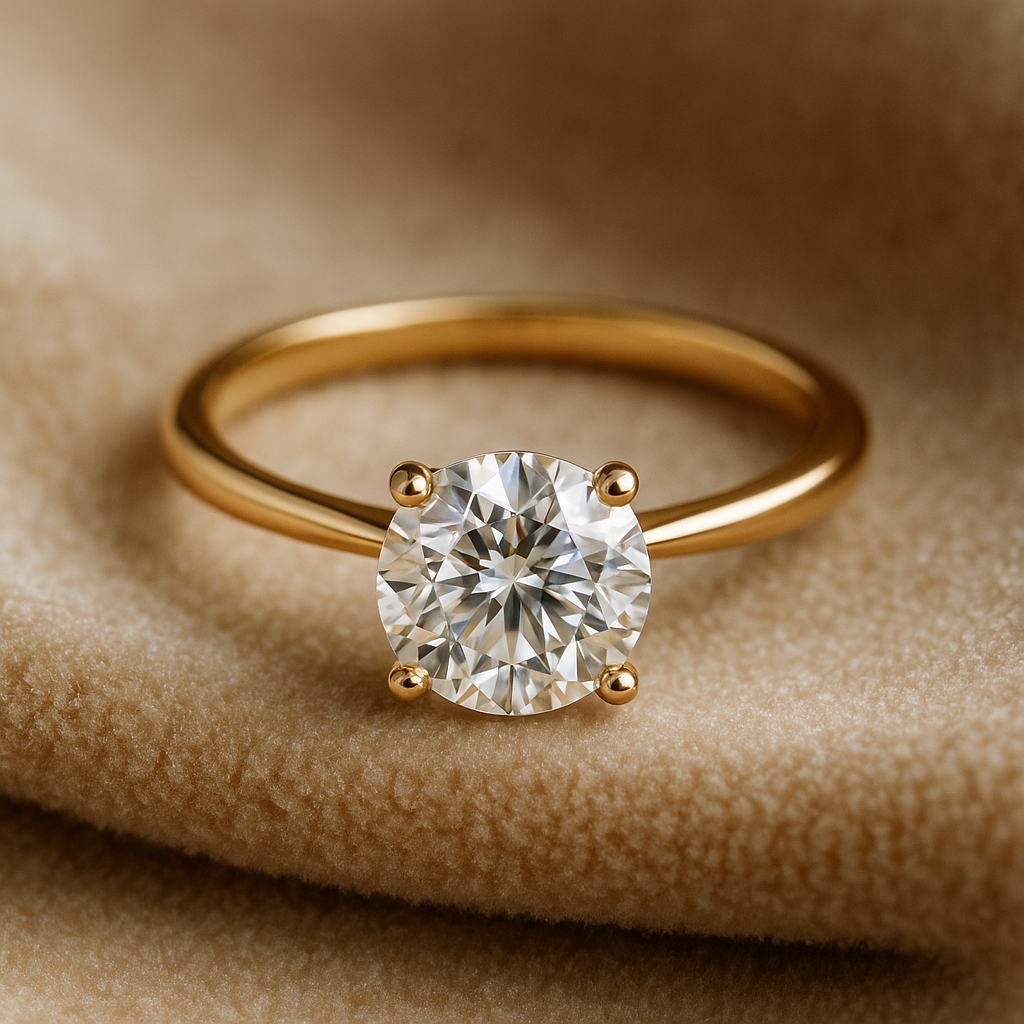
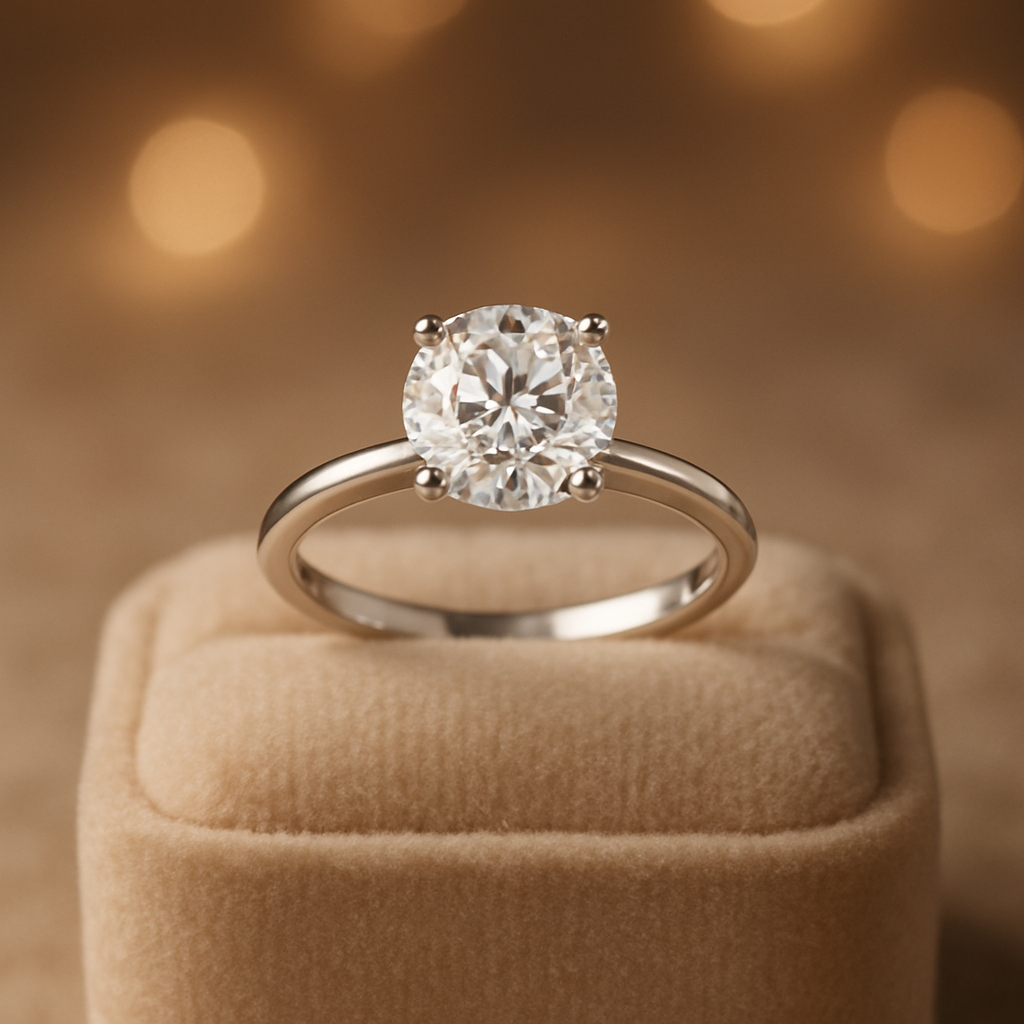
Understanding Lab-Grown Diamonds: The Ethical and Beautiful Choice
In recent years, lab-grown diamonds have emerged as a revolutionary choice for consumers seeking both beauty and ethics in their jewelry. These diamonds, created in controlled environments, offer a stunning alternative to their natural counterparts, without compromising on quality, brilliance, or the ethical standards that many modern consumers seek. In this article, we will explore what lab-grown diamonds are, their benefits, and how they compare to natural diamonds, helping you make an informed decision for your engagement ring or fine jewelry purchase.
What are Lab-Grown Diamonds?
Lab-grown diamonds, also known as synthetic or cultured diamonds, are diamonds that are produced in a laboratory setting using advanced technological processes that mimic the natural diamond formation environment. The two main methods used to create these diamonds are:
- High Pressure High Temperature (HPHT): This method replicates the extreme heat and pressure conditions found deep within the Earth, where natural diamonds form. Carbon is subjected to these conditions, resulting in the formation of diamonds.
- Chemical Vapor Deposition (CVD): In this method, a carbon-containing gas is introduced into a vacuum chamber. The gas reacts and deposits carbon atoms onto a substrate, allowing for the gradual growth of a diamond layer by layer.
The result is a diamond that is chemically, physically, and optically identical to a natural diamond.
The Benefits of Choosing Lab-Grown Diamonds
Many consumers are opting for lab-grown diamonds for a variety of reasons. Here are some of the key advantages:
1. Ethical Considerations
One of the primary reasons consumers choose lab-grown diamonds is the ethical implications associated with them. Natural diamonds have been linked to conflict and unethical mining practices. In contrast, lab-grown diamonds are created in a controlled environment, ensuring that no human rights violations occur in their production.
2. Environmental Impact
Lab-grown diamonds are often considered to be more environmentally friendly than natural diamonds. Mining for natural diamonds can result in significant ecological damage, including habitat destruction and water pollution. Lab-grown diamonds, however, require far fewer resources and cause minimal environmental disruption.
3. Cost-Effective Luxury
Lab-grown diamonds are typically 20-40% less expensive than natural diamonds of similar quality. This price difference allows consumers to invest in a higher carat weight or superior quality stone while staying within their budget.
4. Technological Advancements
As technology continues to improve, lab-grown diamonds are becoming increasingly accessible and available in a wide range of styles and settings. Consumers can choose from various shapes, sizes, and colors, ensuring they find the perfect diamond for their needs.
How Do Lab-Grown Diamonds Compare to Natural Diamonds?
When comparing lab-grown diamonds to natural diamonds, it’s essential to understand that both types of diamonds share the same physical and chemical properties. Here are some key comparisons:
1. Quality and Appearance
Lab-grown diamonds are graded using the same criteria as natural diamonds, including the Four Cs: Carat, Cut, Color, and Clarity. This means you can find lab-grown diamonds that are just as beautiful and high-quality as their natural counterparts.
2. Resale Value
Natural diamonds often hold their value better than lab-grown diamonds. While lab-grown diamonds are becoming more accepted, their resale market is still developing. If you are considering an investment, a natural diamond may have a better resale value over time.
3. Certification
Both natural and lab-grown diamonds can be certified by reputable gemological laboratories. Make sure to check for certification when purchasing either type of diamond. This certification provides assurance of the diamond’s quality and authenticity.
Common Misconceptions About Lab-Grown Diamonds
Despite the growing popularity of lab-grown diamonds, several misconceptions still exist. Let’s address a few of them:
1. They Are Not Real Diamonds
This is perhaps the most common misconception. Lab-grown diamonds are real diamonds; they have the same chemical composition and physical properties as natural diamonds. The only difference lies in their origin.
2. They Lack Value
While lab-grown diamonds may have a lower resale value compared to natural diamonds, this does not mean they lack value. Many consumers see the ethical and environmental benefits as adding value to their purchase.
3. They Are Inferior
Lab-grown diamonds can often match or exceed the quality of natural diamonds. The technology used to create these diamonds results in stones that are free from many common inclusions found in natural diamonds.
Choosing the Right Lab-Grown Diamond
When shopping for lab-grown diamonds, consider the following tips to find the perfect one for your engagement ring or fine jewelry:
1. Set a Budget
Determine your budget before shopping. Remember, lab-grown diamonds offer a cost-effective alternative, allowing you to purchase a larger or higher-quality diamond within your budget.
2. Learn About the Four Cs
Familiarize yourself with the Four Cs (Carat, Cut, Color, Clarity) to understand what you want in a diamond. This knowledge will help you make an informed decision when comparing different options.
3. Choose a Reputable Retailer
Shop from reputable jewelers who provide certified lab-grown diamonds. They should be transparent about the origins and characteristics of the diamonds they offer.
4. Consider the Setting
The setting of your diamond can significantly impact its overall appearance. Choose a setting that complements the diamond and reflects your personal style.
Conclusion
Lab-grown diamonds represent a beautiful, ethical, and cost-effective choice for consumers seeking engagement rings or fine jewelry. With their stunning quality and reduced environmental impact, they are becoming increasingly popular among conscientious shoppers. As you embark on your journey to find the perfect diamond, consider the advantages of lab-grown diamonds and make an informed decision that aligns with your values and style.
FAQ
Are lab-grown diamonds more affordable than natural diamonds?
Yes, lab-grown diamonds typically cost 20-40% less than natural diamonds of similar quality.
How can I be sure I’m buying a lab-grown diamond?
Ensure that the diamond comes with a certification from a reputable gemological laboratory, which will specify whether it is lab-grown or natural.
Do lab-grown diamonds have a lesser quality?
No, lab-grown diamonds can match or exceed the quality of natural diamonds, depending on the Four Cs.
What is the environmental impact of lab-grown diamonds?
Lab-grown diamonds are generally considered to have a lower environmental impact than mined diamonds, as they do not involve large-scale mining operations.