
Understanding Lab-Grown Diamonds: The Future of Fine Jewelry
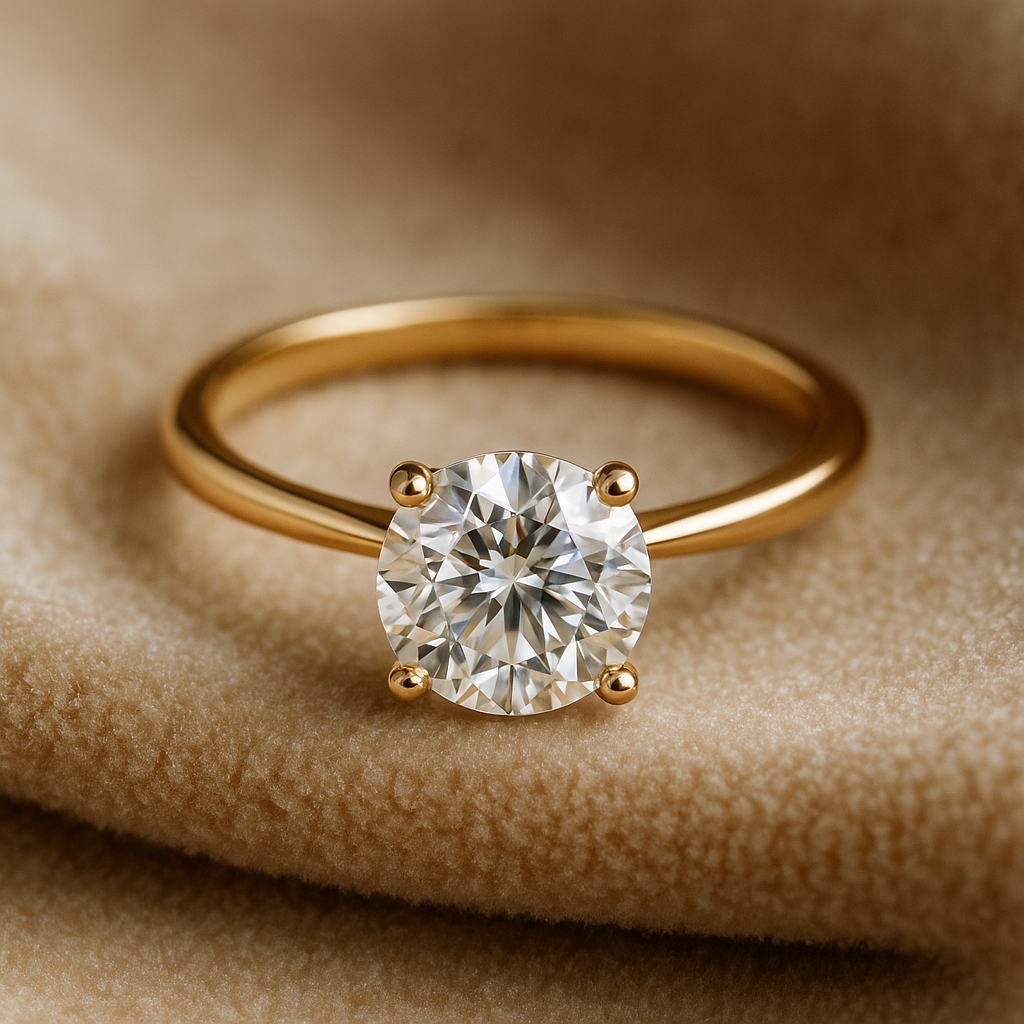
In recent years, lab-grown diamonds have emerged as a popular choice for engagement rings and fine jewelry, captivating the hearts of consumers who value both beauty and ethics. With advancements in technology, these diamonds offer a brilliant alternative to their natural counterparts, appealing to a new generation of shoppers. This article explores the unique attributes of lab-grown diamonds, their advantages over mined diamonds, and how to choose the perfect one for your needs.
What Are Lab-Grown Diamonds?
Lab-grown diamonds, also known as synthetic or cultured diamonds, are real diamonds created in controlled environments using advanced technological processes that replicate the natural diamond formation. These diamonds exhibit identical physical, chemical, and optical properties to natural diamonds. The primary methods used in creating these gems are High Pressure High Temperature (HPHT) and Chemical Vapor Deposition (CVD).
The Process of Creating Lab-Grown Diamonds
The HPHT method simulates the intense heat and pressure conditions found in the Earth’s mantle where natural diamonds form. In contrast, the CVD process involves using carbon gases to grow diamonds layer by layer. Both methods yield diamonds that are indistinguishable from mined diamonds to the naked eye and even under magnification.
Benefits of Choosing Lab-Grown Diamonds
When selecting an engagement ring or fine jewelry, lab-grown diamonds offer several compelling benefits:
- Ethical Sourcing: Lab-grown diamonds are produced in controlled environments, eliminating the concerns associated with conflict diamonds or unethical mining practices.
- Environmental Impact: Creating diamonds in labs significantly reduces the environmental damage typically associated with diamond mining, making them a more sustainable choice.
- Cost-Effectiveness: Lab-grown diamonds typically cost 20-40% less than natural diamonds of similar quality, allowing consumers to maximize their budget.
- Quality and Variety: Lab-grown diamonds come in a spectrum of colors and sizes, offering consumers a wide range of options to choose from.
Lab-Grown vs. Natural Diamonds: A Comparison
Choosing between lab-grown and natural diamonds can be a daunting task. Understanding their similarities and differences can help you make an informed decision:
1. Composition
Both lab-grown and natural diamonds are made of pure carbon atoms arranged in a crystal structure. Hence, they are identical in chemical composition, hardness, and brilliance.
2. Origin
The most significant difference lies in their origin. Natural diamonds form over millions of years deep within the Earth, while lab-grown diamonds are produced in weeks or months in a laboratory setting.
3. Pricing
As mentioned, lab-grown diamonds are more budget-friendly without compromising on quality, making them an attractive option for consumers.
4. Resale Value
Natural diamonds tend to retain their value better than lab-grown diamonds, primarily due to their rarity. However, the value of lab-grown diamonds is steadily increasing as awareness and acceptance grow.
5. Certification
Both types of diamonds can be certified by reputable organizations, ensuring that you are purchasing a quality product, whether mined or lab-grown.
Choosing the Right Lab-Grown Diamond
When selecting a lab-grown diamond for an engagement ring or piece of jewelry, consider the following criteria:
1. The 4 Cs: Cut, Color, Clarity, and Carat
Just like their natural counterparts, lab-grown diamonds are evaluated based on the 4 Cs:
- Cut: The quality of the cut influences the diamond’s sparkle. Higher quality cuts reflect more light.
- Color: Lab-grown diamonds can range from colorless to various shades. Be sure to choose one that fits your preference.
- Clarity: This describes the presence of internal or external flaws. Higher clarity diamonds are more desirable.
- Carat: This refers to the weight of the diamond. Larger carat weights are typically more expensive.
2. Certification and Grading
Ensure you purchase your diamond from a reputable dealer who provides a grading report from a recognized organization like the Gemological Institute of America (GIA) or the International Gemological Institute (IGI).
3. Setting and Style
Choose a setting that complements the diamond. Lab-grown diamonds can be set in various styles, from classic solitaires to modern halo designs, allowing you to create a personalized piece.
FAQs about Lab-Grown Diamonds
Are lab-grown diamonds real diamonds?
Yes, lab-grown diamonds are real diamonds, possessing the same physical and chemical properties as natural diamonds.
How can I tell if a diamond is lab-grown or natural?
While they are nearly indistinguishable, a gemologist can identify the differences through specialized equipment. Look for certification that clearly states the diamond’s origin.
Do lab-grown diamonds have resale value?
Lab-grown diamonds may not hold their value as well as natural diamonds, but their market is growing, and some buyers are willing to pay a premium for them.
Can lab-grown diamonds be included in family heirlooms?
Absolutely! Lab-grown diamonds can be passed down through generations just like natural diamonds. They carry the same sentiment and beauty.
Conclusion
Lab-grown diamonds represent a transformative shift in the jewelry industry, merging elegance, ethical practices, and affordability. As consumers become increasingly aware of the benefits of these stunning gems, they are poised to become a staple in modern jewelry collections. For those considering engagement rings or fine jewelry, lab-grown diamonds offer a sophisticated and responsible choice without compromising on beauty or quality.