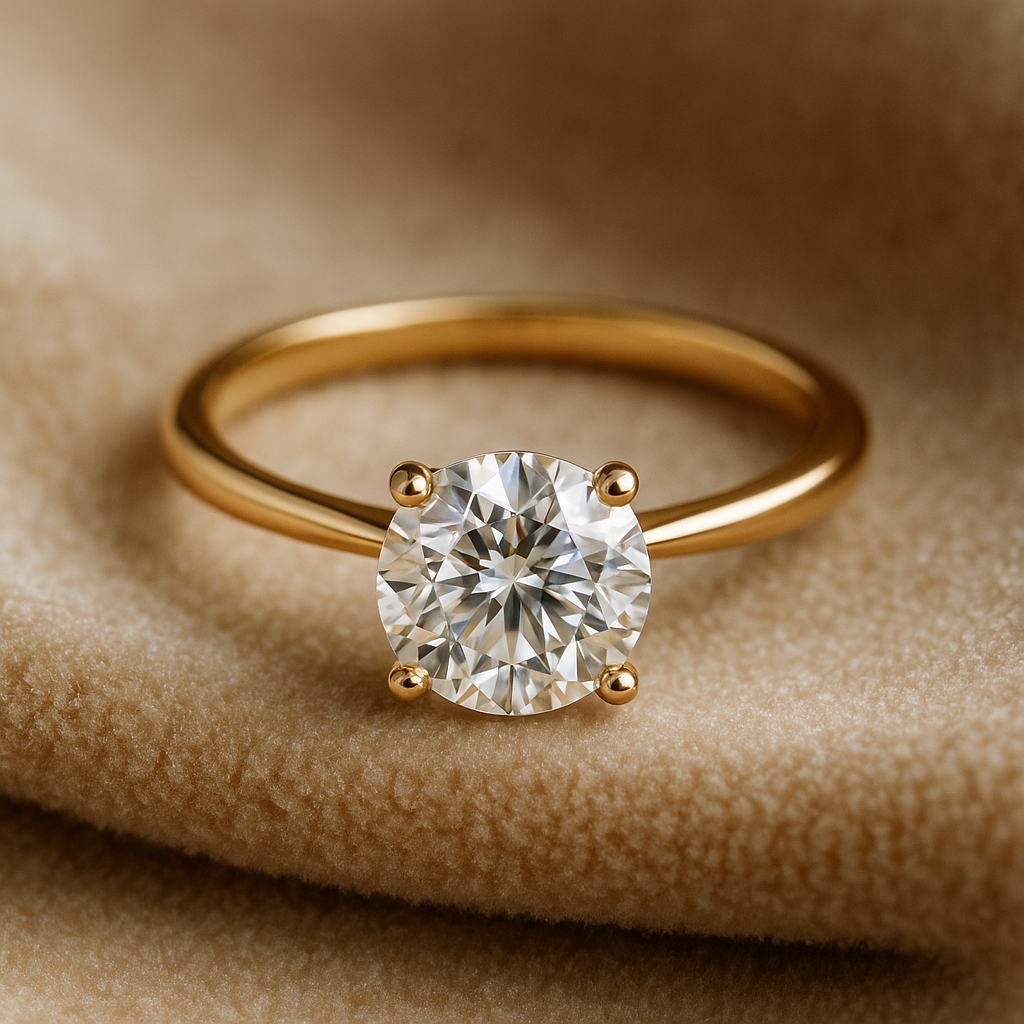
Understanding Lab-Grown Diamonds: The Future of Fine Jewelry
In the ever-evolving world of fine jewelry, lab-grown diamonds have emerged as a revolutionary choice for consumers seeking quality, ethics, and value. With advancements in technology, these diamonds are not only indistinguishable from their natural counterparts but often come at a more accessible price point. In this article, we will delve into the characteristics, benefits, and considerations of lab-grown diamonds, helping you make an informed decision for your engagement ring or fine jewelry purchase.
What are Lab-Grown Diamonds?
Lab-grown diamonds, also known as synthetic or cultured diamonds, are created using advanced technological processes that replicate the natural conditions under which diamonds form in the Earth. The two primary methods of production are High Pressure High Temperature (HPHT) and Chemical Vapor Deposition (CVD). Both methods produce stones that share the same physical, chemical, and optical properties as mined diamonds.
1. High Pressure High Temperature (HPHT)
This method simulates the natural formation of diamonds by applying extreme pressure and temperature to carbon. The result is a diamond that is virtually identical to those mined from the Earth.
2. Chemical Vapor Deposition (CVD)
CVD involves placing a diamond seed in a chamber filled with carbon-rich gas, which is then heated. The carbon atoms deposit onto the seed, gradually forming a diamond. This method allows for greater control over the diamond’s quality and characteristics.
Quality and Characteristics
Lab-grown diamonds possess the same physical and chemical properties as natural diamonds. They can be evaluated using the same grading systems, which consider the Four Cs: Cut, Color, Clarity, and Carat weight. Additionally, lab-grown diamonds may even offer certain advantages:
- Purity: Lab-grown diamonds are often purer than natural diamonds.
- Customization: The controlled environment allows for more options in terms of color and size.
- Affordability: Typically, lab-grown diamonds can be 20-40% less expensive than natural diamonds.
The Ethical Considerations
One of the compelling reasons to choose lab-grown diamonds is their ethical implications. Natural diamond mining can sometimes be associated with environmental degradation and human rights abuses. In contrast, lab-grown diamonds offer a sustainable alternative that significantly reduces the ecological impact:
- Reduced Environmental Impact: Lab-grown diamonds require less land and water than mining operations, making them a more eco-friendly choice.
- Conflict-Free Assurance: All lab-grown diamonds are conflict-free, ensuring that your purchase supports ethical practices.
Common Misconceptions
Despite their growing popularity, several misconceptions about lab-grown diamonds persist:
1. Are Lab-Grown Diamonds Fake?
No, lab-grown diamonds are not fake, they are real diamonds with the same atomic structure as natural diamonds.
2. Do Lab-Grown Diamonds Hold Their Value?
While they may not appreciate in value in the same way that some mined diamonds do, lab-grown diamonds are still valuable in their own right and can be resold or traded.
3. Are They All Identical?
Lab-grown diamonds come in a variety of shapes, sizes, and colors, allowing for a vast selection to suit individual tastes.
Choosing Your Lab-Grown Diamond
When selecting a lab-grown diamond, it’s crucial to consider the same factors you would for any engagement ring or fine jewelry. Here are some tips for making the right choice:
- Research reputable retailers: Look for vendors that provide certification from recognized gemological laboratories.
- Understand the Four Cs: Take time to understand how the cut, color, clarity, and carat will affect the beauty and value of your diamond.
- Set a budget: Although lab-grown diamonds are generally less expensive, it’s important to set a budget before shopping.
FAQs
Q: How can I tell if a diamond is lab-grown or natural?
A: Lab-grown diamonds can be identified through advanced gemological inspection tools. Most reputable retailers will provide a grading report that specifies whether a diamond is natural or lab-grown.
Q: Are lab-grown diamonds more ethical?
A: Yes, lab-grown diamonds are generally considered more ethical, as they are created in controlled environments without the ethical concerns associated with mining.
Q: Can I find lab-grown diamonds in various colors?
A: Absolutely! Lab-grown diamonds can be created in a variety of colors, giving consumers a wide range of options for customization.
Conclusion
Lab-grown diamonds represent a modern, ethical, and affordable choice for those seeking quality engagement rings and fine jewelry. As technology continues to advance, consumers can expect an increasing variety of lab-grown diamond options that cater to individual tastes and preferences. By understanding the benefits and characteristics of these diamonds, you can confidently choose the perfect symbol of your love.