Understanding Lab-Grown Diamonds: The Future of Fine Jewelry
In the evolving landscape of the diamond industry, lab-grown diamonds have surged in popularity, offering an ethical and environmentally-friendly alternative to natural diamonds. As consumers become more informed about their choices, understanding the unique characteristics and benefits of lab-grown diamonds is crucial for making informed purchasing decisions, especially for significant items like engagement rings.
What Are Lab-Grown Diamonds?
Lab-grown diamonds are created in controlled environments using advanced technology that replicates the natural diamond formation process. The two primary methods for synthesizing diamonds are High Pressure High Temperature (HPHT) and Chemical Vapor Deposition (CVD). Both methods produce diamonds that are chemically, physically, and optically identical to their mined counterparts.
The Benefits of Choosing Lab-Grown Diamonds
There are several compelling reasons to consider lab-grown diamonds for your next purchase:
- Ethical Considerations: Lab-grown diamonds are free from the ethical concerns associated with mined diamonds, often referred to as conflict diamonds. They provide a guilt-free option for conscientious consumers.
- Environmental Impact: The process of mining natural diamonds can be detrimental to the environment. In contrast, lab-grown diamonds have a smaller carbon footprint, making them a more sustainable choice.
- Affordability: Generally, lab-grown diamonds are priced 20% to 40% lower than their natural counterparts. This price difference allows consumers to choose larger or higher-quality diamonds within their budgets.
- Customization: Lab-grown diamonds offer more flexibility in terms of size and shape, allowing for personalized jewelry designs that can meet individual preferences.
How to Choose a Lab-Grown Diamond
When selecting a lab-grown diamond, consider the following factors:
- 4Cs of Diamonds: Similar to natural diamonds, lab-grown diamonds are graded based on cut, color, clarity, and carat weight. Understanding these factors will guide you in choosing the perfect stone.
- Certification: Look for diamonds that come with certification from reputable gemological laboratories such as the Gemological Institute of America (GIA) or the International Gemological Institute (IGI). This ensures the quality and authenticity of your diamond.
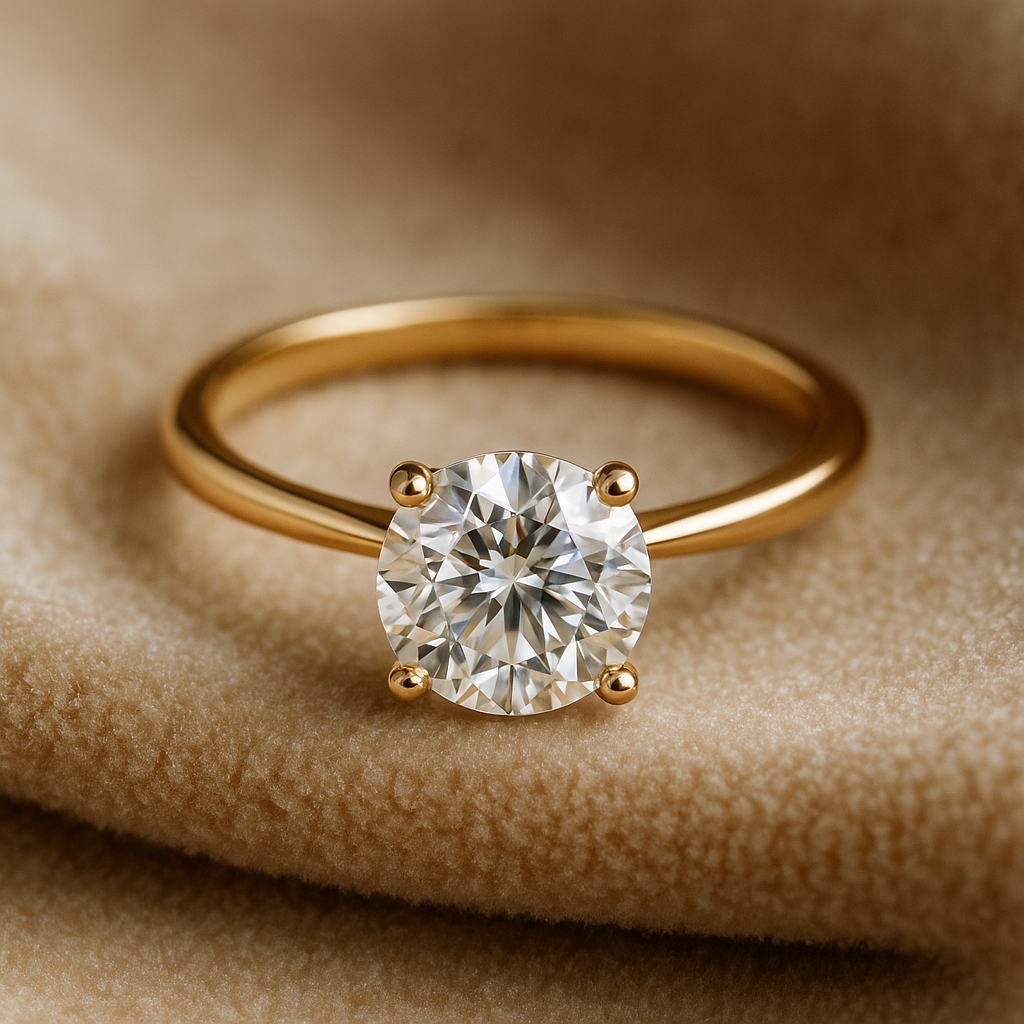
- Design and Setting: Think about the type of jewelry setting that complements your diamond choice. Lab-grown diamonds can be set in various styles, from classic solitaires to intricate halo designs.
Lab-Grown Diamonds vs Natural Diamonds
While both lab-grown and natural diamonds hold beauty and value, there are distinct differences that may influence your decision:
1. Origin
Natural diamonds are formed over billions of years deep within the Earth under extreme heat and pressure, while lab-grown diamonds are produced in weeks or months in a laboratory setting. This fundamental difference can impact the emotional and symbolic value some consumers place on their diamond.
2. Cost
As mentioned, lab-grown diamonds typically cost significantly less than natural diamonds. This economic advantage allows consumers to either purchase a larger stone or invest in higher quality.
3. Value Retention
Natural diamonds have historically held their value over time, while lab-grown diamonds may depreciate more quickly due to their abundance in the market. It’s important to consider your long-term goals when purchasing a diamond.
Addressing Common Misconceptions
Despite their benefits, lab-grown diamonds face certain misconceptions:
1. They Are Not Real Diamonds
This statement is misleading. Lab-grown diamonds are real diamonds; they possess the same physical and chemical properties as mined diamonds. The only difference lies in their origin.
2. They Lack Value
While lab-grown diamonds may not retain their value in the same way as natural diamonds, they hold significant value for many consumers based on their quality and ethical implications.
3. They Are Lower Quality
Lab-grown diamonds can be of equal or even superior quality compared to natural diamonds. In many cases, they enhance clarity and reduce inclusions due to the controlled manufacturing environment.
Lab-Grown Diamonds: The Future of Jewelry
As the diamond industry continues to innovate, lab-grown diamonds are changing consumer perceptions and preferences. Their ethical, environmental, and economic advantages resonate with a growing audience who value transparency and sustainability in their purchases.
Frequently Asked Questions (FAQ)
Are lab-grown diamonds real diamonds?
Yes, lab-grown diamonds are chemically and physically identical to natural diamonds, making them real diamonds.
Do lab-grown diamonds have resale value?
While they may not retain value as well as natural diamonds, lab-grown diamonds still hold intrinsic value and can be resold, though the market is currently more favorable for natural diamonds.
How can I care for my lab-grown diamond jewelry?
Caring for lab-grown diamonds is similar to caring for natural diamonds. Regular cleaning with a mild soap solution and a soft brush can help maintain their brilliance.
Can I customize my lab-grown diamond ring?
Absolutely! Lab-grown diamonds can be set in various styles, and many jewelers offer customization options to fit your personal taste.
Are lab-grown diamonds a good choice for engagement rings?
Yes, lab-grown diamonds are an excellent choice for engagement rings due to their ethical sourcing, lower price points, and high quality.