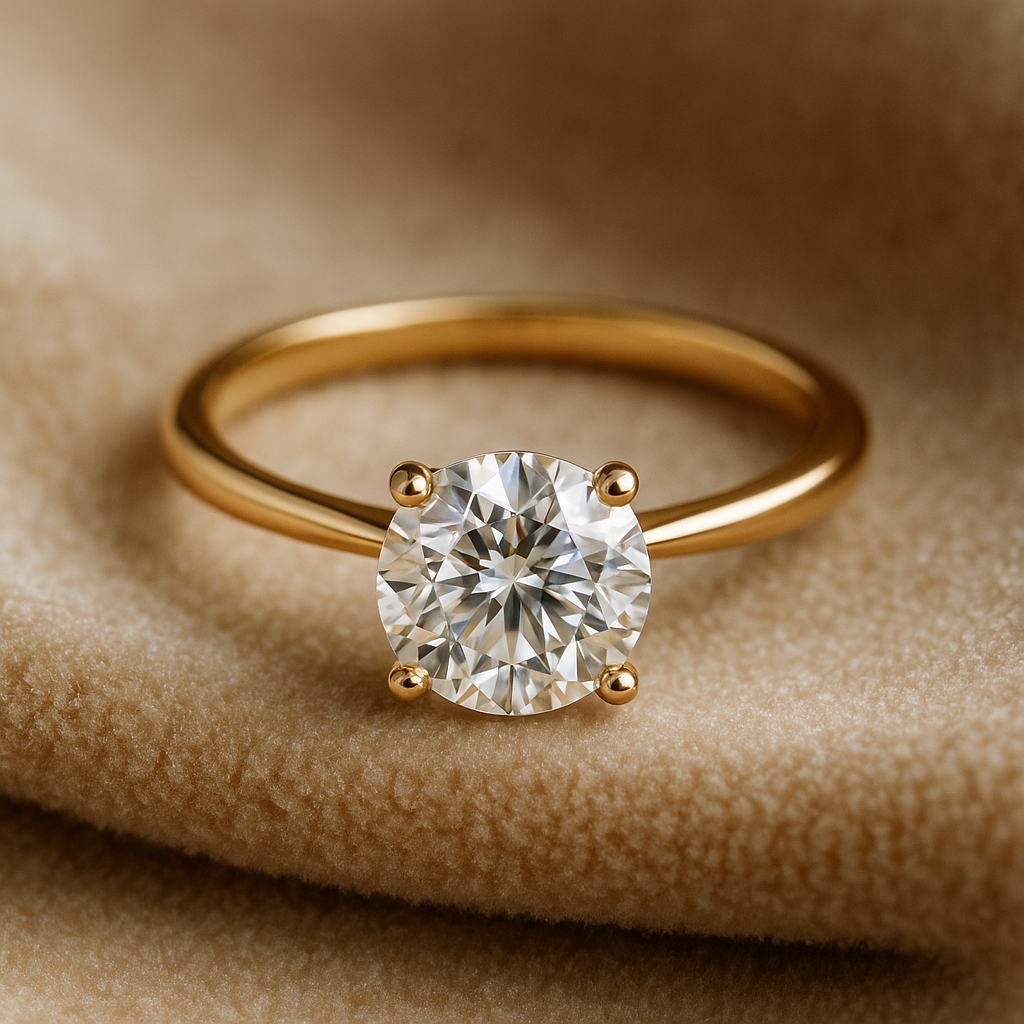
Understanding Lab-Grown Diamonds: The Future of Fine Jewelry
In recent years, lab-grown diamonds have surged in popularity, captivating consumers with their ethical and environmental advantages. As couples embark on their journey to find the perfect engagement ring, understanding the nuances between lab-grown and natural diamonds is paramount. This guide provides an in-depth look at lab-grown diamonds, their creation process, benefits, and how they compare to traditional diamonds.
What Are Lab-Grown Diamonds?
Lab-grown diamonds, also known as synthetic or cultured diamonds, are real diamonds that are created in a controlled laboratory environment using advanced technological processes. They possess the same physical, chemical, and optical properties as natural diamonds, making them a viable choice for engagement rings and fine jewelry.
The Creation Process
Lab-grown diamonds are created through two primary methods: High Pressure High Temperature (HPHT) and Chemical Vapor Deposition (CVD).
- High Pressure High Temperature (HPHT): This method mimics the natural conditions under which diamonds form in the Earth’s mantle. By applying extreme heat and pressure to carbon, a diamond crystal is formed.
- Chemical Vapor Deposition (CVD): In this process, carbon-rich gases are heated to create a plasma, allowing carbon atoms to settle and form a diamond layer over time.
Both methods yield diamonds that are chemically identical to their natural counterparts, ensuring they meet the same quality standards set by gemological institutes.
Benefits of Lab-Grown Diamonds
The increasing preference for lab-grown diamonds can be attributed to several compelling benefits:
- Ethical Sourcing: Lab-grown diamonds are conflict-free and produced without the ethical concerns associated with mining. Consumers can feel confident that their purchase does not contribute to human rights violations.
- Environmental Impact: The diamond mining process can be extremely detrimental to the environment. In contrast, lab-grown diamonds require significantly less land and energy, making them a more sustainable choice.
- Cost-Effectiveness: Lab-grown diamonds typically cost 20-40% less than natural diamonds. This price difference allows consumers to invest in higher quality stones or allocate their budgets to other aspects of their engagement rings.
- Variety and Availability: Lab-grown diamonds come in various shapes, sizes, and colors, providing customers with a diverse selection. Since they are produced in laboratories, they can be more readily available than natural diamonds which depend on mining schedules and locations.
How Do Lab-Grown Diamonds Compare to Natural Diamonds?
Understanding the differences between lab-grown and natural diamonds is crucial for informed purchasing decisions. Here are some aspects to consider:
1. Quality
Both lab-grown and natural diamonds are graded based on the Four Cs: Cut, Color, Clarity, and Carat Weight. Lab-grown diamonds can often achieve higher grades due to controlled conditions, leading to fewer inclusions and enhanced clarity.
2. Rarity
Natural diamonds are formed over billions of years, making them rare and valuable. Lab-grown diamonds can be produced in weeks, leading some to argue that they hold less intrinsic value. However, many consumers prioritize ethical and environmental factors over rarity.
3. Resale Value
Natural diamonds traditionally have a higher resale value than lab-grown diamonds due to their perceived rarity. However, as the market for lab-grown diamonds grows, resale values may stabilize. It’s essential to consider your long-term plans for the diamond when making your purchase.
FAQs about Lab-Grown Diamonds
Are lab-grown diamonds cheaper than natural diamonds?
Yes, lab-grown diamonds are generally 20-40% less expensive than their natural counterparts, allowing consumers to purchase larger or higher-quality stones within their budgets.
Can you tell the difference between lab-grown and natural diamonds?
To the untrained eye, lab-grown and natural diamonds are indistinguishable. It often takes expert gemologists, equipped with specialized tools, to identify the differences.
Do lab-grown diamonds have the same sparkle as natural diamonds?
Yes, lab-grown diamonds exhibit the same brilliance and sparkle as natural diamonds, as they have the same chemical and optical properties.
Will lab-grown diamonds hold their value?
While lab-grown diamonds may not currently hold their value like natural diamonds, their increasing popularity may lead to improvements in resale potential over time.
Conclusion: The Choice Is Yours
As you embark on your journey to find the perfect engagement ring or piece of fine jewelry, lab-grown diamonds present a compelling alternative to natural diamonds. With their ethical production, environmental benefits, and cost-effectiveness, they have become a popular choice among discerning consumers. Ultimately, the decision rests on personal values and preferences. At Celebrity Diamonds, we offer a stunning array of both lab-grown and natural diamonds to cater to every taste and budget. Make an informed choice for your love story.