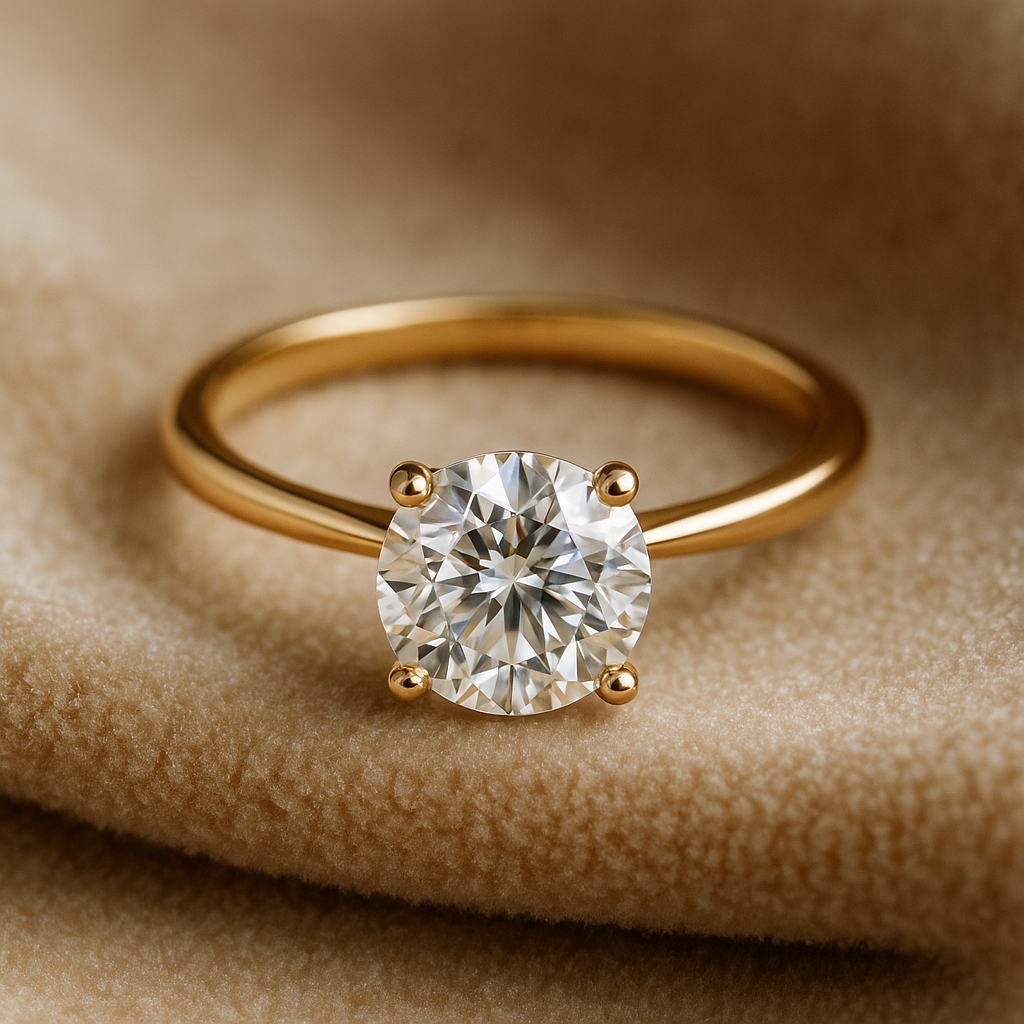

Understanding Lab-Grown Diamonds: The Future of Fine Jewelry
As consumers increasingly prioritize ethics, sustainability, and value in their purchases, lab-grown diamonds have emerged as a compelling alternative to natural diamonds. This article will explore what lab-grown diamonds are, their benefits, and how they compare to their natural counterparts.
What Are Lab-Grown Diamonds?
Lab-grown diamonds, also known as synthetic diamonds or cultured diamonds, are created in controlled environments using advanced technological processes that replicate the natural conditions under which diamonds form in the Earth. These diamonds possess the same physical, chemical, and optical properties as natural diamonds, making them virtually indistinguishable even to gemologists.
The Process of Creating Lab-Grown Diamonds
There are two primary methods for producing lab-grown diamonds: High Pressure-High Temperature (HPHT) and Chemical Vapor Deposition (CVD). Each method has its unique process, but both yield diamonds that can be graded just like natural diamonds.
- High Pressure-High Temperature (HPHT): This method mimics the natural diamond formation process by using high temperature and pressure to crystallize carbon. It creates diamonds essentially identical to those mined from the earth.
- Chemical Vapor Deposition (CVD): In this approach, a carbon-containing gas is energized to form a plasma that allows carbon atoms to deposit on a substrate, gradually growing a diamond crystal layer by layer.
Benefits of Lab-Grown Diamonds
Choosing a lab-grown diamond offers several advantages for modern consumers:
- Ethical Sourcing: Lab-grown diamonds are produced in a controlled environment, eliminating concerns about conflict stones and unethical mining practices.
- Sustainability: These diamonds have a lower environmental impact compared to traditional mining, which involves extensive land disruption and ecological damage.
- Cost-effectiveness: Lab-grown diamonds typically cost 20-40% less than natural diamonds of similar size and quality, allowing consumers to purchase larger or higher-quality stones without breaking the bank.
- Identical Properties: Lab-grown diamonds are chemically and physically identical to natural diamonds, offering the same brilliance, fire, and durability.
Comparing Lab-Grown and Natural Diamonds
When considering which type of diamond to purchase, it’s essential to understand the key differences:
- Origin: Natural diamonds are formed over millions of years deep within the Earth, while lab-grown diamonds are created in weeks or months in a lab.
- Value Retention: Natural diamonds have historically held their value and can appreciate over time. Lab-grown diamonds, while less expensive, might not retain value in the same way.
- Appraisal and Grading: Both types of diamonds can be appraised and graded based on the 4Cs—Cut, Color, Clarity, and Carat weight—ensuring that buyers can make informed decisions.
Frequently Asked Questions
Are lab-grown diamonds less valuable than natural diamonds?
Generally, yes. Lab-grown diamonds tend to have a lower resale value compared to natural diamonds. However, they offer comparable quality and beauty at a much lower retail price.
How can I tell if a diamond is lab-grown or natural?
While lab-grown diamonds are visually and chemically identical to natural diamonds, jewelers can use specialized equipment to detect growth patterns and inclusions unique to lab-created stones.
Do lab-grown diamonds have the same warranty as natural diamonds?
Many jewelers offer warranties and guarantees for lab-grown diamonds that are similar to those for natural diamonds, including options for resizing and repairs.
What are the environmental impacts of lab-grown diamonds?
Lab-grown diamonds generally have a lower environmental footprint compared to traditional diamond mining, resulting in less land disruption and ecological damage.
Are lab-grown diamonds a good choice for engagement rings?
Absolutely! Lab-grown diamonds are an excellent choice for engagement rings due to their ethical sourcing, affordability, and identical appearance to natural diamonds.
Conclusion: The Choice is Yours
In conclusion, lab-grown diamonds offer a modern, ethical, and cost-effective alternative to natural diamonds. As consumers become more conscious of their purchasing decisions, understanding the differences and benefits of lab-grown diamonds can empower you to make a choice that aligns with your values and budget. Whether for an engagement ring or a piece of fine jewelry, lab-grown diamonds are undeniably a significant part of the future of the diamond industry.