
Understanding Lab-Grown Diamonds: The Smart Choice for You
In recent years, lab-grown diamonds have gained significant popularity among consumers seeking ethical, affordable, and exquisite options for engagement rings and fine jewelry. As a responsible jewelry brand, Celebrity Diamonds aims to provide clear, informative insights into lab-grown diamonds to help you make an informed decision.
What Are Lab-Grown Diamonds?
Lab-grown diamonds, also known as synthetic or cultured diamonds, are created in controlled environments using advanced technology that replicates the natural diamond formation process. While their origins differ, they share the same physical, chemical, and optical properties as natural diamonds.
The Process Behind Lab-Grown Diamonds
Lab-grown diamonds are produced through two main methods: High Pressure High Temperature (HPHT) and Chemical Vapor Deposition (CVD). Both techniques create diamonds that are virtually identical to their mined counterparts.
High Pressure High Temperature (HPHT)
This method mimics the natural conditions under which diamonds form. By applying extreme pressure and heat to carbon sources, manufacturers can grow diamonds that are authentic in every way.
Chemical Vapor Deposition (CVD)
CVD involves introducing carbon-rich gases into a vacuum chamber, allowing them to crystallize into diamonds over time. This method is often favored for its efficiency and precision.
Benefits of Choosing Lab-Grown Diamonds
For many consumers, lab-grown diamonds present numerous advantages, making them a compelling option for engagement rings and other fine jewelry:
1. Ethical Considerations
Lab-grown diamonds are often seen as a more ethical choice. There are no concerns regarding conflict diamonds or unethical mining practices, ensuring your purchase promotes responsible sourcing.
2. Cost-Effectiveness
On average, lab-grown diamonds are 20-40% less expensive than natural diamonds. This cost reduction allows consumers to purchase larger or higher quality stones for the same budget.
3. Environmental Impact
Creating lab-grown diamonds has a significantly lower environmental footprint compared to traditional diamond mining. The latter can involve extensive land disruption and ecosystem harm.
4. Quality and Variety
Lab-grown diamonds are available in a wide range of colors, shapes, and sizes. Additionally, they can be produced to meet specific clarity and quality standards.
How Lab-Grown Diamonds Compare to Natural Diamonds
When comparing lab-grown diamonds to natural diamonds, both options have unique qualities worth considering:
1. Appearance
Both lab-grown and natural diamonds can be stunning. They are graded using the same criteria: the 4Cs—Cut, Color, Clarity, and Carat. Ultimately, the appearance is indistinguishable to the naked eye.
2. Value Retention
Natural diamonds typically hold their value better than lab-grown diamonds. While lab-grown diamonds are less expensive, they may not appreciate at the same rate as natural ones.
3. Certification
Both types of diamonds can be certified by reputable gemological institutes. Look for certifications from the Gemological Institute of America (GIA) or the International Gemological Institute (IGI) to ensure authenticity.
Common Myths About Lab-Grown Diamonds
Despite their growing acceptance, a few myths persist about lab-grown diamonds. Let’s debunk some of the most common misconceptions:
Myth 1: Lab-Grown Diamonds Are Fake
This notion is incorrect. Lab-grown diamonds are real diamonds, made of the same carbon structure as natural diamonds.
Myth 2: Lab-Grown Diamonds Lack Value
While they are less expensive, lab-grown diamonds are still valuable, especially for their ethical sourcing and environmental benefits.
Myth 3: They’re Inferior Quality
Lab-grown diamonds can be of equal or superior quality to natural diamonds. The technology used allows for precise control over the diamond growth, often resulting in fewer inclusions.
Choosing the Right Lab-Grown Diamond for Your Engagement Ring
When selecting a lab-grown diamond for an engagement ring, consider the following factors:
1. Educate Yourself on the 4Cs
Understanding Cut, Color, Clarity, and Carat will empower you to choose the diamond that best fits your preferences and budget.
2. Set a Budget
Even with reduced costs, it’s important to determine how much you are comfortable spending.
3. Explore Designs
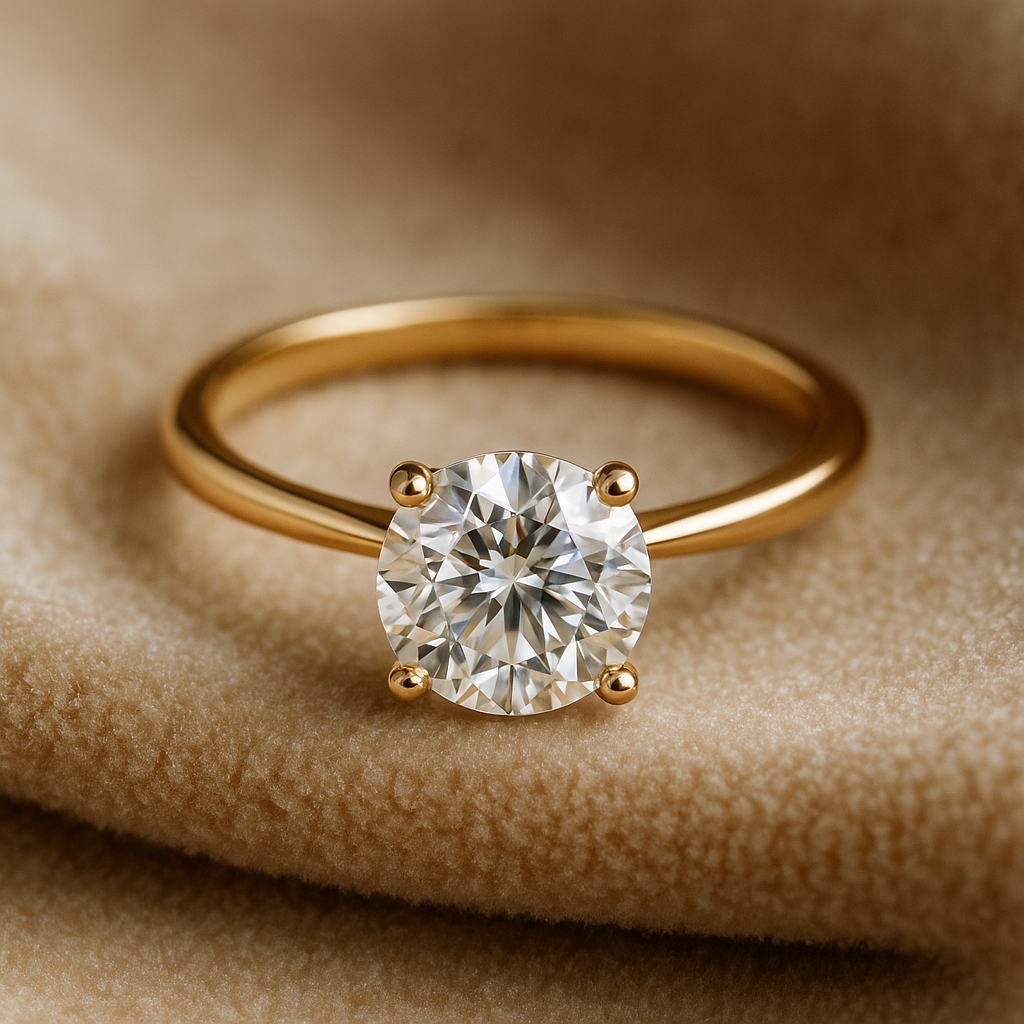
Lab-grown diamonds can be set in a variety of ring styles, from classic solitaires to intricate halo settings. Consider what appeals to you and your partner’s tastes.
Frequently Asked Questions about Lab-Grown Diamonds
Are lab-grown diamonds more ethical than natural diamonds?
Yes, lab-grown diamonds are generally considered more ethical as they eliminate concerns related to conflict diamonds and exploitative mining practices.
Do lab-grown diamonds lose their value?
Lab-grown diamonds do not typically appreciate in value the way natural diamonds may; however, they are still valuable and provide excellent options for consumers.
Can I resell my lab-grown diamond?
Yes, you can resell a lab-grown diamond. However, resale value may be lower than that of a natural diamond.
How can I ensure my lab-grown diamond is genuine?
Purchase from reputable jewelers and seek certification from recognized gemological institutes like the GIA or IGI.
Conclusion
Lab-grown diamonds represent a modern solution for those seeking beautiful, ethical, and affordable options in fine jewelry. At Celebrity Diamonds, we offer a stunning collection of lab-grown diamonds that are perfect for your engagement ring or other significant pieces. Embrace the future of jewelry with confidence and make a choice that aligns with your values and aesthetic preferences.