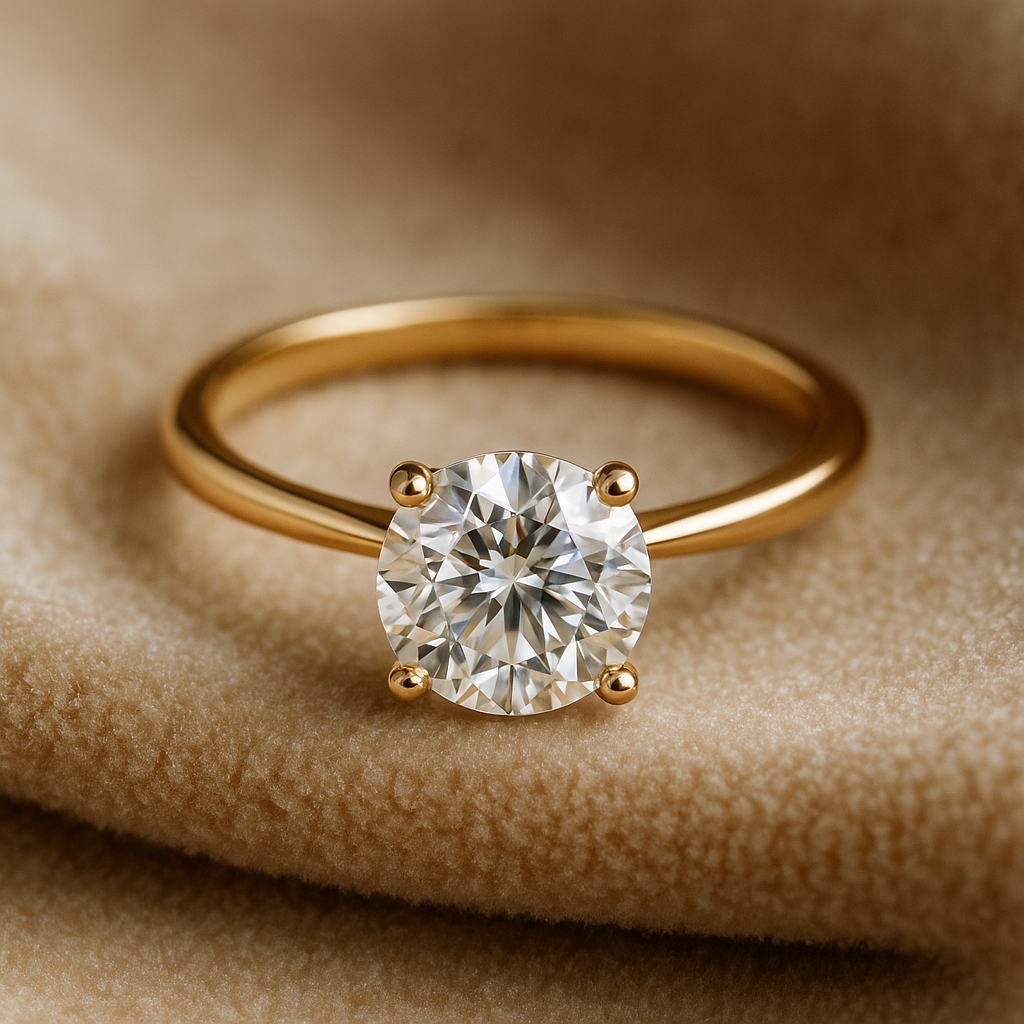
Why Lab-Grown Diamonds Are the Future of Fine Jewelry
In the ever-evolving world of fine jewelry, lab-grown diamonds are carving out a significant niche that resonates with modern consumers. As engagement rings become a symbol of love and commitment, the choice between lab-grown and natural diamonds is more relevant than ever. In this article, we explore what lab-grown diamonds are, their benefits, and how they stack up against their natural counterparts.
What Are Lab-Grown Diamonds?
Lab-grown diamonds, also known as synthetic diamonds or cultured diamonds, are diamonds that are created in controlled environments using advanced technological processes that replicate how natural diamonds are formed beneath the Earth’s surface. These diamonds are chemically, physically, and optically identical to natural diamonds, boasting the same brilliance and beauty.
The Process of Creating Lab-Grown Diamonds
There are two primary methods for creating lab-grown diamonds: High Pressure High Temperature (HPHT) and Chemical Vapor Deposition (CVD). Each method has its unique characteristics and results in diamonds that are virtually indistinguishable from natural stones.
High Pressure High Temperature (HPHT)
The HPHT method mimics the conditions under which natural diamonds form. Carbon is subjected to extreme pressure and temperature, resulting in the crystallization of diamond structures. This method produces high-quality diamonds that are suitable for all types of jewelry.
Chemical Vapor Deposition (CVD)
CVD involves placing a diamond seed into a chamber filled with carbon-rich gases. The gases are heated, and the carbon atoms deposit onto the seed, layer by layer, until a diamond crystal forms. This technique allows for greater control over the diamond’s growth and can produce larger stones with fewer impurities.
Benefits of Choosing Lab-Grown Diamonds
Consumers are increasingly turning to lab-grown diamonds for various reasons. Here are some of the most compelling benefits:
1. Ethical Sourcing
One of the primary advantages of lab-grown diamonds is their ethical sourcing. Unlike some natural diamonds, which may be linked to conflict zones, lab-grown diamonds are created in safe, controlled environments, ensuring that no human rights violations are involved in their production.
2. Environmental Impact
The environmental footprint of lab-grown diamonds is significantly lower compared to natural diamond mining. Diamond mining can lead to habitat destruction and pollution, while lab-grown diamonds require far fewer resources and generate less environmental disruption.
3. Cost-Effectiveness
Lab-grown diamonds typically cost 20-40% less than natural diamonds of similar quality. This cost advantage allows consumers to either save money or purchase larger, higher-quality stones without breaking the bank.
4. Quality and Variety
Lab-grown diamonds can often be produced with fewer inclusions and better color grades compared to natural diamonds. This means that consumers have access to a wider variety of options, ensuring they find the perfect stone for their needs.
Comparing Lab-Grown and Natural Diamonds
When it comes to choosing between lab-grown and natural diamonds, many consumers are left wondering which option is better. Here’s a comparison to help guide your decision:
1. Appearance
Both lab-grown and natural diamonds exhibit the same aesthetic qualities. They both possess the same brilliance, sparkle, and durability, making them indistinguishable to the untrained eye.
2. Resale Value
Natural diamonds generally have a higher resale value than lab-grown diamonds, primarily due to their rarity. If you are concerned about investment value, a natural diamond might be the better choice. However, the gap between the two is narrowing as lab-grown diamonds gain popularity.
3. Sentimental Value
For some, the sentiment attached to a natural diamond can hold significant emotional weight, as these stones come from the Earth and have a unique geological history. Conversely, lab-grown diamonds come with a modern narrative that appeals to a new generation of consumers.
Frequently Asked Questions (FAQ)
Are lab-grown diamonds real diamonds?
Yes, lab-grown diamonds are real diamonds. They share the same physical, chemical, and optical properties as natural diamonds.
How can I tell if a diamond is lab-grown or natural?
The only way to distinguish between lab-grown and natural diamonds is through specialized gemological equipment. Most lab-grown diamonds will come with a grading report that indicates their origin.
Do lab-grown diamonds lose value?
Lab-grown diamonds tend to depreciate faster than natural diamonds, given their availability and the growing market. However, their lower initial cost can offset this consideration.
Can lab-grown diamonds be certified?
Yes, lab-grown diamonds can be certified by reputable gemological laboratories. Just like natural diamonds, they can receive grades for cut, color, clarity, and carat weight.
Conclusion: The Choice is Yours
As the jewelry industry continues to evolve, lab-grown diamonds present a modern, ethical, and cost-effective alternative to natural diamonds. Whether you prioritize environmental sustainability, ethical sourcing, or value for money, lab-grown diamonds offer a compelling choice for your engagement ring or fine jewelry. Ultimately, the decision between lab-grown and natural diamonds comes down to personal preference and values. Whichever option you choose, you can be confident that you are selecting a beautiful symbol of love and commitment.