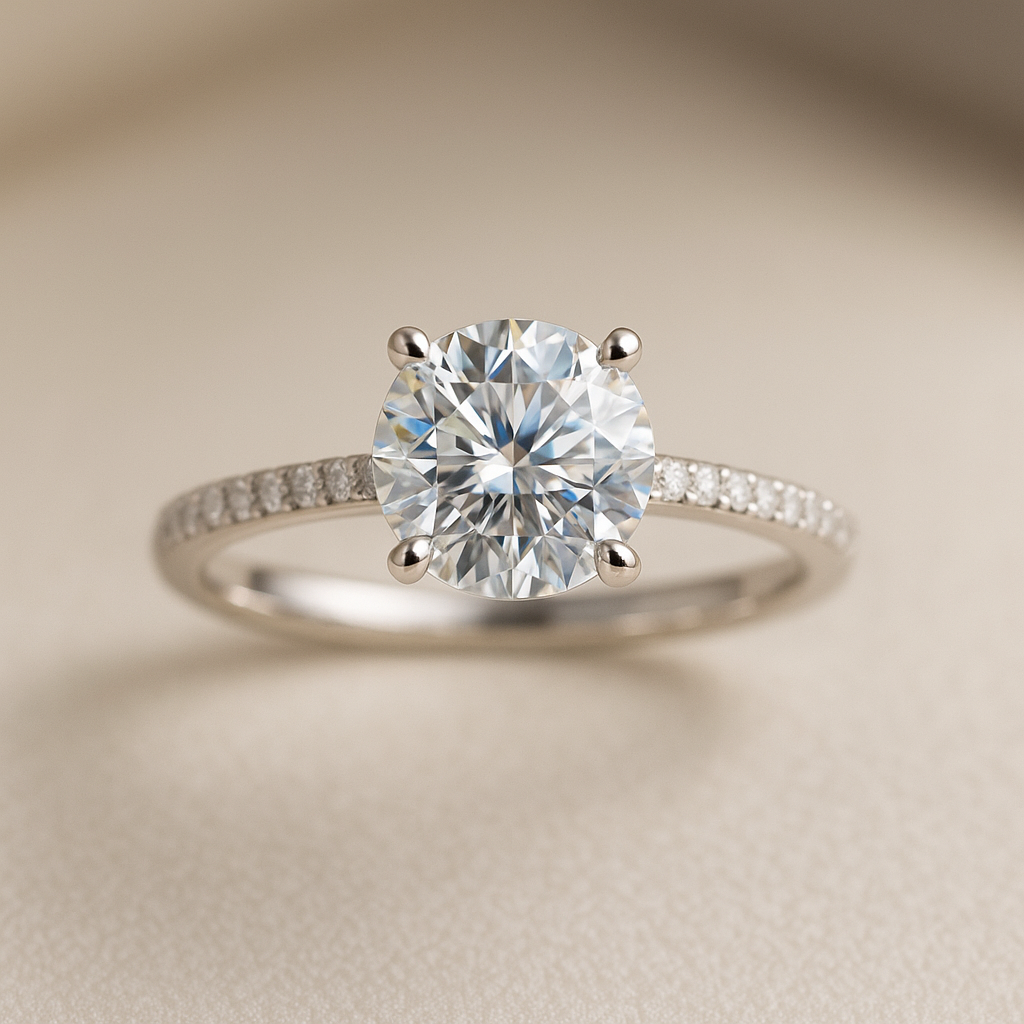
Understanding Lab-Grown Diamonds: The Modern Choice for Engagement Rings
As consumers become increasingly discerning about their purchases, lab-grown diamonds have emerged as a modern and ethical alternative to mined diamonds. In this comprehensive guide, we will delve into what lab-grown diamonds are, how they are created, and their benefits over natural diamonds, helping you make an informed decision when shopping for your engagement ring or fine jewelry.
What Are Lab-Grown Diamonds?
Lab-grown diamonds, also known as synthetic or cultured diamonds, are real diamonds that are created in controlled laboratory environments. They possess the same physical and chemical properties as natural diamonds, with the only difference being their origin. While mined diamonds are formed over millions of years deep within the Earth, lab-grown diamonds are produced in a matter of weeks.
How Are Lab-Grown Diamonds Made?
There are two primary methods for creating lab-grown diamonds: the High Pressure High Temperature (HPHT) method and the Chemical Vapor Deposition (CVD) method.
1. High Pressure High Temperature (HPHT)
HPHT mimics the natural conditions under which diamonds form, applying high pressure and high temperature to carbon. This process results in the formation of diamonds that are virtually identical to their mined counterparts.
2. Chemical Vapor Deposition (CVD)
CVD involves breaking down carbon-rich gases into carbon atoms, which then crystallize on a substrate to form diamond. This method allows for more control over the diamond’s characteristics, resulting in a range of colors and sizes.
The Benefits of Lab-Grown Diamonds
Choosing a lab-grown diamond comes with a range of benefits that appeal to modern consumers:
1. Ethical Sourcing
Lab-grown diamonds eliminate concerns about conflict diamonds and unethical mining practices. By opting for a lab-grown diamond, you can be assured that your purchase is contributing to sustainable and ethical practices.
2. Cost-Effectiveness
Lab-grown diamonds typically cost 20-40% less than natural diamonds of comparable quality. This cost savings allows consumers to purchase larger or higher-quality diamonds without exceeding their budget.
3. Environmental Impact
The environmental impact of diamond mining is significant, often leading to habitat destruction and pollution. Lab-grown diamonds, on the other hand, require less land and resources, making them a more environmentally friendly choice.
4. Quality and Variety
Lab-grown diamonds are available in a wide range of colors and sizes, often with fewer inclusions than their natural counterparts. This gives consumers more options to choose from when selecting the perfect ring.
Lab-Grown vs. Natural Diamonds: What You Need to Know
While both lab-grown and natural diamonds share the same physical properties, there are key differences that consumers should consider:
1. Value Retention
Natural diamonds have historically held their value well, while lab-grown diamonds may depreciate more quickly. However, as the market for lab-grown diamonds evolves, this may change.
2. Sentimental Value
For some, the romantic notion of a natural diamond’s journey from the earth adds sentimental value that cannot be replicated. For others, the ethical and environmental advantages of lab-grown diamonds take precedence.
Frequently Asked Questions
Are lab-grown diamonds real diamonds?
Yes, lab-grown diamonds are real diamonds. They have the same physical, chemical, and optical properties as natural diamonds.
How can I tell the difference between a lab-grown diamond and a natural diamond?
While they appear identical to the naked eye, a gemologist can determine the difference using advanced testing techniques, such as photoluminescence and spectroscopy.
Do lab-grown diamonds look different from natural diamonds?
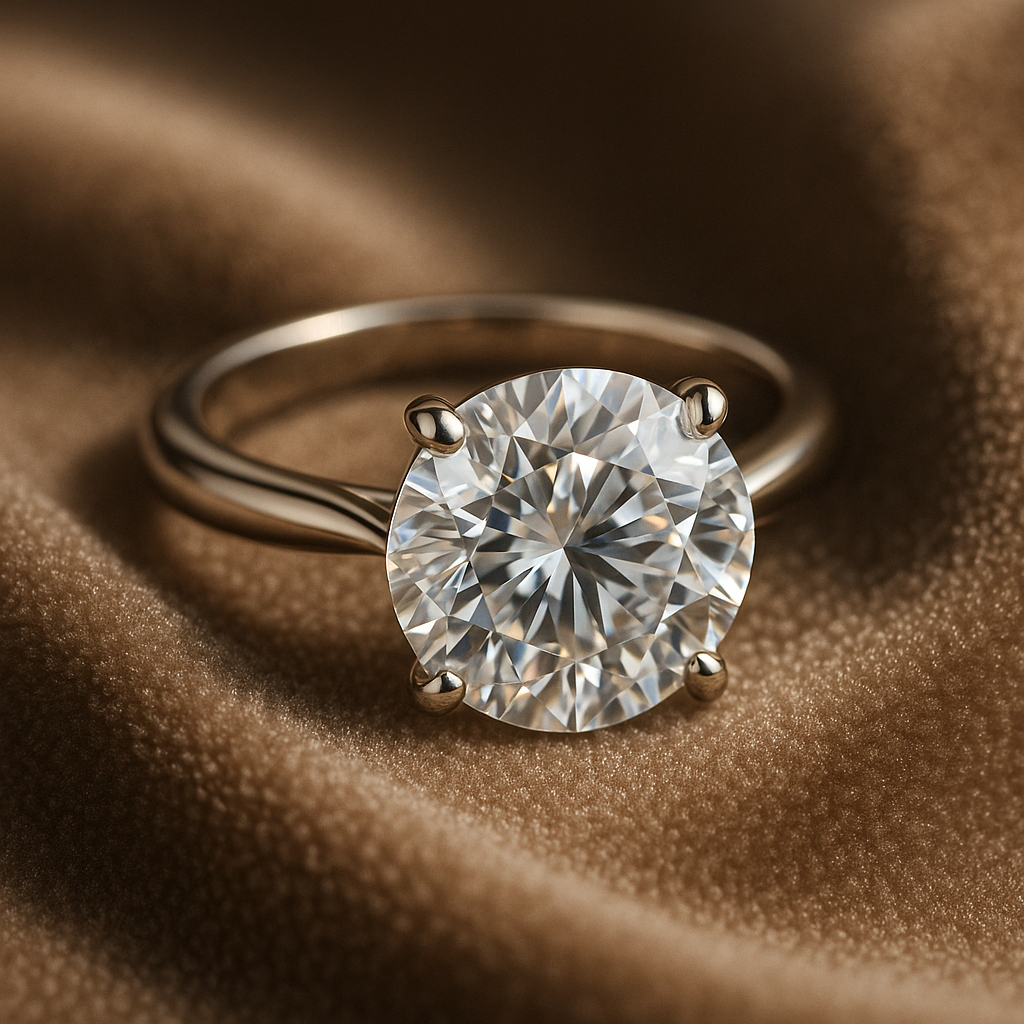
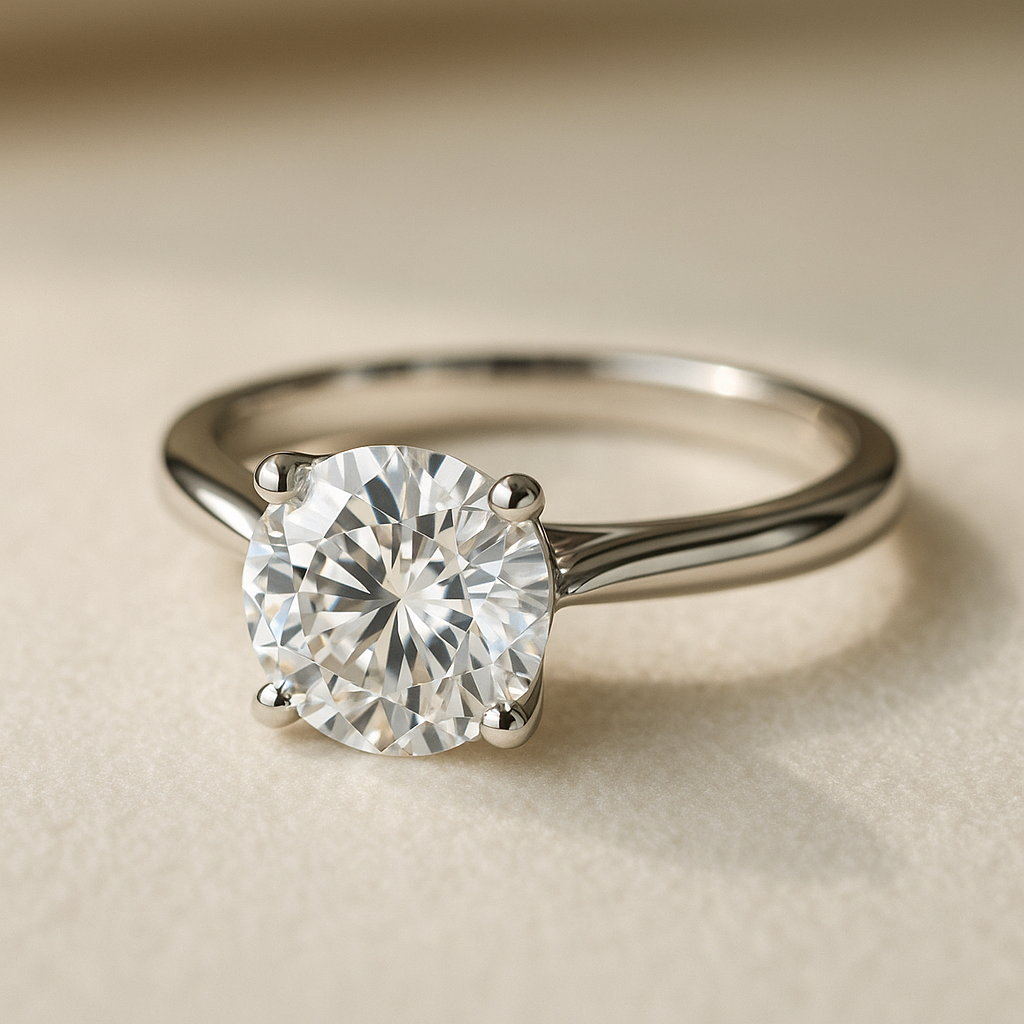
No, lab-grown diamonds look the same as natural diamonds. Both types can be cut and polished to meet the same standards of brilliance and beauty.
Can lab-grown diamonds be resold?
Yes, lab-grown diamonds can be resold, but their resale value may differ from that of natural diamonds. It’s essential to research the current market trends before selling.
Are lab-grown diamonds more environmentally friendly?
Yes, lab-grown diamonds are generally considered more environmentally friendly due to the reduced environmental impact associated with their production compared to traditional mining.
Conclusion
Lab-grown diamonds represent a modern, ethical choice for consumers looking for engagement rings and fine jewelry. With their comparable quality, cost savings, and minimal environmental impact, they challenge the traditional diamond market while offering consumers a responsible option. Whether you prioritize sustainability, budget, or quality, lab-grown diamonds provide a valuable alternative that meets the needs of today’s conscientious shoppers.