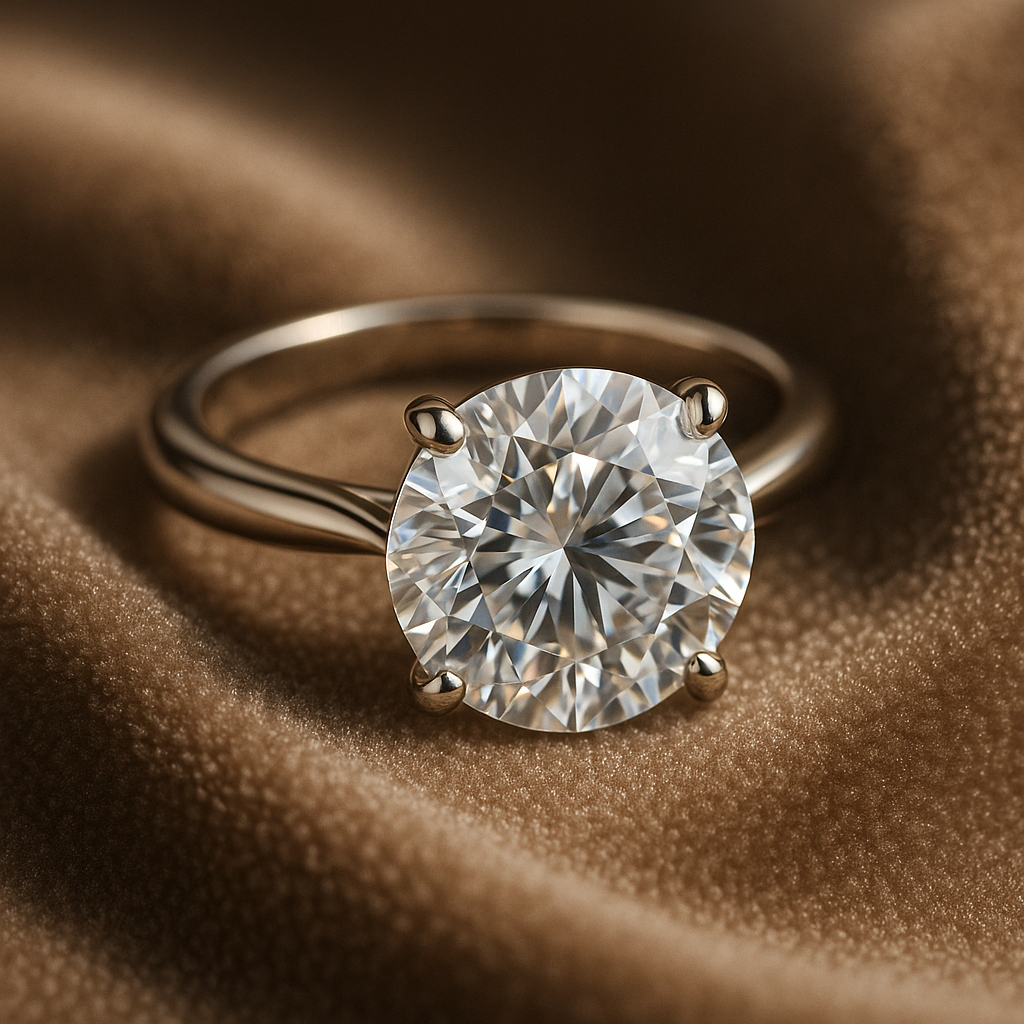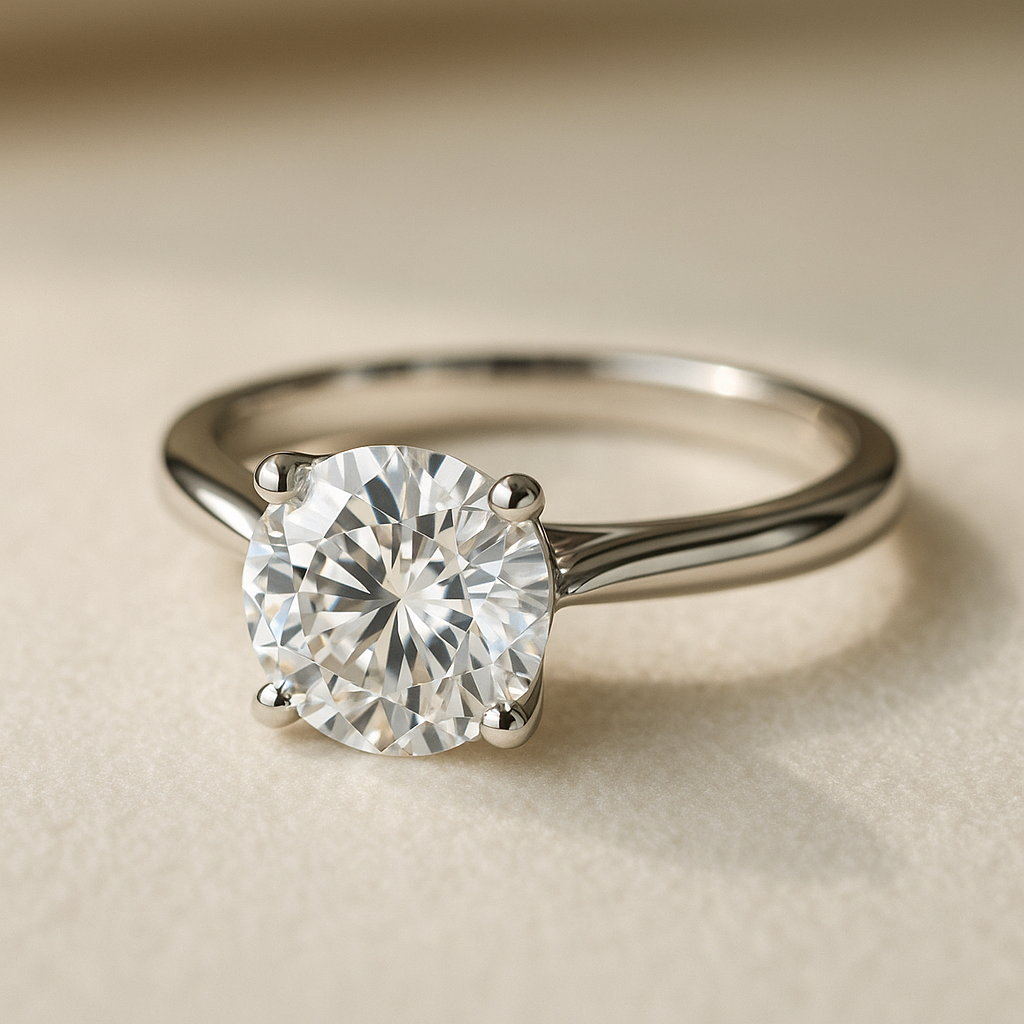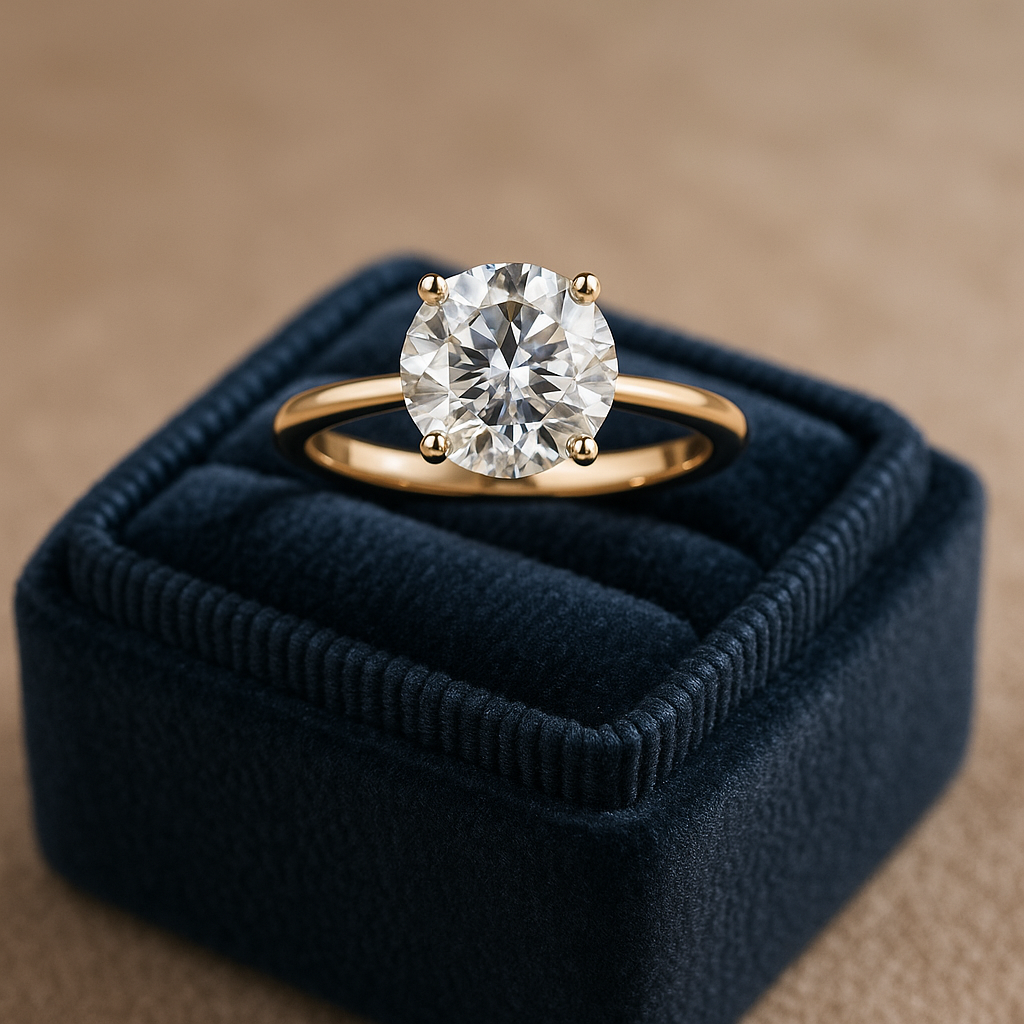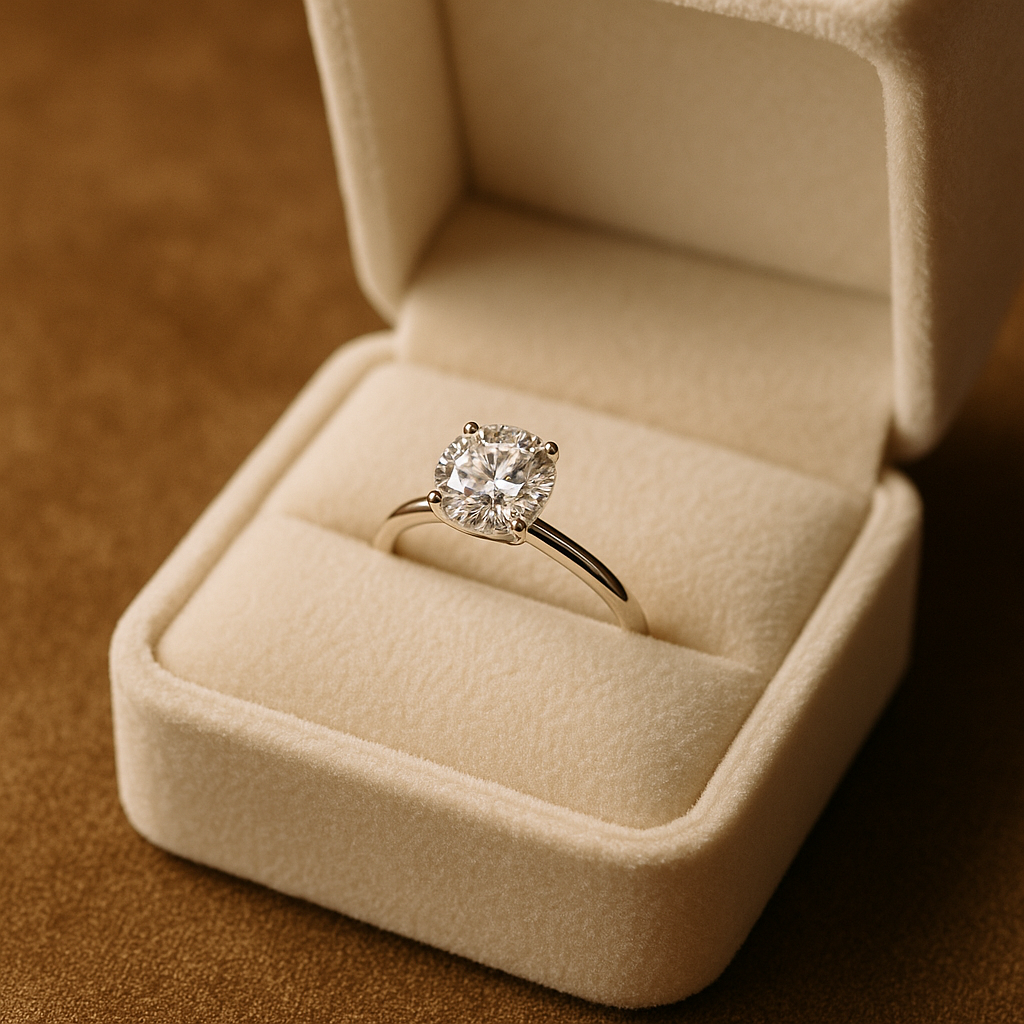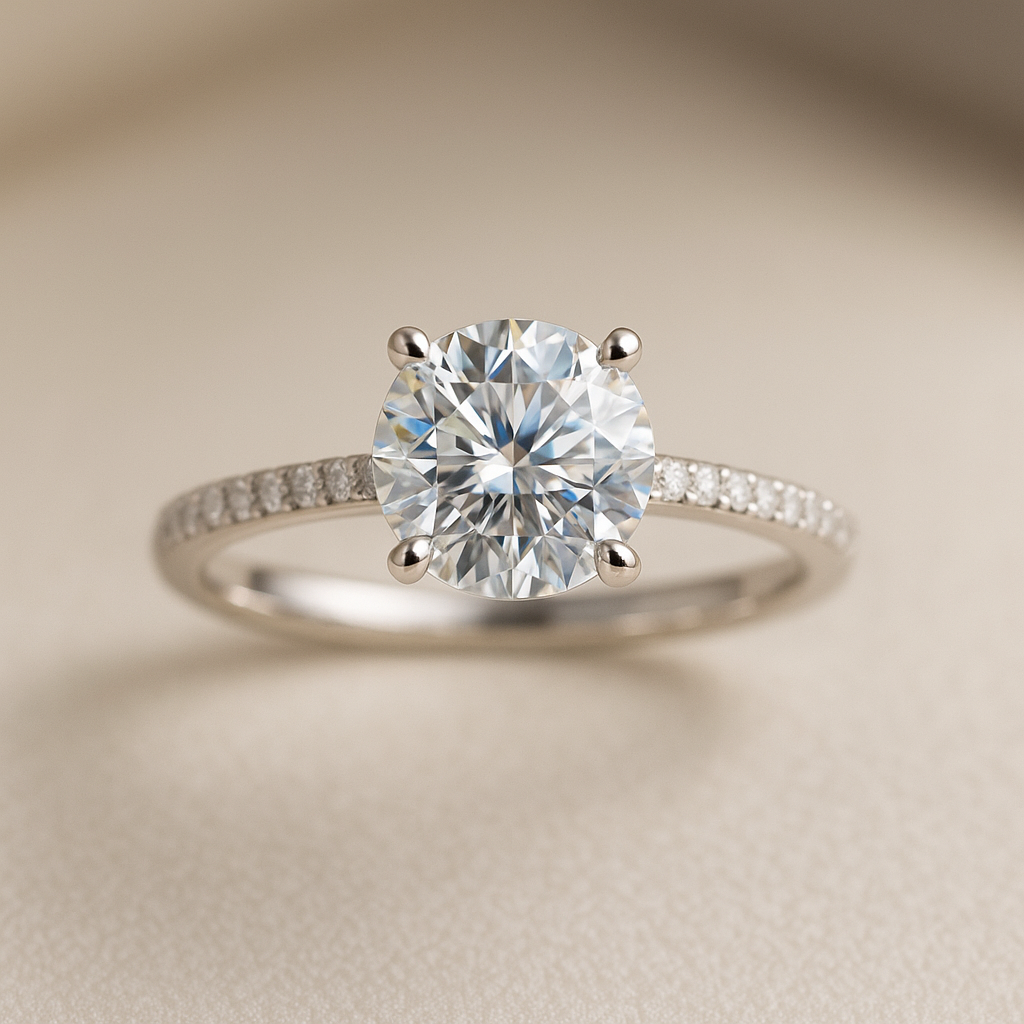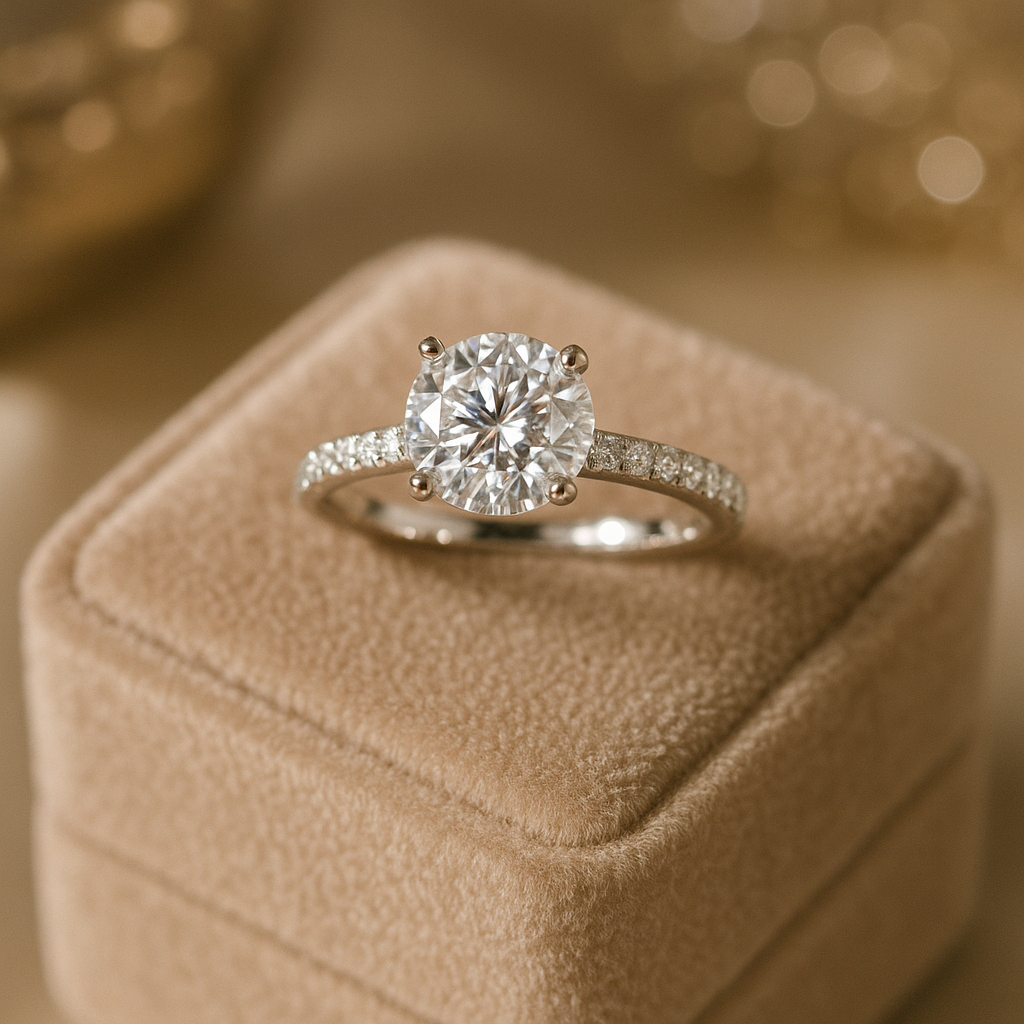

Understanding Lab-Grown Diamonds: The Modern Choice for Engagement Rings
As couples embark on the journey of selecting the perfect engagement ring, the choice between lab-grown diamonds and natural diamonds often arises. This article explores the intricacies of lab-grown diamonds, highlighting their benefits, environmental impact, and why they are becoming a preferred choice for many.
What Are Lab-Grown Diamonds?
Lab-grown diamonds, also known as synthetic or cultivated diamonds, are created in controlled laboratory environments using advanced technological processes that mimic the conditions under which natural diamonds form in the Earth’s mantle. These diamonds possess the same physical, chemical, and optical properties as natural diamonds, making them virtually indistinguishable from their mined counterparts.
The Process of Creating Lab-Grown Diamonds
There are two primary methods for creating lab-grown diamonds: High Pressure High Temperature (HPHT) and Chemical Vapor Deposition (CVD).
- High Pressure High Temperature (HPHT): This method simulates the natural diamond formation process by using high pressure and temperature to turn carbon into diamond. It typically results in diamonds that are similar in composition to natural diamonds.
- Chemical Vapor Deposition (CVD): This technique involves heating a gas mixture that contains carbon, which then deposits onto a substrate, gradually forming diamond crystals. CVD diamonds often have fewer impurities and can be grown in a variety of colors.
Benefits of Lab-Grown Diamonds
Lab-grown diamonds come with a range of advantages that appeal to modern consumers:
- Cost-Effectiveness: Lab-grown diamonds are typically 20-40% less expensive than natural diamonds of similar size and quality, allowing couples to invest in larger stones or higher-quality options without breaking the bank.
- Ethical Assurance: One of the biggest concerns in the diamond industry is the sourcing of natural diamonds, which can sometimes be linked to conflict zones. Lab-grown diamonds provide a conflict-free alternative, giving consumers peace of mind about their purchase.
- Sustainability: The environmental impact of mining natural diamonds is significant, from land disruption to ecosystem damage. Lab-grown diamonds, on the other hand, require far less energy and water to produce, making them a more sustainable choice.
- Quality and Variety: Lab-grown diamonds can be produced in a range of colors and clarity levels, offering consumers a wider selection. Additionally, they are often free from inclusions and imperfections, leading to higher quality stones.
The Misconception of Value
One common misconception is that lab-grown diamonds lack value compared to natural diamonds. While it’s true that lab-grown diamonds generally have a lower resale value, their worth does not exclusively come from potential resale. The emotional significance attached to an engagement ring, regardless of its origin, is paramount. Many couples appreciate lab-grown diamonds not just for their beauty, but for their ethical and financial advantages.
Choosing the Right Lab-Grown Diamond
When selecting a lab-grown diamond, keep in mind the same criteria you would for natural diamonds:
- Cut: The cut influences how well a diamond reflects light. A well-cut diamond will sparkle beautifully.
- Color: Lab-grown diamonds come in a variety of colors, from colorless to shades of blue, yellow, and pink. Consider your personal preference and style.
- Clarity: This refers to the presence of internal or external flaws. Higher clarity grades indicate fewer issues.
Lab-Grown Diamonds vs. Natural Diamonds: A Side-by-Side Comparison
| Factor | Lab-Grown Diamonds | Natural Diamonds |
|---|---|---|
| Origin | Created in a lab | Formed naturally over millions of years |
| Price | 20-40% less expensive | Higher due to rarity |
| Environmental Impact | Lower impact | Higher impact from mining |
| Ethical Concerns | Conflict-free | Potential for conflict diamonds |
| Resale Value | Generally lower | Higher, but market-dependent |
FAQs about Lab-Grown Diamonds
Are lab-grown diamonds real diamonds?
Yes, lab-grown diamonds are real diamonds. They have the same chemical composition and physical properties as natural diamonds.
How can I tell if a diamond is lab-grown or natural?
Lab-grown diamonds can be identified using specialized equipment. Most reputable jewelers provide gemological certificates that indicate whether a diamond is lab-grown or natural.
Do lab-grown diamonds hold their value?
Lab-grown diamonds typically have a lower resale value than natural diamonds. However, their value lies more in their ethical production and affordability than in potential resale.
Can I customize a lab-grown diamond engagement ring?
Absolutely! Many jewelers offer customizable options for lab-grown diamond engagement rings, allowing you to choose your preferred setting, band, and diamond specifications.
Where can I buy lab-grown diamonds?
Lab-grown diamonds are available at a variety of retailers, both online and in-store. Ensure you choose a reputable retailer that provides certification for your diamond.
Conclusion: The Future of Diamonds
As consumer awareness about ethical sourcing and environmental sustainability continues to grow, lab-grown diamonds are poised to become a staple in the jewelry market. They offer an alluring combination of beauty, affordability, and ethical assurance that resonates with a modern audience. Choosing a lab-grown diamond for your engagement ring is not only a personal choice but also a step toward a more sustainable future in the jewelry industry.