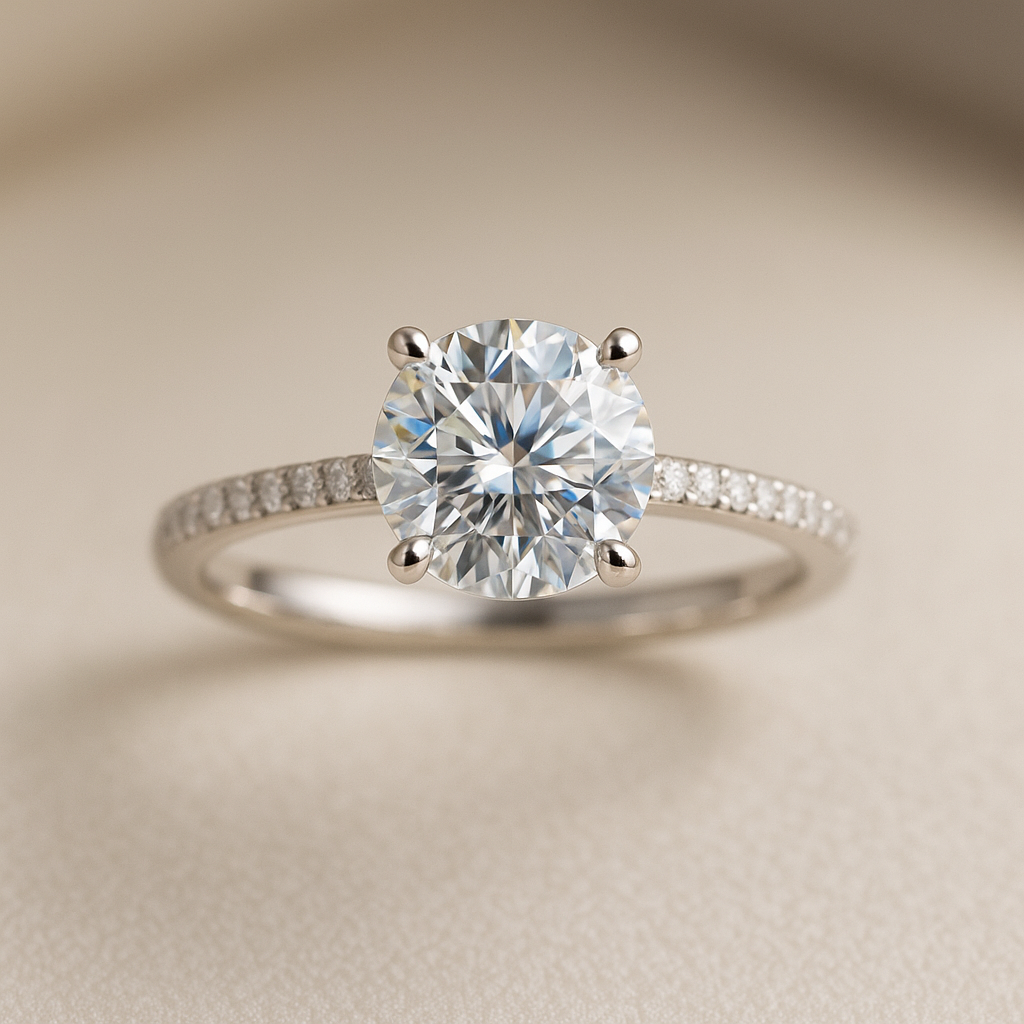
Understanding Lab-Grown Diamonds: A Modern Choice for Engagement Rings
As the world of fine jewelry continues to evolve, lab-grown diamonds have emerged as a popular alternative to their natural counterparts. This article aims to provide you with a comprehensive understanding of lab-grown diamonds, their benefits, and why they can be an excellent choice for engagement rings.
What Are Lab-Grown Diamonds?
Lab-grown diamonds, also known as synthetic or cultured diamonds, are diamonds that are created in controlled laboratory environments using advanced technologies that replicate the natural diamond formation process. These diamonds possess the same physical, chemical, and optical properties as natural diamonds, making them indistinguishable to the untrained eye.
The Process of Creating Lab-Grown Diamonds
Lab-grown diamonds are produced through two main processes:
- High Pressure High Temperature (HPHT): This method mimics the natural process by replicating the high pressure and temperature conditions found deep within the Earth. Carbon is placed in a chamber and subjected to extreme heat and pressure until it crystallizes into diamond.
- Chemical Vapor Deposition (CVD): In this method, a carbon-rich gas is ionized to form carbon plasma, which then deposits on a substrate, gradually building up a diamond crystal layer by layer.
Benefits of Choosing Lab-Grown Diamonds
Making the decision to choose a lab-grown diamond for your engagement ring comes with several noteworthy advantages:
1. Cost-Effectiveness
One of the most significant benefits of lab-grown diamonds is their affordability. Typically, lab-grown diamonds are 20-40% less expensive than natural diamonds, allowing consumers to get more value for their money.
2. Ethical Considerations
Lab-grown diamonds are an ethical choice for consumers concerned about the environmental and social impact of diamond mining. They are created in a controlled setting, which eliminates many of the concerns associated with conflict diamonds.
3. Eco-Friendly Option
Production of lab-grown diamonds generally requires fewer natural resources and has a lower environmental impact than traditional mining, making them a more sustainable option that appeals to environmentally conscious shoppers.
4. Identical Quality and Beauty
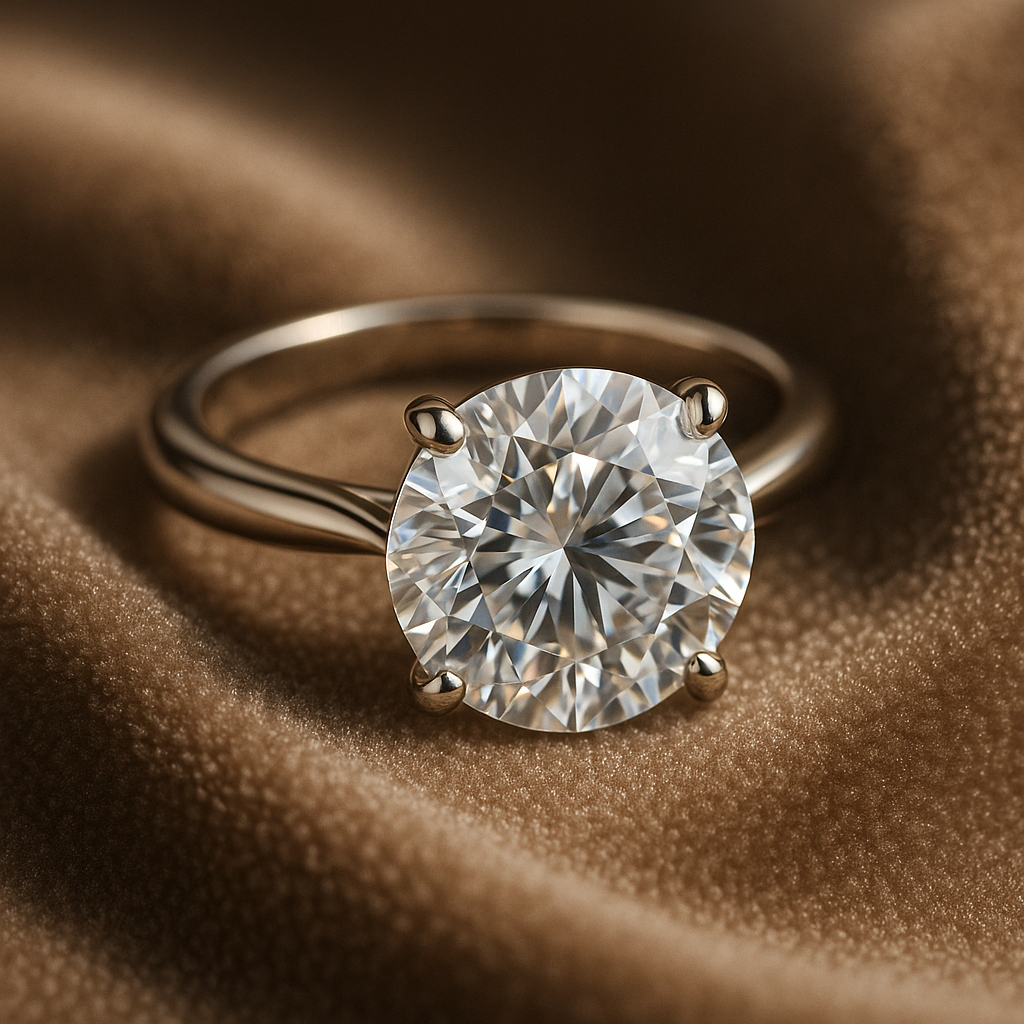
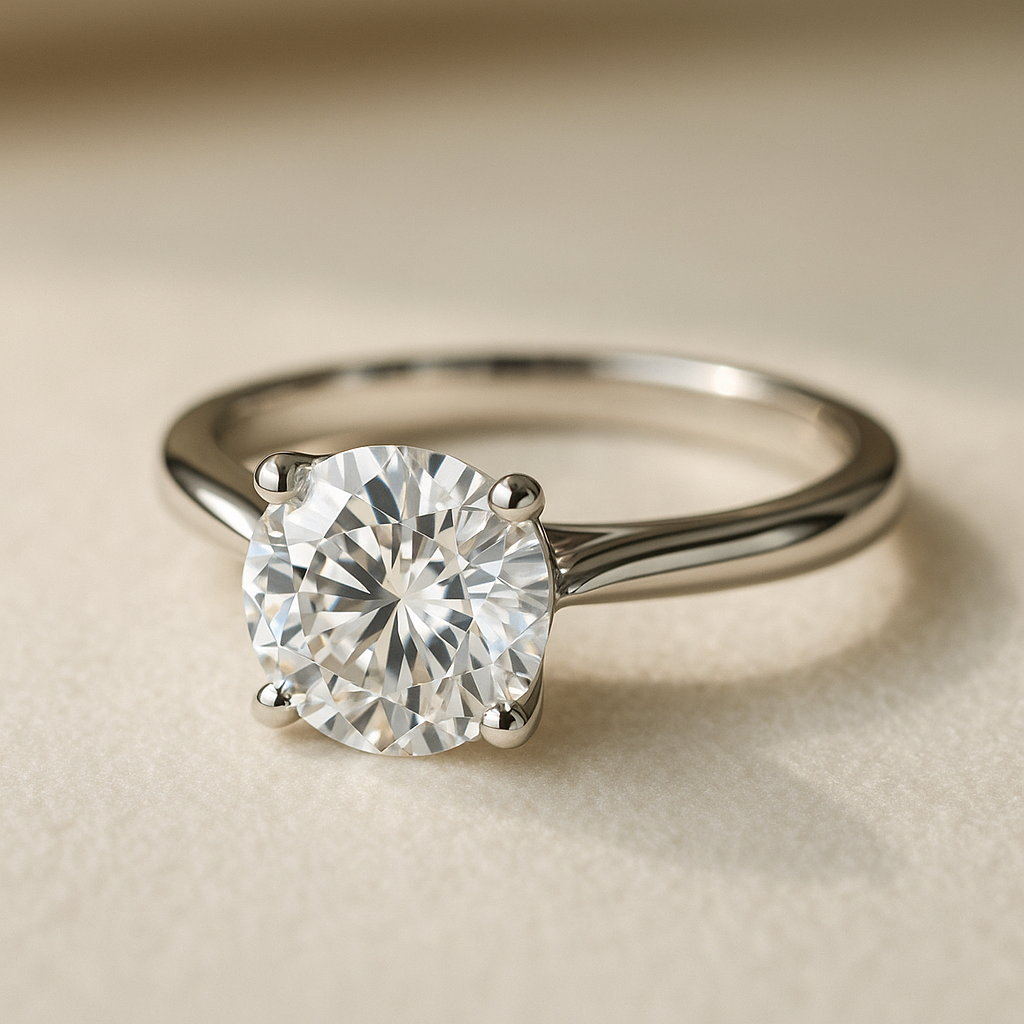
Lab-grown diamonds are chemically and optically identical to natural diamonds. They exhibit the same sparkle, brilliance, and durability, ensuring that your engagement ring will be just as stunning.
5. Customization Possibilities
Because lab-grown diamonds are often more affordable, consumers can opt for larger or higher-quality stones than they might be able to afford with natural diamonds, providing a chance for greater customization in design.
Lab-Grown Diamonds vs. Natural Diamonds
When comparing lab-grown diamonds to natural diamonds, several key points come into play:
1. Origin
Natural diamonds form over billions of years through geological processes, while lab-grown diamonds can be created in a matter of weeks. This difference in origin can affect personal choices regarding ethical considerations.
2. Value Retention
Natural diamonds historically retain their value better over time, largely because of their scarcity. However, the resale value of lab-grown diamonds is developing as the market grows, and it’s essential for consumers to consider this aspect when making a purchase.
3. Certification
Both lab-grown and natural diamonds can be certified by reputable gemological laboratories. When purchasing, ensure that your diamond comes with a certification that outlines its properties and origin.
Frequently Asked Questions
Are lab-grown diamonds real diamonds?
Yes, lab-grown diamonds are real diamonds. They have the same chemical composition and physical properties as natural diamonds, making them equally genuine.
How can I tell if a diamond is lab-grown or natural?
While most consumers cannot visually differentiate between lab-grown and natural diamonds, they can be distinguished through advanced technology. A diamond grading report from a certified gemological laboratory can confirm a diamond’s origin.
Do lab-grown diamonds have resale value?
Lab-grown diamonds generally have a lower resale value compared to natural diamonds. However, as their market presence grows, their resale potential may also increase.
Are lab-grown diamonds environmentally friendly?
Yes, lab-grown diamonds have a smaller carbon footprint compared to natural diamond mining, making them a more environmentally friendly option.
Conclusion
Lab-grown diamonds represent a modern and responsible choice for engagement rings and fine jewelry. With cost-effectiveness, ethical sourcing, and identical beauty to natural diamonds, they are becoming increasingly popular among consumers. Whether you are searching for the perfect engagement ring or exploring unique jewelry options, considering a lab-grown diamond can provide you with a stunning and conscientious choice that aligns with today’s values.