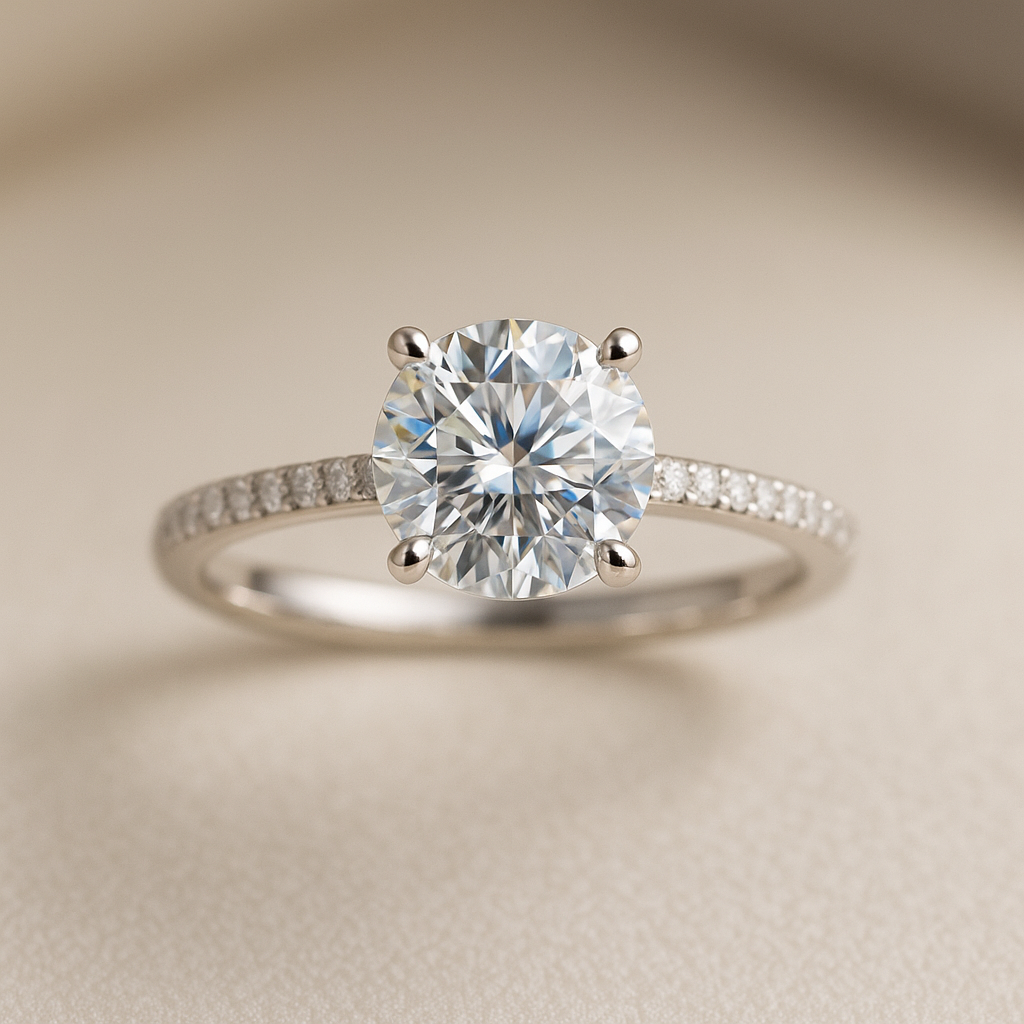
Understanding Lab-Grown Diamonds: The Future of Fine Jewelry
In recent years, lab-grown diamonds have emerged as a game-changer in the diamond industry. As consumers become more environmentally conscious and budget-savvy, the demand for these ethical alternatives has surged. This article will explore what lab-grown diamonds are, how they compare to natural diamonds, and why they might be the perfect choice for your engagement ring or fine jewelry piece.
What Are Lab-Grown Diamonds?
Lab-grown diamonds, also known as synthetic or cultured diamonds, are real diamonds that are created in a laboratory setting. They possess the same physical, chemical, and optical properties as natural diamonds, which are formed deep within the Earth’s mantle over billions of years. The key difference is that lab-grown diamonds are created in a matter of weeks using advanced technologies.
How Are Lab-Grown Diamonds Made?
There are two primary methods for creating lab-grown diamonds:
- High-Pressure High-Temperature (HPHT): This method mimics the natural diamond creation process by applying extreme pressure and heat to carbon. The result is a diamond that is virtually indistinguishable from natural diamonds.
- Chemical Vapor Deposition (CVD): In this method, carbon gases are introduced into a chamber where they deposit onto a substrate, eventually forming diamond crystals. CVD diamonds can also be produced in less time and with more control over their quality.
Lab-Grown vs. Natural Diamonds
When comparing lab-grown diamonds with natural ones, several factors come into play:
1. Composition and Quality
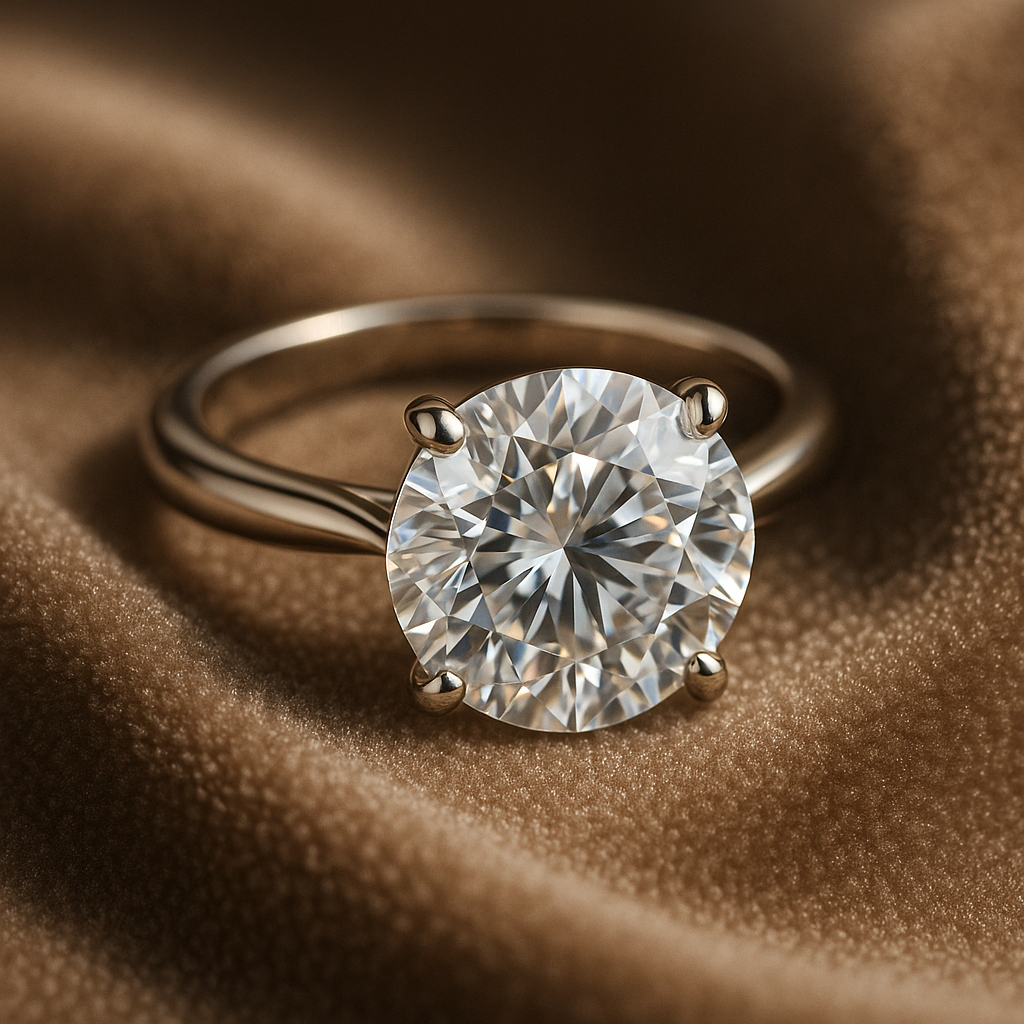
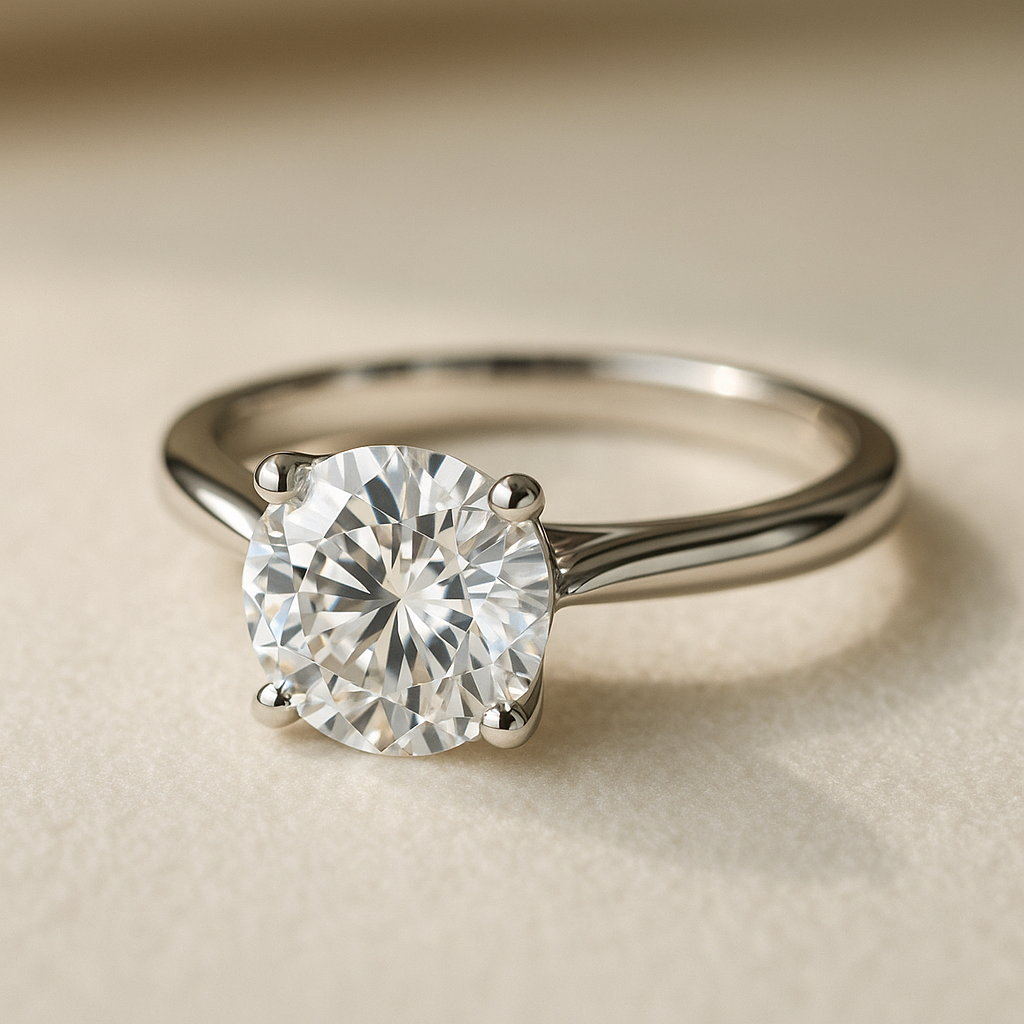
Both lab-grown and natural diamonds are composed of pure carbon and exhibit the same characteristics, including brilliance, fire, and scintillation. Lab-grown diamonds are graded based on the same quality factors as natural diamonds, such as the Four Cs: Carat, Cut, Color, and Clarity.
2. Ethical Considerations
One of the most significant advantages of lab-grown diamonds is their ethical production. Unlike natural diamonds, which can be mined in conflict zones and have ties to human rights violations, lab-grown diamonds are created in controlled environments, ensuring ethical practices throughout their production.
3. Environmental Impact
The environmental impact of diamond mining is significant, involving land disruption, ecosystem destruction, and carbon emissions. Lab-grown diamonds, on the other hand, are produced with a much lower carbon footprint, making them a more sustainable choice for eco-conscious consumers.
4. Price Comparison
Lab-grown diamonds are generally more affordable than their natural counterparts, often costing 20-40% less. This price difference allows consumers to purchase larger or higher-quality stones within their budget, making luxury more accessible.
Why Choose a Lab-Grown Diamond?
Choosing a lab-grown diamond comes with numerous benefits:
- Affordability: As mentioned, lab-grown diamonds are typically less expensive, allowing consumers to allocate their budget elsewhere or invest in additional jewelry.
- Customization: Lab-grown diamonds can be created to meet specific preferences, whether it’s a unique cut or color enhancement.
- Quality Assurance: Most lab-grown diamonds come with certification from reputable gemological laboratories, ensuring their quality and authenticity.
- Transparency: The traceability of lab-grown diamonds means consumers can feel confident about the ethical implications of their purchase.
Frequently Asked Questions (FAQ)
Are lab-grown diamonds real diamonds?
Yes, lab-grown diamonds are real diamonds. They possess the same physical and chemical properties as natural diamonds and are graded using the same metrics.
How can I tell if a diamond is lab-grown or natural?
Lab-grown diamonds may exhibit certain characteristics that can be detected through advanced gemological testing. Most reputable jewelers will provide certification indicating whether a diamond is lab-grown or natural.
Do lab-grown diamonds hold their value?
While lab-grown diamonds typically do not retain their value as well as natural diamonds, they offer extensive benefits at the point of purchase. Their resale value may vary depending on market trends.
What happens if I want to upgrade my lab-grown diamond?
Many jewelers offer upgrade policies for lab-grown diamonds, allowing customers to exchange their stones for a larger or higher-quality diamond in the future.
Conclusion
Lab-grown diamonds represent a significant innovation in the jewelry industry, blending luxury with ethical considerations and affordability. As consumers continue to seek environmentally friendly and socially responsible options, lab-grown diamonds are likely to become an increasingly popular choice for engagement rings and fine jewelry. At Celebrity Diamonds, we believe in offering our customers the best options available, ensuring that every piece of jewelry is not only beautiful but also aligned with your values.