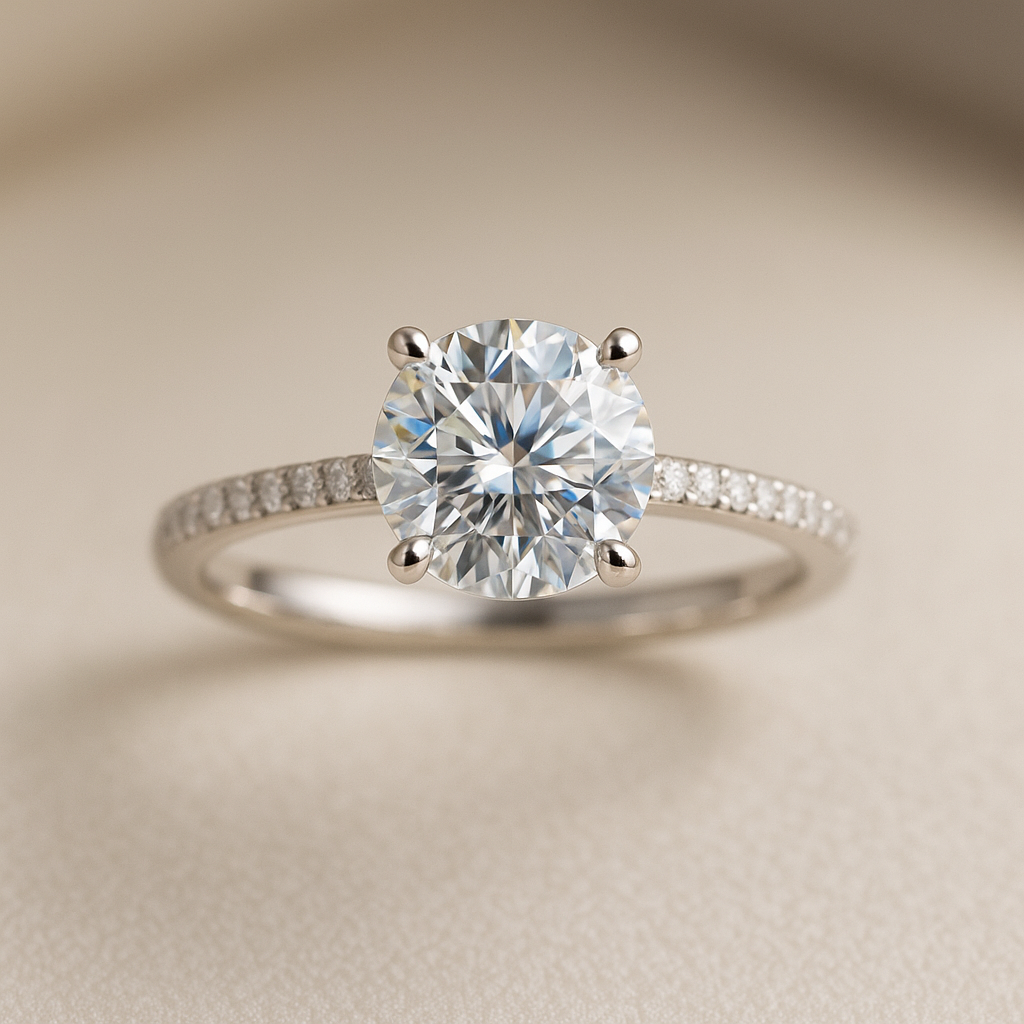
The Rise of Lab-Grown Diamonds: A Comprehensive Guide
In recent years, lab-grown diamonds have shifted from a niche market to a preferred choice for many consumers seeking engagement rings and fine jewelry. As you embark on this exciting journey to select the perfect diamond, understanding the nuances of lab-grown diamonds is crucial. This guide will explore everything you need to know, including the manufacturing process, benefits, comparisons with natural diamonds, and answers to frequently asked questions.
What Are Lab-Grown Diamonds?
Lab-grown diamonds, also known as synthetic or cultured diamonds, are diamonds that are created in controlled environments using advanced technological processes that replicate the natural conditions under which diamonds form in the Earth. These diamonds have the same physical, chemical, and optical properties as their natural counterparts, making them virtually indistinguishable to the naked eye.
The Manufacturing Process
1. High-Pressure High-Temperature (HPHT)
The HPHT method mimics the natural conditions of diamond formation. Carbon is subjected to extreme pressure and temperature, leading to crystallization and the formation of diamonds. This method produces diamonds that are often used in industrial applications as well as jewelry.
2. Chemical Vapor Deposition (CVD)
CVD technology involves placing a carbon-rich gas in a vacuum chamber, where it breaks down and deposits carbon atoms onto a substrate, gradually building a diamond layer. This method allows for the production of larger diamonds with fewer impurities, making them ideal for stunning engagement rings.
Why Choose Lab-Grown Diamonds?
1. Ethical Considerations
One of the most compelling reasons consumers opt for lab-grown diamonds is their ethical stance. These diamonds are conflict-free and are produced without the environmental concerns often associated with traditional diamond mining.
2. Cost-Effectiveness
Lab-grown diamonds typically cost 20-40% less than natural diamonds of the same size and quality. This price difference allows consumers to either save money or invest in higher-quality stones when purchasing engagement rings or fine jewelry.
3. Quality and Variety
Since lab-grown diamonds can be produced to desired specifications, consumers have access to a broader range of qualities and sizes. Furthermore, technological advancements allow for precision in crafting unique colors and shapes, catering to diverse personal tastes.
Lab-Grown Diamonds vs. Natural Diamonds
1. Identification
While lab-grown diamonds are chemically identical to natural diamonds, gemological labs can differentiate between the two using advanced techniques. Respected institutions like the Gemological Institute of America (GIA) and the International Gemological Institute (IGI) can provide grading reports that clarify the origin of a diamond.
2. Resale Value
Natural diamonds tend to retain their value better over time compared to lab-grown diamonds. Though the latter holds significant value, it is essential to recognize that their resale market is still developing. Thus, if long-term investment is a concern, natural diamonds may still be preferable.
3. Sentimental Value
For many, the allure of natural diamonds comes from their ancient history and the stories they carry. Lab-grown diamonds, while equally stunning and ethically produced, may not evoke the same emotional connection for some consumers. It ultimately depends on personal preferences.
Frequently Asked Questions
1. Are lab-grown diamonds real?
Yes, lab-grown diamonds are real diamonds. They have the same chemical composition, physical properties, and optical characteristics as natural diamonds.
2. How can I tell the difference between lab-grown and natural diamonds?
While they are virtually indistinguishable to the naked eye, gemologists can identify lab-grown diamonds using specialized equipment. Look for certifications from reputable institutions to ensure you understand what you are purchasing.
3. Do lab-grown diamonds have resale value?
Lab-grown diamonds do have resale value, but typically less than natural diamonds. As the market evolves, the perception and value of lab-grown diamonds may change.
4. Can I get a custom design with lab-grown diamonds?
Absolutely! Many jewelers offer customization options for engagement rings and other jewelry featuring lab-grown diamonds, allowing you to create a unique piece that reflects your style.
5. Will lab-grown diamonds become more popular in the future?
With increasing consumer awareness and ethical considerations, lab-grown diamonds are likely to grow in popularity. Their affordability and ethical production methods resonate with today’s conscientious shoppers.
Conclusion
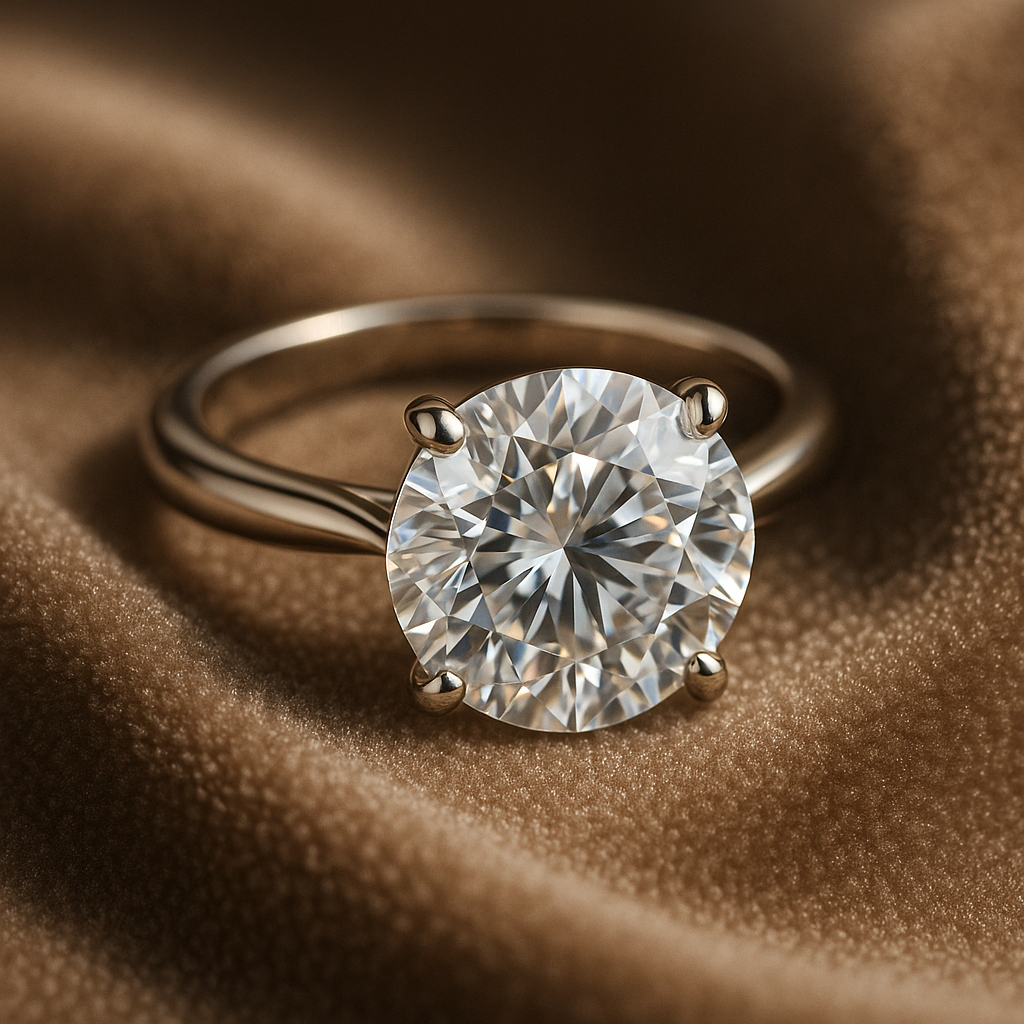
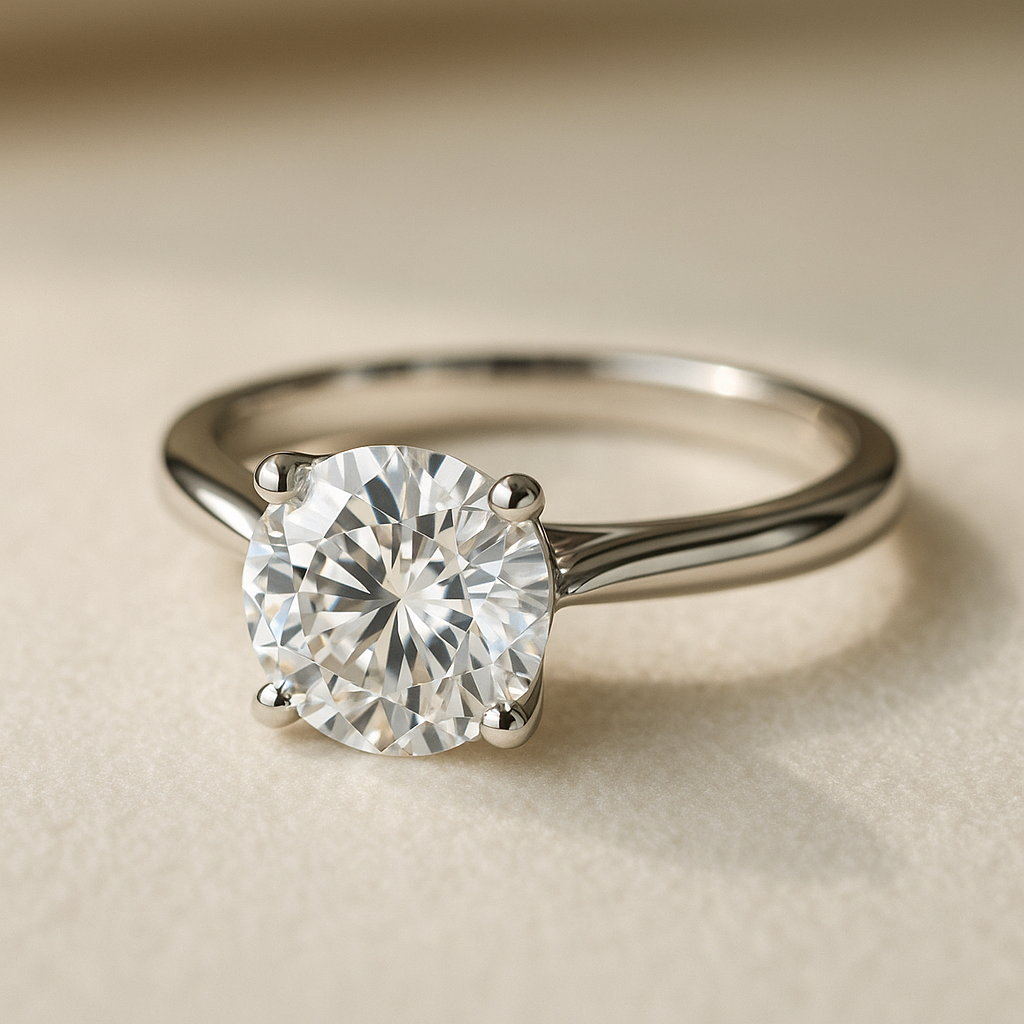
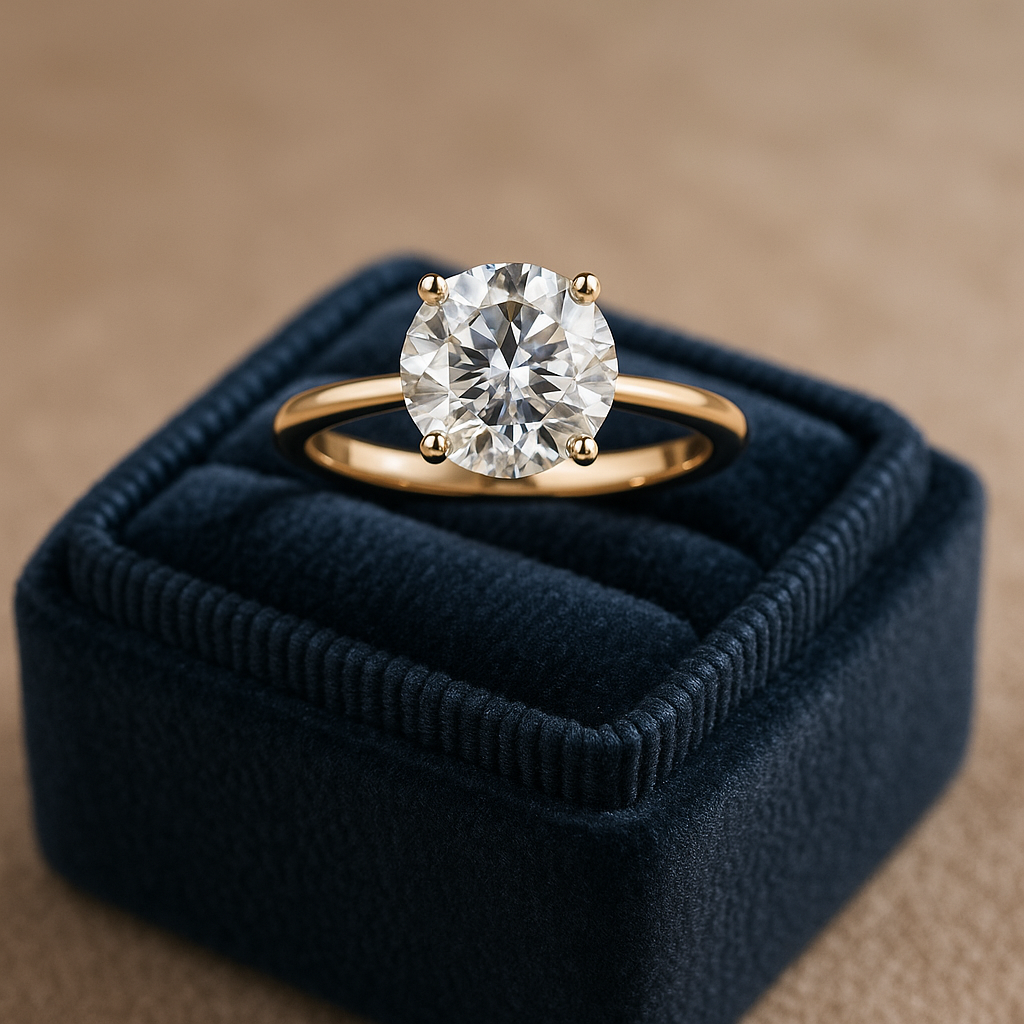
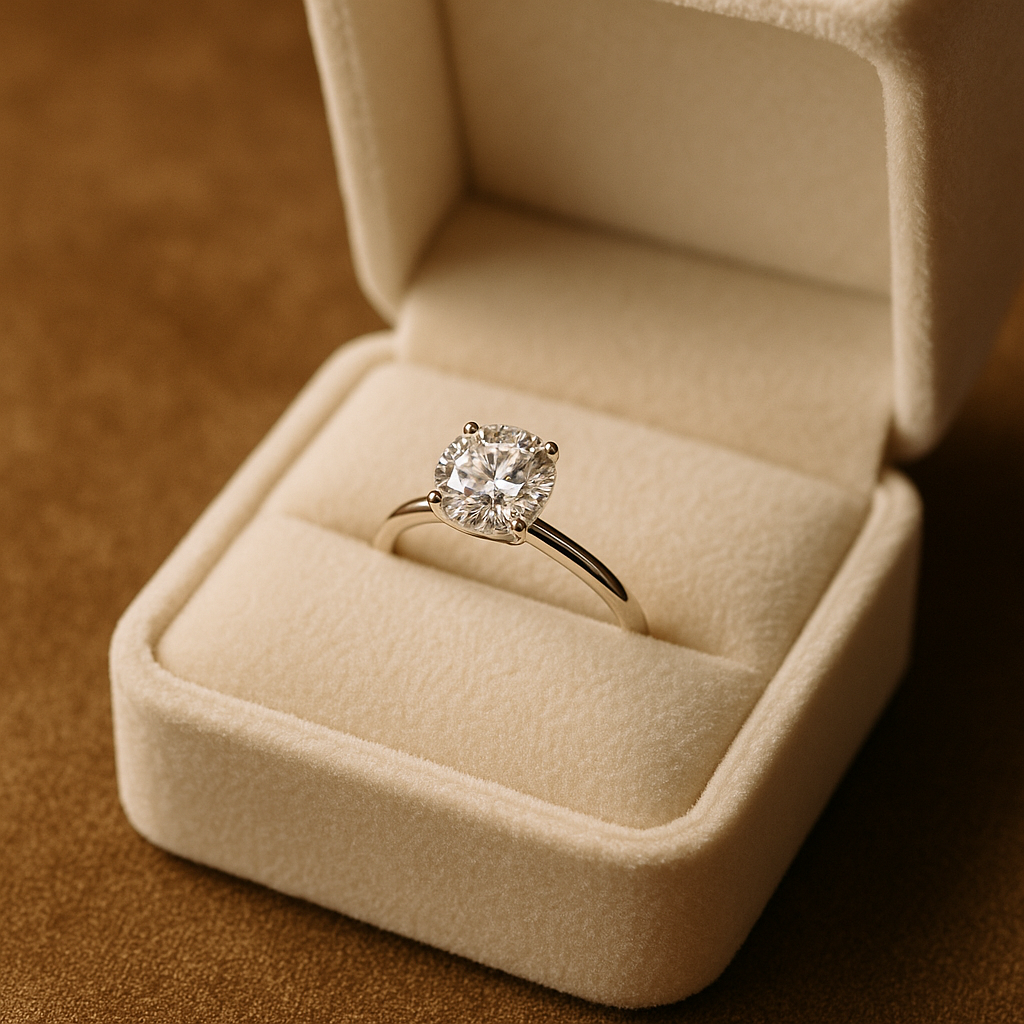
As you navigate your options for engagement rings and fine jewelry, consider the benefits of lab-grown diamonds. They offer a blend of beauty, ethics, and affordability that appeals to the modern consumer. Whether you’re looking for a classic solitaire engagement ring or a unique custom design, lab-grown diamonds provide an excellent choice that aligns with your values and budget.