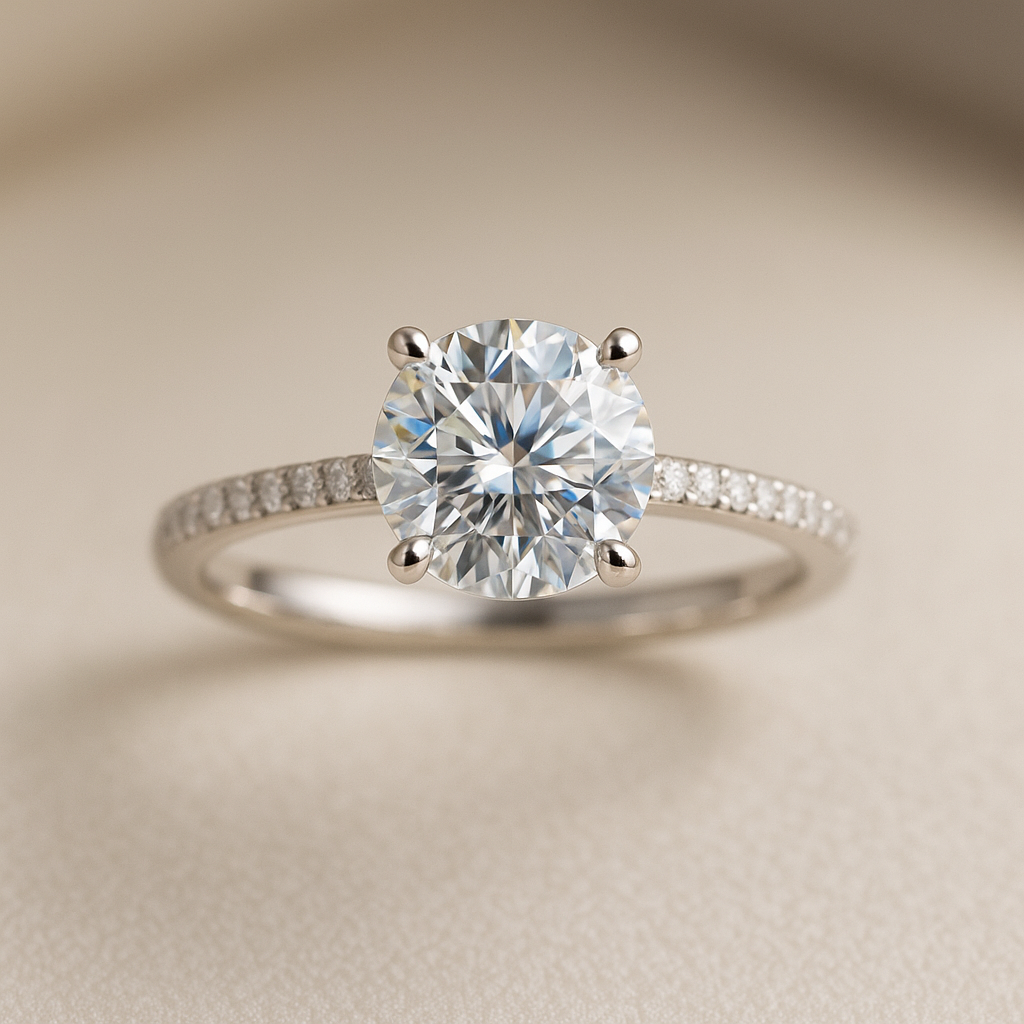
Understanding Lab-Grown Diamonds: The Future of Fine Jewelry
In recent years, lab-grown diamonds have emerged as a popular alternative to natural diamonds, captivating the attention of consumers and jewelry enthusiasts alike. As technology advances and sustainability becomes a focal point for modern consumers, understanding these gems is crucial for anyone considering an engagement ring or fine jewelry piece.
What are Lab-Grown Diamonds?
Lab-grown diamonds, also known as synthetic or cultured diamonds, are real diamonds that are produced in a controlled laboratory environment rather than being mined from the earth. These diamonds share the same physical, chemical, and optical properties as natural diamonds, making them a genuine alternative.
How Are Lab-Grown Diamonds Made?
There are two primary methods for creating lab-grown diamonds: High Pressure High Temperature (HPHT) and Chemical Vapor Deposition (CVD). Both methods replicate the natural processes that create diamonds deep within the Earth’s mantle.
High Pressure High Temperature (HPHT)
The HPHT method mimics the natural formation of diamonds by applying intense pressure and high temperatures to carbon. This process can take several weeks to produce a diamond that is virtually indistinguishable from its natural counterpart.
Chemical Vapor Deposition (CVD)
CVD involves placing a small diamond seed in a chamber filled with carbon-rich gas. This gas is then heated, which allows the carbon to crystallize and form a diamond layer by layer. CVD diamonds can often be produced faster than HPHT diamonds, leading to more availability in the market.
The Benefits of Choosing Lab-Grown Diamonds
There are numerous reasons why consumers are increasingly choosing lab-grown diamonds over natural ones:
1. Environmental Impact
Lab-grown diamonds are often touted for their lower environmental impact compared to mined diamonds. Mining for natural diamonds can result in significant ecological disruption and habitat destruction. On the other hand, lab-grown diamonds require far less land and water, making them a more sustainable choice.
2. Ethical Considerations
Concerns about conflict diamonds, which are mined in war zones and sold to finance armed conflict, have led many consumers to seek ethical alternatives. Lab-grown diamonds are free from such ethical dilemmas, providing peace of mind for buyers.
3. Affordability
One of the most attractive aspects of lab-grown diamonds is their cost. Typically, lab-grown diamonds are 20-40% less expensive than their natural counterparts, allowing consumers to purchase larger or higher-quality stones within their budget.
How Do Lab-Grown Diamonds Compare to Natural Diamonds?
When comparing lab-grown diamonds to natural diamonds, it is essential to understand that both options have their unique qualities. Here are some key factors to consider:
1. Quality and Appearance
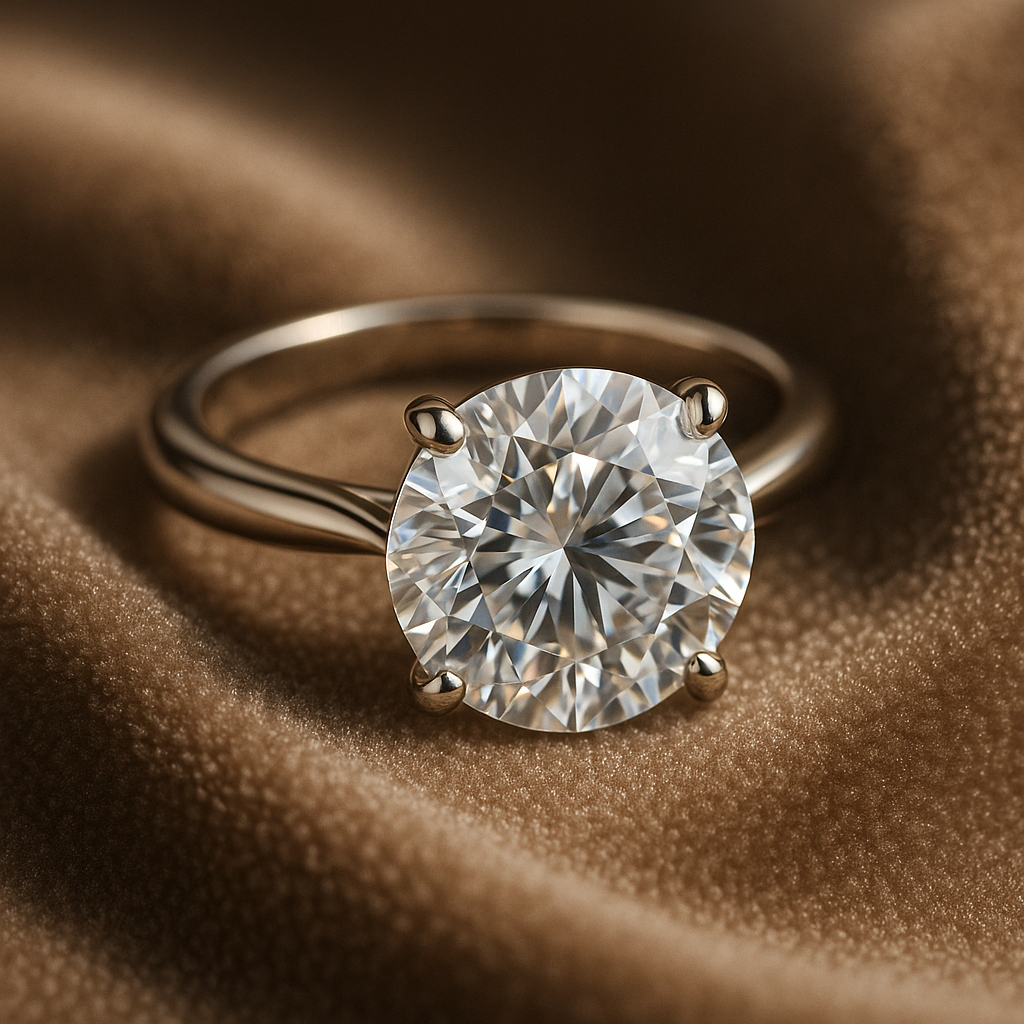
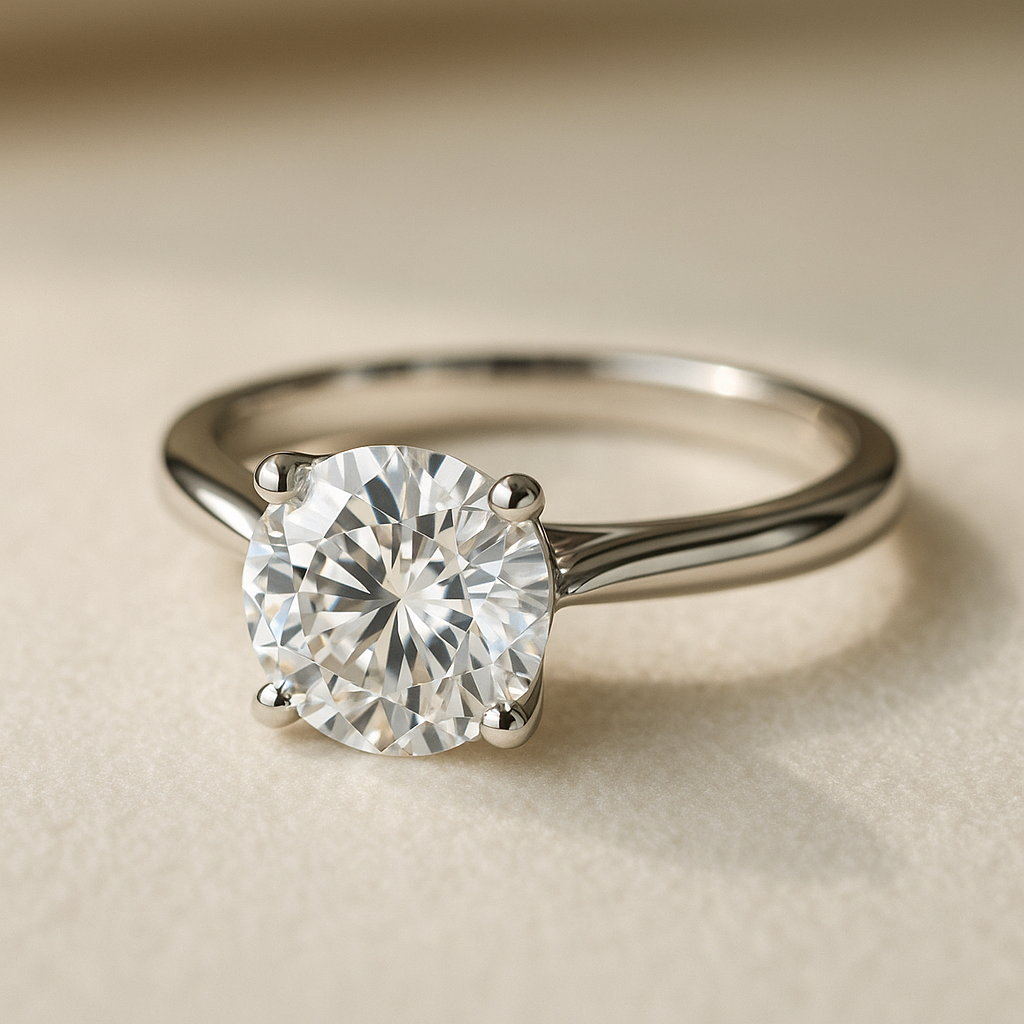
Lab-grown diamonds and natural diamonds can be virtually identical in appearance. Both types of diamonds can be graded on the same criteria: the 4 Cs (cut, color, clarity, and carat weight). Consumers often find that lab-grown diamonds offer exceptional quality at a more accessible price point.
2. Resale Value
Natural diamonds tend to retain their value better than lab-grown diamonds. This is due to the perception of rarity and the established market for natural stones. However, the resale market for lab-grown diamonds is evolving, and as consumer acceptance grows, so may their resale value.
3. Certification and Grading
Both lab-grown and natural diamonds can be certified by reputable gemological organizations, such as the Gemological Institute of America (GIA) or the International Gemological Institute (IGI). Ensure that your diamond comes with a grading report that guarantees its authenticity and quality.
Choosing the Right Lab-Grown Diamond
If you’re considering purchasing a lab-grown diamond, here are some tips to help you make an informed decision:
1. Research Reputable Retailers
Choose a retailer with a strong reputation in the industry. Look for brands that specialize in lab-grown diamonds and provide detailed information about their sourcing and manufacturing processes.
2. Understand the 4 Cs
Educate yourself about the 4 Cs—cut, color, clarity, and carat weight. These factors will significantly influence the appearance and value of your diamond. Make sure to compare lab-grown diamonds within the same quality parameters.
3. Request Certification
Always request a grading report from a recognized gemological laboratory. This report will provide you with vital information about the diamond’s characteristics, ensuring that you are making a sound investment.
Frequently Asked Questions
Are lab-grown diamonds real diamonds?
Yes, lab-grown diamonds are real diamonds. They are chemically and physically identical to natural diamonds, but they are created in a laboratory setting.
Do lab-grown diamonds hold value?
Lab-grown diamonds may not retain value as well as natural diamonds, but their market is evolving, and acceptance is growing, which may affect their resale value in the future.
How long do lab-grown diamonds last?
Lab-grown diamonds are durable and can last a lifetime, just like natural diamonds. They are not subject to deterioration over time.
Can I tell the difference between a lab-grown diamond and a natural diamond?
With the naked eye, it is nearly impossible to distinguish between a lab-grown diamond and a natural diamond. Only a trained gemologist can identify subtle differences using specialized equipment.
Conclusion
Lab-grown diamonds represent a significant shift in the diamond industry, offering a sustainable, ethical, and cost-effective alternative to natural diamonds. As consumers become more environmentally conscious and seek transparency in their purchases, lab-grown diamonds are poised to become a preferred choice for engagement rings and fine jewelry. By educating yourself on these gems, you can make an informed decision that aligns with your values and style.