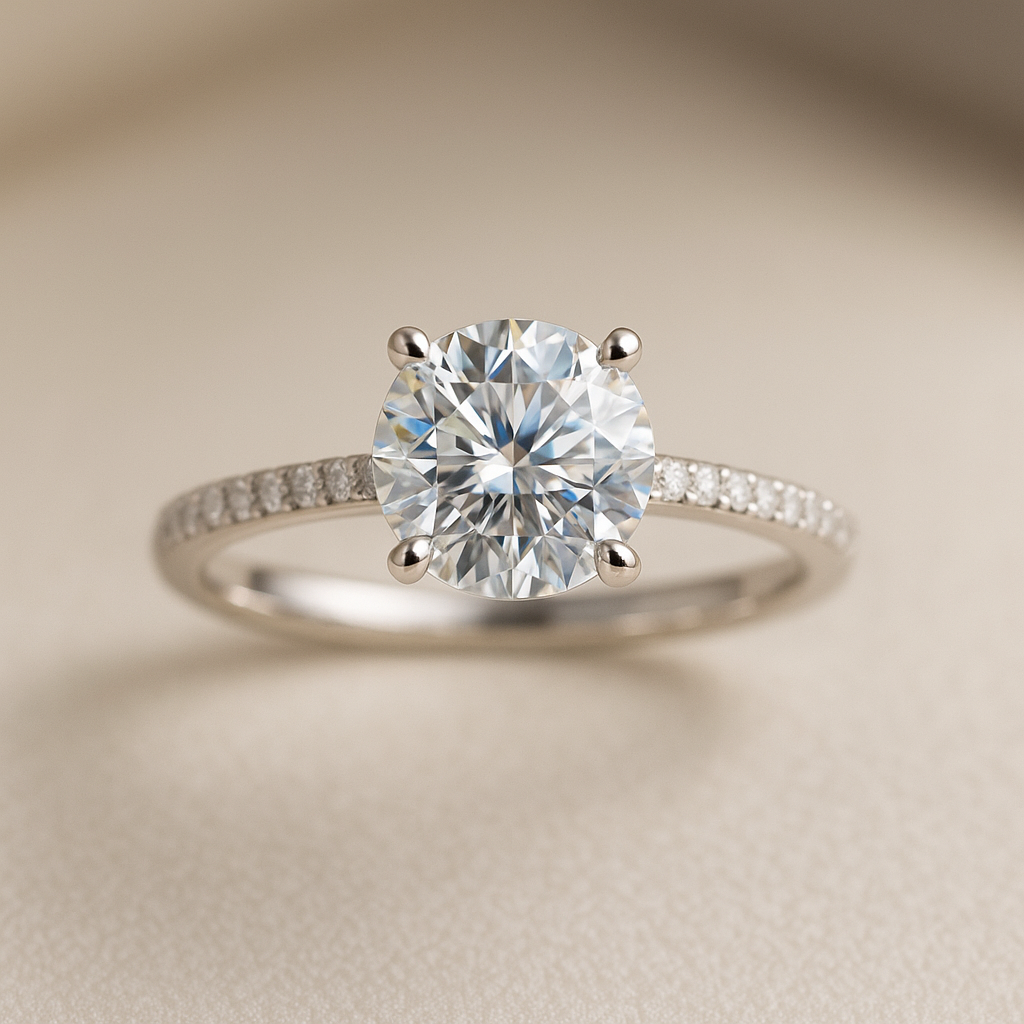
Understanding Lab-Grown Diamonds: An In-Depth Guide
As the demand for ethically sourced and environmentally friendly products continues to grow, lab-grown diamonds have emerged as a popular alternative to natural diamonds. This comprehensive guide will explore the benefits, differences, and considerations surrounding lab-grown diamonds to help you make an informed decision for your engagement ring or fine jewelry purchase.
What Are Lab-Grown Diamonds?
Lab-grown diamonds, also known as synthetic or cultured diamonds, are real diamonds that are created in controlled environments using advanced technology. They possess the same physical, chemical, and optical properties as natural diamonds, which form over billions of years deep within the Earth.
The Process of Creating Lab-Grown Diamonds
There are two primary methods to create lab-grown diamonds:
- High Pressure High Temperature (HPHT): This method mimics the natural conditions under which diamonds form. It involves applying intense pressure and heat to carbon to crystallize it into diamond.
- Chemical Vapor Deposition (CVD): In this technique, carbon gases are introduced into a sealed chamber, where they break down and deposit onto a substrate, gradually forming a diamond crystal.
Regardless of the method used, lab-grown diamonds are graded on the same criteria as natural diamonds, known as the Four Cs: Carat, Cut, Color, and Clarity.
Benefits of Lab-Grown Diamonds
Lab-grown diamonds offer numerous advantages compared to their natural counterparts:
- Ethical Sourcing: Lab-grown diamonds are created in an ethical manner, free from the ethical concerns often associated with natural diamond mining, such as conflict diamonds.
- Environmental Impact: The environmental footprint of lab-grown diamonds is significantly smaller compared to traditional diamond mining, which can cause deforestation and habitat destruction.
- Cost-Effectiveness: Lab-grown diamonds are typically 20-40% less expensive than natural diamonds, allowing consumers to get more value for their money.
- Customization: With lab-grown diamonds, consumers often have more options for customization, including shapes and sizes, which can be highly appealing for those seeking a unique engagement ring.
Lab-Grown Diamonds vs. Natural Diamonds: Key Comparisons
Understanding the distinctions between lab-grown and natural diamonds can help you make a more informed choice:
- Origin: The most significant difference lies in their origin. Natural diamonds are formed over millions of years within the Earth, while lab-grown diamonds are created in a matter of weeks or months in a laboratory.
- Value and Resale: While lab-grown diamonds are gaining acceptance in the market, natural diamonds have a long-standing value and recognition that may influence resale opportunities.
- Identification: Lab-grown diamonds can only be identified through specialized equipment, as they share the same physical and chemical properties as natural diamonds.
Common Misconceptions About Lab-Grown Diamonds
Despite the growing popularity of lab-grown diamonds, several misconceptions still exist:
- They Are Not Real Diamonds: Lab-grown diamonds are indeed real diamonds. They share the same brilliance and durability as natural diamonds.
- Lower Quality: Lab-grown diamonds can achieve high grades on the Four Cs, and many lab-grown options often exceed in quality compared to natural diamonds.
- They Lack Sentimental Value: The value of a diamond is subjective and often tied to personal significance. Lab-grown diamonds can be just as meaningful as natural ones.
Choosing a Lab-Grown Diamond
When selecting a lab-grown diamond, consider the following factors:
- Certification: Ensure that your lab-grown diamond is certified by a reputable gemological laboratory, such as the Gemological Institute of America (GIA) or the International Gemological Institute (IGI).
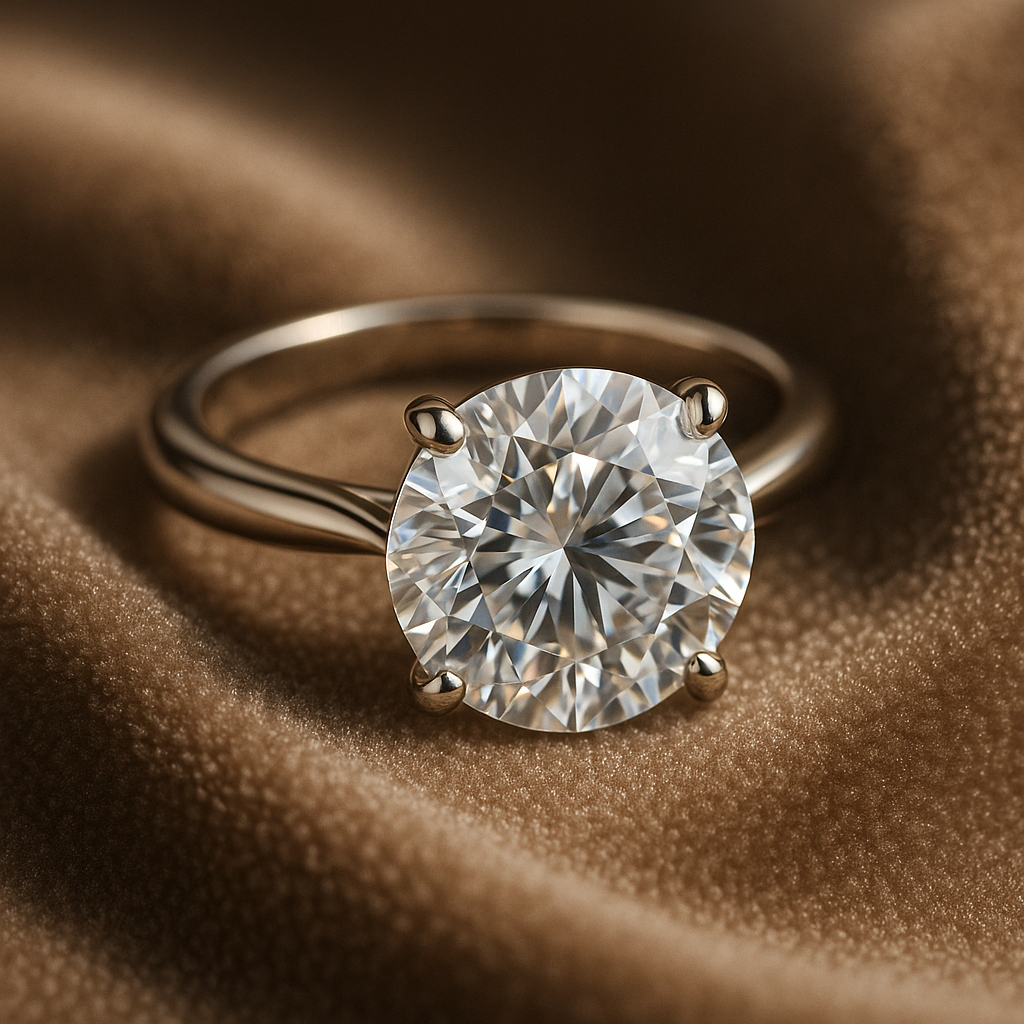
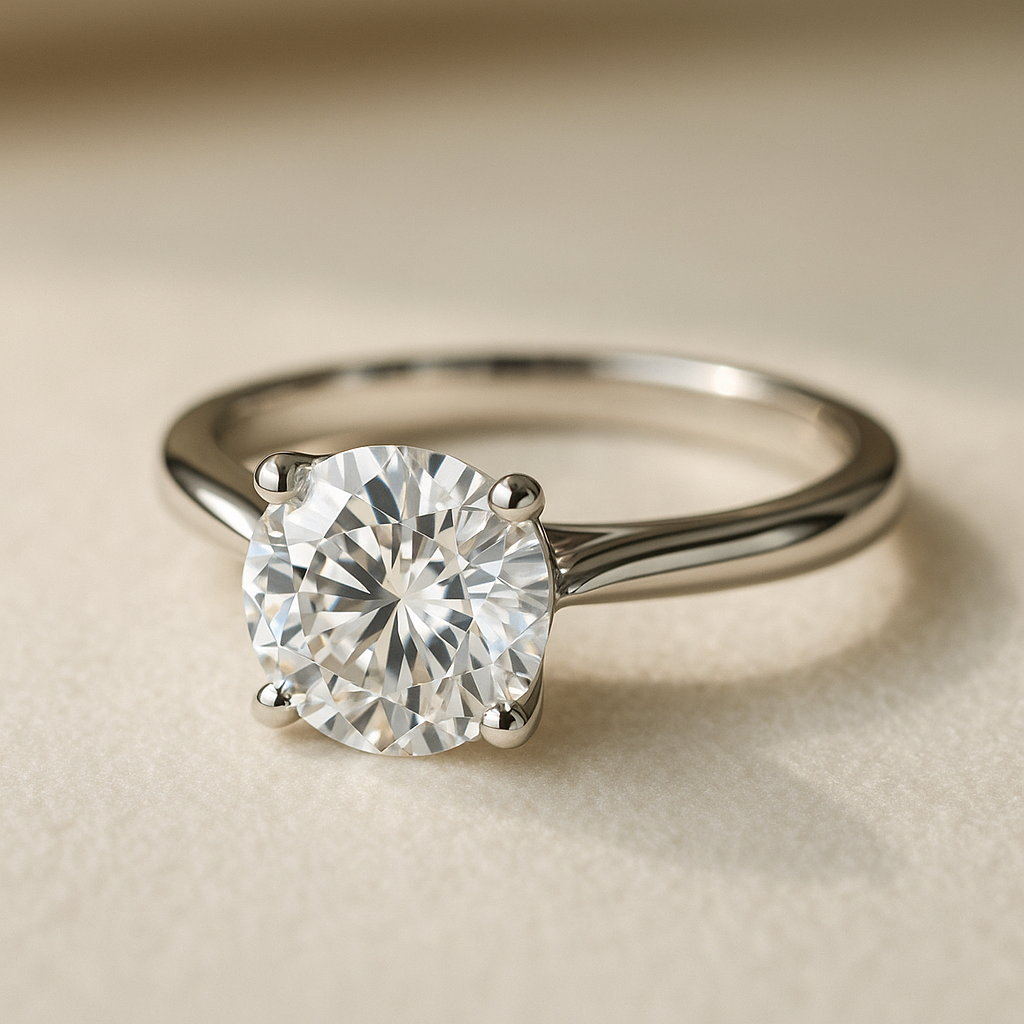
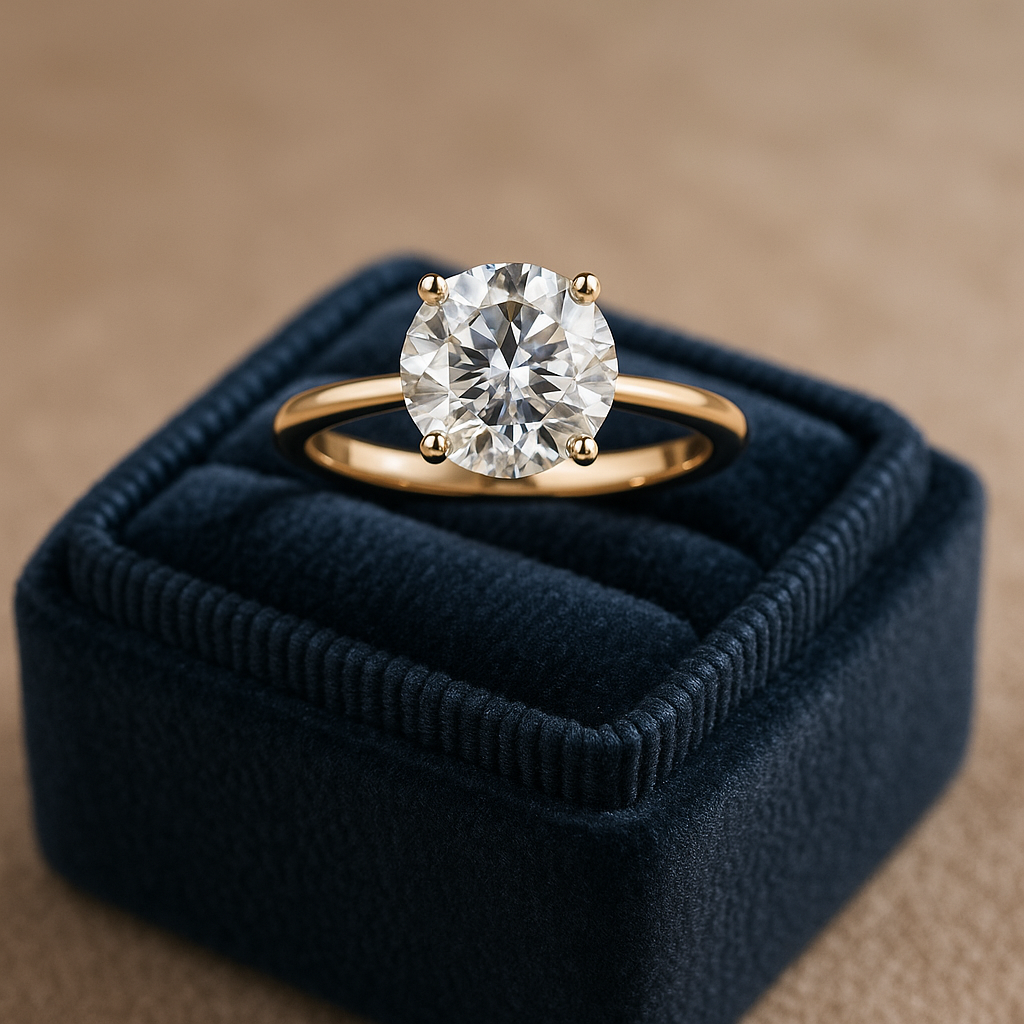
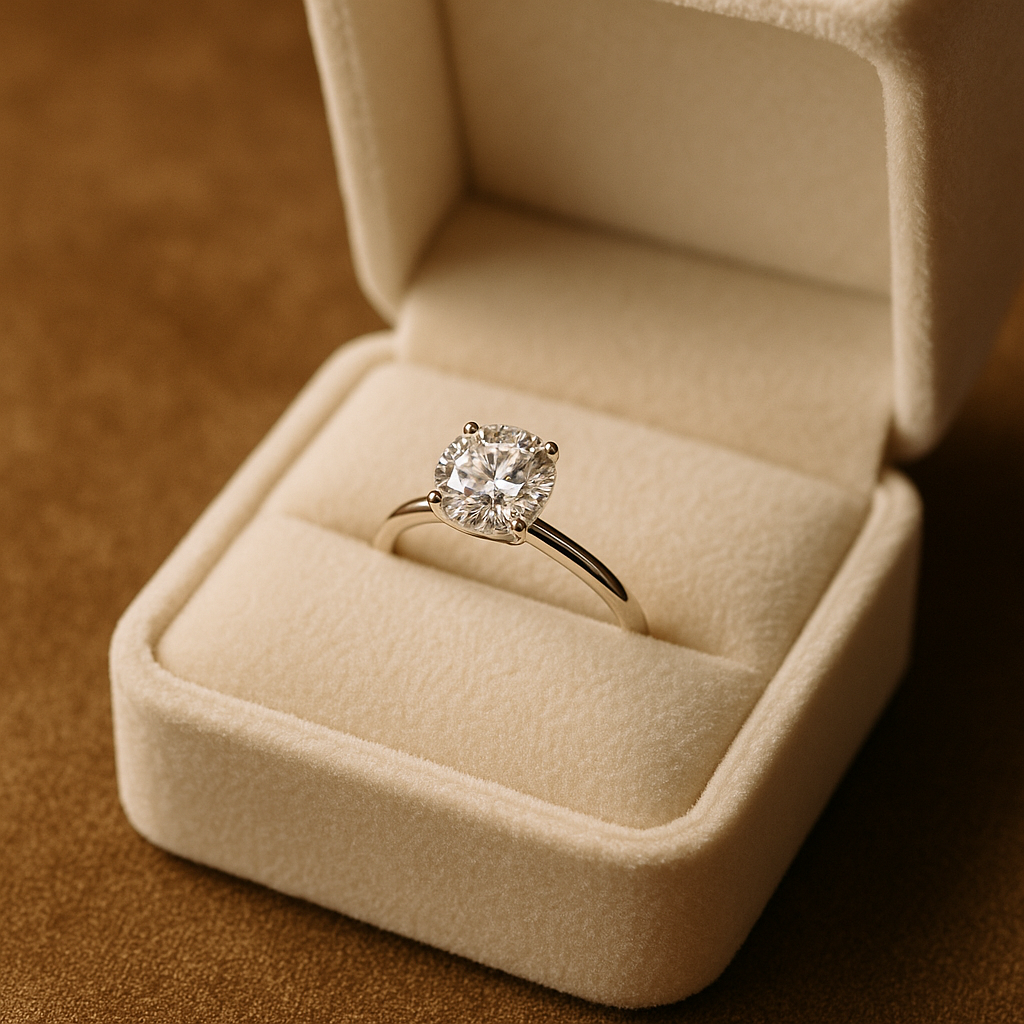
- Setting: The choice of setting can enhance the beauty of your diamond. Consider different styles, such as solitaire, halo, or three-stone settings.
- Return Policy: Check the retailer’s return policy. A reputable dealer should offer a fair return or exchange policy.
Frequently Asked Questions (FAQ)
Are lab-grown diamonds more ethical than natural diamonds?
Yes, lab-grown diamonds are considered more ethical due to their transparent sourcing and creation process, free from the issues associated with mined diamonds.
Do lab-grown diamonds hold their value?
Lab-grown diamonds are generally less expensive than natural diamonds. While they may not appreciate in value as much as natural diamonds, their lower initial cost can still offer excellent value.
How can I tell if a diamond is lab-grown or natural?
Identification usually requires professional testing by gemologists with specialized equipment. Lab-grown diamonds have distinctive growth patterns that differ from those of natural diamonds.
What is the lifespan of a lab-grown diamond?
Lab-grown diamonds are durable and, like natural diamonds, can last a lifetime if properly cared for. They are resistant to scratching and damage.
Are lab-grown diamonds suitable for engagement rings?
Absolutely! Lab-grown diamonds make beautiful and ethical choices for engagement rings, offering the same aesthetic and emotional significance as natural diamonds.
Conclusion
In conclusion, lab-grown diamonds present a viable alternative to natural diamonds, appealing to the modern consumer’s values of ethics, sustainability, and affordability. By understanding their unique characteristics and advantages, you can make an informed choice that aligns with your personal and ethical beliefs when purchasing an engagement ring or fine jewelry.