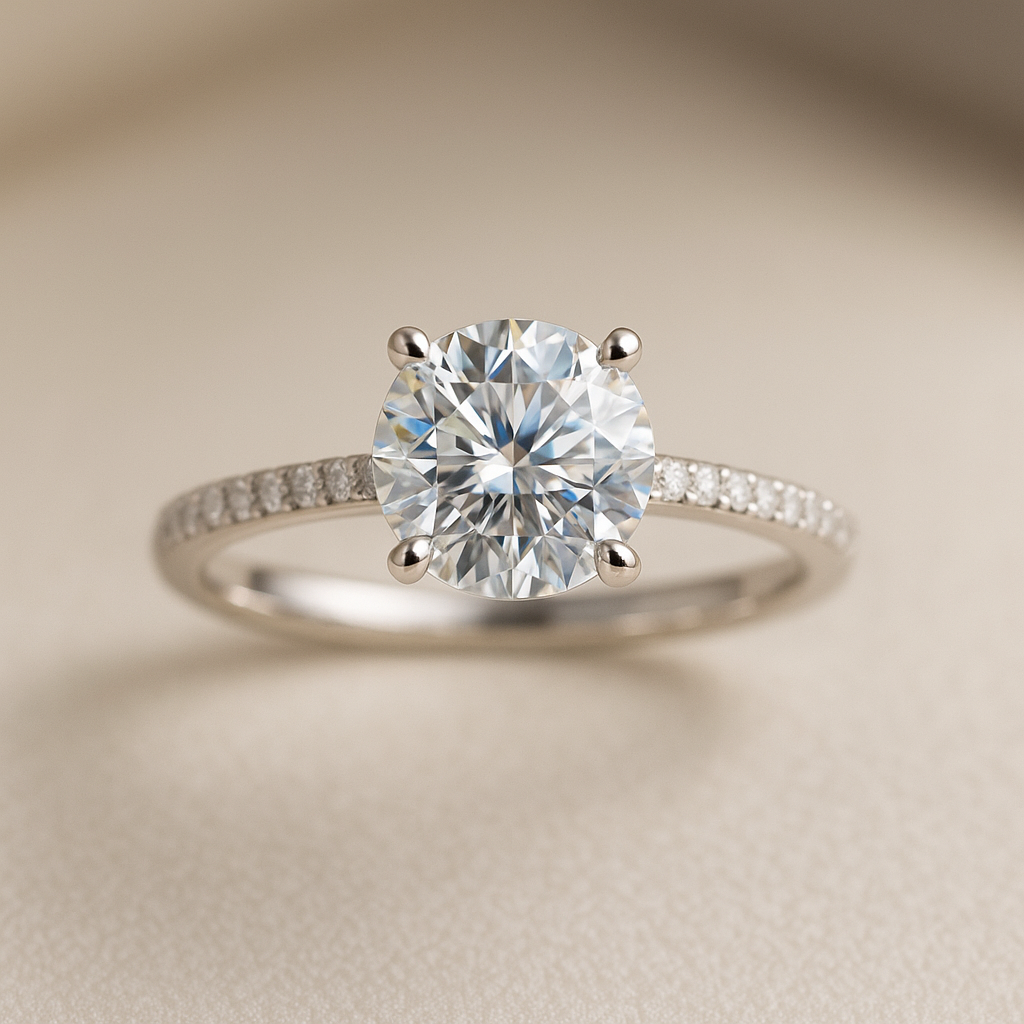
Understanding Lab-Grown Diamonds: The Future of Fine Jewelry
As consumers become increasingly informed and conscientious about their purchases, lab-grown diamonds have emerged as a compelling alternative to natural diamonds in the fine jewelry market. In this comprehensive guide, we will delve into what lab-grown diamonds are, how they are created, their benefits, and why they are becoming the go-to choice for engagement rings and other fine jewelry pieces.
What Are Lab-Grown Diamonds?
Lab-grown diamonds, also known as synthetic or cultured diamonds, are real diamonds created in controlled environments using advanced technological processes. The two primary methods for producing lab-grown diamonds are High Pressure High Temperature (HPHT) and Chemical Vapor Deposition (CVD). Both processes replicate the natural conditions under which diamonds form in the Earth’s mantle.
The Creation Process
High Pressure High Temperature (HPHT)
The HPHT method mimics the natural formation of diamonds by applying extreme heat and pressure to carbon. This process results in diamonds that are chemically, physically, and optically identical to their natural counterparts. HPHT diamonds can be produced in a matter of weeks.
Chemical Vapor Deposition (CVD)
CVD involves breaking down carbon-containing gases and depositing the carbon atoms onto a substrate, which then crystallizes into diamond. This method is known for producing high-quality diamonds and allows for greater control over the diamond’s characteristics.
Benefits of Lab-Grown Diamonds
Ethical Considerations
One of the most significant advantages of lab-grown diamonds is ethical sourcing. Unlike natural diamonds, which can sometimes be associated with conflict or unethical mining practices, lab-grown diamonds are created in a controlled environment, ensuring that they are conflict-free.
Cost Efficiency
Lab-grown diamonds are typically 20% to 40% less expensive than natural diamonds. This cost efficiency allows consumers to purchase larger or higher-quality stones than they would be able to afford if opting for a natural diamond.
Environmental Impact
The environmental footprint of lab-grown diamonds is significantly lower than that of natural diamonds. Mining for natural diamonds can lead to habitat destruction, soil erosion, and pollution. In contrast, lab-grown diamonds require far fewer resources and have a smaller environmental impact, making them a more sustainable choice.
Comparing Lab-Grown Diamonds and Natural Diamonds
When comparing lab-grown diamonds and natural diamonds, it’s essential to consider the following factors:
Quality and Appearance
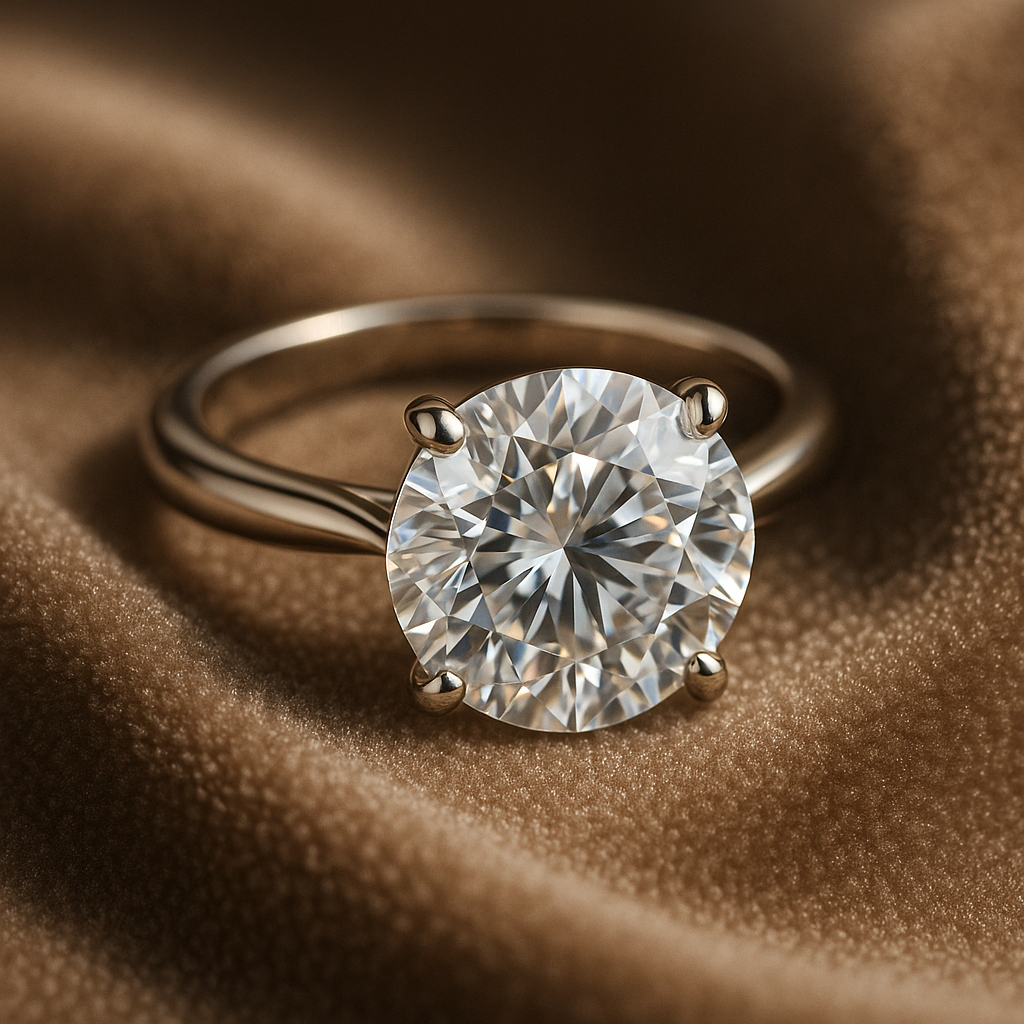
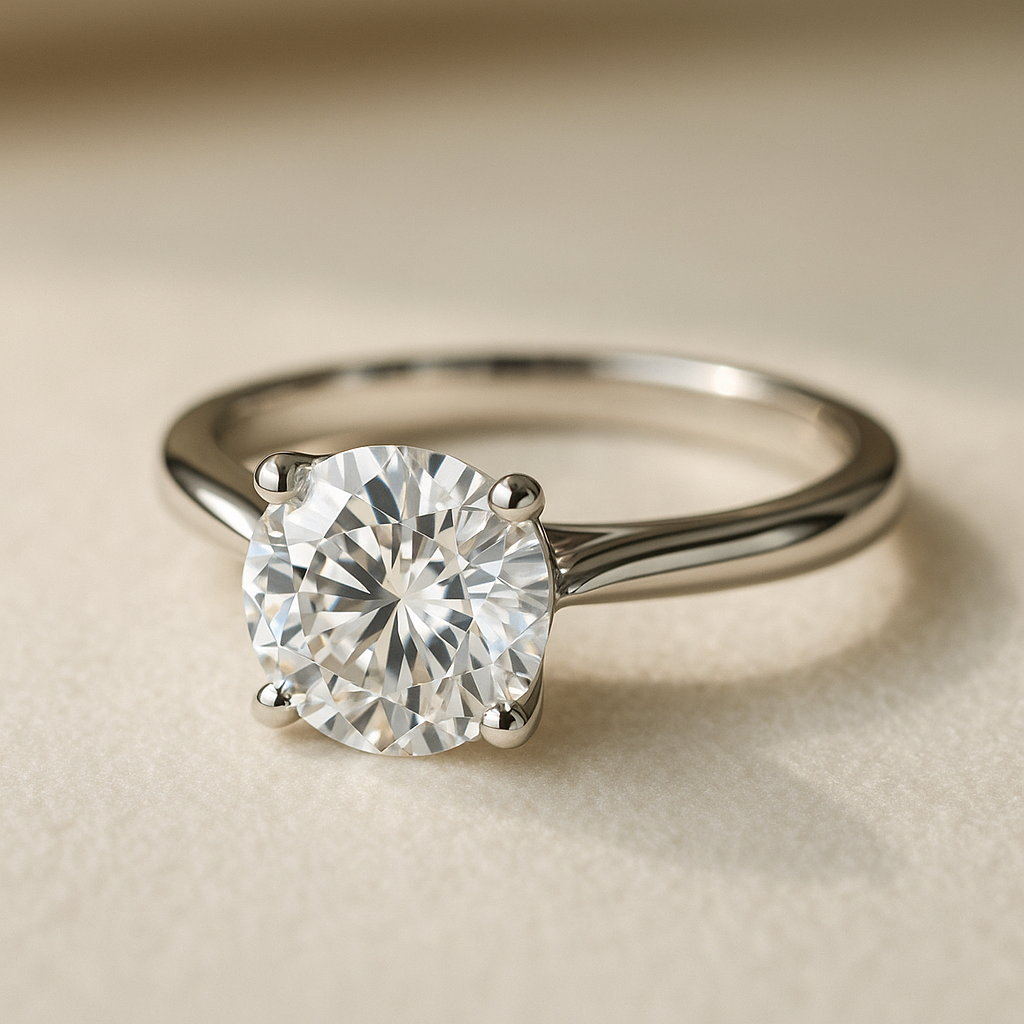
Both lab-grown and natural diamonds are graded using the same standards, commonly referred to as the Four Cs: Cut, Color, Clarity, and Carat weight. As a result, a lab-grown diamond can possess the same brilliance and beauty as a natural diamond. Consumers often have difficulty distinguishing between the two without the assistance of professional grading.
Resale Value
While natural diamonds often retain their value over time, lab-grown diamonds currently have a lower resale value. However, their growing popularity may lead to changes in the market landscape over time, potentially affecting their resale potential.
Longevity and Durability
Both types of diamonds have exceptional durability and will last a lifetime when cared for properly. Lab-grown diamonds are just as resistant to scratches and damage, making them suitable for everyday wear.
Choosing the Right Diamond for You
When selecting between a lab-grown diamond and a natural diamond, consider your values and priorities. If environmental sustainability, ethical sourcing, and cost are your top concerns, a lab-grown diamond may be the ideal choice. On the other hand, if you prefer the rarity and traditional allure of a natural diamond, that may steer your decision.
FAQs About Lab-Grown Diamonds
Are lab-grown diamonds real diamonds?
Yes, lab-grown diamonds are real diamonds that possess the same physical and chemical properties as natural diamonds.
How can I tell if a diamond is lab-grown?
Lab-grown diamonds can be distinguished from natural diamonds through specific inclusions or by using advanced gemological testing.
Do lab-grown diamonds go through grading processes?
Yes, lab-grown diamonds can be graded by reputable gemological laboratories using the same criteria as natural diamonds.
Will lab-grown diamonds become more popular?
As awareness of ethical and environmental issues grows, lab-grown diamonds are likely to continue gaining traction among consumers.
Conclusion
Lab-grown diamonds represent a significant shift in the jewelry industry, offering an ethical, cost-effective, and sustainable alternative to natural diamonds. As you consider your options for engagement rings and fine jewelry, understanding the advantages of lab-grown diamonds can empower you to make an informed decision that aligns with your values and aesthetic preferences.