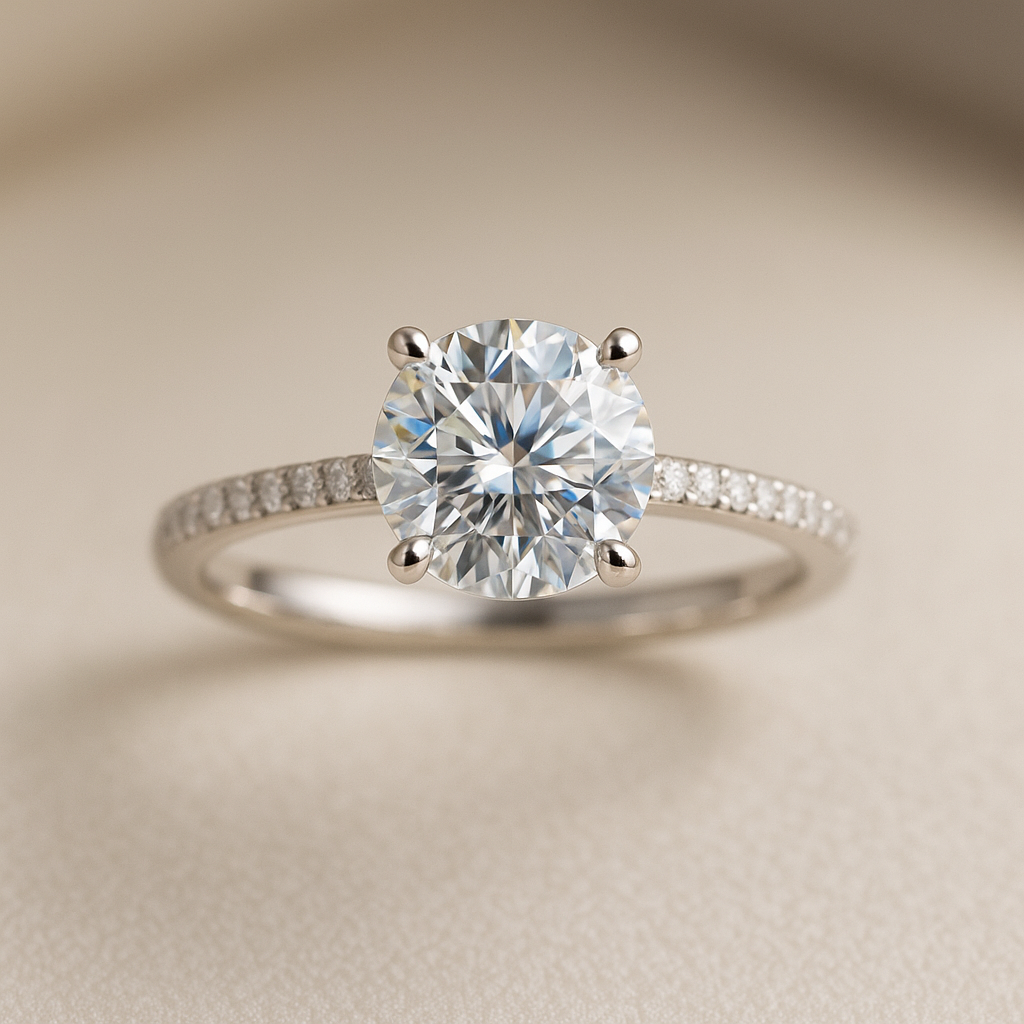
Understanding Lab-Grown Diamonds: A Comprehensive Guide
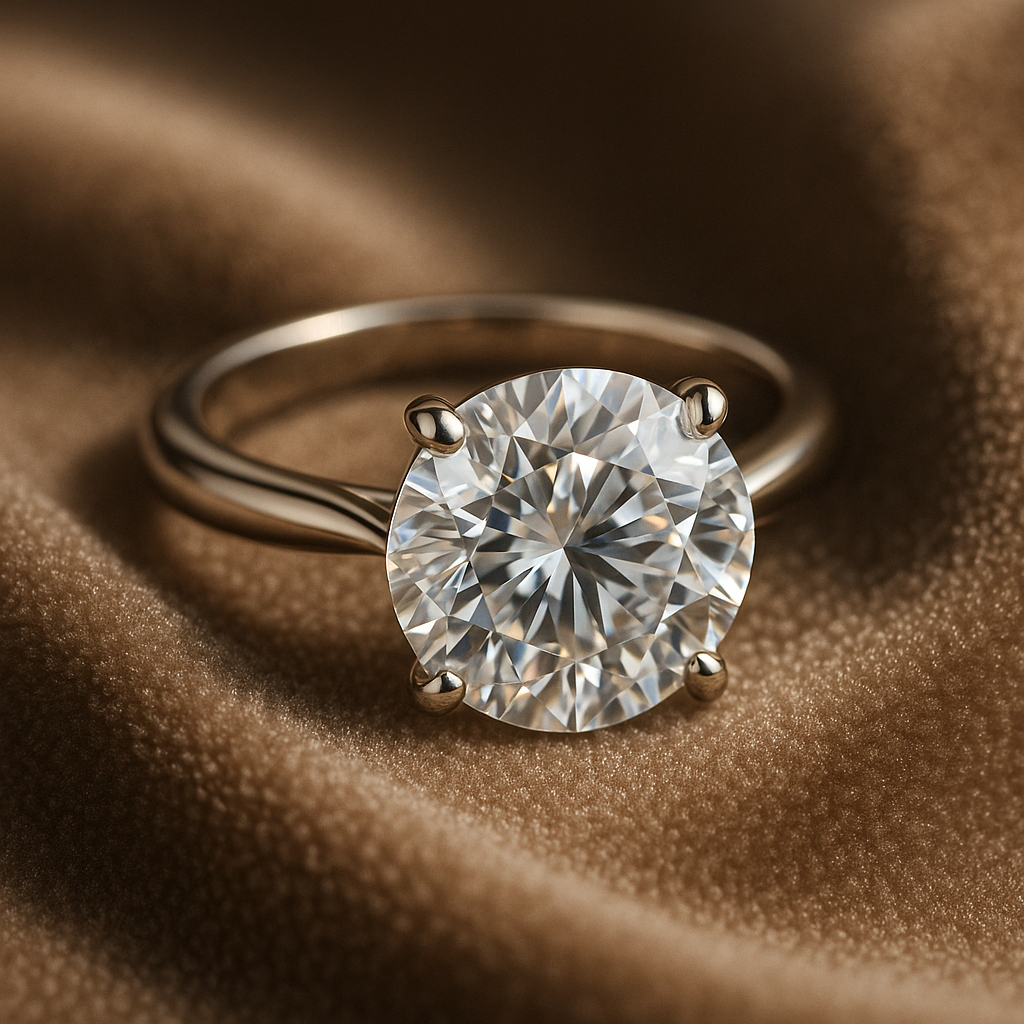
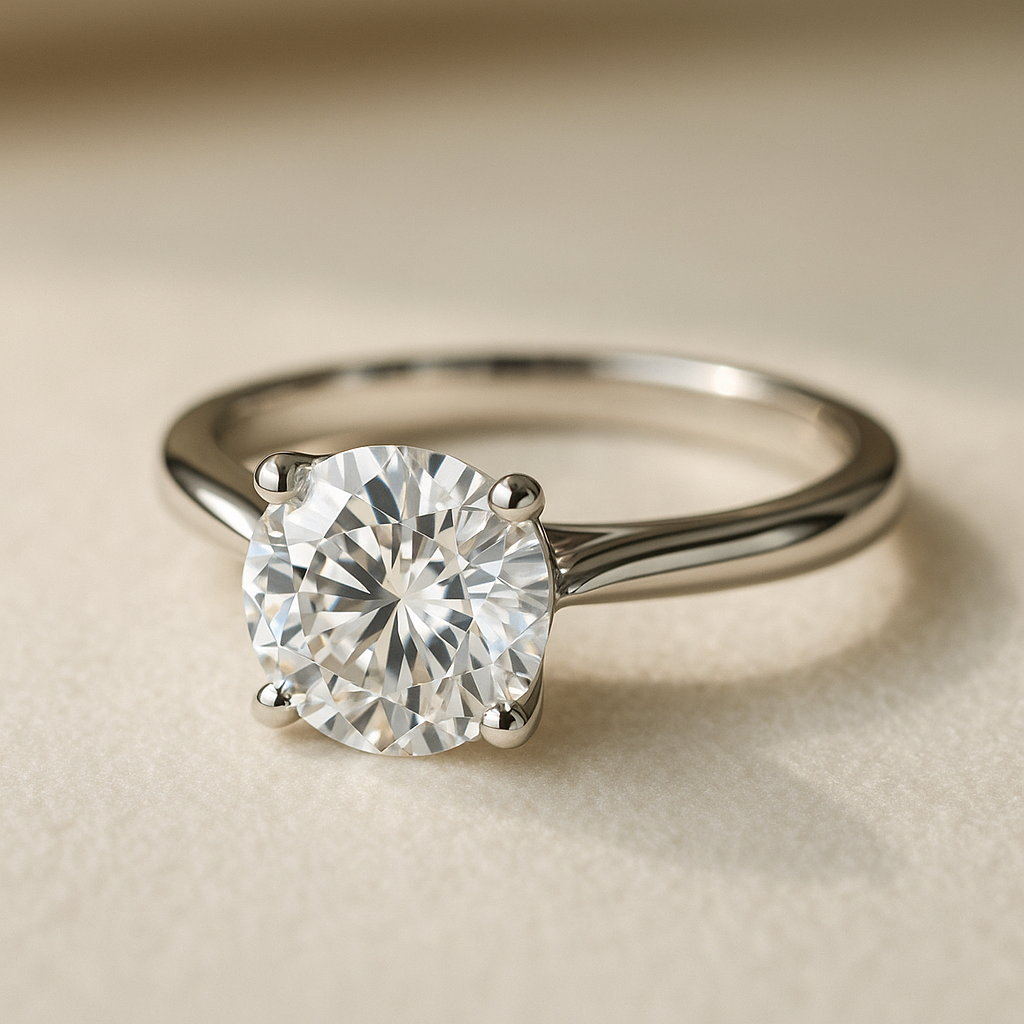
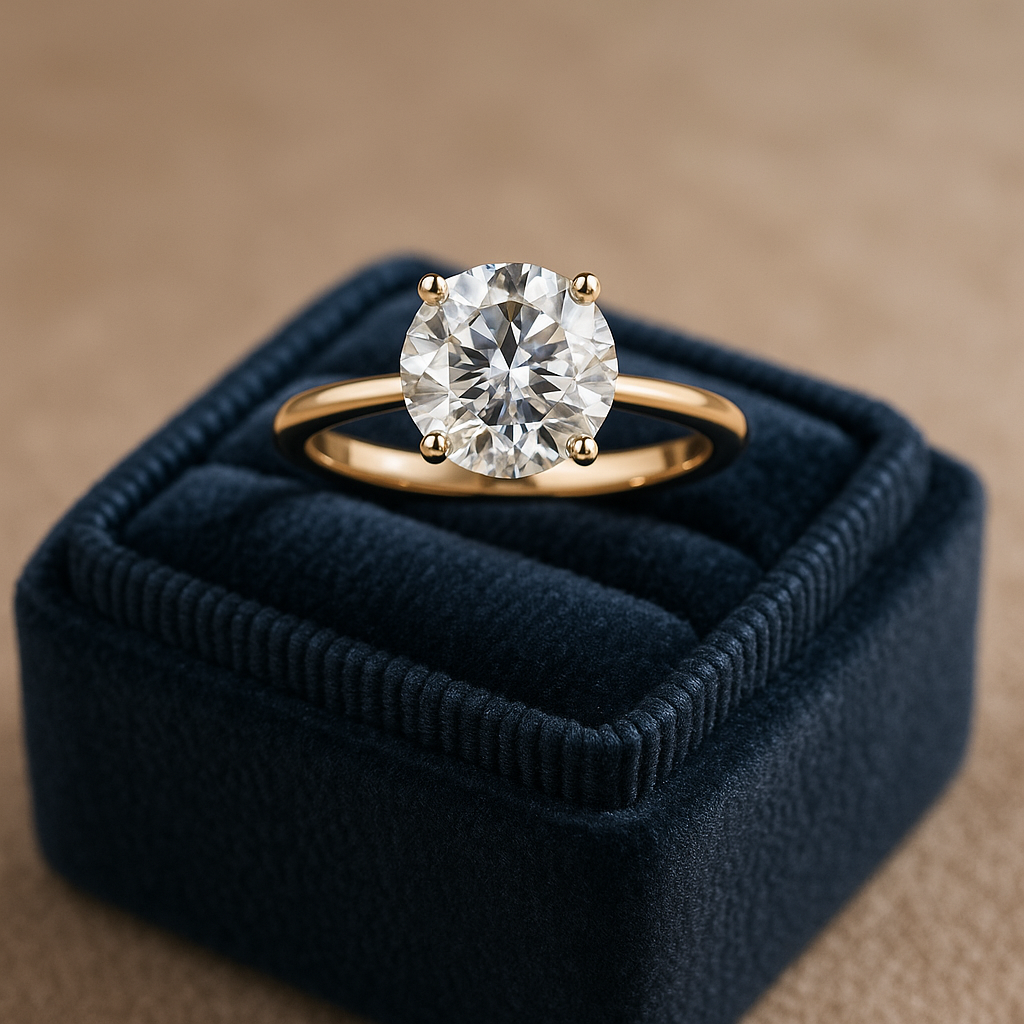
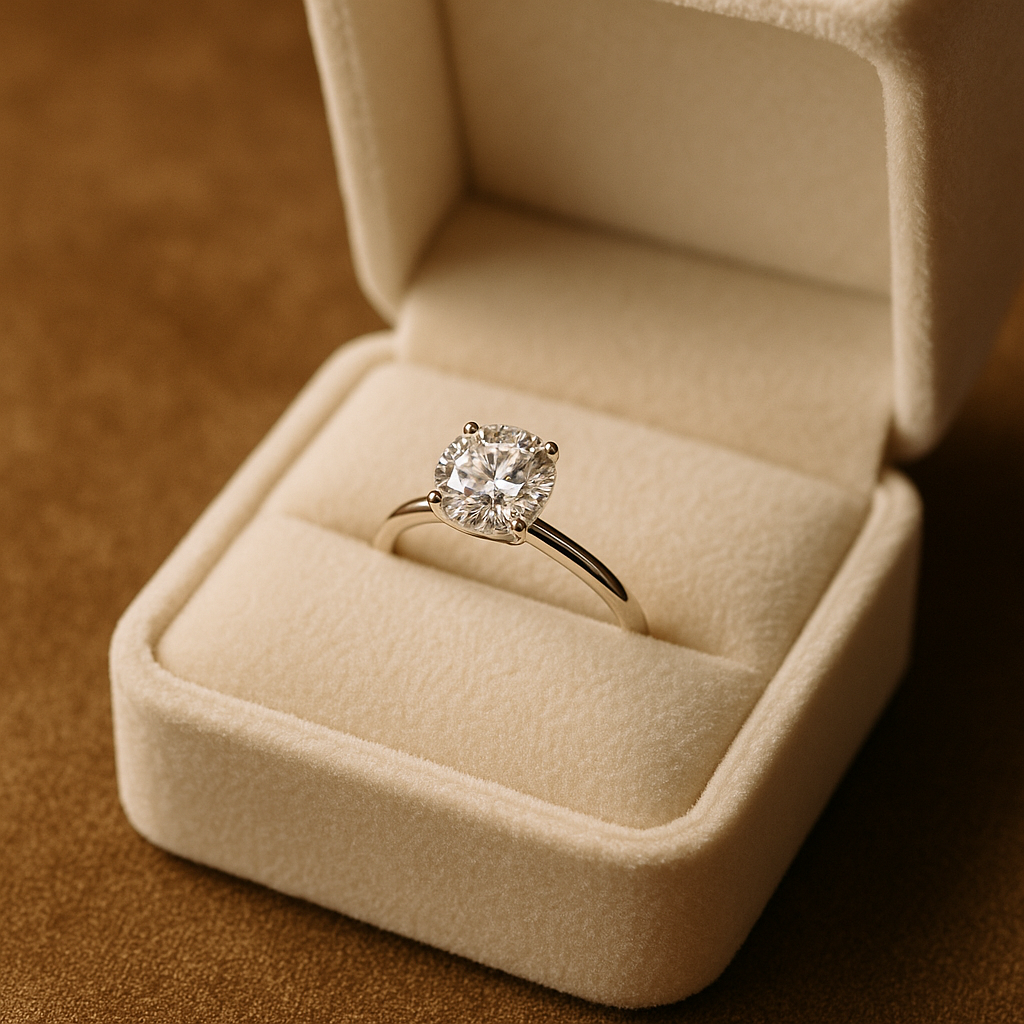
In recent years, lab-grown diamonds have surged in popularity, offering an ethical and often more affordable alternative to natural diamonds. As consumers become more informed about their choices, navigating the world of engagement rings and fine jewelry can seem daunting. This article aims to clarify what lab-grown diamonds are, their benefits, and how they stack up against natural diamonds.
What Are Lab-Grown Diamonds?
Lab-grown diamonds, also known as synthetic or cultured diamonds, are chemically and physically identical to natural diamonds. They are created in controlled laboratory environments using two primary methods: High Pressure High Temperature (HPHT) and Chemical Vapor Deposition (CVD).
High Pressure High Temperature (HPHT)
The HPHT process mimics the natural conditions under which diamonds form in the earth’s mantle. By using carbon and applying immense heat and pressure, a diamond crystal is formed.
Chemical Vapor Deposition (CVD)
CVD involves vaporizing carbon-containing gas, which then deposits onto a substrate to form a diamond layer. This method allows for greater control over the diamond’s characteristics.
Benefits of Lab-Grown Diamonds
Lab-grown diamonds come with several advantages, making them a compelling choice for consumers:
1. Ethical Sourcing
One of the most significant benefits of lab-grown diamonds is their ethical sourcing. Traditional diamond mining can lead to environmental degradation and human rights issues. Lab-grown diamonds, on the other hand, are produced in facilities that adhere to strict ethical standards.
2. Cost-Effectiveness
Lab-grown diamonds typically cost 20-40% less than their natural counterparts. This price difference allows consumers to purchase a larger or higher-quality diamond within the same budget.
3. Quality and Variety
Lab-grown diamonds can offer superior quality as they can be engineered to have fewer inclusions and more color options. This means shoppers can find a diamond that perfectly matches their preferences.
4. Environmental Impact
Lab-grown diamonds have a significantly lower environmental impact than mined diamonds. The energy used in lab production is often more sustainable, and there is no land disruption or ecosystem damage associated with mining.
Lab-Grown Diamonds vs. Natural Diamonds
When it comes to deciding between lab-grown diamonds and natural diamonds, understanding the differences is crucial. Here’s a straightforward comparison:
1. Composition
Both lab-grown and natural diamonds are made of carbon atoms arranged in a crystal structure. The distinction lies in their origin. Natural diamonds form over millions of years deep within the Earth, while lab-grown diamonds are created in a matter of weeks.
2. Certification
Both types of diamonds can be certified by reputable organizations such as the Gemological Institute of America (GIA) or the International Gemological Institute (IGI). Certification ensures that the diamond’s quality and characteristics are accurately represented.
3. Resale Value
Natural diamonds traditionally hold their value well, though the resale market can fluctuate. Lab-grown diamonds generally have lower resale value due to their lower retail prices and the fact that they can be produced on-demand.
4. Sentimental Value
For some, natural diamonds carry more sentimental value, often due to the association with traditional engagement rituals and their rarity. However, for those prioritizing ethical consumption, lab-grown diamonds offer a meaningful alternative.
Frequently Asked Questions (FAQs)
Are lab-grown diamonds real diamonds?
Yes, lab-grown diamonds are real diamonds. They have the same physical and chemical properties as natural diamonds, making them indistinguishable to the naked eye.
How can I identify a lab-grown diamond?
Lab-grown diamonds can be identified through specialized equipment that detects growth patterns and inclusions characteristic of lab creation. Certification from a gemological institute will also indicate the diamond’s origin.
Do lab-grown diamonds last as long as natural diamonds?
Yes, lab-grown diamonds are just as durable and long-lasting as natural diamonds. Both types register a 10 on the Mohs scale of hardness, which means they are incredibly resilient.
What is the price difference between lab-grown diamonds and natural diamonds?
Lab-grown diamonds are typically 20-40% less expensive than natural diamonds. The exact price difference depends on factors such as size, quality, and branding.
Are lab-grown diamonds better for the environment?
Yes, lab-grown diamonds have a smaller environmental footprint compared to natural diamonds, which involve disruptive mining practices. Choosing lab-grown can be a more sustainable option.
Conclusion
Choosing a diamond is a significant decision, whether for an engagement ring or a piece of fine jewelry. Lab-grown diamonds have emerged as a popular alternative to natural diamonds, offering ethical sourcing, cost savings, and comparable quality. Understanding the differences and benefits of lab-grown diamonds can empower consumers to make informed choices that align with their values and budget.
At Celebrity Diamonds, we are committed to providing exquisite options whether you prefer lab-grown or natural diamonds. Explore our collection to find the perfect piece that reflects your love story.