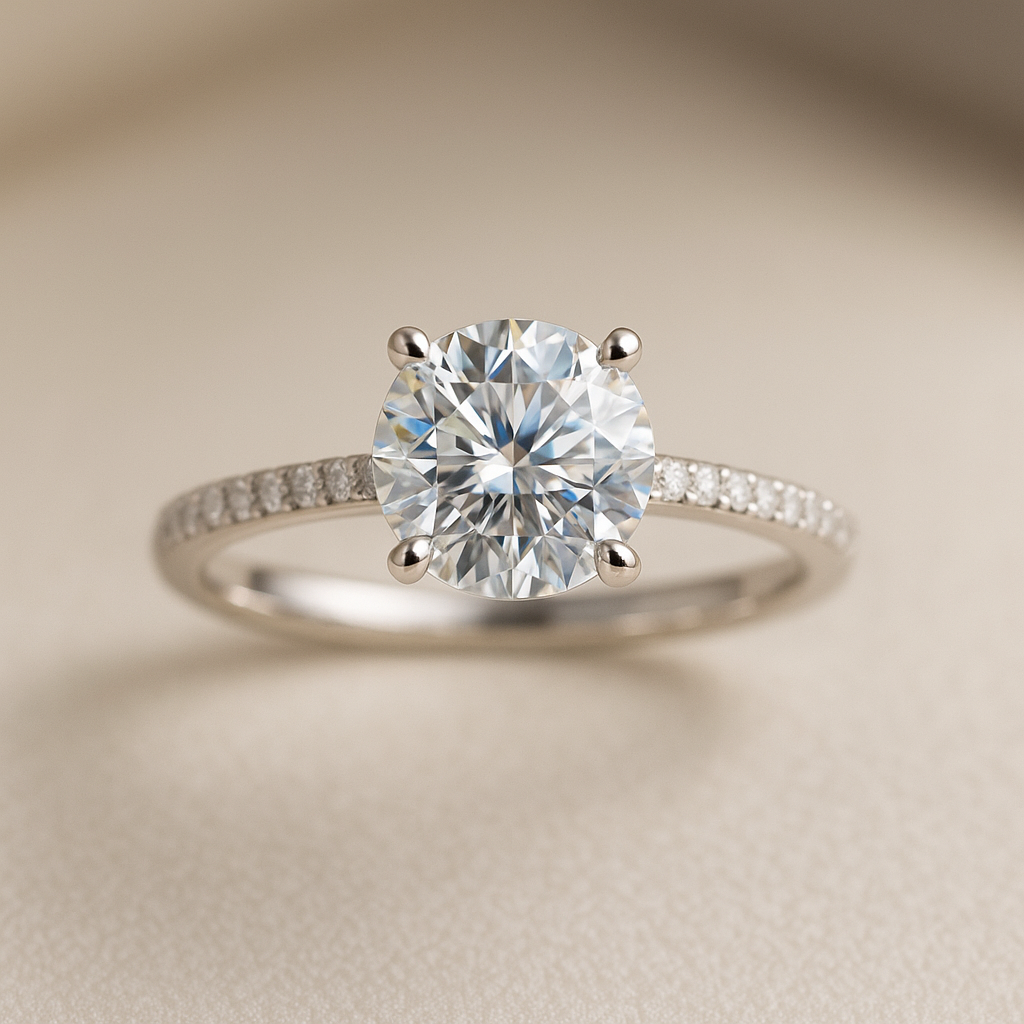
Understanding Lab-Grown Diamonds: The Future of Fine Jewelry
As consumers become more educated about their options, lab-grown diamonds are gaining recognition for their ethical and environmental advantages. But what exactly are lab-grown diamonds, and how do they compare to their natural counterparts? In this article, we will explore the science behind lab-grown diamonds, their benefits, and what you should consider when shopping for engagement rings and fine jewelry.
What Are Lab-Grown Diamonds?
Lab-grown diamonds, also known as synthetic or cultured diamonds, are created in controlled environments using advanced technology. These diamonds have the same physical, chemical, and optical properties as natural diamonds, which are formed over millions of years deep within the Earth’s crust. The two main methods for producing lab-grown diamonds are High Pressure High Temperature (HPHT) and Chemical Vapor Deposition (CVD).
The Science Behind Lab-Grown Diamonds
The HPHT method mimics the natural formation of diamonds by replicating the high-pressure, high-temperature conditions found in the Earth. During this process, carbon is subjected to extreme pressure and temperature, resulting in the crystallization of diamonds.
On the other hand, the CVD method involves the use of carbon-rich gases that are ionized to create a plasma, which allows carbon atoms to deposit onto a substrate, forming a diamond layer over time. Both methods produce diamonds that are chemically identical to natural diamonds, down to their atomic structure.
Benefits of Lab-Grown Diamonds
Lab-grown diamonds come with several benefits that appeal to a wide range of consumers:
- Ethical Sourcing: Lab-grown diamonds eliminate the risk of conflict diamonds, ensuring that your purchase does not contribute to human rights abuses.
- Environmental Impact: Producing lab-grown diamonds generally has a smaller ecological footprint compared to traditional diamond mining, which can cause significant environmental disruption.
- Cost-Effectiveness: Lab-grown diamonds are typically 20-40% less expensive than natural diamonds, allowing consumers to obtain larger or higher-quality stones within their budget.
- Traceability: With lab-grown diamonds, consumers can often trace the diamond’s origin more easily, providing peace of mind regarding its ethical sourcing.
How to Shop for Lab-Grown Diamonds
When shopping for a lab-grown diamond, here are some tips to consider:
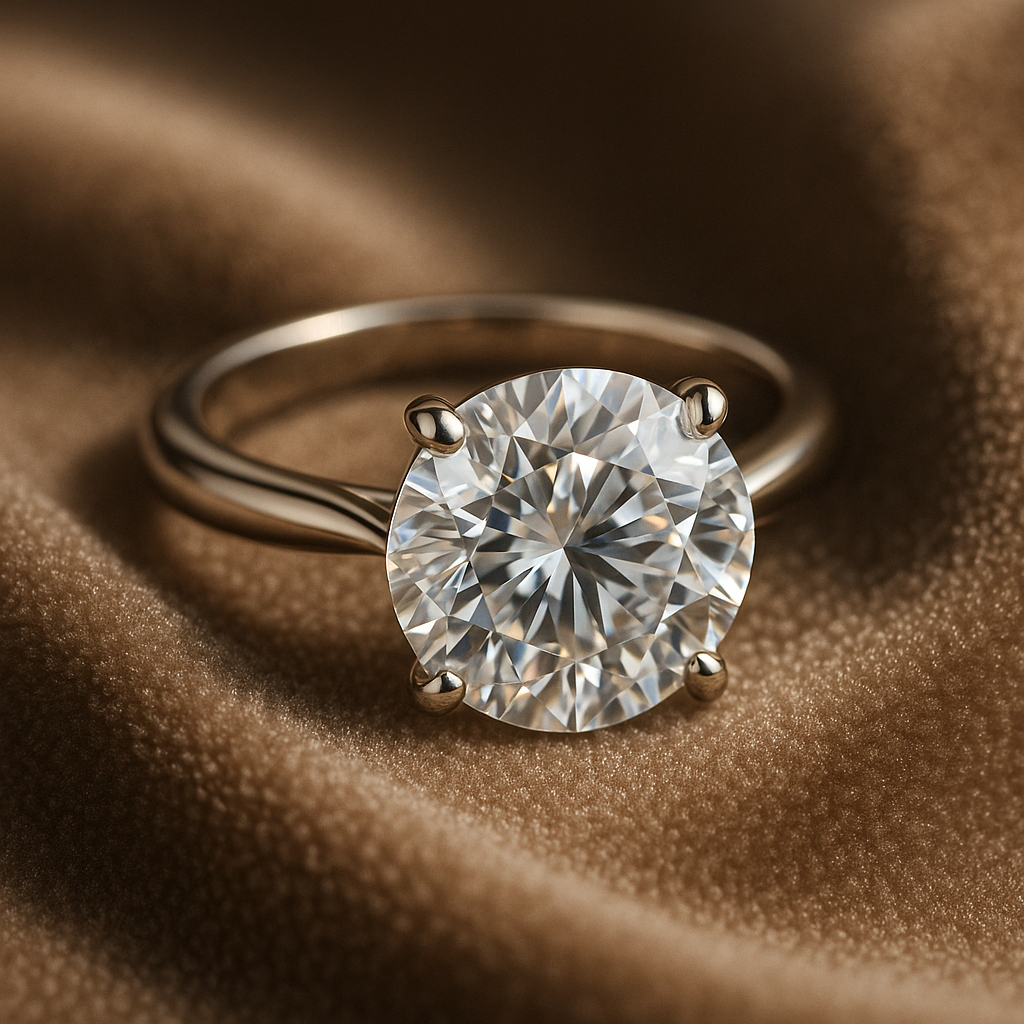
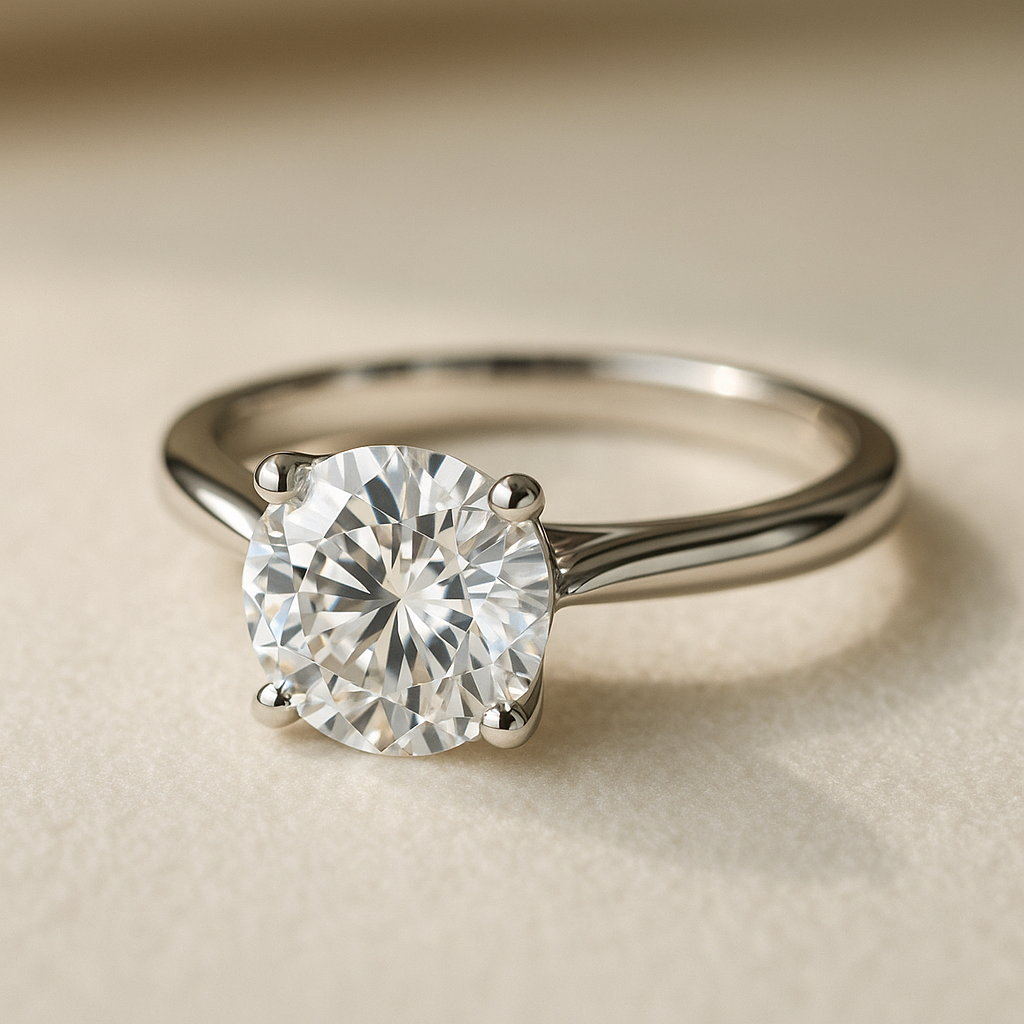
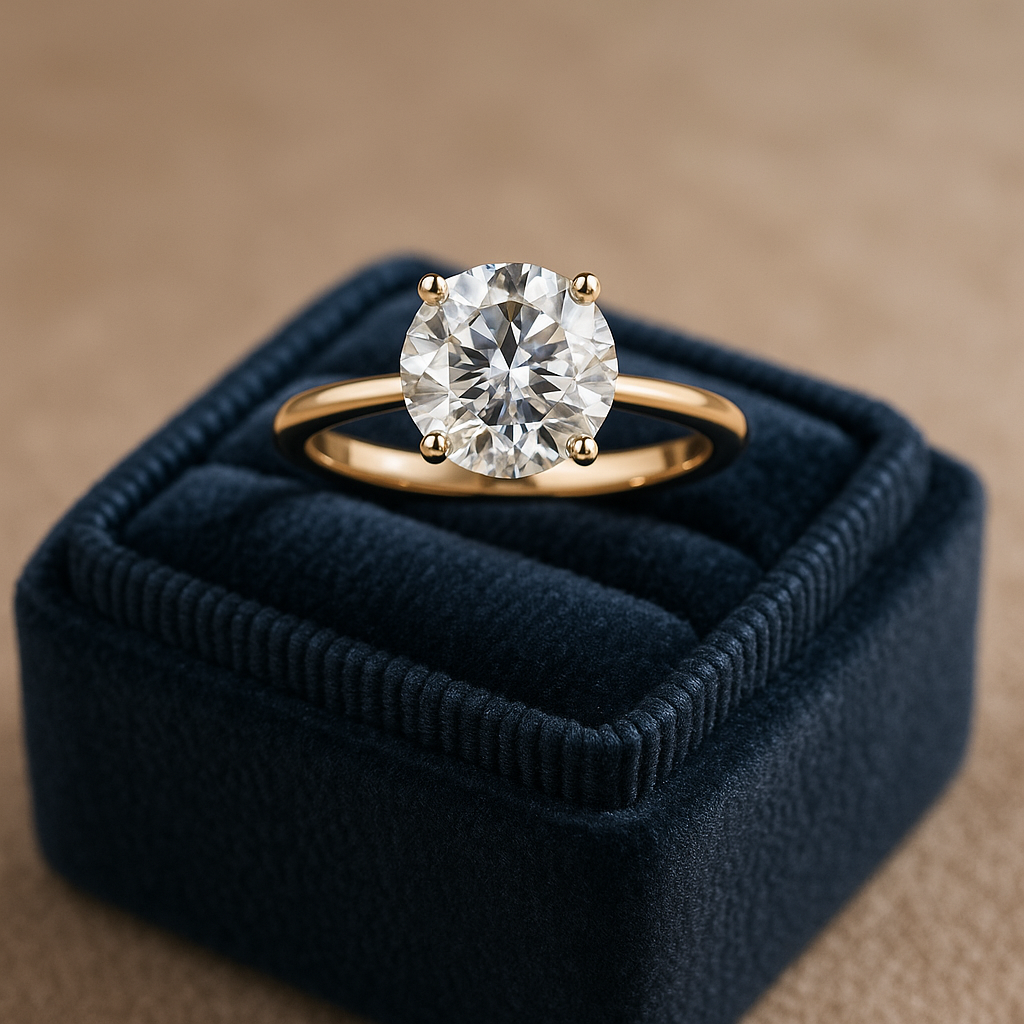
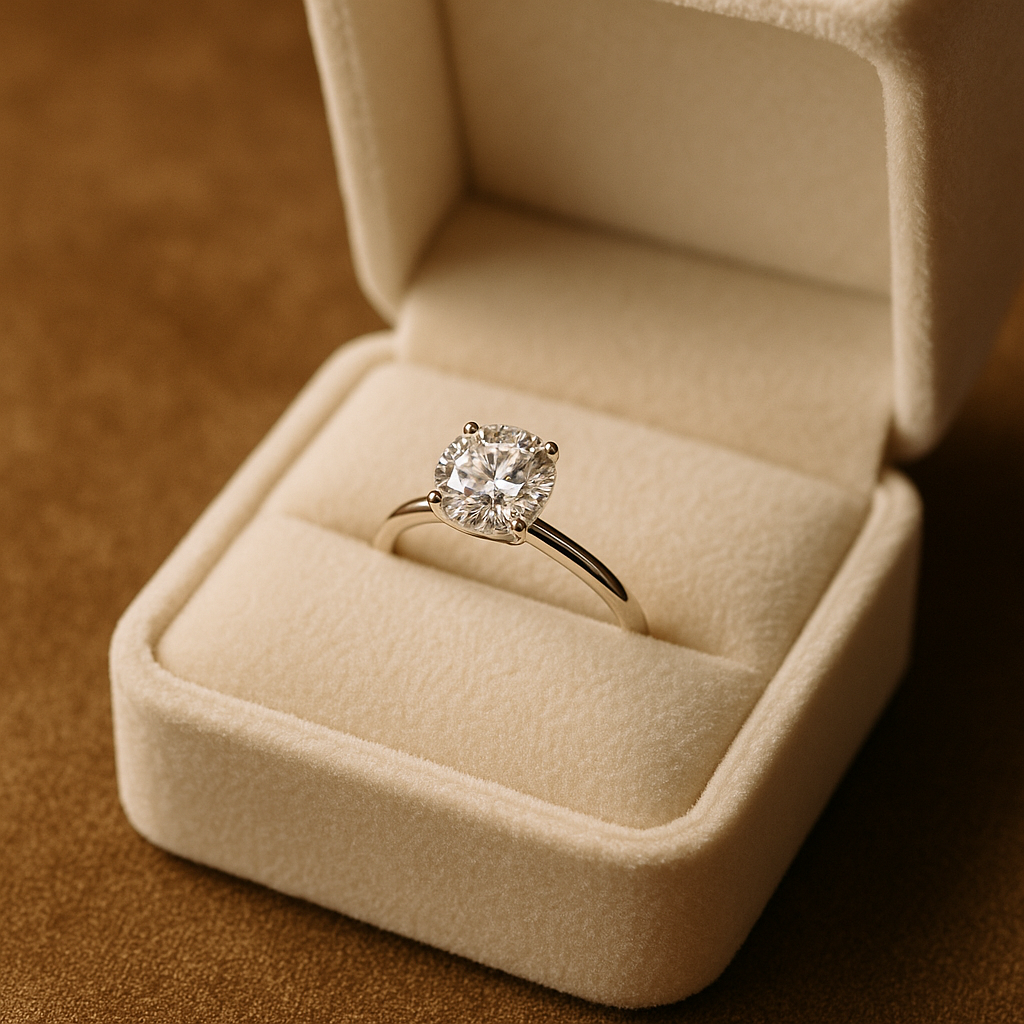
- Cuts and Shapes: Just like natural diamonds, lab-grown diamonds come in various cuts and shapes. Choose one that best fits your style and preferences.
- Certification: Look for diamonds that come with certification from reputable gemological labs such as the Gemological Institute of America (GIA) or the International Gemological Institute (IGI). This ensures that the diamond’s qualities are accurately assessed.
- Setting and Metal: Consider the setting and metal of your engagement ring. Popular options include white gold, yellow gold, rose gold, and platinum. Each has its own aesthetic and durability.
- Education: Educate yourself about the 4Cs (Cut, Carat, Color, Clarity) to make a more informed decision. Understanding these will help you choose a diamond that meets your expectations.
Lab-Grown Diamonds vs. Natural Diamonds: Key Differences
While lab-grown and natural diamonds share many similarities, there are key differences to consider:
- Origin: The most obvious difference is the origin—lab-grown diamonds are created in a laboratory, while natural diamonds are mined from the Earth.
- Pricing: Lab-grown diamonds are generally more affordable, making them an attractive option for budget-conscious shoppers.
- Value Retention: Natural diamonds tend to retain their value better than lab-grown diamonds, which may depreciate more quickly due to their abundance and lower production costs.
Frequently Asked Questions
Are lab-grown diamonds real diamonds?
Yes, lab-grown diamonds are real diamonds. They possess the same physical and chemical properties as natural diamonds, making them indistinguishable to the naked eye.
How can I tell if a diamond is lab-grown or natural?
The only way to definitively determine a diamond’s origin is through certification by a reputable gemological lab, which will specify whether it is lab-grown or natural.
Do lab-grown diamonds last as long as natural diamonds?
Yes, lab-grown diamonds are just as durable as natural diamonds. Both types rank a 10 on the Mohs hardness scale, making them suitable for everyday wear.
Can lab-grown diamonds be resold?
Lab-grown diamonds can be resold, but their resale value may be lower compared to natural diamonds due to market demand and supply factors.
Are lab-grown diamonds environmentally friendly?
Yes, lab-grown diamonds typically have a smaller environmental footprint compared to mined diamonds, which can cause significant ecological damage during extraction.
Conclusion
Lab-grown diamonds are revolutionizing the jewelry industry, offering a viable alternative to natural diamonds. They provide consumers with ethical, environmentally friendly, and cost-effective options without sacrificing quality or beauty. As you explore the world of fine jewelry, consider the benefits of lab-grown diamonds and how they align with your values and budget.
Whether you’re shopping for an engagement ring or a timeless piece of jewelry, lab-grown diamonds deserve serious consideration. At Celebrity Diamonds, we are committed to helping you find the perfect diamond that suits your unique style and preferences.