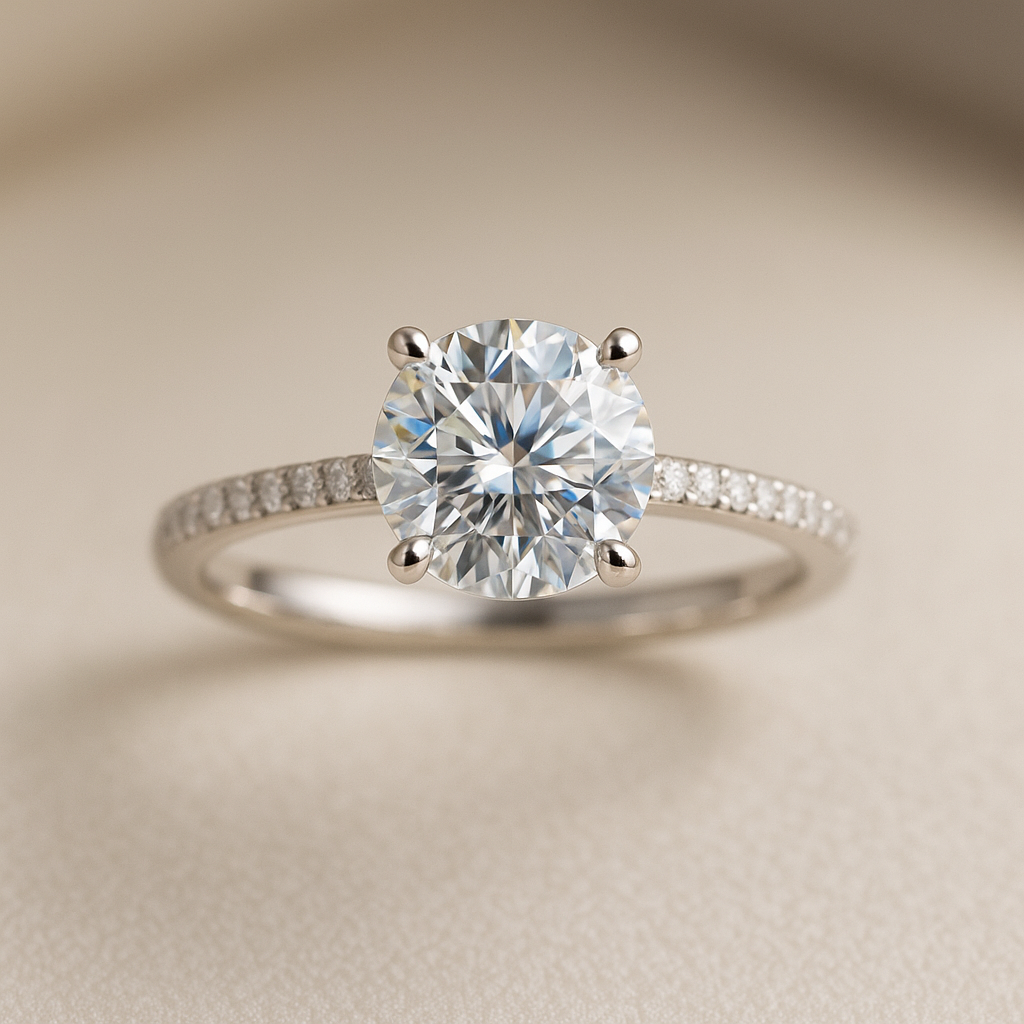

Understanding Lab-Grown Diamonds: The Smart Choice for Engagement Rings
As the trend in engagement rings continues to evolve, lab-grown diamonds are gaining traction among consumers looking for both value and ethical options. In this article, we will explore what lab-grown diamonds are, how they compare to natural diamonds, and why they might be the perfect choice for your engagement ring.
What Are Lab-Grown Diamonds?
Lab-grown diamonds, also known as synthetic or cultured diamonds, are created in controlled environments using advanced technology that replicates the natural diamond formation process. Unlike natural diamonds, which take millions of years to form underground, lab-grown diamonds can be produced in a matter of weeks or months.
How Are Lab-Grown Diamonds Made?
There are two primary methods for creating lab-grown diamonds: High Pressure High Temperature (HPHT) and Chemical Vapor Deposition (CVD). Both processes result in diamonds that are chemically, physically, and optically identical to their natural counterparts.
- High Pressure High Temperature (HPHT): This method simulates the high-pressure and high-temperature conditions that occur in the Earth’s mantle, creating a diamond from carbon.
- Chemical Vapor Deposition (CVD): This technology involves breaking down carbon-containing gases into carbon atoms, which then settle on a substrate, forming a diamond layer by layer.
Lab-Grown Diamonds vs. Natural Diamonds
When considering an engagement ring, the choice between lab-grown and natural diamonds often comes down to personal preference, budget, and values. Here are some key comparisons:
1. Cost
Lab-grown diamonds are significantly more affordable than natural diamonds, often priced 20-40% lower for the same carat weight, cut, color, and clarity. This cost-effective nature allows consumers to purchase a larger or higher-quality diamond for their budget.
2. Quality
Both lab-grown and natural diamonds can achieve exceptional quality ratings on the Gemological Institute of America’s (GIA) scale. Lab-grown diamonds are often produced with fewer inclusions and higher clarity ratings, which can make them a more visually appealing option.
3. Ethical and Environmental Impact
As awareness of ethical sourcing increases, lab-grown diamonds have become a popular choice for environmentally conscious consumers. These diamonds are created without the harmful mining practices associated with natural diamonds, which can lead to significant environmental degradation and human rights concerns.
4. Resale Value
While lab-grown diamonds are gaining popularity, they typically do not retain their value as well as natural diamonds. This is an important consideration for consumers who may consider resale in the future.
Why Choose Lab-Grown Diamonds for Your Engagement Ring?
Choosing a lab-grown diamond can be a thoughtful decision for many reasons:
- Value for Money: With lab-grown diamonds, you get more diamond for your dollar, enabling you to either spend less or secure a higher-quality stone.
- Ethically Sourced: With the knowledge that your diamond is conflict-free and environmentally friendly, you can wear it with pride.
- Modern Technology: The innovation behind lab-grown diamonds reflects a modern approach to luxury, aligning with contemporary values.
- Unique Choices: Lab-grown diamonds often come in a wider variety of shapes and sizes, allowing for more personalized engagement ring designs.
Frequently Asked Questions (FAQs)
Are lab-grown diamonds real diamonds?
Yes, lab-grown diamonds are real diamonds. They have the same physical, chemical, and optical properties as natural diamonds, making them indistinguishable to the naked eye and even by gemological testing.
Do lab-grown diamonds last as long as natural diamonds?
Absolutely! Lab-grown diamonds are just as durable as natural diamonds and will last a lifetime, making them a perfect option for engagement rings.
How can I tell if a diamond is lab-grown or natural?
The most reliable way to distinguish between lab-grown and natural diamonds is through certification from reputable gemological laboratories, like GIA or AGS. Lab-grown diamonds will typically have a grading report that indicates their synthetic origin.
What should I consider when buying a lab-grown diamond?
When purchasing a lab-grown diamond, consider the 4 Cs: carat, cut, color, and clarity. Additionally, look for a reputable retailer who provides certification and transparency about the diamond’s origin.
Conclusion
As you embark on the journey to find the perfect engagement ring, consider the advantages of lab-grown diamonds. They offer a blend of beauty, ethical sourcing, and affordability that can resonate with modern values. Whether you choose a stunning lab-grown diamond or a natural counterpart, the love and commitment it symbolizes remain unchanged.