
The Truth About Lab-Grown Diamonds: A Comprehensive Guide
As consumers increasingly seek ethical and sustainable options in their purchasing decisions, lab-grown diamonds have emerged as a popular alternative to natural diamonds. At Celebrity Diamonds, we understand the importance of making an informed choice, especially when it comes to engagement rings and fine jewelry. In this article, we will delve into the world of lab-grown diamonds, exploring their characteristics, benefits, and how they compare to their natural counterparts.
What Are Lab-Grown Diamonds?
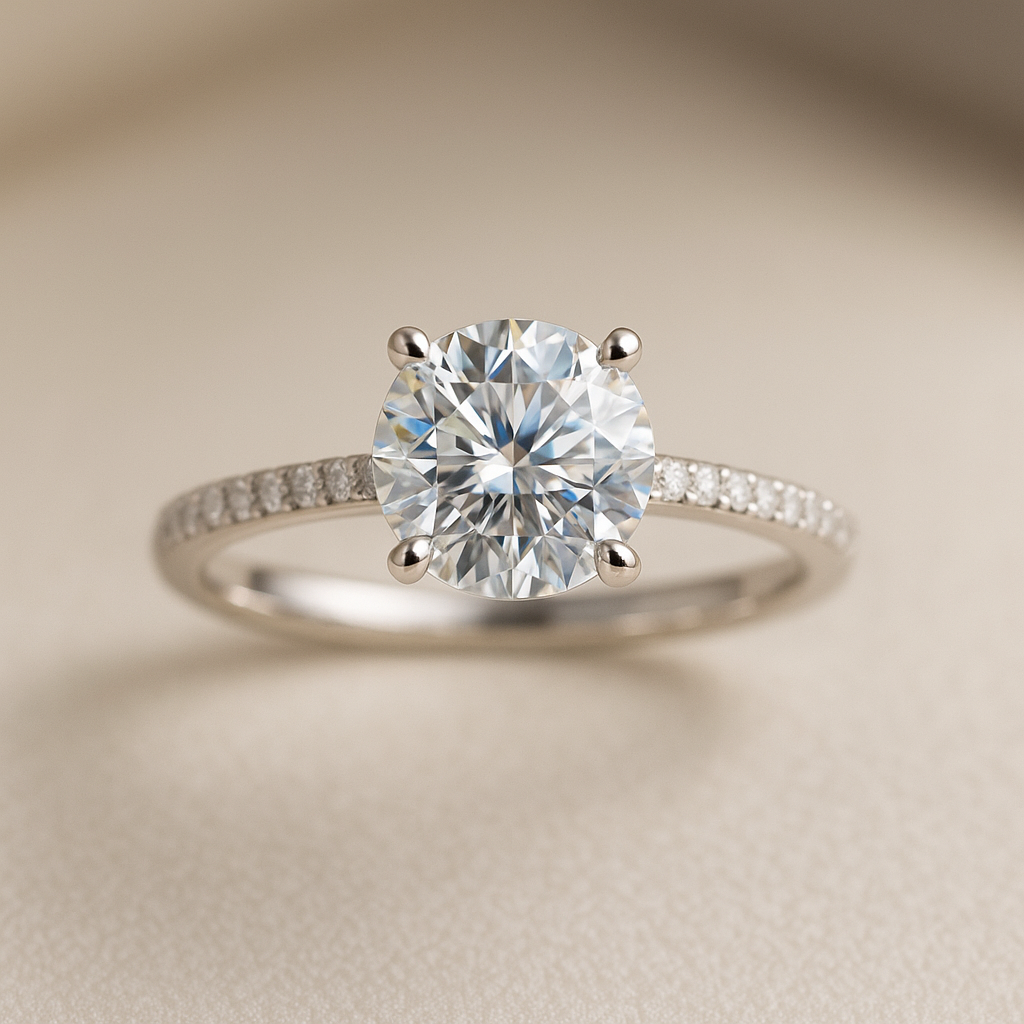
Lab-grown diamonds, also known as synthetic or cultured diamonds, are real diamonds created in controlled laboratory conditions. They possess the same physical, chemical, and optical properties as natural diamonds, making them indistinguishable to the naked eye. Using technology that replicates the natural diamond-growing process, these diamonds are produced from carbon atoms under high pressure and temperature.
Key Differences Between Lab-Grown and Natural Diamonds
While lab-grown diamonds and natural diamonds share identical characteristics, there are some key differences that consumers should be aware of:
- Origin: Natural diamonds are mined from the earth and formed over millions of years, while lab-grown diamonds are created in a matter of weeks in a lab environment.
- Cost: Lab-grown diamonds typically cost 20-40% less than natural diamonds, making them an attractive option for budget-conscious shoppers.
- Environmental Impact: Lab-grown diamonds are often considered more sustainable than mined diamonds, as they do not involve the extensive mining processes that can harm ecosystems.
- Social Responsibility: Choosing lab-grown diamonds helps support ethical practices in the jewelry industry, reducing the risk of conflict diamonds.
The Benefits of Choosing Lab-Grown Diamonds
There are several compelling reasons to consider lab-grown diamonds when choosing an engagement ring or fine jewelry:
1. Affordability
Lab-grown diamonds are generally less expensive than their natural counterparts. This affordability allows consumers to purchase a larger or higher-quality diamond within their budget.
2. Ethical Considerations
By choosing lab-grown diamonds, consumers can avoid the ethical dilemmas often associated with natural diamond mining, such as human rights abuses and environmental damage. This choice aligns with a growing consumer preference for responsible purchasing.
3. Quality and Variety
Lab-grown diamonds come in a wide variety of sizes, colors, and shapes, providing consumers with many options to choose from. Additionally, because they are created in controlled environments, they can often be produced with fewer inclusions and blemishes than natural diamonds.
4. Transparency
Many lab-grown diamonds come with detailed documentation that outlines their origin and manufacturing process. This transparency can give consumers peace of mind knowing what they are purchasing.
Common Myths About Lab-Grown Diamonds
Despite their growing popularity, several myths persist about lab-grown diamonds. Let’s address some of the most common misconceptions:
Myth 1: Lab-Grown Diamonds Are Not Real Diamonds
Fact: Lab-grown diamonds are indeed real diamonds. They have the same atomic structure as natural diamonds, making them optically and chemically identical.
Myth 2: Lab-Grown Diamonds Lack Value
Fact: While lab-grown diamonds are typically less expensive, they still hold value. As the market evolves, lab-grown diamonds are gaining recognition and may appreciate over time.
Myth 3: All Lab-Grown Diamonds Are the Same
Fact: Just like natural diamonds, lab-grown diamonds vary in quality. It’s essential to investigate the diamond’s cut, color, clarity, and carat weight before making a purchase.
How to Choose the Right Lab-Grown Diamond
When selecting a lab-grown diamond, consider the following factors:
1. The 4 Cs
Just like natural diamonds, lab-grown diamonds are graded based on the 4 Cs: cut, color, clarity, and carat weight. Understanding these characteristics will help you make an informed decision.
2. Certification
Choose a lab-grown diamond that comes with certification from a reputable gemological laboratory. Certifications provide assurance about the diamond’s quality and authenticity.
3. Setting and Style
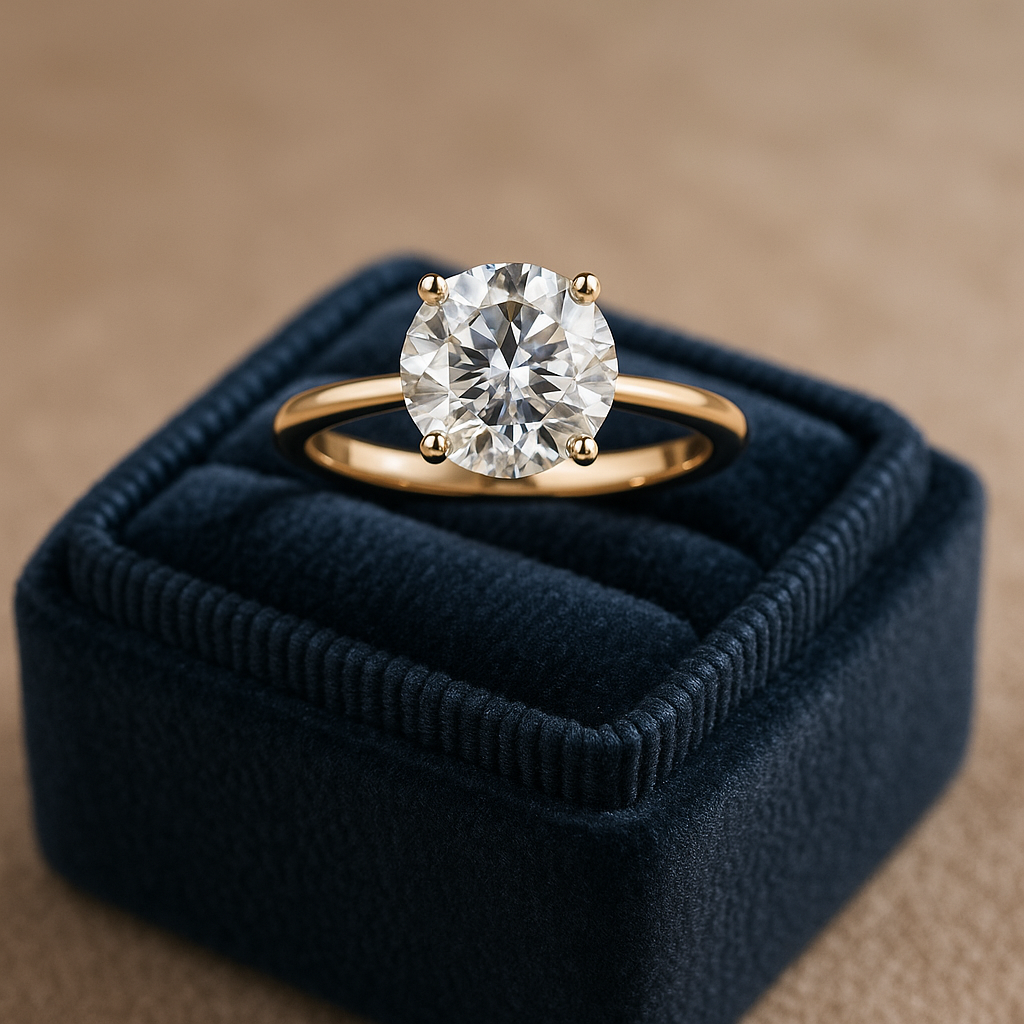
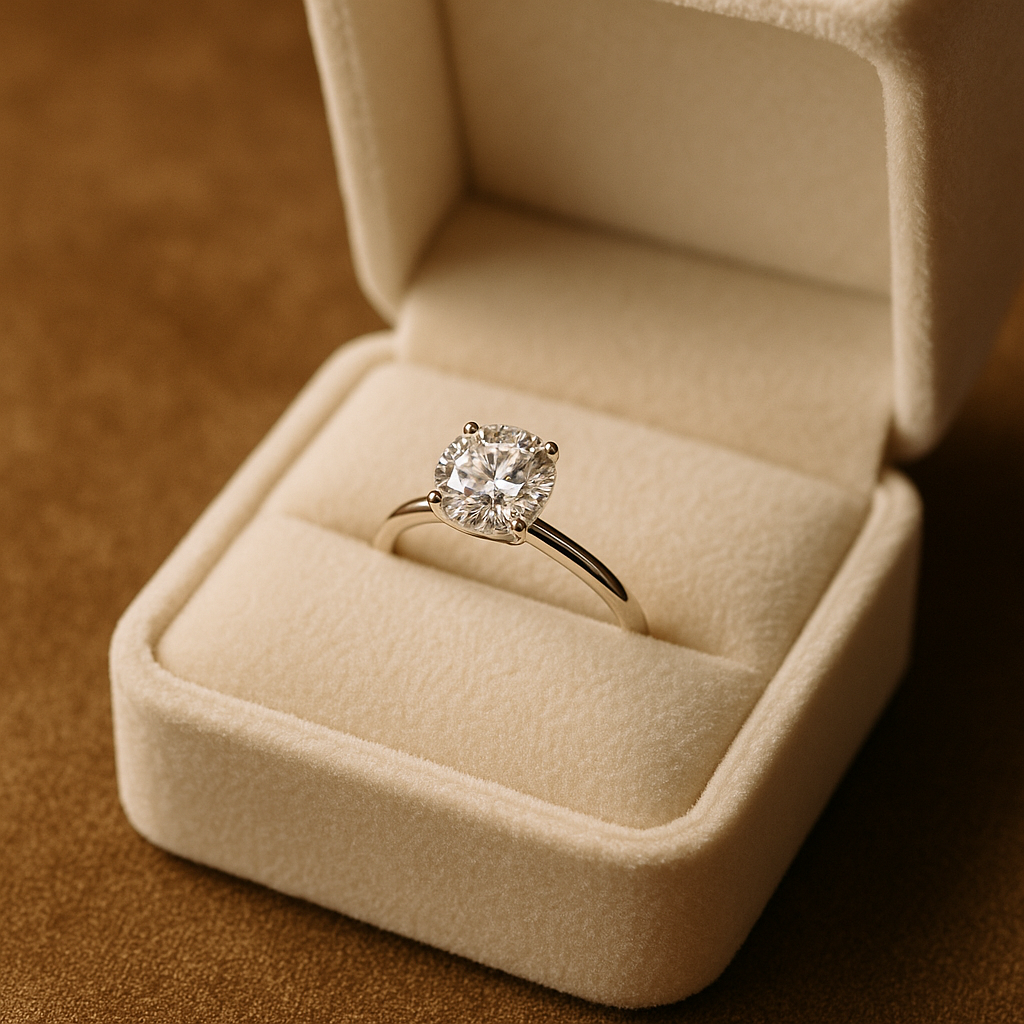
Think about the style of the engagement ring or jewelry piece. Lab-grown diamonds can be set in various metals and styles, allowing for a customized piece that reflects personal taste.
4. Budget
Set a budget before shopping. With lab-grown diamonds generally being more affordable, you might be able to afford a larger or higher-quality stone than you initially expected.
Lab-Grown Diamonds vs. Natural Diamonds: Which Should You Choose?
The choice between lab-grown and natural diamonds ultimately comes down to personal preference and values. If you prioritize ethical sourcing, sustainability, and cost-effectiveness, lab-grown diamonds are an excellent choice. However, if you value the historical significance and natural rarity of diamonds, you may prefer a natural stone.
Frequently Asked Questions (FAQs)
1. Are lab-grown diamonds more environmentally friendly?
Yes, lab-grown diamonds have a smaller environmental footprint compared to mined diamonds, as they do not require extensive mining operations.
2. Do lab-grown diamonds sparkle like natural diamonds?
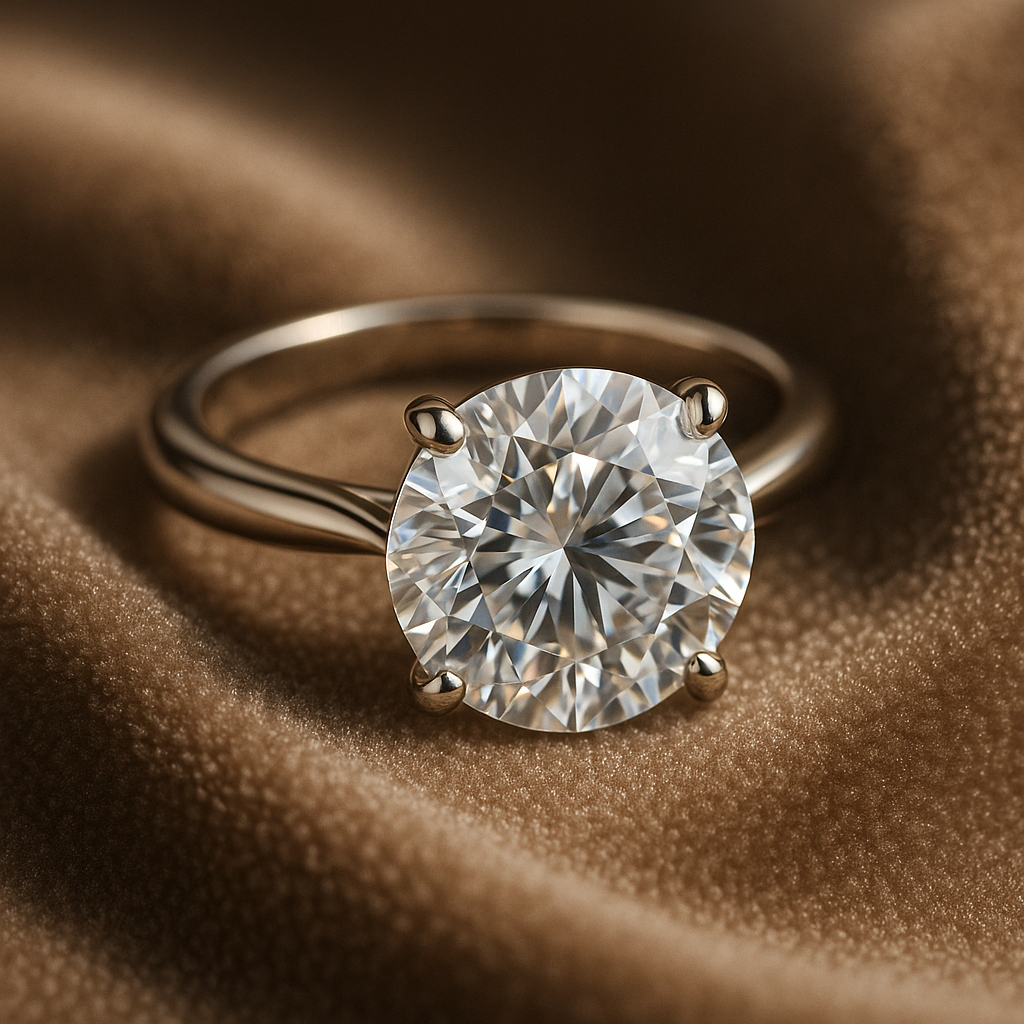
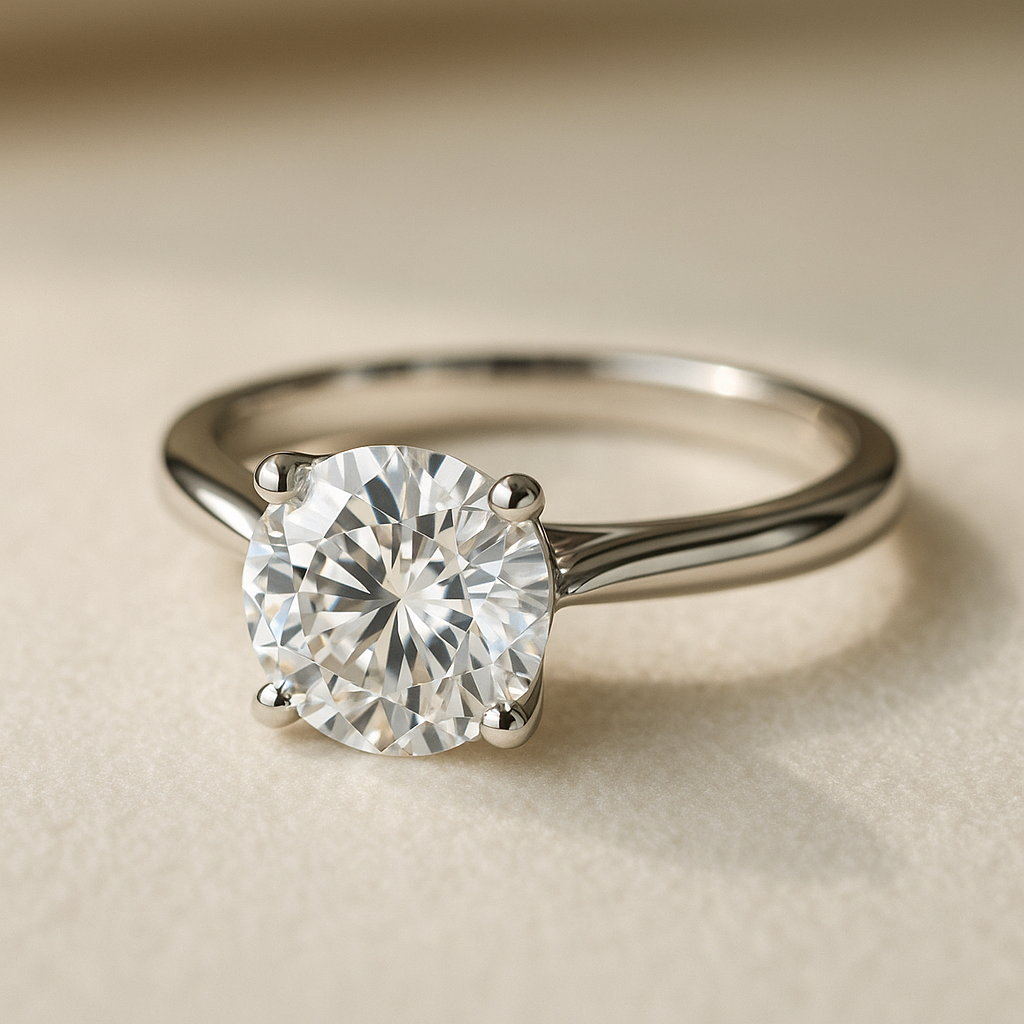
Absolutely! Lab-grown diamonds have the same brilliance and sparkle as natural diamonds, making them equally stunning.
3. Can lab-grown diamonds be resold?
Yes, lab-grown diamonds can be resold, although their resale value may differ from that of natural diamonds. It’s essential to check the current market trends.
4. How do I care for my lab-grown diamond jewelry?
Caring for lab-grown diamonds is similar to caring for natural diamonds. Regular cleaning and cautious handling will keep them looking their best.
Conclusion
Lab-grown diamonds represent a modern, ethical, and affordable choice for consumers seeking fine jewelry. At Celebrity Diamonds, we encourage you to explore the unique qualities of lab-grown diamonds, ensuring that your choice aligns with your values and preferences. Whether you choose a lab-grown or natural diamond, the most important aspect is the love and commitment it represents.