Understanding Lab-Grown Diamonds: A Modern Choice for Engagement Rings
In recent years, the diamond industry has seen a significant shift with the rise of lab-grown diamonds. As couples embark on the journey of selecting the perfect engagement ring, understanding the intricacies of both lab-grown and natural diamonds becomes crucial. This comprehensive guide explores what lab-grown diamonds are, their benefits, and how they compare to their natural counterparts.
What Are Lab-Grown Diamonds?
Lab-grown diamonds, also known as synthetic or cultured diamonds, are created in controlled environments using advanced technology that replicates the natural diamond formation process. Just like natural diamonds, they are made from carbon and exhibit the same physical, chemical, and optical properties. The two primary methods for creating lab-grown diamonds are:
- High Pressure High Temperature (HPHT): This method mimics the extreme heat and pressure conditions that natural diamonds undergo in the Earth’s mantle.
- Chemical Vapor Deposition (CVD): This technique involves using carbon-rich gases to cultivate diamonds layer by layer in a vacuum chamber.
Why Choose Lab-Grown Diamonds?
Many consumers are considering lab-grown diamonds for several compelling reasons:
1. Ethical Considerations
Lab-grown diamonds offer a guilt-free alternative to natural diamonds, which have been associated with conflicts, environmental degradation, and unethical mining practices. By choosing lab-grown, consumers can support sustainable practices and ensure their purchase is free from human rights violations.
2. Cost-Effectiveness
One of the most significant advantages of lab-grown diamonds is their affordability. Typically, lab-grown diamonds cost 20-40% less than natural diamonds of similar size and quality. This price difference allows consumers to invest in larger or higher-quality stones without exceeding their budgets.
3. Quality and Variety
Lab-grown diamonds are available in a wide range of shapes, sizes, and qualities, offering shoppers a plethora of choices. Advanced technology ensures these diamonds are often of superior quality, with fewer inclusions and higher clarity than many natural diamonds.
Lab-Grown vs. Natural Diamonds: A Detailed Comparison
When deciding between lab-grown and natural diamonds, it’s essential to understand the differences and similarities:
| Feature | Lab-Grown Diamonds | Natural Diamonds |
|---|---|---|
| Origin | Created in a lab | Formed over billions of years in the Earth |
| Cost | 20-40% less expensive | Higher prices due to rarity |
| Ethical Impact | Conflict-free and sustainable | Potential for ethical concerns |
| Quality | High clarity and fewer inclusions | Varies widely; some may contain flaws |
| Resale Value | Lower resale value | Generally higher resale value |
How to Choose the Right Lab-Grown Diamond
Choosing a lab-grown diamond can be an enjoyable experience if you keep some essential factors in mind:
1. Understand the 4 Cs
The quality of diamonds—whether lab-grown or natural—is often evaluated based on the 4 Cs: Cut, Color, Clarity, and Carat weight. Familiarize yourself with these factors as they significantly impact the diamond’s appearance and price.
2. Select the Shape
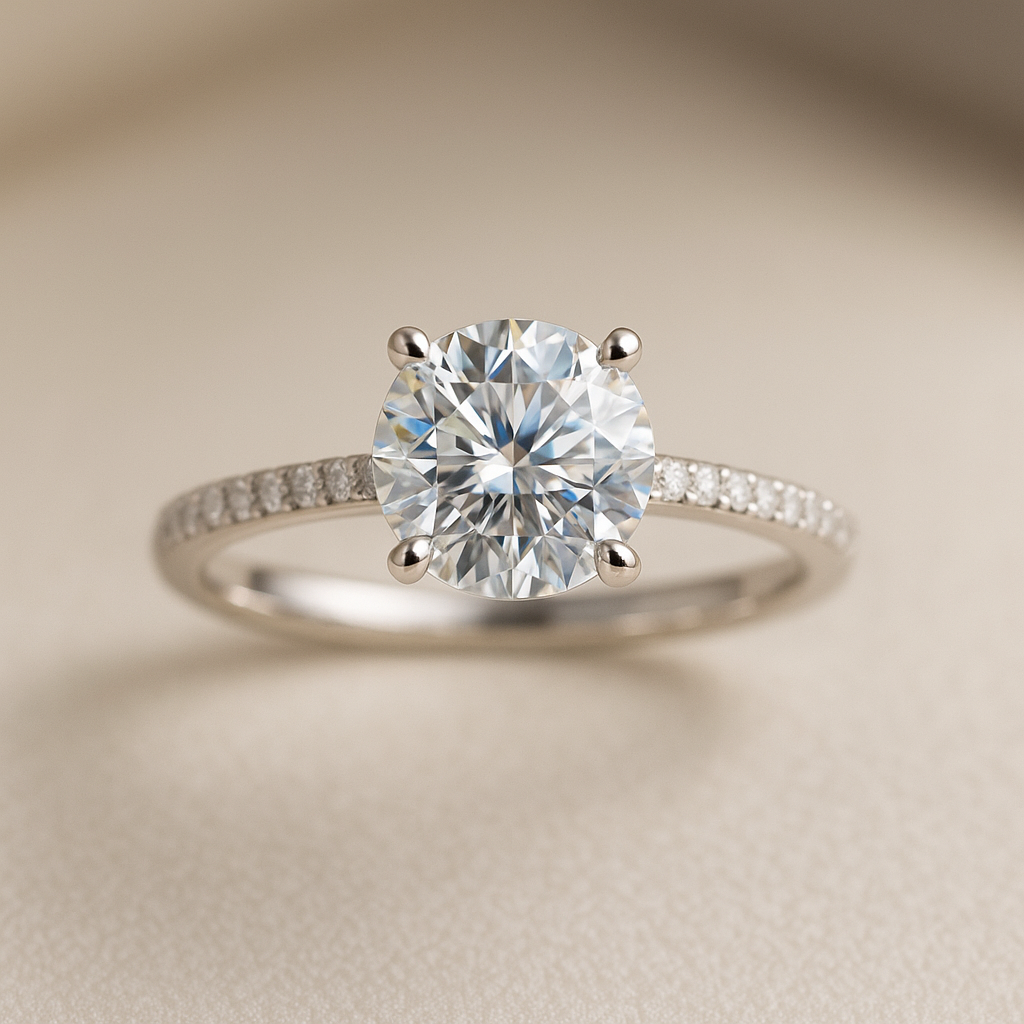
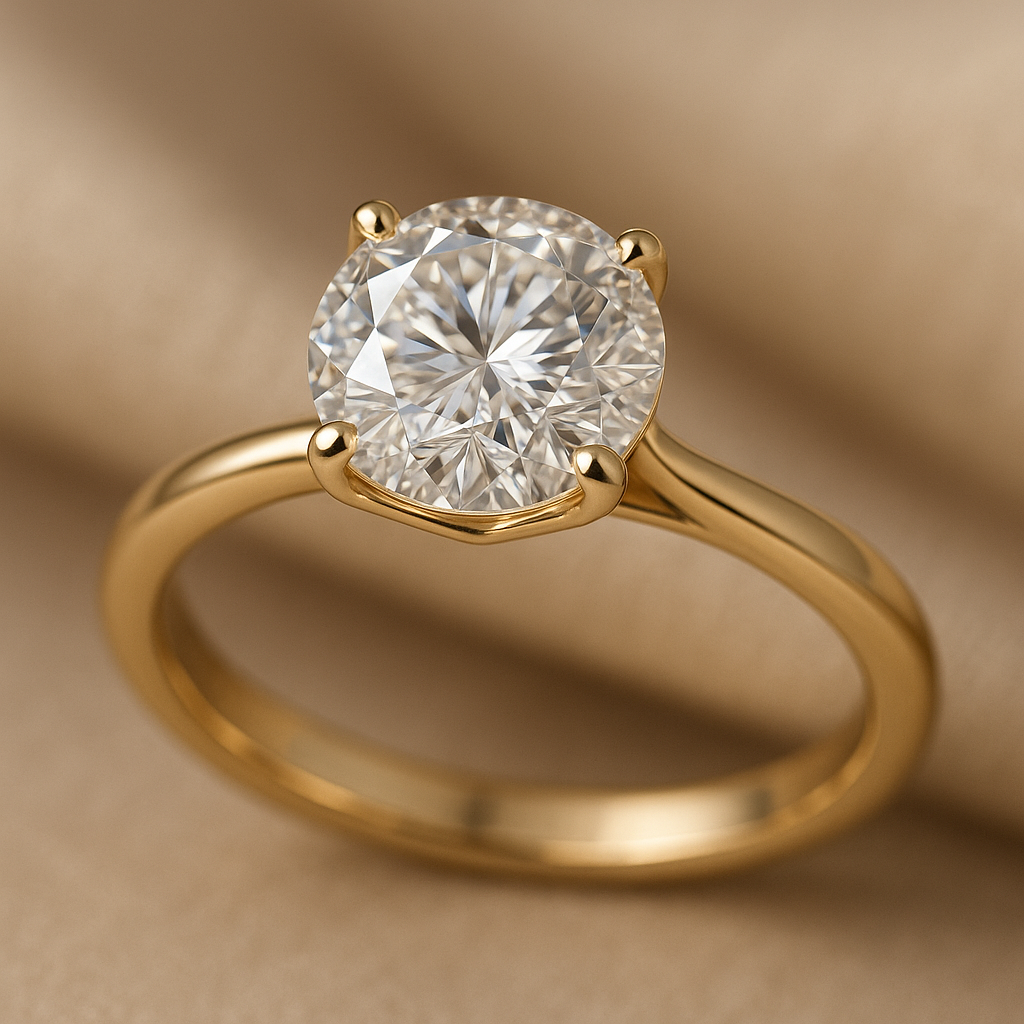
Diamond shape is a matter of personal preference. Common shapes include round, princess, oval, and emerald. Select a shape that resonates with your style, as it sets the tone for the entire ring.
3. Set a Budget
While lab-grown diamonds are generally more affordable, it’s crucial to set a budget before shopping. This will help narrow down options and prevent overspending.
4. Consider the Setting
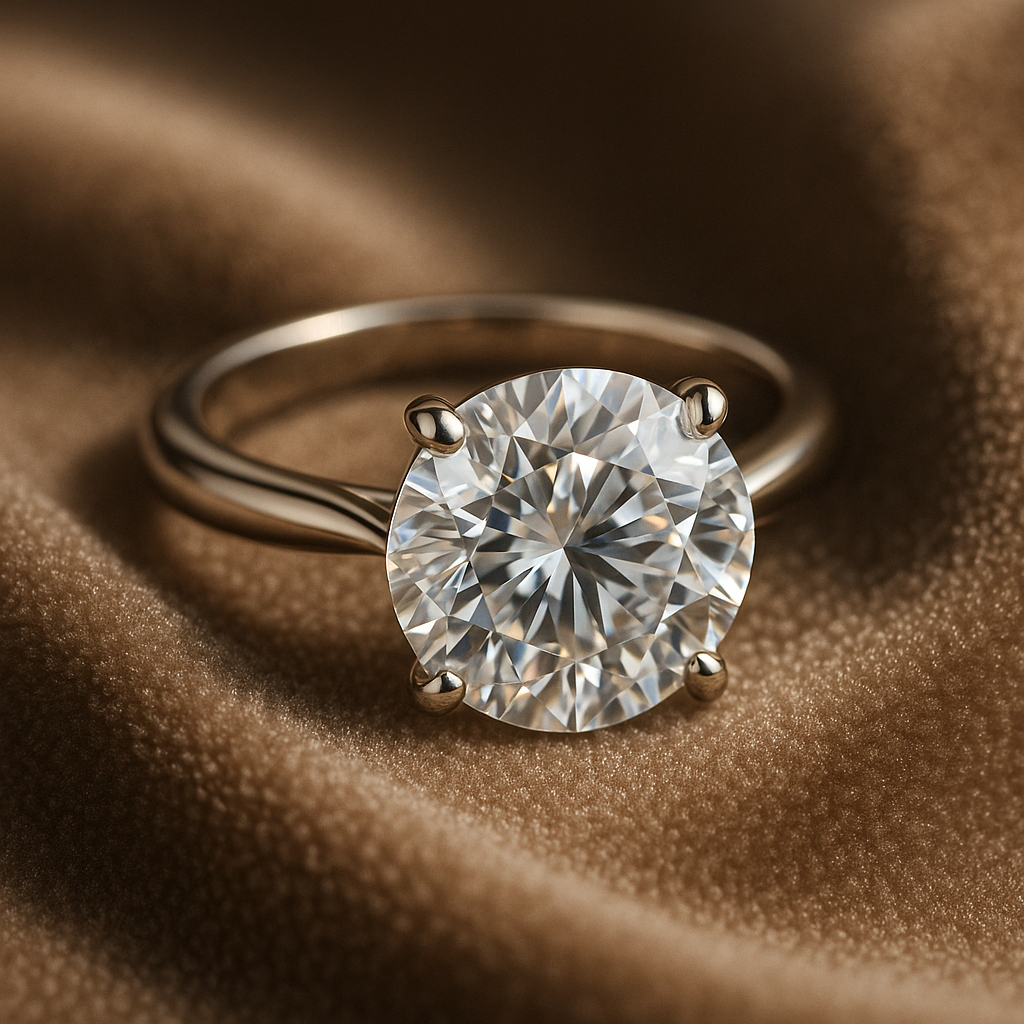
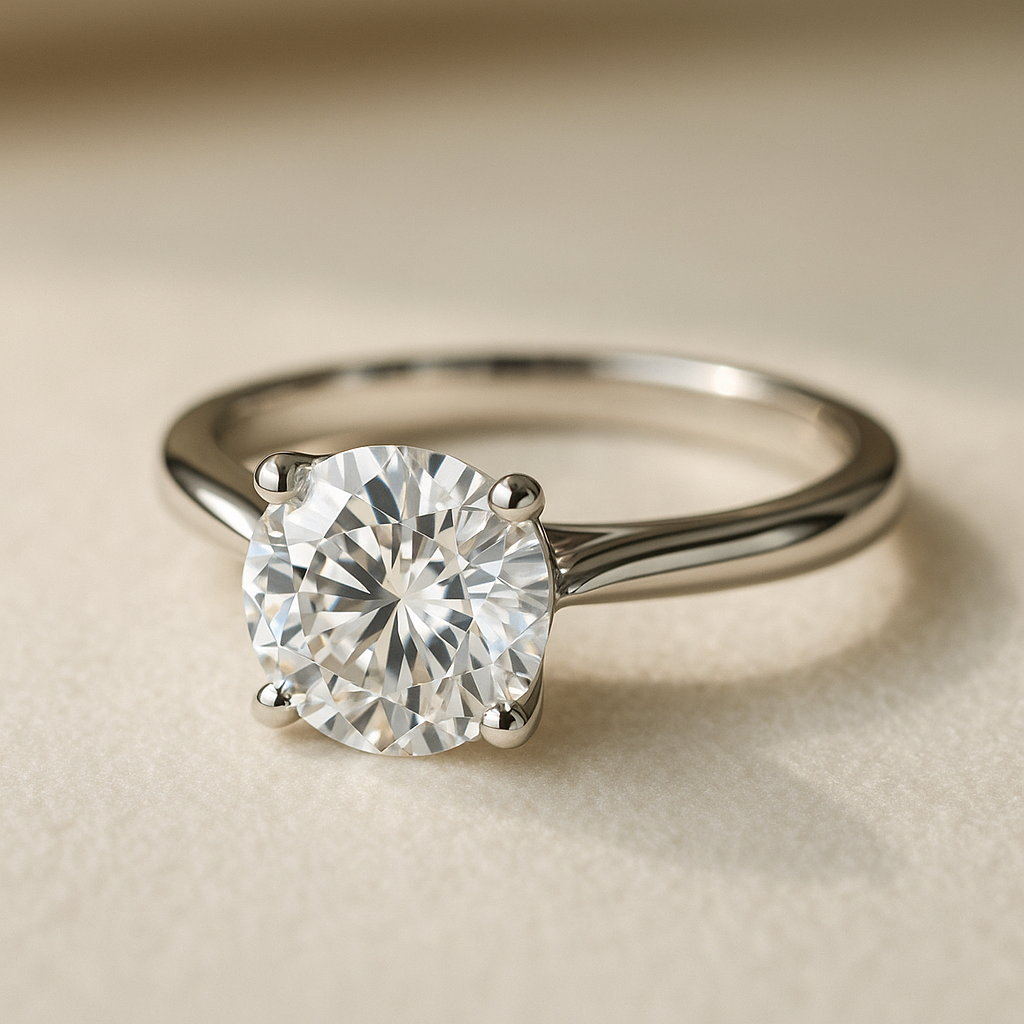
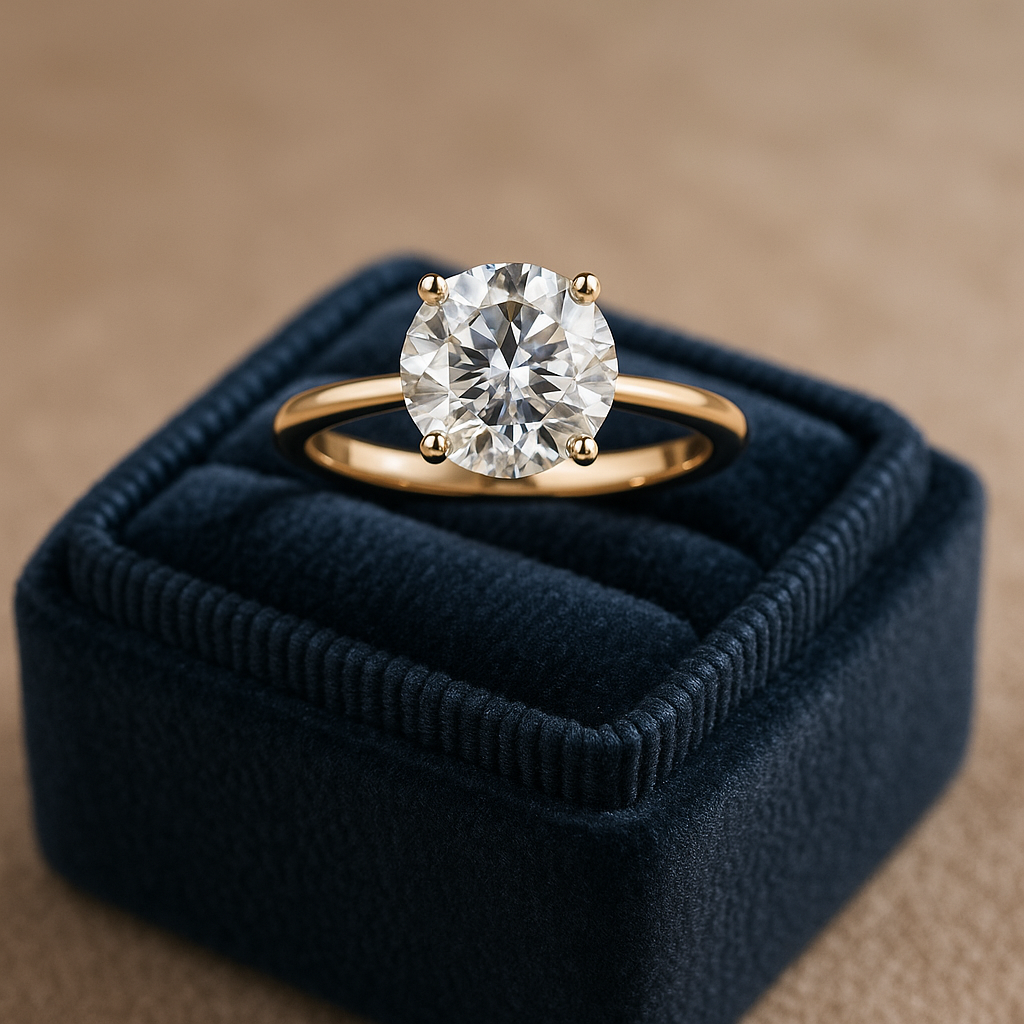
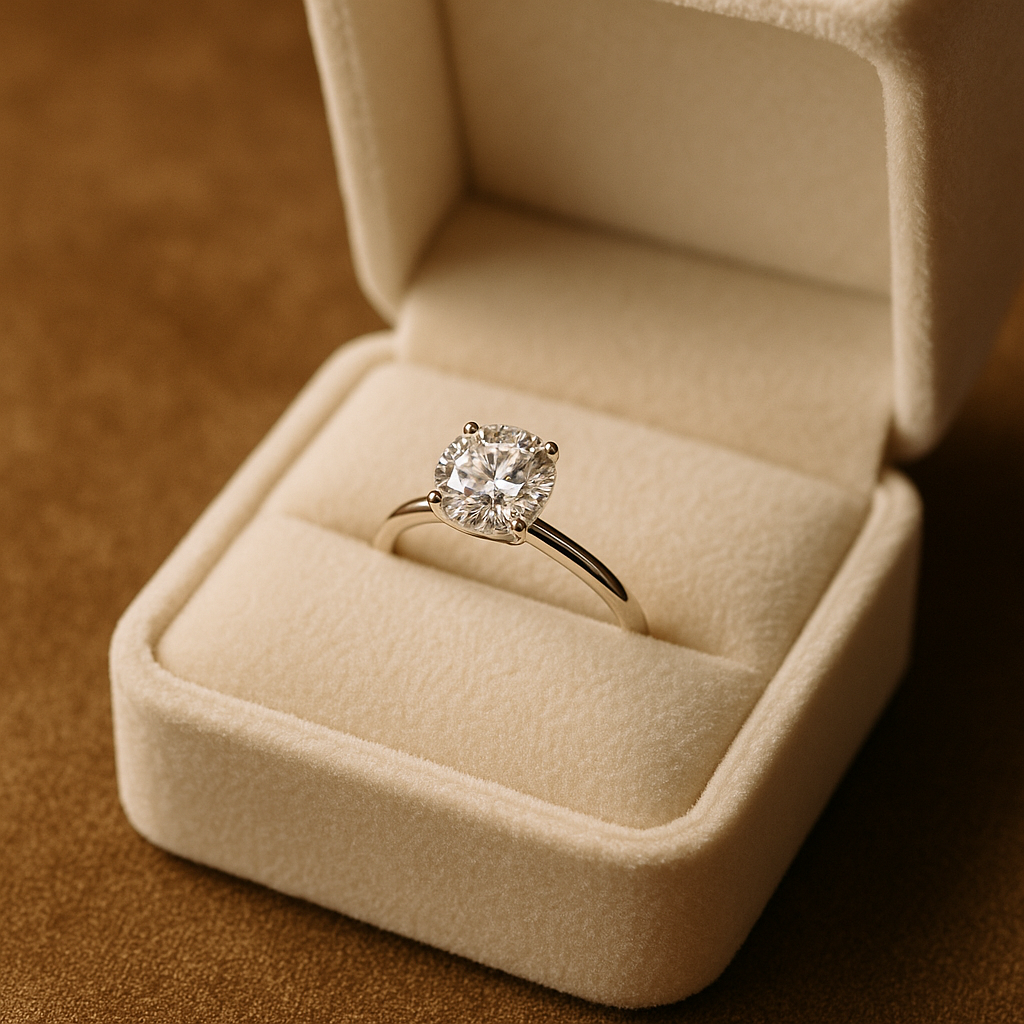
The ring setting can enhance the beauty of the diamond. Consider whether you prefer a solitaire, halo, or vintage-style setting, and ensure it complements the diamond you choose.
Frequently Asked Questions (FAQ)
Are lab-grown diamonds real diamonds?
Yes, lab-grown diamonds are real diamonds. They have the same physical, chemical, and optical properties as natural diamonds, making them indistinguishable to the naked eye.
Do lab-grown diamonds hold value?
Lab-grown diamonds typically do not retain their value as well as natural diamonds due to their mass production. However, their affordability makes them a wise choice for many consumers.
How can I tell if a diamond is lab-grown?
While many lab-grown diamonds have certification that indicates their origin, a gemologist can also help determine the type through specialized equipment.
What are the environmental impacts of lab-grown diamonds?
Lab-grown diamonds have a significantly lower environmental impact compared to natural diamond mining, which can lead to habitat destruction and water pollution.
Conclusion
The choice between lab-grown and natural diamonds ultimately comes down to personal values, budget, and preferences. Lab-grown diamonds offer a sustainable, ethical, and cost-effective alternative to traditional diamonds, making them an attractive option for modern couples. As you embark on the exciting journey of finding the perfect engagement ring, consider the myriad benefits that lab-grown diamonds can offer. At Celebrity Diamonds, we provide an exquisite selection of lab-grown diamonds to help you find a piece that reflects your love story.