The Complete Guide to Lab-Grown Diamonds: What You Need to Know
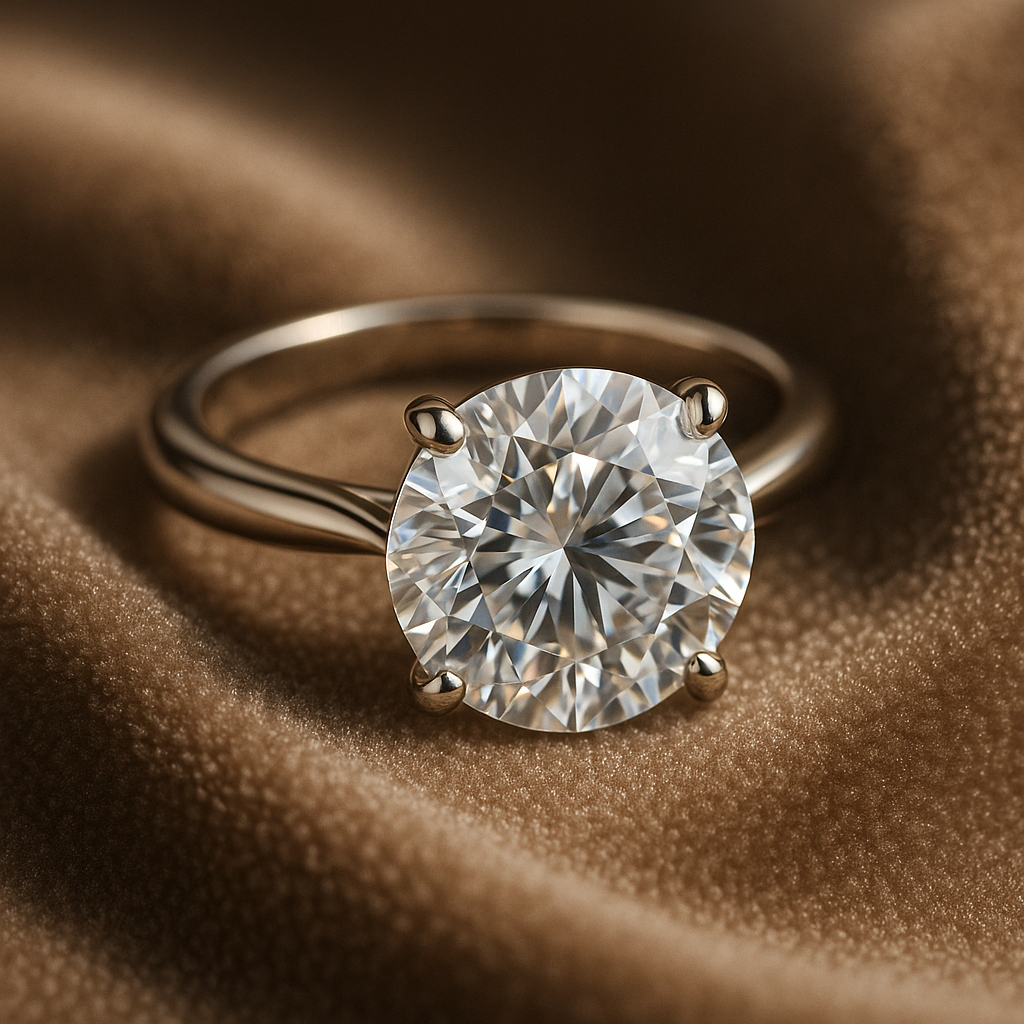
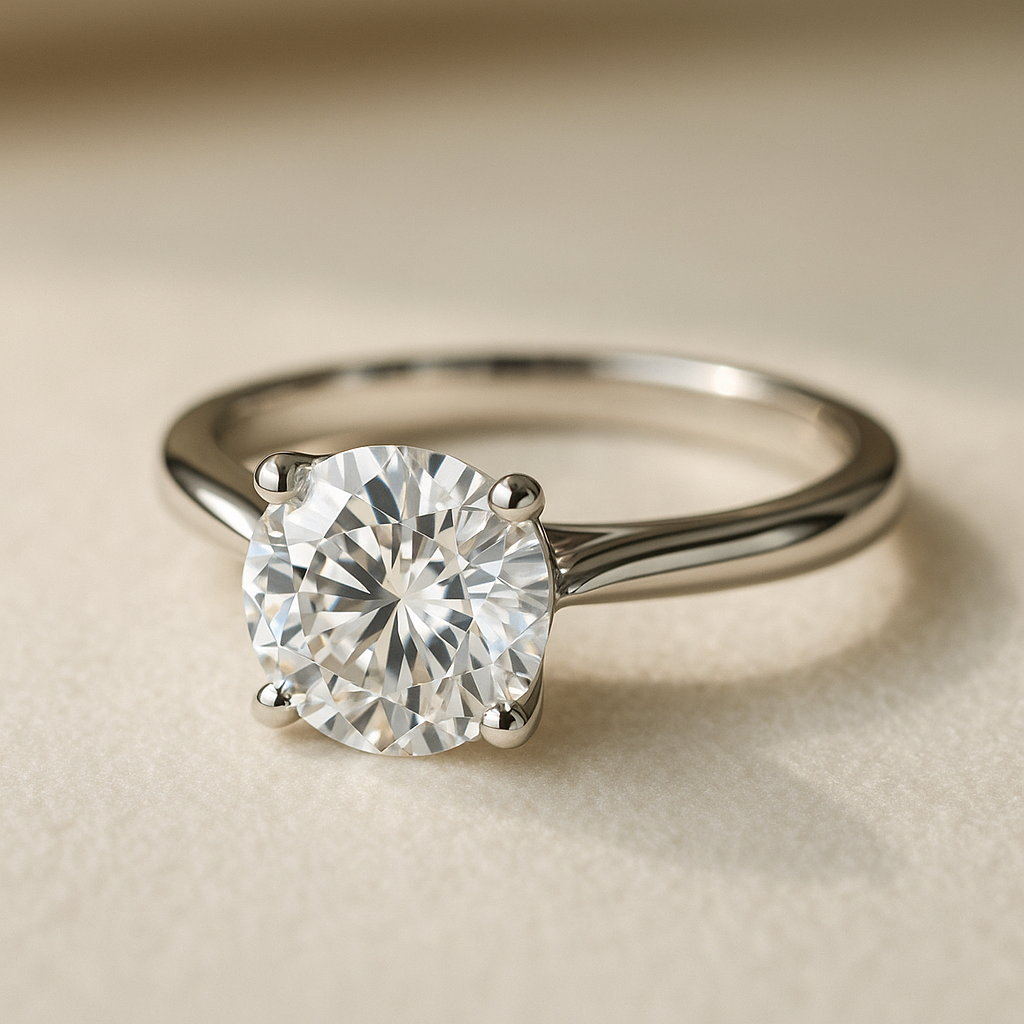
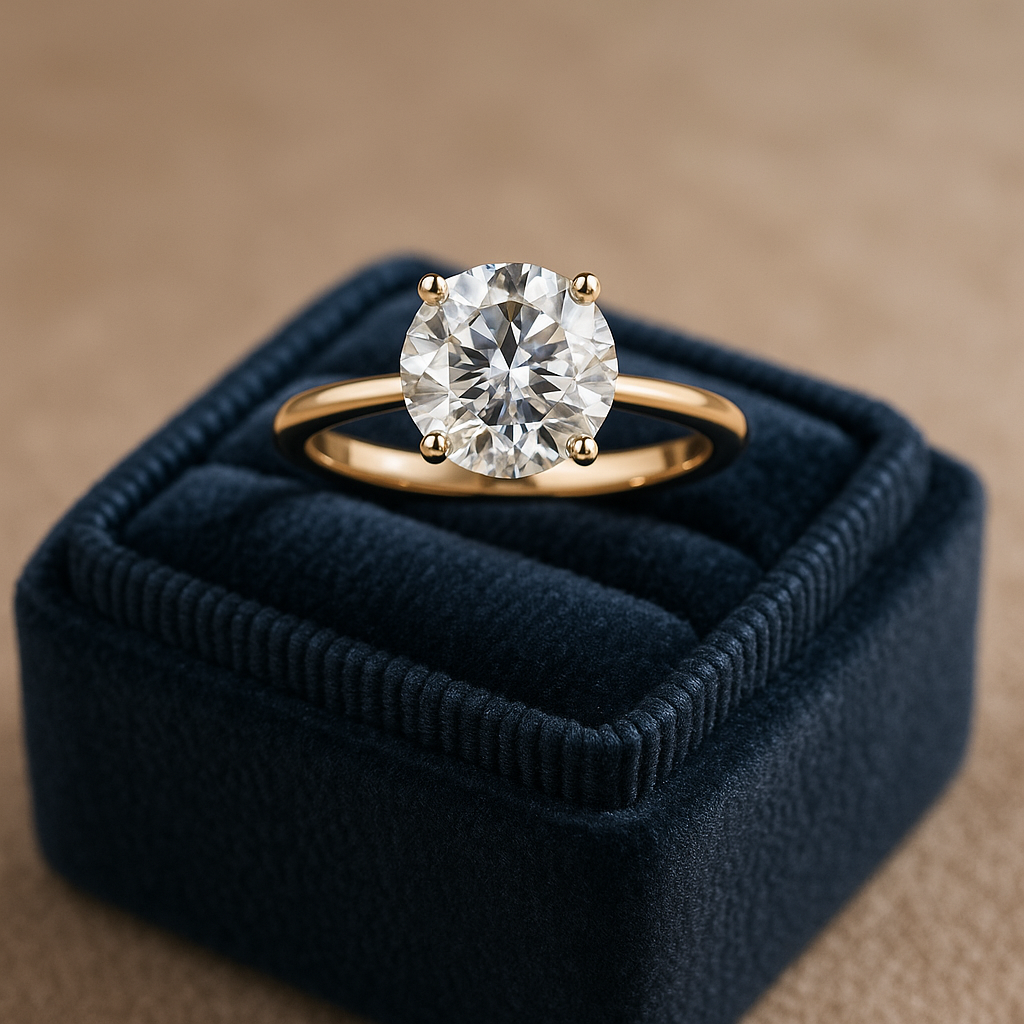
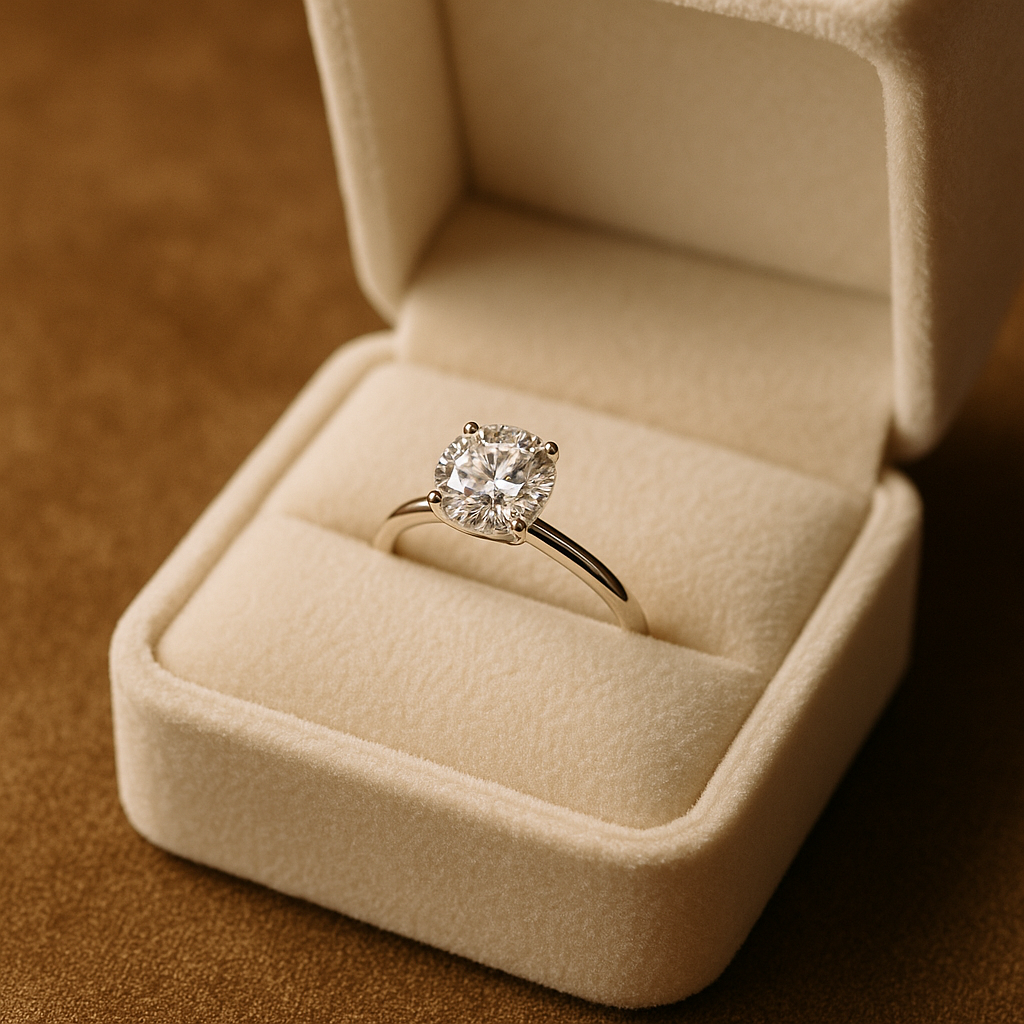
In recent years, lab-grown diamonds have emerged as a compelling alternative to natural diamonds, captivating consumers with their beauty, ethical sourcing, and often lower price points. This guide will delve into everything you need to know about lab-grown diamonds, helping you make an informed decision when choosing an engagement ring or fine jewelry.
What Are Lab-Grown Diamonds?
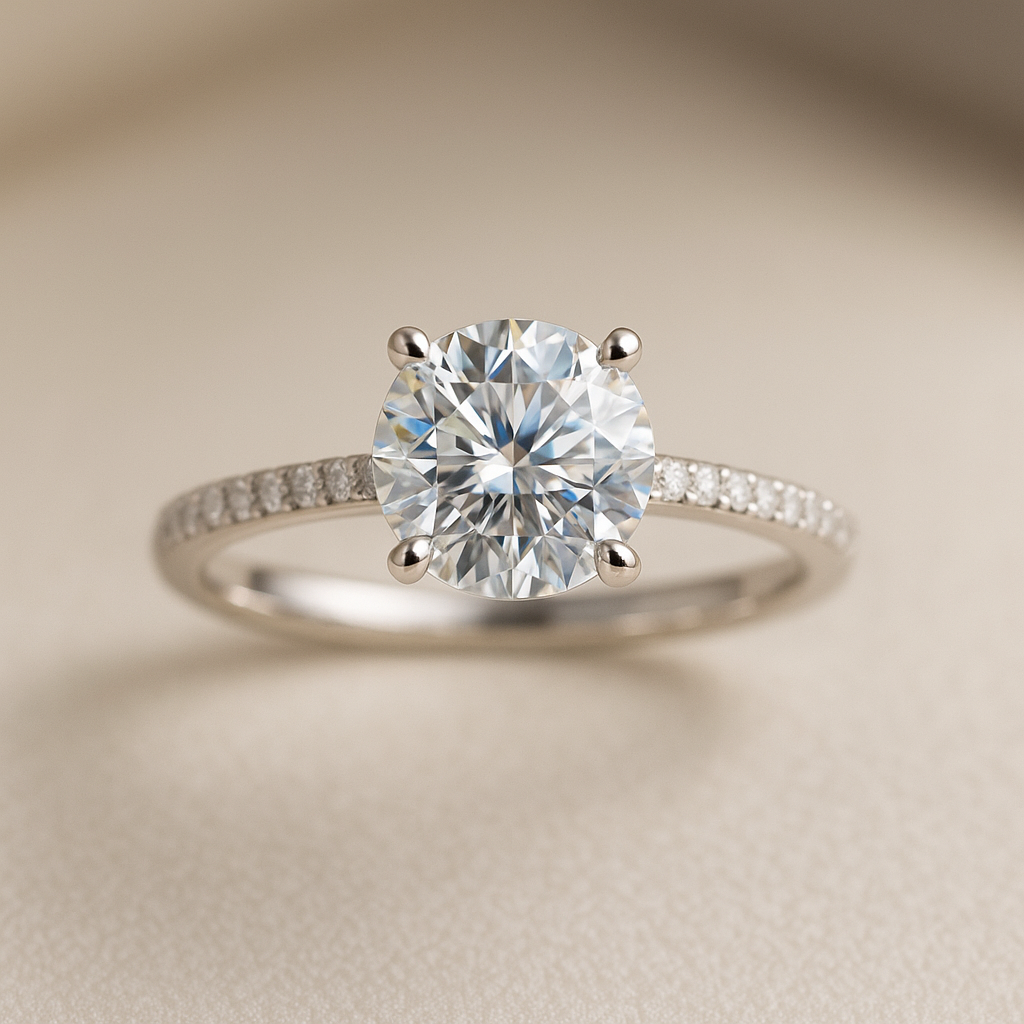
Lab-grown diamonds, also known as synthetic or cultured diamonds, are real diamonds created in controlled laboratory environments using advanced technological processes. These diamonds possess the same physical, chemical, and optical properties as natural diamonds. The primary methods for creating lab-grown diamonds are High Pressure High Temperature (HPHT) and Chemical Vapor Deposition (CVD).
How Are Lab-Grown Diamonds Made?
High Pressure High Temperature (HPHT)
The HPHT method simulates the natural conditions under which diamonds form in the Earth’s mantle. Carbon is placed under extreme pressure and temperature, typically around 1,500°C and 1.5 million psi, resulting in the crystallization of diamond. This method yields diamonds close in appearance and quality to their natural counterparts.
Chemical Vapor Deposition (CVD)
The CVD method, on the other hand, involves creating a diamond seed that is placed in a chamber filled with carbon-rich gas. The gas is heated, and carbon atoms bond to the seed, growing a diamond layer by layer. This technique allows greater control over the diamond’s characteristics, including color and clarity.
Benefits of Lab-Grown Diamonds
1. Ethical Sourcing
Lab-grown diamonds eliminate the ethical concerns often associated with natural diamonds, including human rights violations and environmental impact. They are produced with full transparency, ensuring that consumers can purchase with confidence.
2. Cost-Effectiveness
Lab-grown diamonds typically cost 20% to 40% less than their natural counterparts. This price difference allows consumers to purchase larger or higher quality stones for the same budget, making them an attractive option for engagement rings and fine jewelry.
3. Quality and Variety
Advanced technology allows for precision in creating lab-grown diamonds. Consumers can find a wider range of colors and clarity grades among lab-grown options, ensuring that you can find the perfect diamond that meets your personal taste.
Lab-Grown Diamonds vs. Natural Diamonds
When comparing lab-grown and natural diamonds, several factors come into play:
1. Origin
Natural diamonds are formed over millions of years deep within the Earth, while lab-grown diamonds are created in weeks to months in a laboratory. Some consumers prefer the natural origin of diamonds, while others appreciate the innovation of lab-grown stones.
2. Value Retention
Natural diamonds tend to hold their value better than lab-grown diamonds. While lab-grown diamonds are increasing in popularity, they may depreciate more quickly due to market fluctuations and advances in production technology.
3. Environmental Impact
Natural diamond mining can have significant environmental consequences, including disruption of ecosystems. In contrast, lab-grown diamonds present a more sustainable option, though the energy used in their production should be considered.
Choosing the Right Lab-Grown Diamond
1. Understand the 4 Cs
Like natural diamonds, lab-grown diamonds are graded based on the 4 Cs: cut, color, clarity, and carat weight. Familiarize yourself with these criteria to make an informed decision.
2. Certification
Ensure that your lab-grown diamond comes with a grading report from a reputable gemological laboratory, such as the Gemological Institute of America (GIA) or the International Gemological Institute (IGI). This certification will provide you with essential information regarding the diamond’s quality.
3. Customization Options
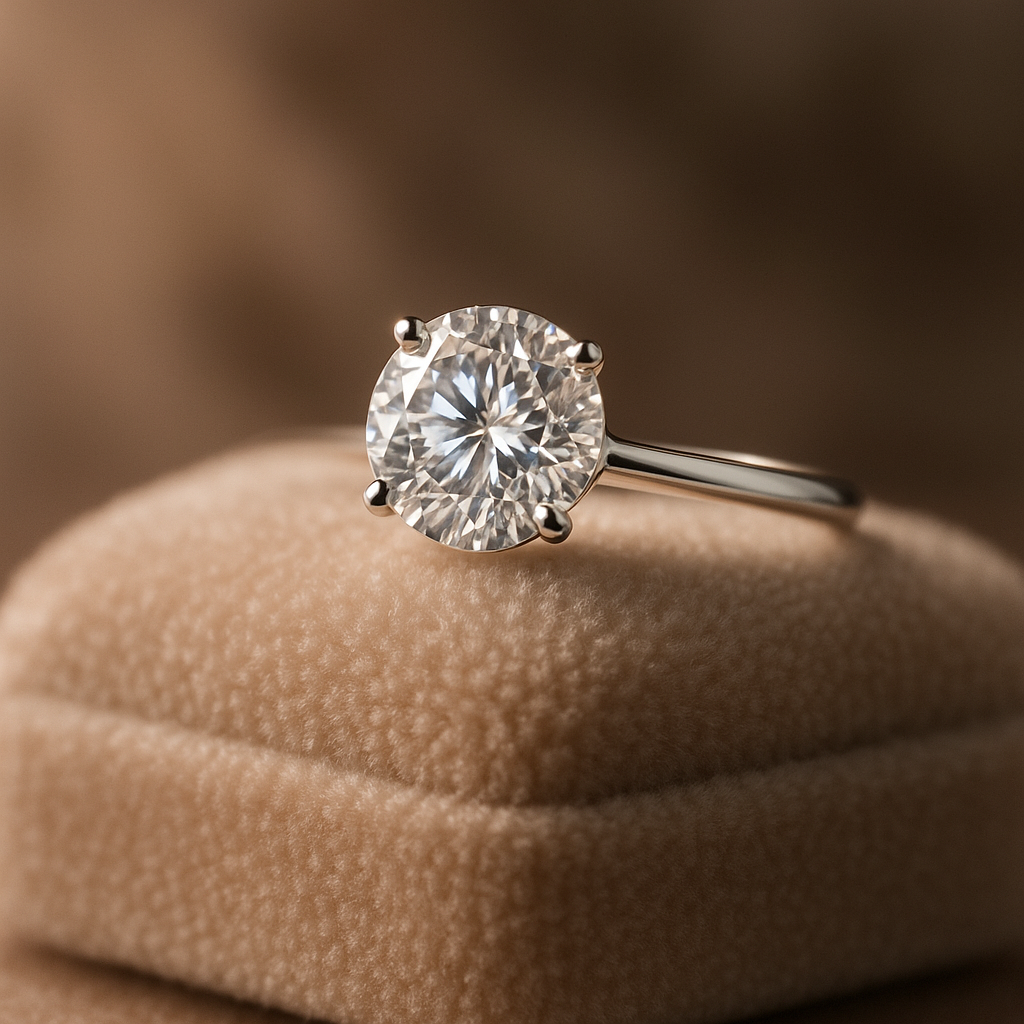
Many jewelers offer customization options for lab-grown diamonds, allowing you to choose the shape, setting, and design that best fits your style. Take advantage of these options to create a unique piece of jewelry.
Frequently Asked Questions
1. Are lab-grown diamonds real diamonds?
Yes, lab-grown diamonds are real diamonds. They have the same physical, chemical, and optical properties as natural diamonds.
2. Do lab-grown diamonds last as long as natural diamonds?
Yes, lab-grown diamonds are durable and can last a lifetime, just like natural diamonds.
3. Will a lab-grown diamond increase in value?
Lab-grown diamonds may not hold their value as well as natural diamonds, but their popularity is growing, which may impact future demand.
4. How can I tell the difference between a lab-grown diamond and a natural diamond?
While there are no visual differences to distinguish the two, a gemologist can use specialized equipment to identify the origin of a diamond.
Conclusion
Lab-grown diamonds represent a significant shift in the diamond industry, offering ethical, sustainable, and affordable options for consumers. Whether you are considering an engagement ring or fine jewelry, understanding the benefits and differences between lab-grown and natural diamonds will empower you to make the right choice for your needs. At Celebrity Diamonds, we proudly offer a stunning selection of lab-grown diamonds that combine beauty, quality, and integrity. Explore our collection today!