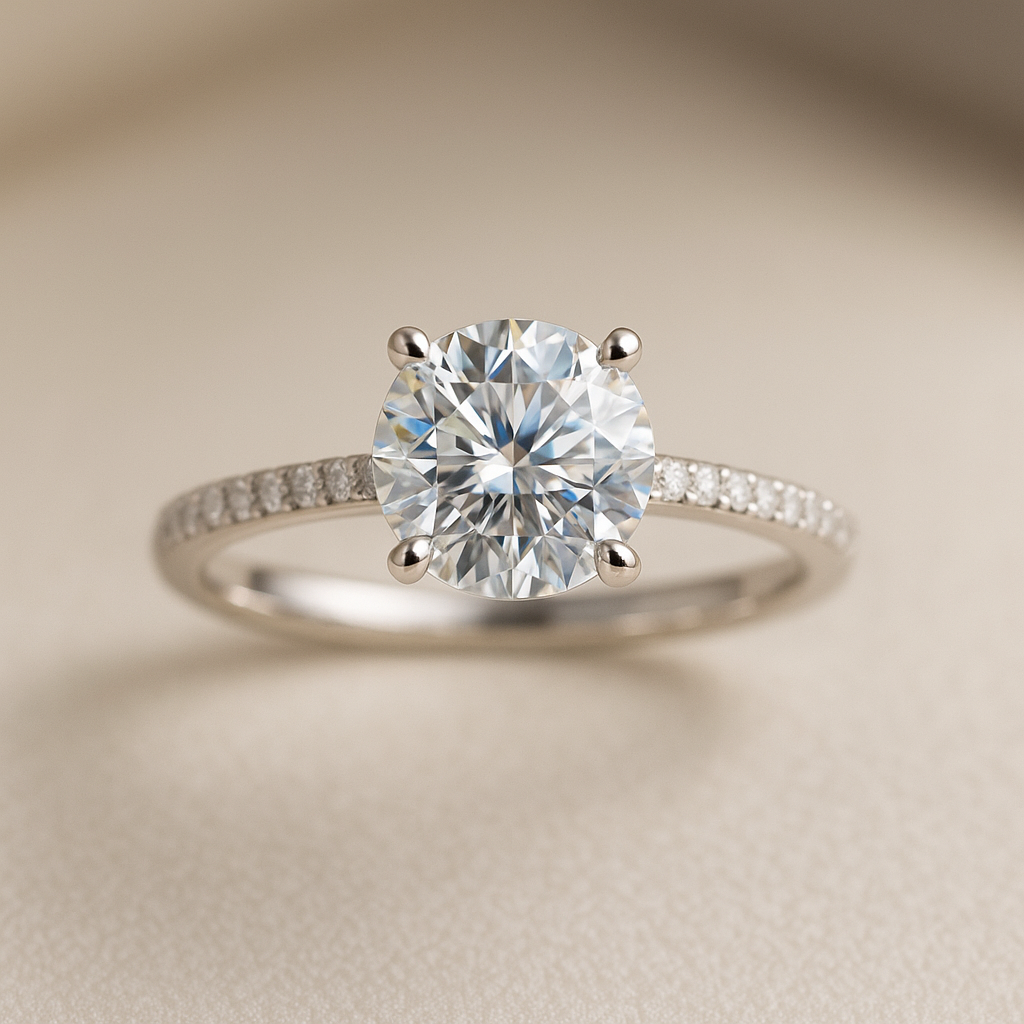

Understanding Lab-Grown Diamonds: A Comprehensive Guide
In recent years, lab-grown diamonds have emerged as a popular choice for engagement rings and fine jewelry, captivating consumers with their ethical production and affordability. This comprehensive guide aims to provide you with essential insights into lab-grown diamonds, helping you make an informed decision for your jewelry purchases.
What Are Lab-Grown Diamonds?
Lab-grown diamonds, also known as synthetic or cultured diamonds, are real diamonds created in controlled environments using advanced technology. Unlike natural diamonds, which are formed over millions of years deep within the Earth, lab-grown diamonds can be produced in mere weeks. They possess the same physical, chemical, and optical properties as their natural counterparts, ensuring they are indistinguishable to the naked eye.
The Process of Creating Lab-Grown Diamonds
The two primary methods for creating lab-grown diamonds are the High Pressure High Temperature (HPHT) method and the Chemical Vapor Deposition (CVD) method:
- High Pressure High Temperature (HPHT): This method mimics the natural conditions under which diamonds are formed. A small diamond seed is placed in a chamber with carbon and subjected to high pressure and temperature, resulting in the growth of a diamond crystal over a few weeks.
- Chemical Vapor Deposition (CVD): CVD involves the use of carbon-rich gases in a vacuum chamber. The gases are ionized, allowing carbon atoms to deposit on a diamond seed and gradually form a diamond layer by layer.
Why Choose Lab-Grown Diamonds?
Choosing lab-grown diamonds comes with several advantages:
1. Ethical Considerations
Lab-grown diamonds are produced without the ethical concerns associated with conflict diamonds (also known as blood diamonds). They provide a guilt-free choice for consumers aiming to make responsible purchasing decisions.
2. Cost-Effectiveness
Typically, lab-grown diamonds are 20-40% less expensive than natural diamonds of the same quality and size. This affordability allows consumers to choose larger, higher-quality stones without breaking the bank.
3. Environmental Impact
The environmental footprint of lab-grown diamonds is significantly lower than that of natural diamonds. Mining for natural diamonds can lead to habitat destruction and pollution, whereas lab-grown diamonds are created in controlled environments with minimal waste.
4. Quality and Variety
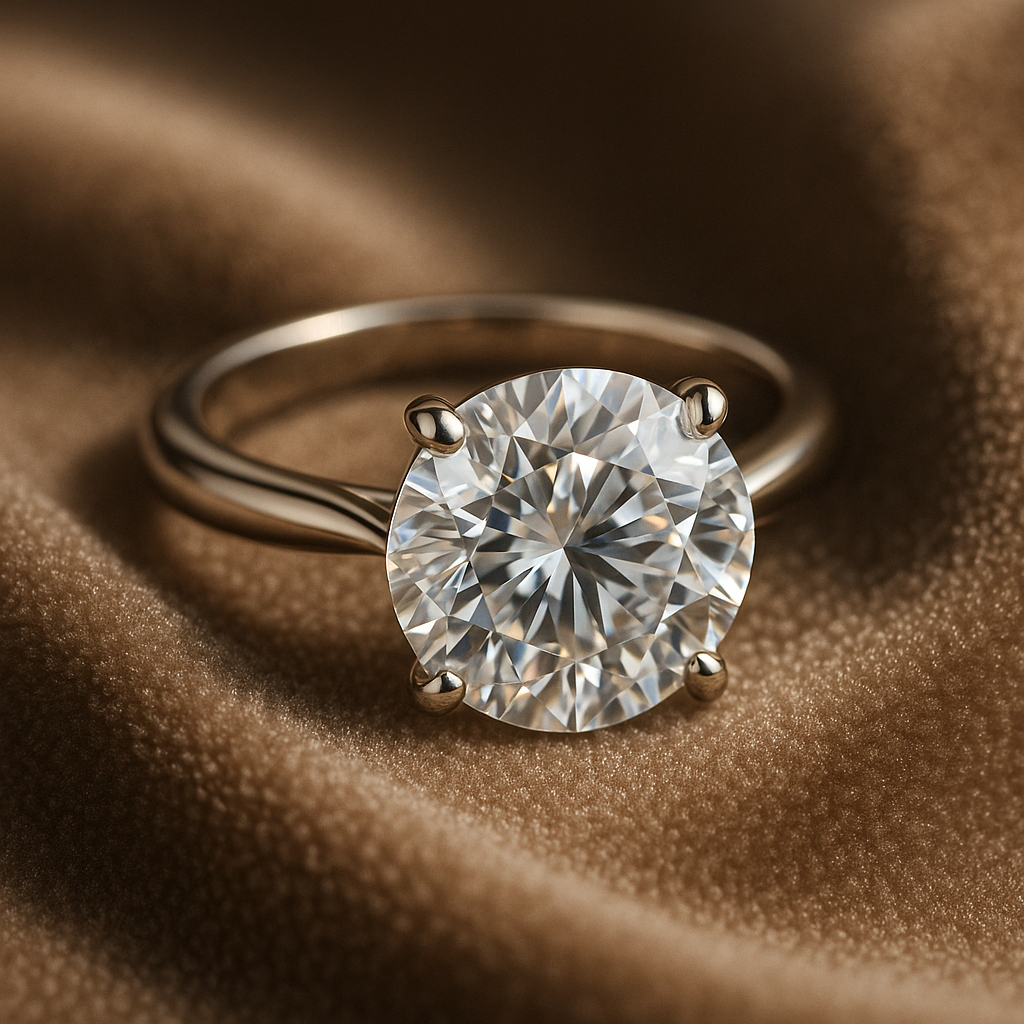
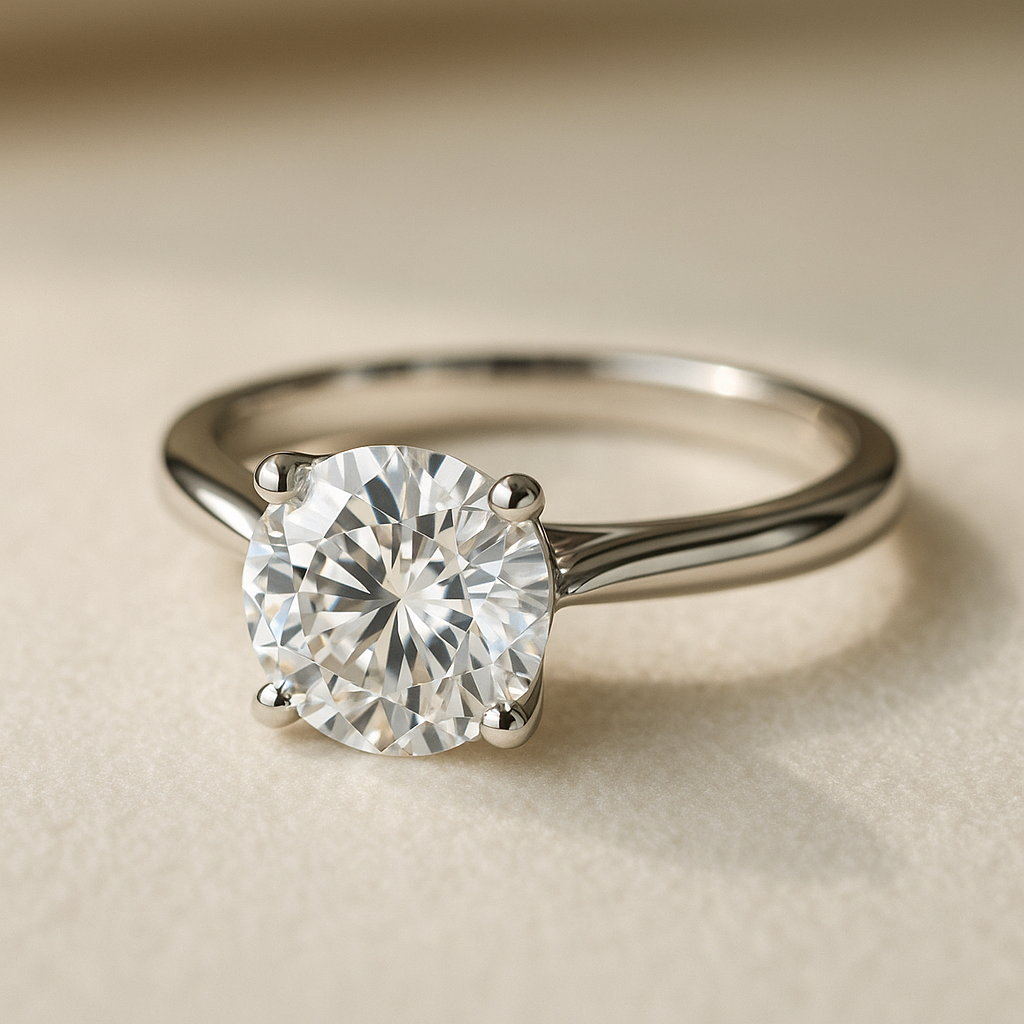
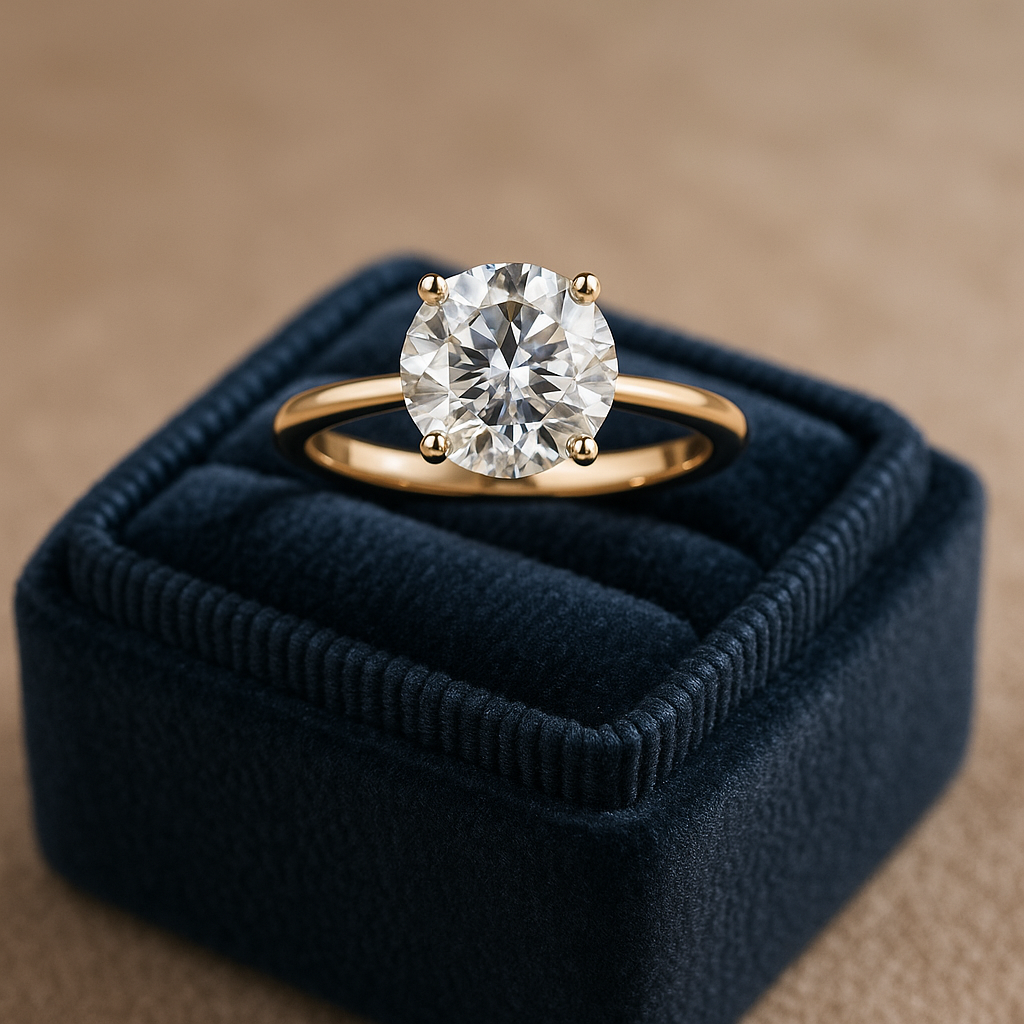
Lab-grown diamonds are available in various shapes, sizes, and qualities. They can be graded just like natural diamonds, making it easier for consumers to find the perfect stone that meets their preferences.
Comparing Lab-Grown and Natural Diamonds
When considering lab-grown vs. natural diamonds, it’s essential to understand their similarities and differences:
- Composition: Both types of diamonds are composed of carbon atoms arranged in a crystal structure, making them identical on a molecular level.
- Price: Lab-grown diamonds are generally more affordable, offering better value for your money.
- Resale Value: Natural diamonds tend to retain their value over time, while lab-grown diamonds may depreciate faster due to their production ease.
- Certification: Both lab-grown and natural diamonds can be certified by reputable gemological organizations. Make sure to look for certifications from recognized labs.
Frequently Asked Questions (FAQs)
1. Are lab-grown diamonds real?
Yes, lab-grown diamonds are real diamonds. They have the same physical and chemical properties as natural diamonds and are indistinguishable without specialized equipment.
2. How can I tell if a diamond is lab-grown?
Lab-grown diamonds typically come with certification indicating their origin. Additionally, some may have specific gemstones inscriptions that identify them as lab-grown.
3. Do lab-grown diamonds look different from natural diamonds?
No, lab-grown diamonds look the same as natural diamonds. Both have the same brilliance and sparkle, making them visually indistinguishable.
4. Is it worth buying a lab-grown diamond?
Buying a lab-grown diamond can be a wise investment for those seeking an ethical and affordable option without compromising quality and appearance.
5. What should I consider when buying lab-grown diamonds?
When purchasing lab-grown diamonds, consider the 4 Cs: Carat, Cut, Color, and Clarity. Additionally, ensure proper certification and choose a reputable retailer.
Conclusion
Lab-grown diamonds provide a modern, ethical, and cost-effective alternative to traditional natural diamonds. Their appeal lies in their quality, affordability, and the peace of mind they offer. When shopping for engagement rings or fine jewelry, understanding the benefits of lab-grown diamonds can empower you to make a responsible and beautiful choice that aligns with your values.
Explore Our Lab-Grown Diamond Collection at Celebrity Diamonds
At Celebrity Diamonds, we offer a stunning collection of lab-grown diamonds, each ethically sourced and crafted to perfection. Explore our selection today to find the perfect piece for your special occasion.