Understanding Lab-Grown Diamonds: The Future of Fine Jewelry
Engagement rings and fine jewelry shopping can often feel overwhelming, especially with the myriad of options available. Among these, lab-grown diamonds have emerged as a popular choice for many consumers. But what exactly are lab-grown diamonds, and how do they compare to their natural counterparts? In this article, we delve into the ins and outs of lab-grown diamonds, helping you make an informed decision.
What Are Lab-Grown Diamonds?
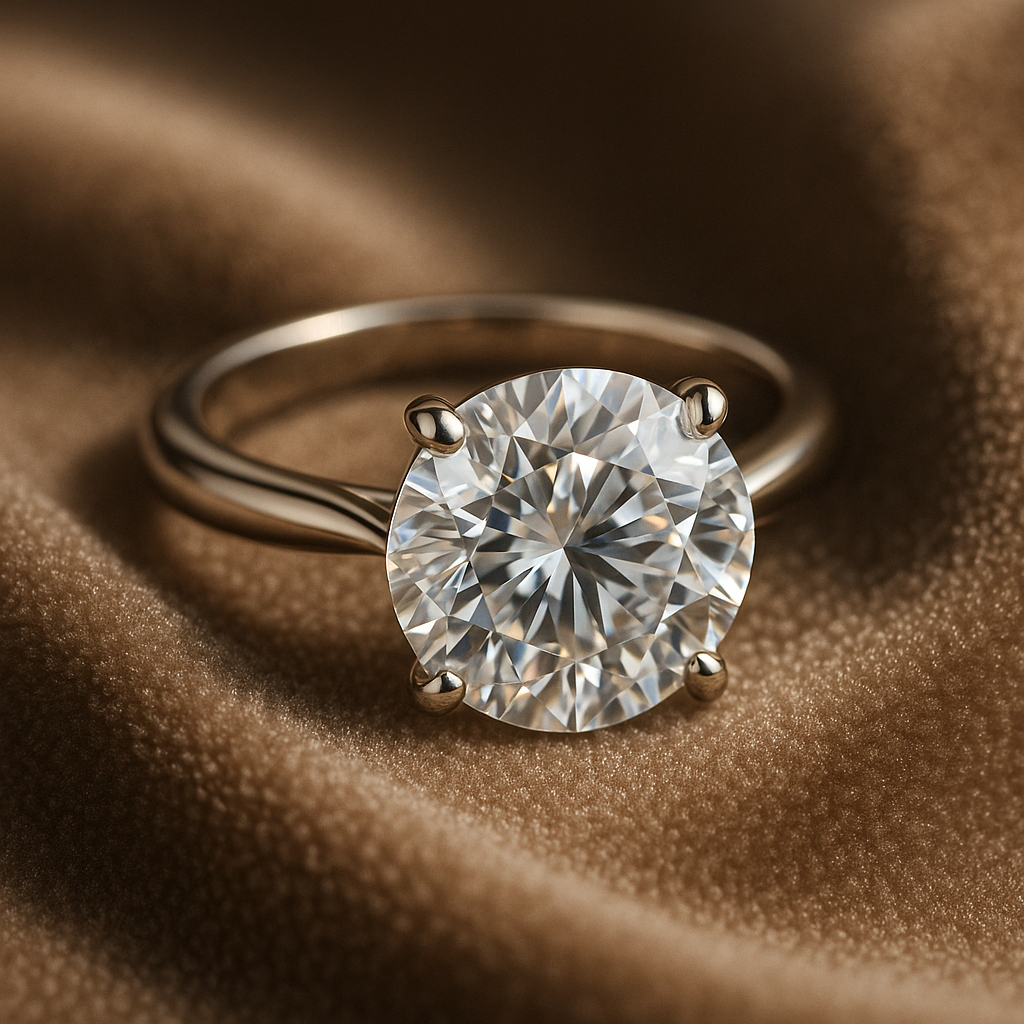
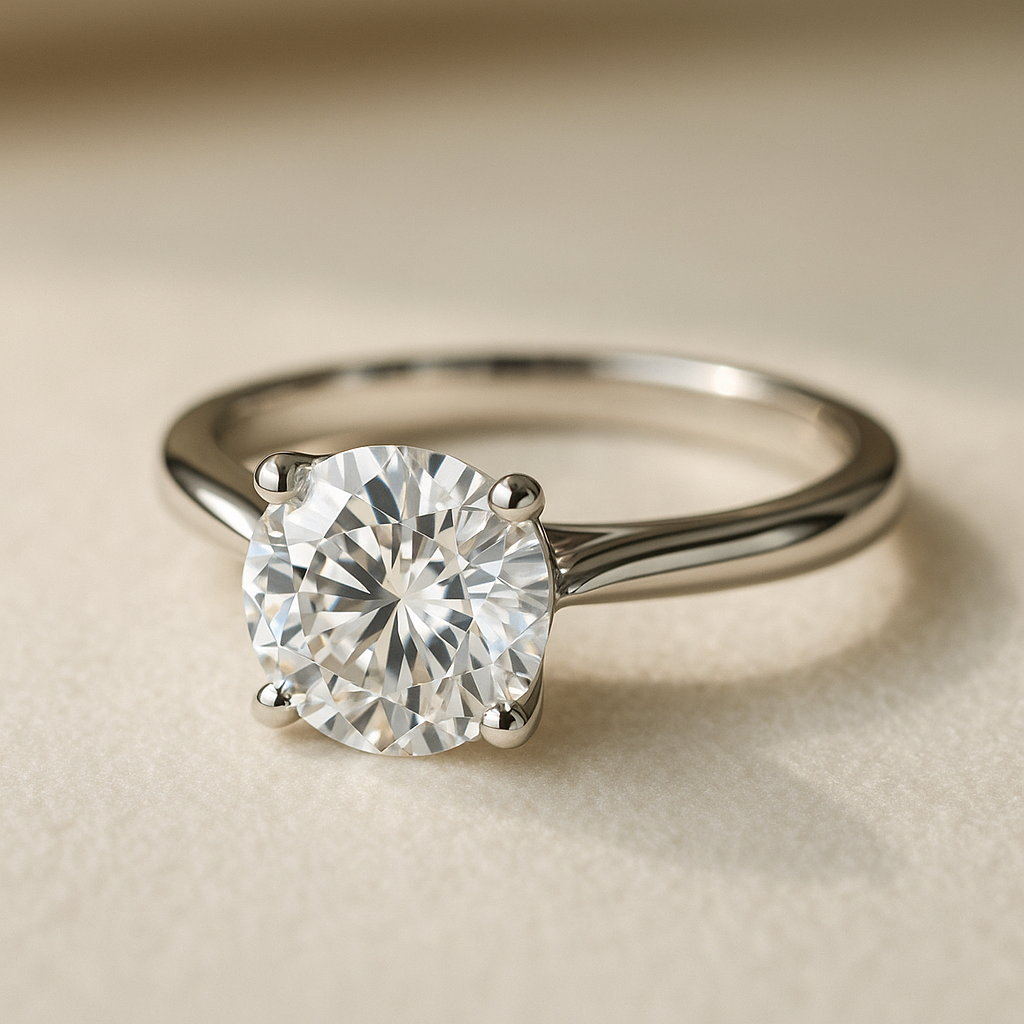
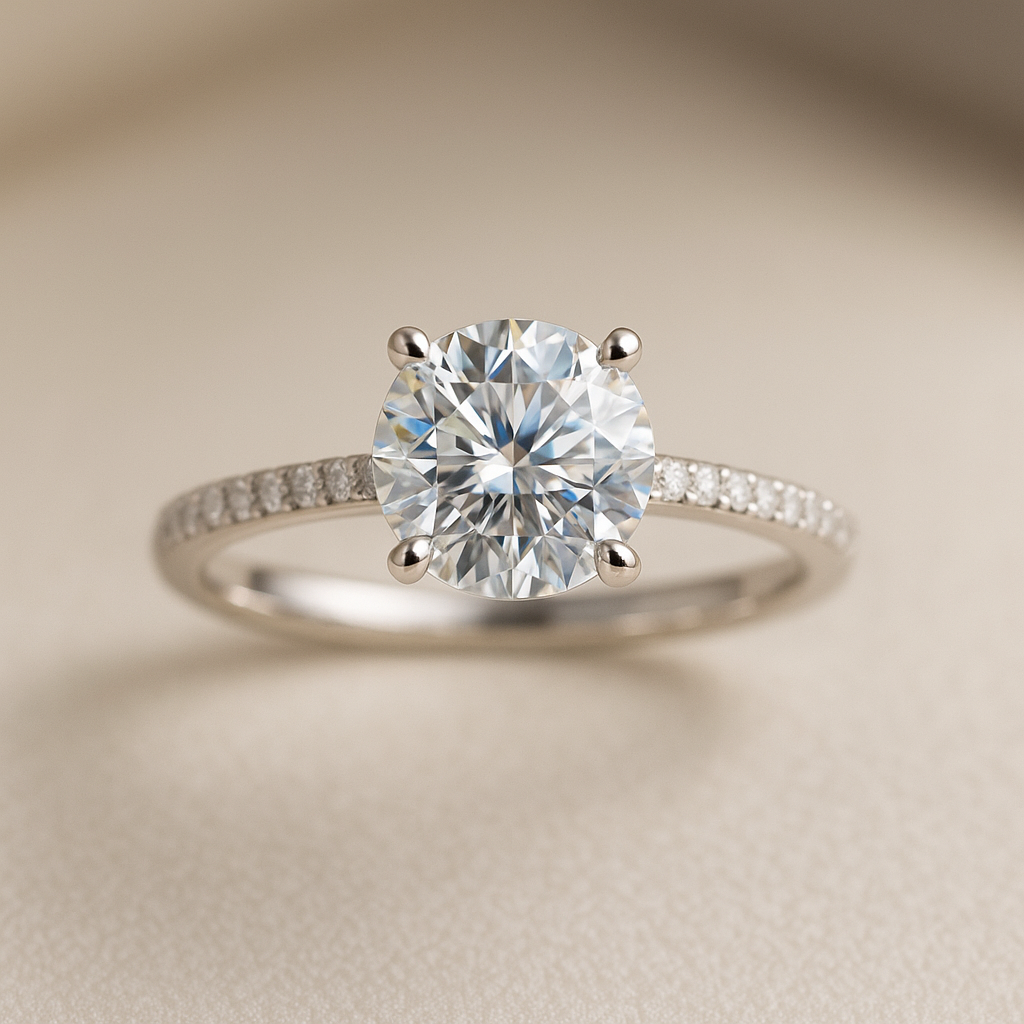
Lab-grown diamonds, also known as synthetic or cultured diamonds, are real diamonds that are created in controlled environments using advanced technological processes. These diamonds possess the same physical, chemical, and optical properties as natural diamonds; they are graded on the same scale, including the 4Cs: Carat, Cut, Color, and Clarity.
The Process of Creating Lab-Grown Diamonds
Lab-grown diamonds are produced using two primary methods: High Pressure High Temperature (HPHT) and Chemical Vapor Deposition (CVD).
- High Pressure High Temperature (HPHT): This method simulates the natural conditions under which diamonds form in the Earth’s mantle. Carbon is subjected to high pressure and temperature, resulting in the formation of diamonds.
- Chemical Vapor Deposition (CVD): In this method, a carbon-rich gas is used to create a plasma that allows carbon atoms to deposit onto a substrate, which gradually builds up layers of diamond.
Benefits of Choosing Lab-Grown Diamonds
There are several advantages to choosing lab-grown diamonds:
- Ethical and Eco-Friendly: Lab-grown diamonds are typically produced with fewer environmental impacts and without the ethical concerns often associated with natural diamond mining.
- Cost-Effective: Generally, lab-grown diamonds are priced 20-40% lower than natural diamonds of similar quality, allowing you to get more value for your money.
- Quality and Variety: Since they are created in a controlled environment, lab-grown diamonds can be engineered to possess fewer inclusions and enhance their color, offering a more extensive range of options.
Comparing Lab-Grown Diamonds to Natural Diamonds
When comparing lab-grown diamonds with natural diamonds, several key factors come into play:
- Value Retention: Natural diamonds have historically held their value well, though recent trends show that lab-grown diamonds may begin to stabilize in value as consumer acceptance grows.
- Perception: Some consumers still prefer natural diamonds due to their rarity and the emotional connection associated with their formation over millions of years.
- Resale Value: If you are considering an engagement ring as an investment, it’s worth noting that natural diamonds often have a more established resale market compared to lab-grown diamonds.
Frequently Asked Questions (FAQ)
Are lab-grown diamonds real diamonds?
Yes, lab-grown diamonds are real diamonds. They have the same physical and chemical properties as natural diamonds.
How long do lab-grown diamonds last?
Lab-grown diamonds are just as durable and long-lasting as natural diamonds, making them a great choice for everyday wear.
Can you tell the difference between lab-grown and natural diamonds?
To the naked eye, lab-grown and natural diamonds are indistinguishable. Only a trained gemologist with specialized equipment can identify the source of the diamond.
Are lab-grown diamonds more affordable?
Yes, lab-grown diamonds typically cost 20-40% less than natural diamonds of comparable quality, making them a budget-friendly option.
What should I consider when choosing a diamond?
When choosing a diamond, consider the 4Cs: Carat, Cut, Color, and Clarity. Additionally, think about your values, budget, and whether you prefer a natural or lab-grown diamond.
The Future of Lab-Grown Diamonds
As technology continues to advance, the lab-grown diamond industry is expected to grow exponentially. More consumers are becoming aware of the benefits and ethical considerations involved with lab-grown diamonds, making them a formidable presence in the jewelry market. Understanding these aspects will empower consumers to make informed choices when shopping for engagement rings and fine jewelry.
Choosing the Right Lab-Grown Diamond for You
When considering an engagement ring or any fine jewelry piece that features a lab-grown diamond, it’s essential to seek out reputable jewelers who provide certifications for their diamonds. Look for stones that are graded by recognized organizations and inquire about the methods used to create the diamond.
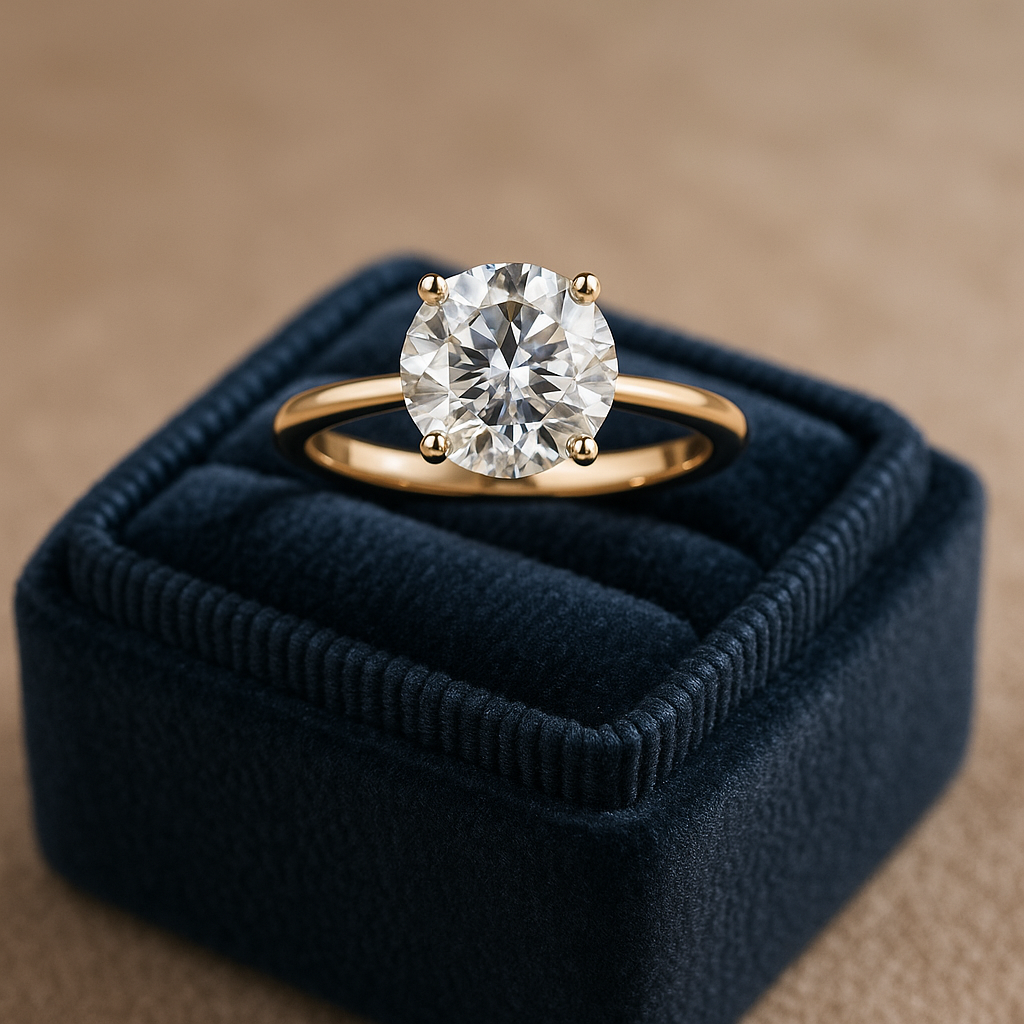
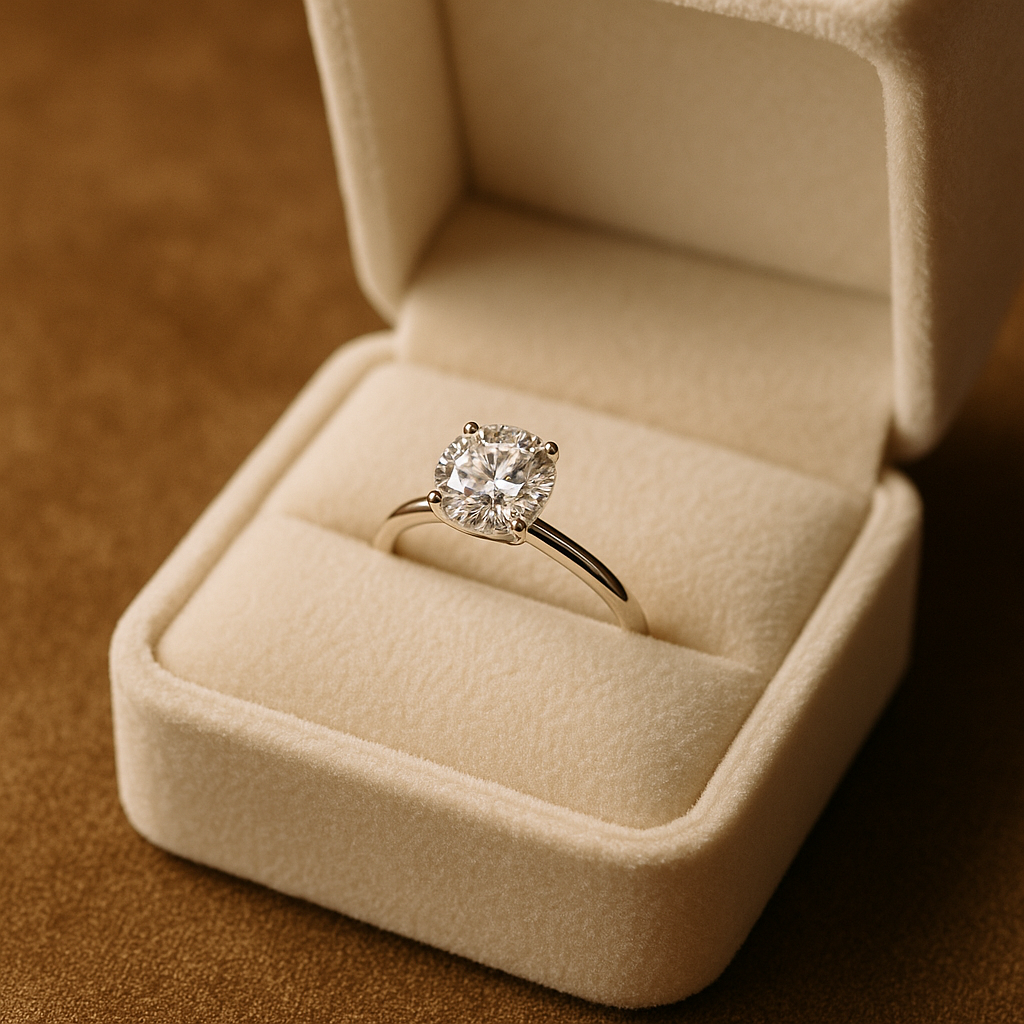
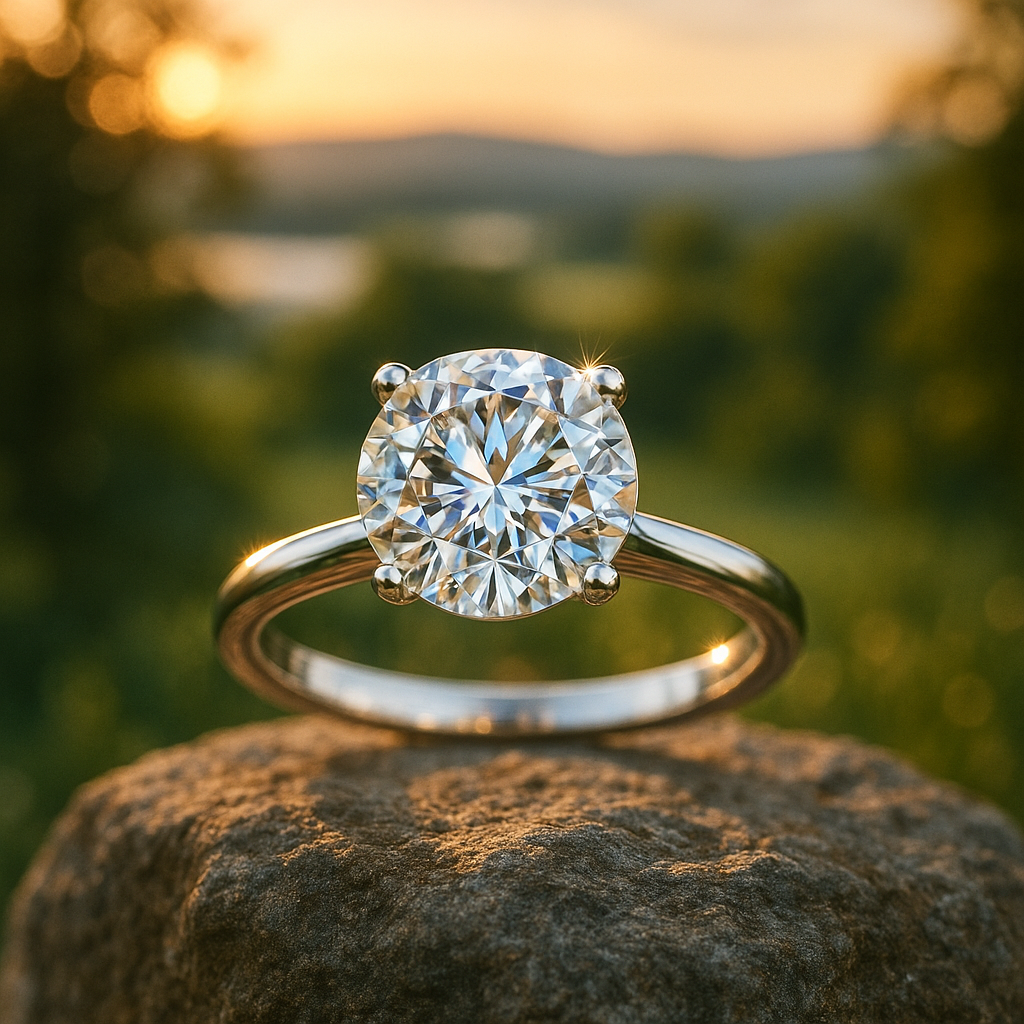
With the rise in popularity of lab-grown diamonds, it’s also beneficial to explore various styles and settings. Lab-grown diamonds can be set in a variety of metals and styles, allowing you to customize the perfect piece that reflects your personal taste.
Conclusion
In conclusion, lab-grown diamonds offer a compelling alternative to natural diamonds, providing consumers with ethical, affordable, and high-quality options. Whether you choose a lab-grown diamond or a natural one, understanding your options will help you make a purchase that you’ll cherish for years to come.