
Understanding Lab-Grown Diamonds: The Future of Fine Jewelry
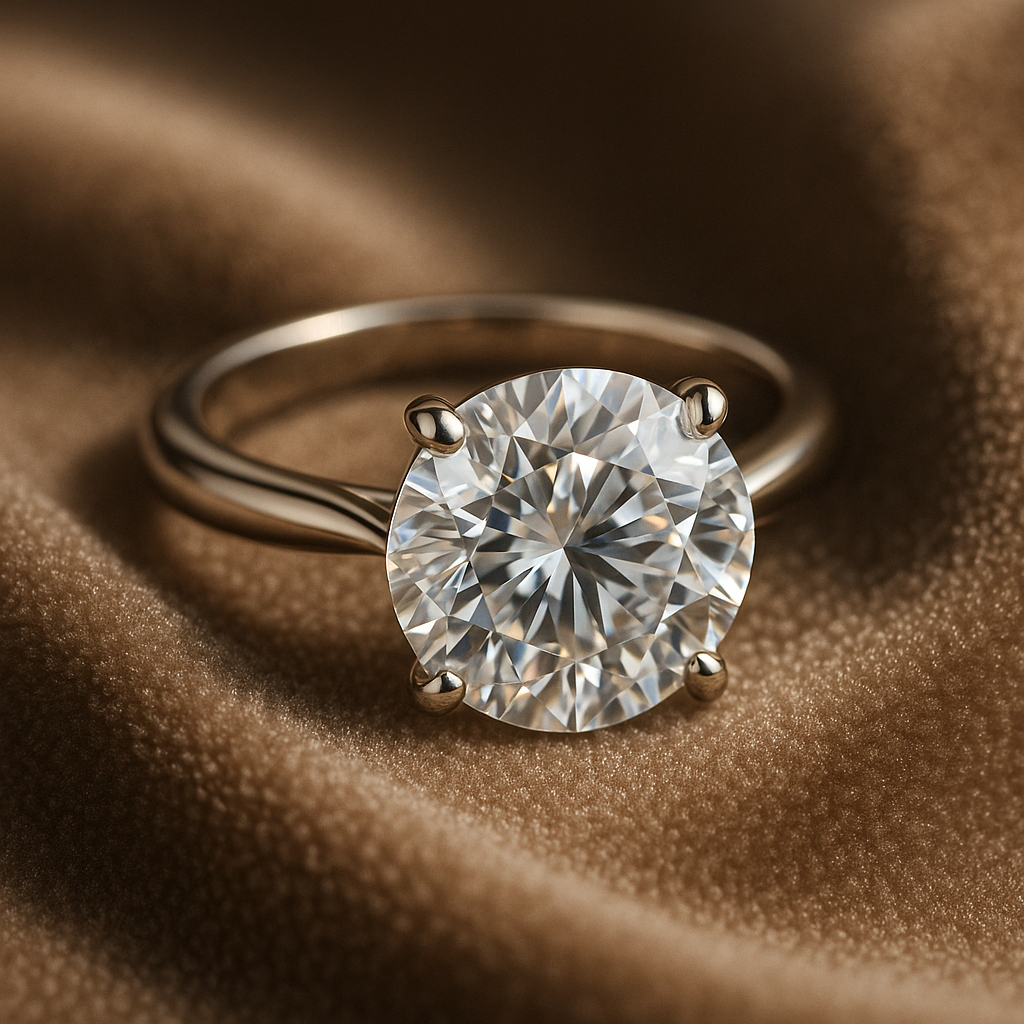
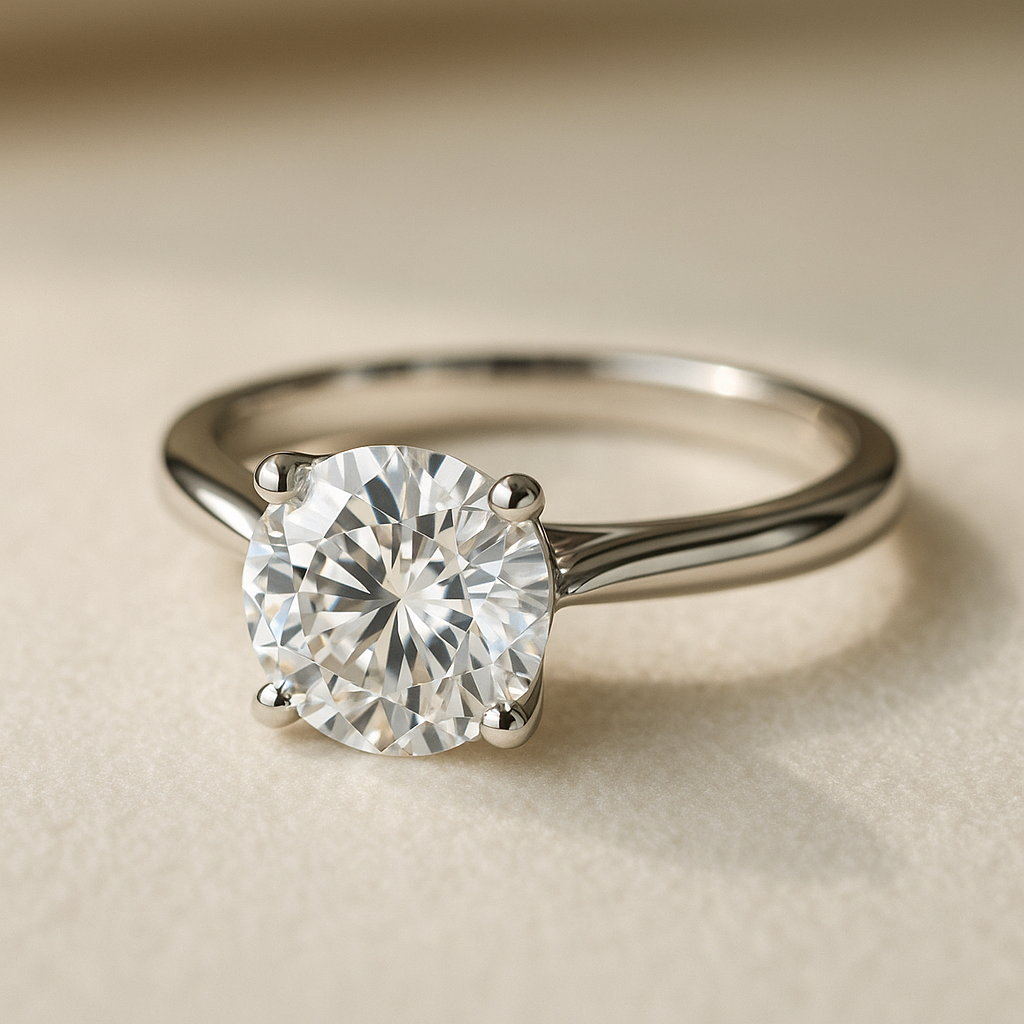
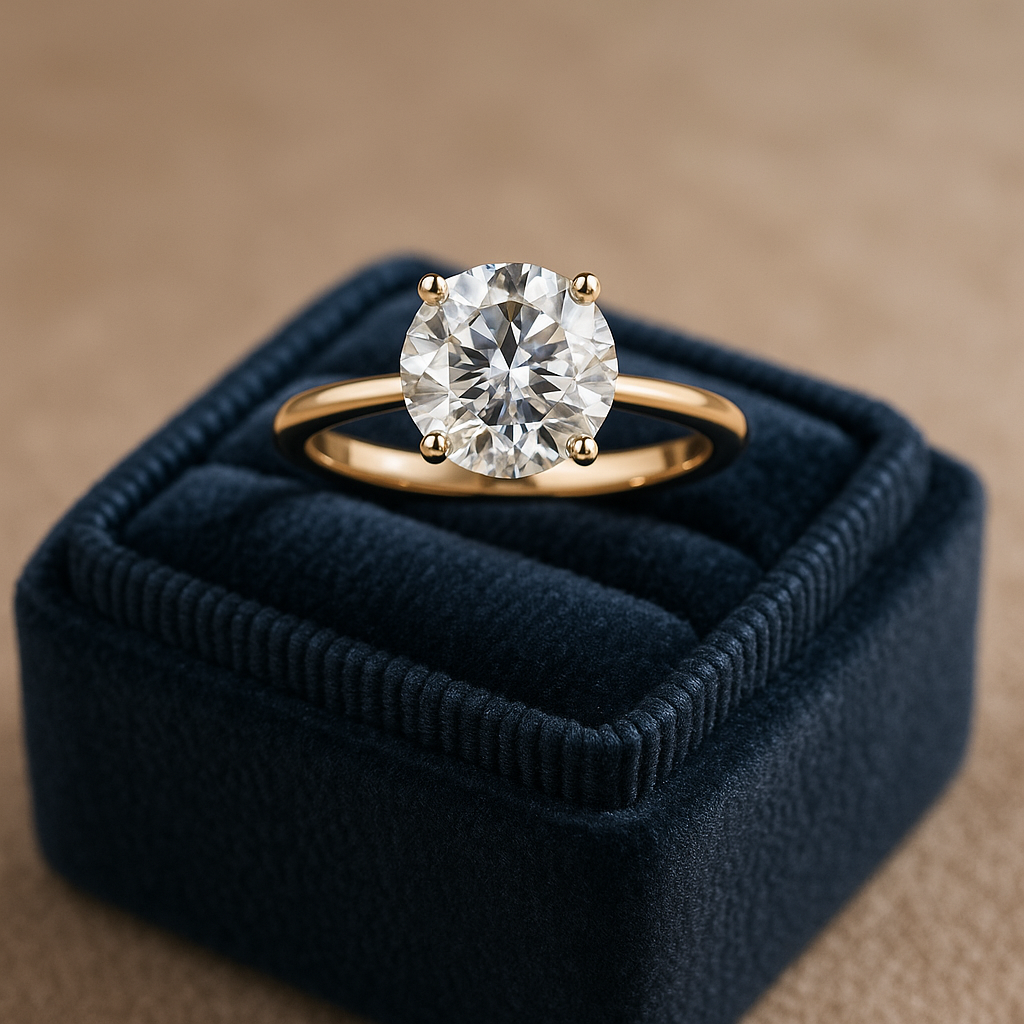
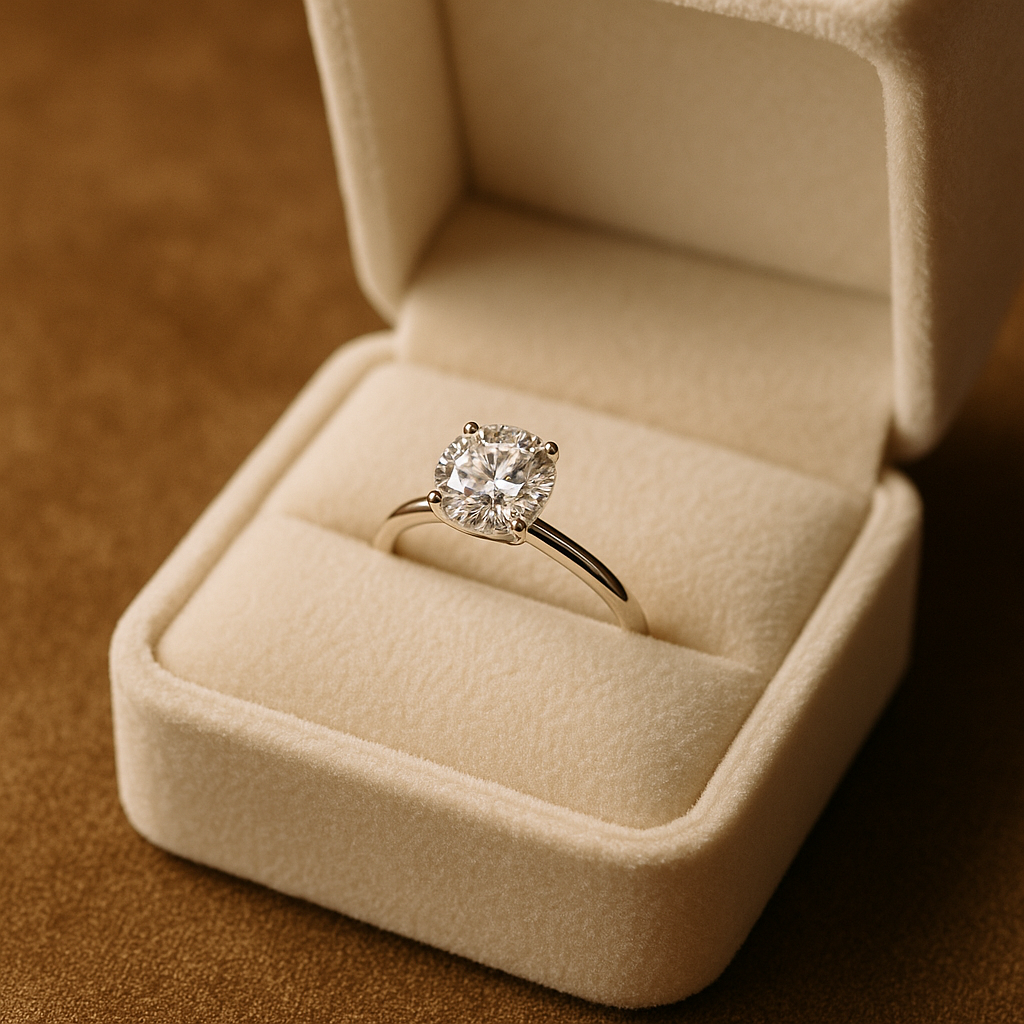
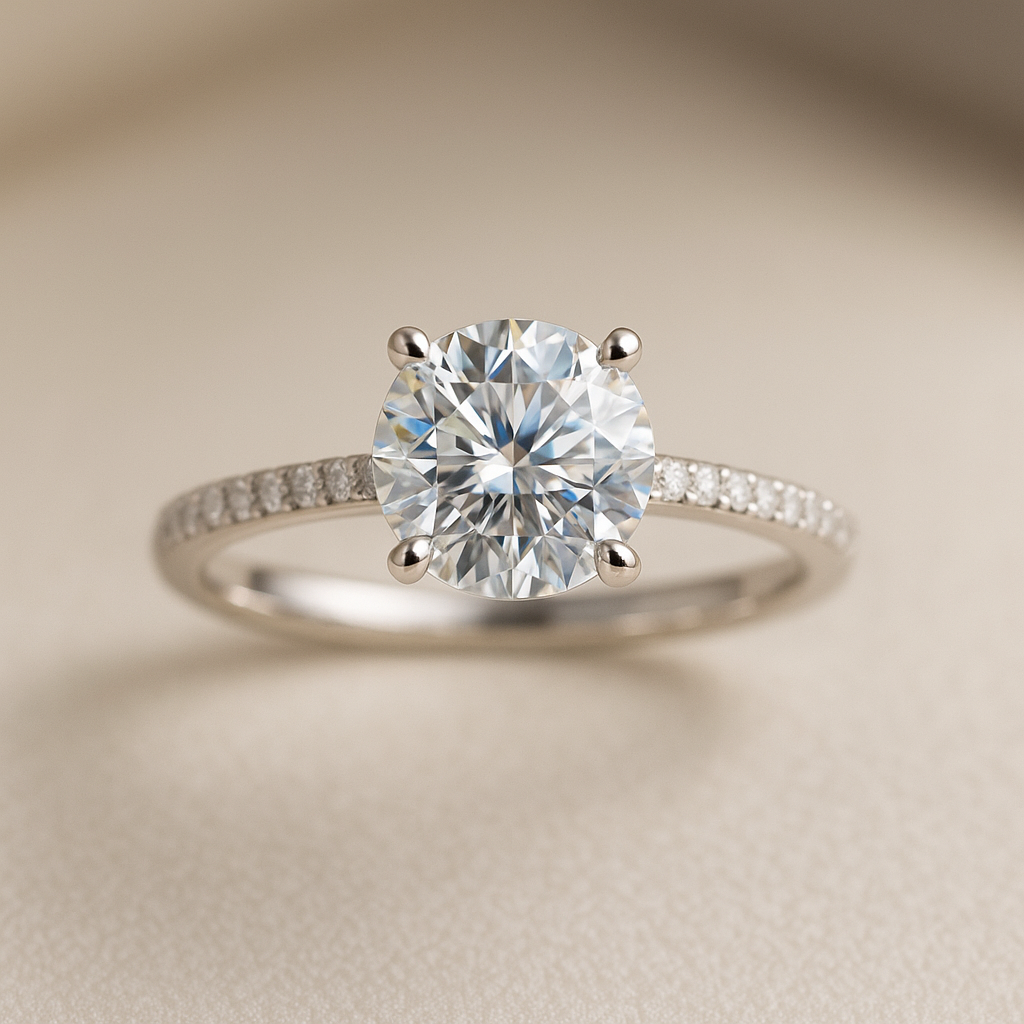
As the diamond industry evolves, lab-grown diamonds have emerged as a popular and ethical alternative to natural diamonds. With advancements in technology and a growing awareness of environmental and social impacts, consumers are increasingly turning to lab-grown diamonds for their engagement rings and fine jewelry. In this comprehensive guide, we will explore what lab-grown diamonds are, how they compare to natural diamonds, and why they might be the right choice for you.
What Are Lab-Grown Diamonds?
Lab-grown diamonds, also known as synthetic or cultured diamonds, are real diamonds created in controlled laboratory environments. They possess the same physical, chemical, and optical properties as natural diamonds, which are formed deep within the Earth over billions of years. The primary difference lies in their origin: lab-grown diamonds are created through two primary methods – High Pressure High Temperature (HPHT) and Chemical Vapor Deposition (CVD).
HPHT Diamonds
The HPHT method mimics the natural process of diamond formation by applying high temperatures and pressures to carbon. This technique results in diamonds that are chemically identical to natural diamonds. HPHT diamonds can be produced in a matter of weeks.
CVD Diamonds
CVD involves the use of carbon gas, which is ionized into plasma. This allows carbon atoms to deposit onto a substrate, gradually forming a diamond. The CVD process is known for producing higher clarity stones, often free from inclusions.
Lab-Grown vs. Natural Diamonds
When comparing lab-grown and natural diamonds, it’s essential to consider several factors, including quality, cost, and ethical implications.
Quality
Both lab-grown and natural diamonds are graded using the same standards – the Four Cs: Carat, Cut, Color, and Clarity. Lab-grown diamonds can often be higher in clarity than natural diamonds, which may have inclusions formed during their natural journey.
Cost
One of the most compelling reasons consumers choose lab-grown diamonds is cost. Typically, lab-grown diamonds are 20-40% less expensive than their natural counterparts. This price difference allows consumers to buy larger, higher quality stones without breaking the bank.
Ethical Considerations
The ethical concerns surrounding natural diamonds, often referred to as “blood diamonds,” have prompted many consumers to seek alternatives. Lab-grown diamonds provide a conflict-free option, ensuring that your purchase does not contribute to unethical mining practices.
Choosing the Right Lab-Grown Diamond
When selecting a lab-grown diamond, consider the following steps:
1. Determine Your Budget
Establish a budget that works for you. Lab-grown diamonds can help you maximize your purchasing power, allowing for larger or higher quality stones.
2. Understand the Four Cs
Familiarize yourself with the Four Cs – Carat, Cut, Color, and Clarity. These attributes will guide you in selecting a lab-grown diamond that meets your preferences.
3. Research Reputable Jewelers
Work with reputable retailers specializing in lab-grown diamonds. Ensure they provide certification from recognized gemological laboratories, such as the Gemological Institute of America (GIA) or the International Gemological Institute (IGI).
FAQs About Lab-Grown Diamonds
Are lab-grown diamonds real diamonds?
Yes, lab-grown diamonds are real diamonds. They have the same chemical composition and physical properties as natural diamonds, making them indistinguishable to the naked eye.
Do lab-grown diamonds hold their value?
Lab-grown diamonds typically do not retain value in the same way natural diamonds do; they are more like fashion jewelry in terms of resale. However, many buyers appreciate their affordability and the ethical considerations that come with them.
Are lab-grown diamonds environmentally friendly?
While lab-grown diamonds are generally considered more environmentally friendly than natural diamonds, the environmental impact varies depending on the energy sources used in production. Many manufacturers are working towards using renewable energy to minimize their footprint.
How can I tell if a diamond is lab-grown?
Lab-grown diamonds are graded using the same criteria as natural diamonds. Look for certification from a reputable lab that indicates whether a diamond is lab-grown. Additionally, some lab-grown diamonds may have inscriptions on the girdle indicating their origin.
Conclusion
Lab-grown diamonds represent a significant shift in the diamond industry, offering consumers an ethical, affordable, and stunning alternative to natural diamonds. Whether you’re shopping for an engagement ring or a piece of fine jewelry, lab-grown diamonds provide an excellent choice without compromising quality or values. As you embark on your jewelry journey, consider the benefits of lab-grown diamonds and make an informed purchase that aligns with your personal beliefs and budget.