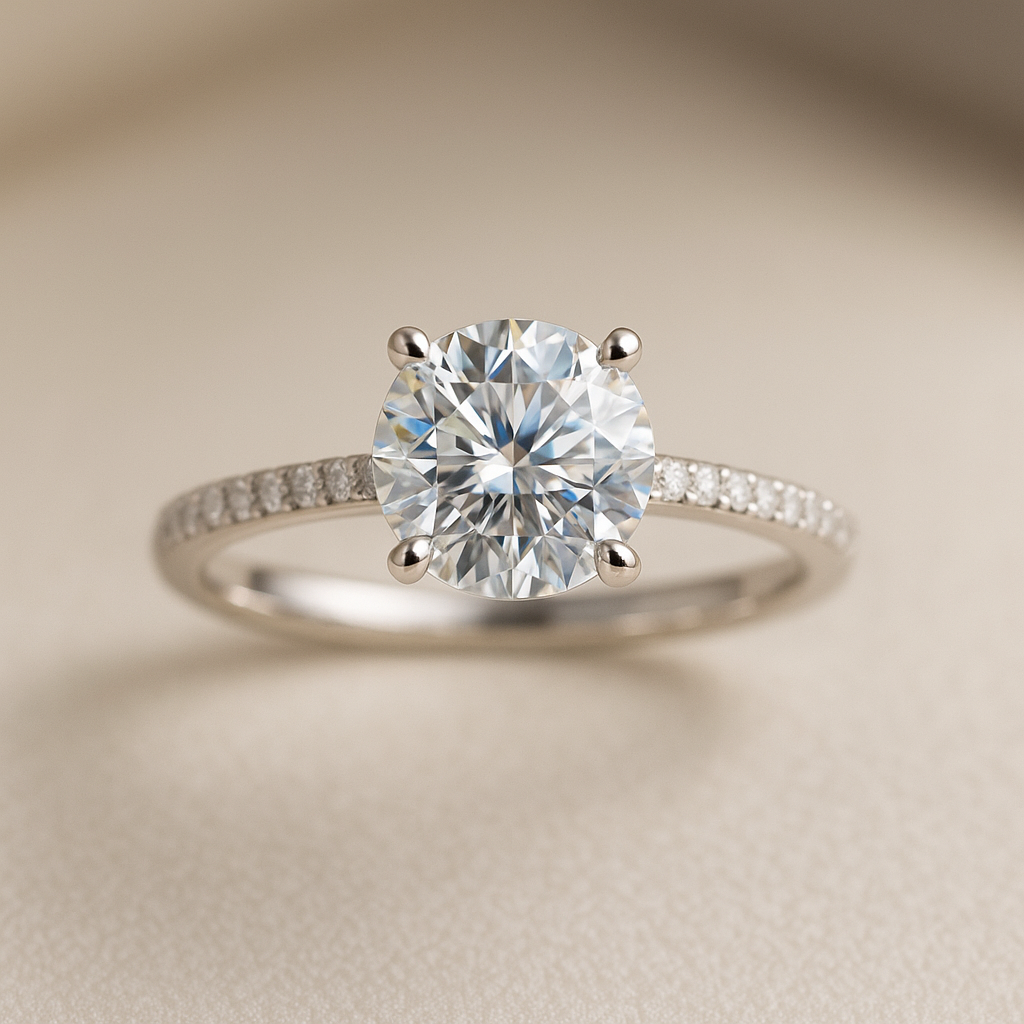

Understanding Lab-Grown Diamonds: A Comprehensive Guide
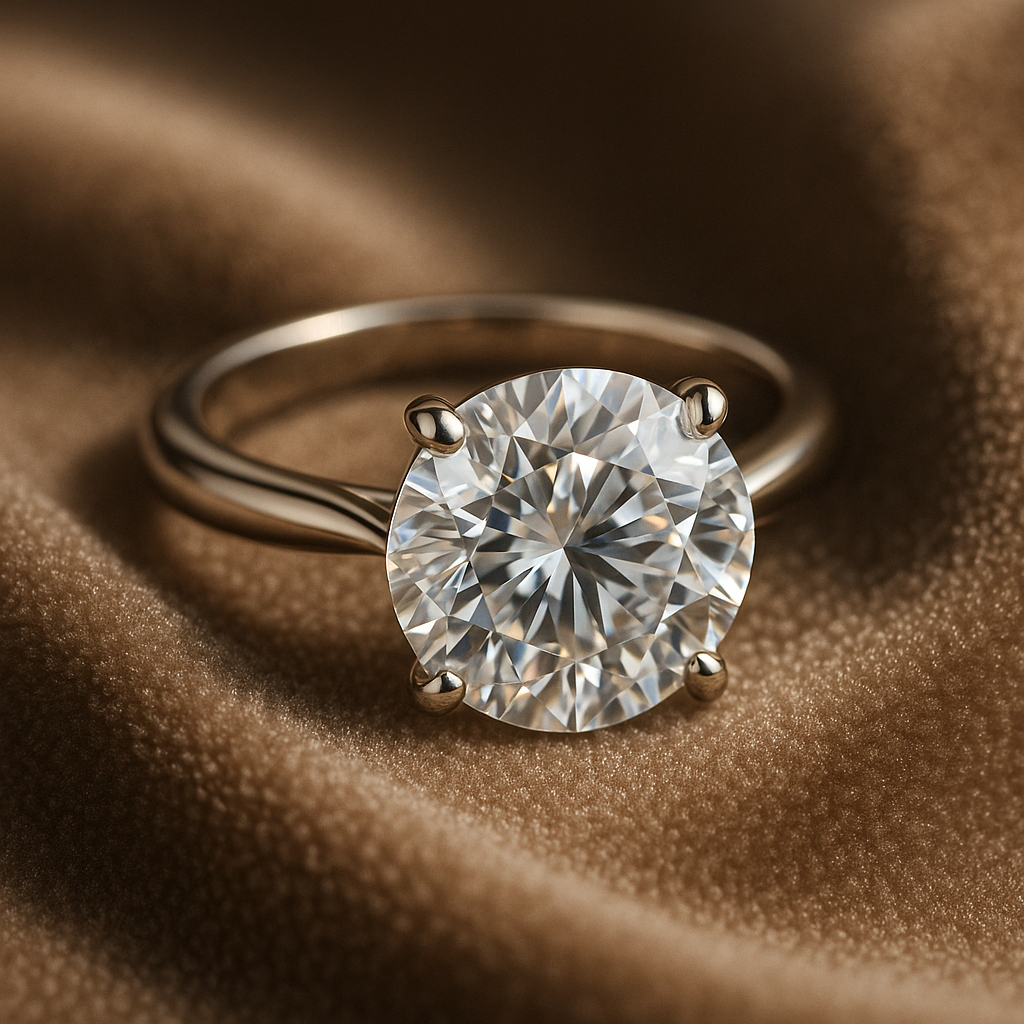
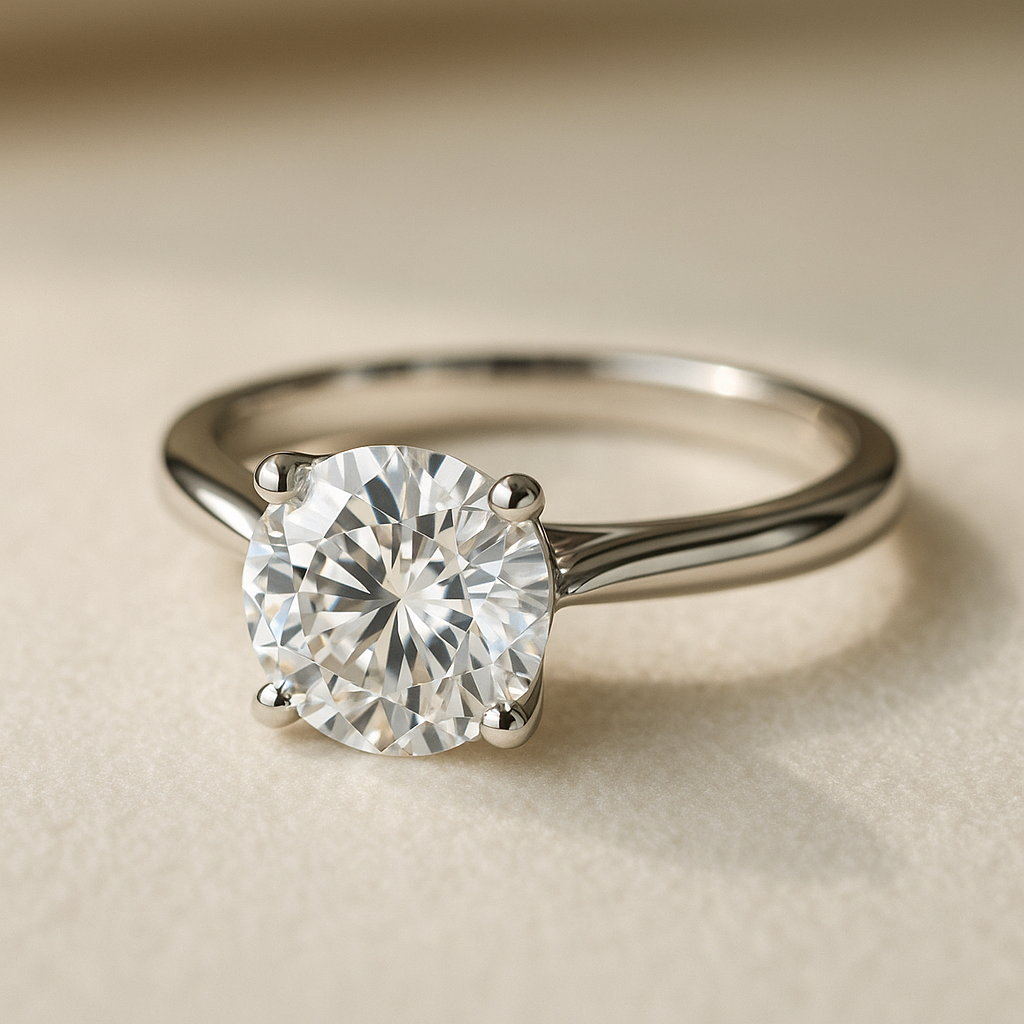
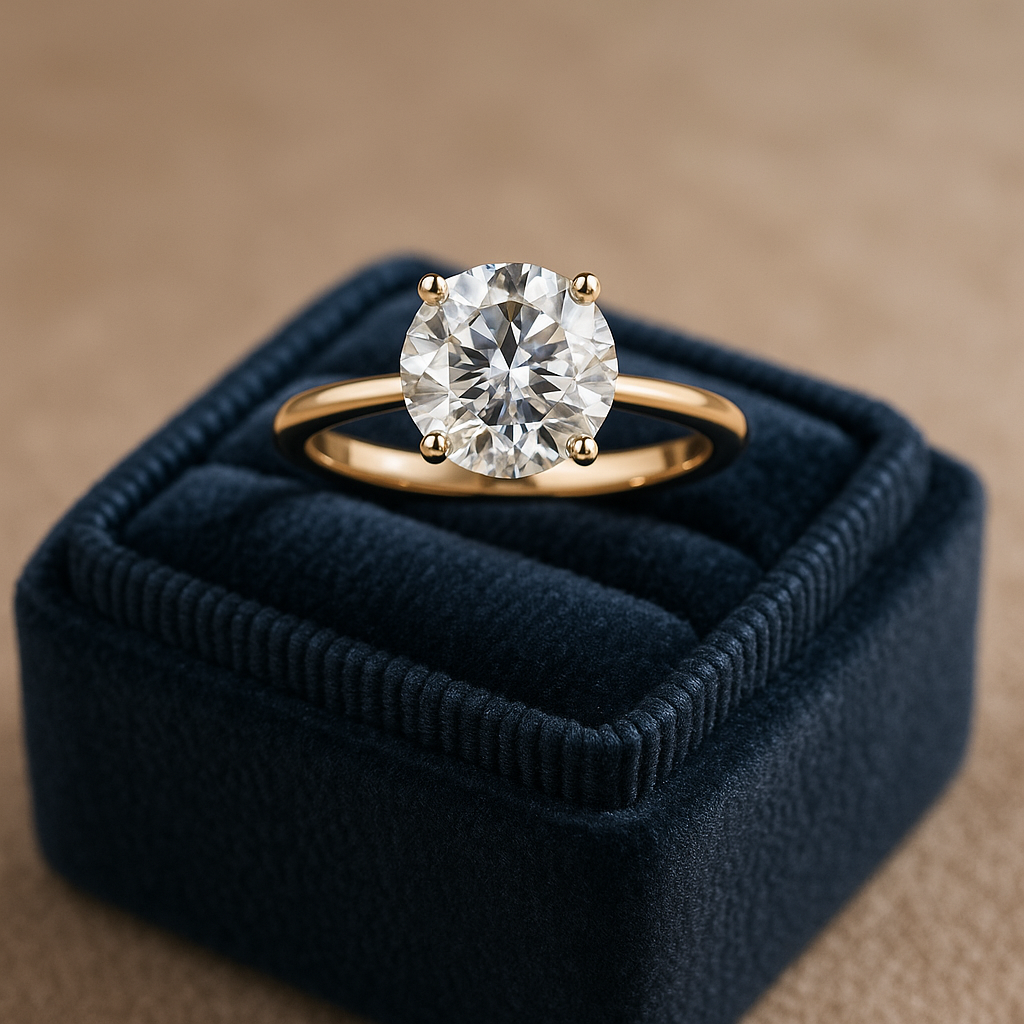
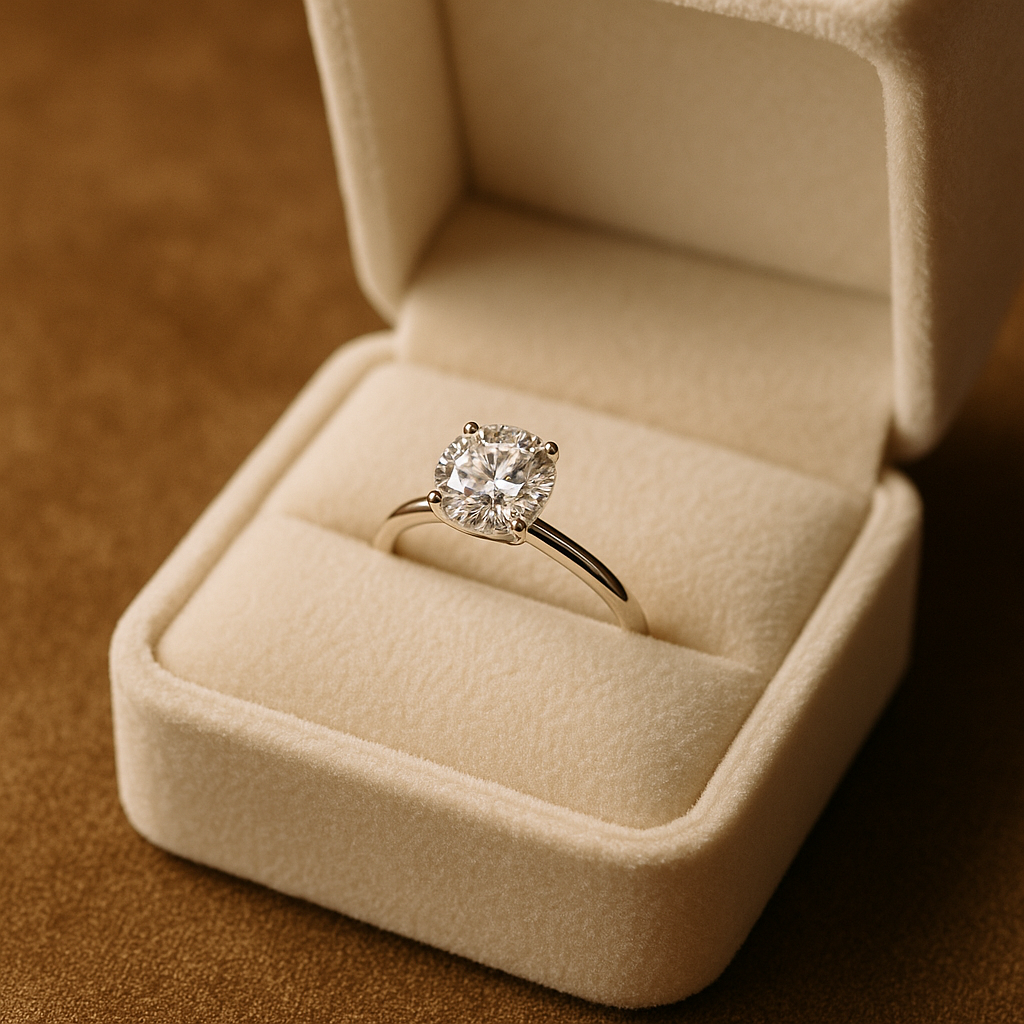
In recent years, lab-grown diamonds have gained tremendous popularity among consumers looking for ethical, affordable, and stunning options for engagement rings and fine jewelry. While the term ‘diamond’ traditionally conjured images of natural stones mined from the earth, technological advancements have paved the way for an alternative that is both sustainable and visually indistinguishable from its mined counterparts. In this guide, we will explore the key aspects of lab-grown diamonds, their benefits, and how they compare to natural diamonds.
What Are Lab-Grown Diamonds?
Lab-grown diamonds, also known as synthetic or cultured diamonds, are real diamonds created in controlled environments using advanced technology. They possess the same physical, chemical, and optical properties as natural diamonds, making them a viable alternative for consumers who seek beauty without the ethical concerns surrounding mined stones.
How Lab-Grown Diamonds Are Made
There are two primary methods for creating lab-grown diamonds: High Pressure High Temperature (HPHT) and Chemical Vapor Deposition (CVD). Both processes replicate the conditions under which natural diamonds form, resulting in gemstones that are virtually identical to mined diamonds.
- High Pressure High Temperature (HPHT): This method mimics the natural conditions of diamond formation by applying extreme pressure and heat to carbon. The result is a diamond that crystallizes in a manner similar to that of natural diamonds.
- Chemical Vapor Deposition (CVD): In this process, a carbon-containing gas is ionized, allowing carbon atoms to deposit onto a substrate. Over time, these atoms accumulate and form a diamond, layer by layer.
Benefits of Lab-Grown Diamonds
Choosing a lab-grown diamond comes with several advantages that appeal to modern consumers:
1. Ethical Sourcing
Lab-grown diamonds are created in a controlled environment, eliminating the risk of conflict diamonds entering the market. This ethical sourcing provides peace of mind for consumers who are conscious of their impact on the environment and human rights.
2. Cost-Effectiveness
Lab-grown diamonds are generally 20% to 40% less expensive than their natural counterparts. This price advantage allows consumers to allocate their budget toward higher-quality stones or additional features, such as intricate settings or other fine jewelry pieces.
3. Environmental Impact
The environmental footprint of lab-grown diamonds is significantly lower than that of mined diamonds. Mining operations can cause environmental degradation, including habitat destruction and pollution, while lab-grown diamonds require considerably fewer natural resources.
4. Quality and Variety
Lab-grown diamonds are available in a wide range of sizes, shapes, and qualities. Consumers can enjoy greater flexibility in selecting the perfect stone that fits their personal style and preferences.
Lab-Grown Diamonds vs. Natural Diamonds: What You Need to Know
When considering whether to choose a lab-grown diamond or a natural diamond, it’s essential to understand the differences and similarities:
Origin
Natural diamonds are formed over millions of years beneath the Earth’s surface under specific geological conditions, while lab-grown diamonds are created within weeks in a lab environment.
Value Retention
Natural diamonds often hold their value over time due to their rarity and demand in the market. On the other hand, lab-grown diamonds currently do not hold their value as well, as they are more abundant in the market. However, the gap is narrowing as consumer acceptance grows.
Sustainability
Lab-grown diamonds are generally considered more sustainable due to their reduced environmental impact and ethical sourcing. They align with the values of consumers who prioritize sustainability in their purchasing decisions.
Choosing the Right Lab-Grown Diamond
When selecting a lab-grown diamond, consider the Four Cs: Cut, Color, Clarity, and Carat weight.
1. Cut
The cut of a diamond significantly influences its brilliance and sparkle. Lab-grown diamonds can be cut to the highest standards, providing exceptional light performance.
2. Color
Lab-grown diamonds come in a variety of colors and grades. Most consumers opt for near-colorless stones, often graded G-H on the color scale, which appear virtually colorless to the naked eye.
3. Clarity
Clarity refers to the presence of inclusions or blemishes in a diamond. Lab-grown diamonds can achieve high clarity grades, which enhances their visual appeal.
4. Carat Weight
Carat weight measures the size of the diamond. Lab-grown diamonds allow consumers to purchase larger stones for their budget, providing an attractive option for engagement rings.
Frequently Asked Questions (FAQ)
Q: Are lab-grown diamonds real?
A: Yes, lab-grown diamonds are real diamonds with the same physical and chemical properties as mined diamonds.
Q: How can I tell the difference between a lab-grown diamond and a natural diamond?
A: The differences are microscopic and require specialized equipment to identify. Lab-grown diamonds may have distinct growth patterns that can be detected by gemologists.
Q: Will my lab-grown diamond lose value?
A: Lab-grown diamonds currently do not retain value as well as natural diamonds; however, their acceptance in the market is increasing, which may influence future value retention.
Q: Can lab-grown diamonds be resold?
A: Yes, lab-grown diamonds can be resold, but their resale value may be lower compared to natural diamonds.
Conclusion
Lab-grown diamonds represent a modern, ethical, and cost-effective choice for consumers looking to invest in fine jewelry. With their stunning beauty, environmental benefits, and affordability, lab-grown diamonds are an increasingly popular option for engagement rings and special occasions. By understanding the key differences between lab-grown and natural diamonds, consumers can make informed decisions that align with their values and preferences.