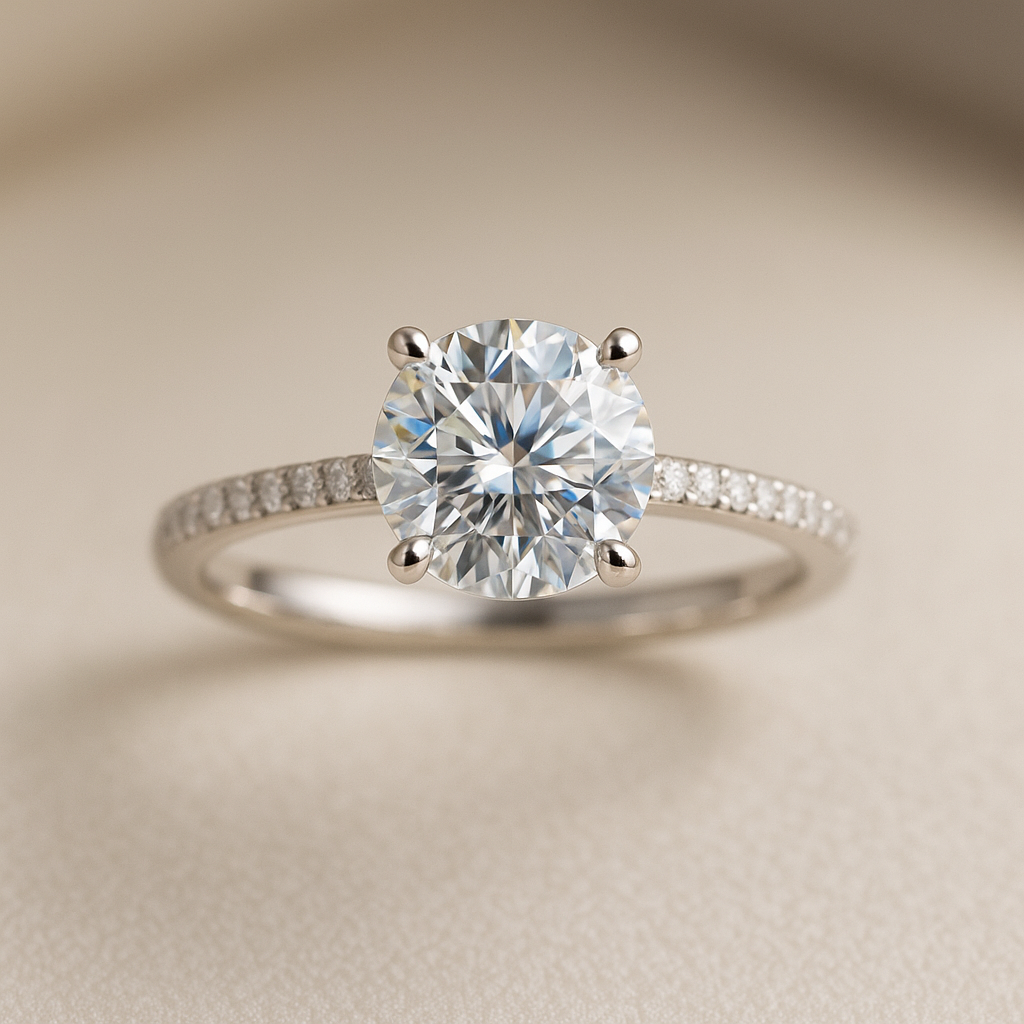

Lab-Grown Diamonds: The Smart Choice for Engagement Rings
When it comes to choosing an engagement ring, diamonds have long been the traditional choice for couples. However, with the rise of lab-grown diamonds, shoppers are presented with a new alternative that combines beauty, ethical considerations, and cost-effectiveness. In this article, we will explore everything you need to know about lab-grown diamonds, comparing them to natural diamonds, and helping you make an informed decision for your engagement ring.
What Are Lab-Grown Diamonds?
Lab-grown diamonds, also known as synthetic diamonds, cultured diamonds, or man-made diamonds, are real diamonds that are created in controlled laboratory environments using advanced technology. They have the same physical, chemical, and optical properties as natural diamonds, making them indistinguishable to the naked eye. The two primary methods of producing lab-grown diamonds are High Pressure High Temperature (HPHT) and Chemical Vapor Deposition (CVD).
High Pressure High Temperature (HPHT)
The HPHT process mimics the natural conditions under which diamonds form deep within the Earth’s mantle. By applying extreme heat and pressure to carbon, manufacturers can create diamonds that are virtually identical to their natural counterparts.
Chemical Vapor Deposition (CVD)
CVD involves vaporizing carbon-containing gases, which then deposit onto a substrate to form diamond crystals. This method allows for precise control over the properties of the diamond, making it possible to create stones with specific characteristics.
Why Choose Lab-Grown Diamonds?
Making a choice between lab-grown and natural diamonds can be challenging. Here are some compelling reasons to consider lab-grown diamonds for your engagement ring:
1. Ethical Considerations
Lab-grown diamonds are considered an ethical alternative to natural diamonds, which are often linked to problematic mining practices, environmental concerns, and human rights violations. By choosing a lab-grown diamond, you can feel confident that your purchase supports responsible practices.
2. Cost-Effectiveness
One of the most significant advantages of lab-grown diamonds is their price. Lab-grown diamonds typically cost 20-40% less than natural diamonds of similar size and quality. This cost savings allows couples to purchase larger or higher-quality stones without stretching their budget.
3. Quality and Variety
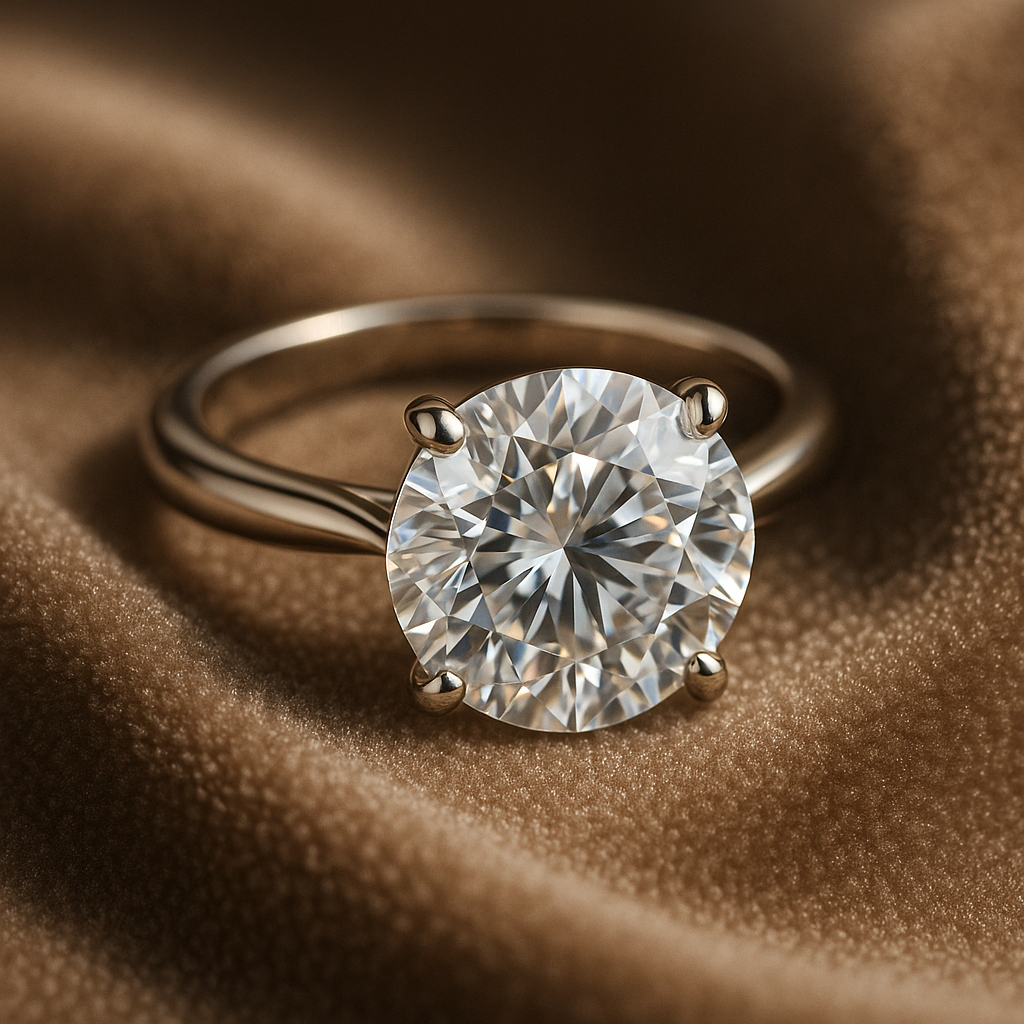
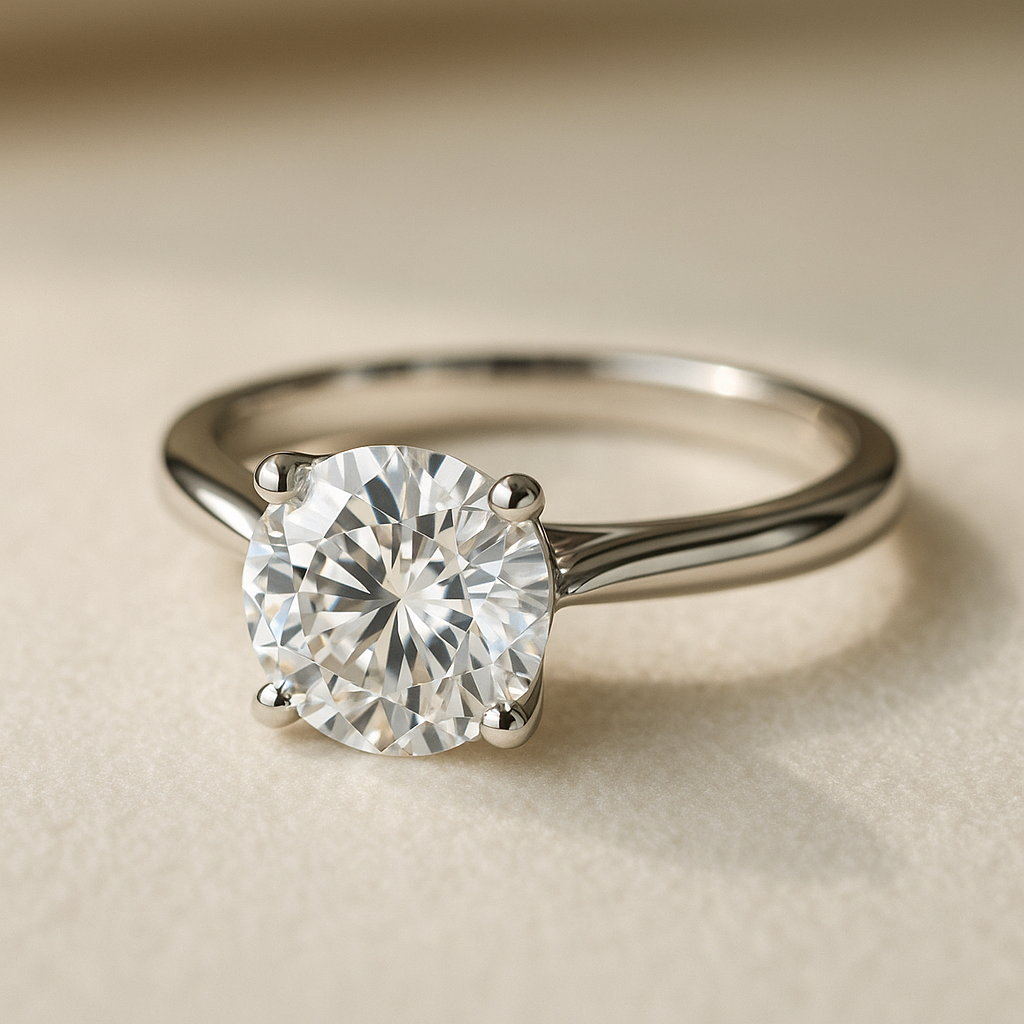
Lab-grown diamonds come in a wide range of styles, sizes, and grades, just like natural diamonds. You can choose from various shapes and cuts, ensuring that you find a diamond that perfectly suits your taste and style. Since these diamonds are created in a controlled environment, they tend to have fewer inclusions and higher clarity ratings.
4. Transparency
Most lab-grown diamonds come with a grading certificate that details their characteristics, including cut, color, clarity, and carat weight. This transparency gives consumers peace of mind when making their purchase, as they can ensure they are getting a high-quality product.
5. Environmental Impact
The environmental impact of diamond mining is considerable, involving land degradation, water pollution, and carbon emissions. In contrast, lab-grown diamonds are produced with a significantly lower environmental footprint. Many manufacturers also take steps to offset their carbon emissions, making them a more sustainable choice.
Lab-Grown vs. Natural Diamonds: What’s the Difference?
While lab-grown diamonds offer many benefits, it’s essential to understand the differences between them and natural diamonds:
1. Origin
The most obvious difference is their origin—natural diamonds are formed over billions of years under the Earth’s crust, while lab-grown diamonds are created in weeks or months in a lab. This distinction can affect how some consumers perceive the value of each type.
2. Value Retention
Natural diamonds tend to hold their value better over time compared to lab-grown diamonds. Although the market for lab-grown diamonds is growing, their resale value currently is less predictable and generally lower than that of natural diamonds.
3. Sentimental Value
For some, the allure of a natural diamond is tied to its rarity and the romantic notion of its formation over millions of years. While lab-grown diamonds are equally beautiful and authentic, the emotional connection to a natural diamond can make it more appealing to certain buyers.
Frequently Asked Questions (FAQ)
Are lab-grown diamonds real diamonds?
Yes, lab-grown diamonds are real diamonds with the same physical and chemical properties as natural diamonds. They are both composed of carbon atoms arranged in a crystal structure.
Do lab-grown diamonds have any resale value?
Lab-grown diamonds currently have a lower resale value compared to natural diamonds, as their market is still developing. However, they can still retain some value, especially if they are of high quality.
How can I ensure I’m buying a genuine lab-grown diamond?
Always request a grading certificate from a reputable gemological laboratory. This certificate will provide detailed information about the diamond’s characteristics and confirm its origin.
Can you tell the difference between lab-grown and natural diamonds?
Lab-grown diamonds are virtually indistinguishable from natural diamonds without specialized equipment. Most jewelers can only differentiate them using advanced technology.
Conclusion
Choosing the perfect engagement ring is a significant decision that should reflect your values, style, and budget. Lab-grown diamonds offer a beautiful, ethical, and cost-effective alternative to natural diamonds. By understanding the differences between these two types of diamonds, you can make an informed choice that you and your partner will cherish for a lifetime.