
Understanding Lab-Grown Diamonds: The Modern Choice for Engagement Rings
In recent years, lab-grown diamonds have taken the jewelry market by storm, offering a stunning alternative to natural diamonds. For couples embarking on their engagement journey, the question often arises: should we choose a lab-grown diamond or a natural one?
What Are Lab-Grown Diamonds?
Lab-grown diamonds, also known as synthetic diamonds, are created in controlled environments using advanced technological processes that replicate the natural conditions under which diamonds form in the earth. The two primary methods of producing lab-grown diamonds are High Pressure High Temperature (HPHT) and Chemical Vapor Deposition (CVD). Both methods produce diamonds that are chemically, physically, and optically identical to natural diamonds.
The Benefits of Choosing Lab-Grown Diamonds
When considering engagement rings, here are several reasons why lab-grown diamonds are becoming increasingly popular:
1. Ethical Considerations
One of the most compelling benefits of lab-grown diamonds is their ethical appeal. Natural diamonds are often mined in regions where labor practices are questionable, and environmental impacts are significant. Lab-grown diamonds, however, offer a guilt-free alternative, ensuring that your purchase supports ethical practices.
2. Environmental Impact
The environmental footprint of diamond mining is a concern for many consumers. The process can lead to deforestation, soil erosion, and loss of biodiversity. In contrast, lab-grown diamonds significantly reduce environmental damage, making them a more sustainable choice.
3. Cost-Effective
Lab-grown diamonds typically cost 20-40% less than their natural counterparts. This price difference allows buyers to either purchase a larger stone or invest in higher quality attributes, such as clarity and color. For couples on a budget, this option can provide a more luxurious experience without the hefty price tag.
4. Quality and Variety
Lab-grown diamonds often offer superior quality, as they are created in controlled environments that eliminate many of the imperfections found in natural diamonds. Additionally, consumers have access to a wider variety of colors and sizes, catering to diverse tastes and preferences.
How Lab-Grown Diamonds Compare to Natural Diamonds
To make an informed decision, it’s essential to understand how lab-grown diamonds stack up against natural diamonds across several key factors:
1. Composition and Appearance
Both lab-grown and natural diamonds are composed of carbon atoms arranged in a crystal structure. Under a microscope, there are often no visible differences between the two. A qualified gemologist can use advanced equipment to detect the origin of the diamond, but to the naked eye, they appear identical.
2. Resale Value
Natural diamonds have traditionally held a higher resale value compared to lab-grown diamonds. However, this trend is evolving, and it’s important for consumers to recognize that the market for lab-grown diamonds is growing. As public perception shifts, the resale value of lab-grown diamonds may continue to increase.
3. Certification
Both lab-grown and natural diamonds can be certified by reputable gemological laboratories, such as the Gemological Institute of America (GIA) or the International Gemological Institute (IGI). When purchasing a diamond, ensure that it comes with a grading report that outlines its quality attributes.
Choosing the Right Lab-Grown Diamond for Your Engagement Ring
Once you’ve decided to go with a lab-grown diamond, the next step is selecting the perfect stone for your engagement ring. Here are some tips to help you make the right choice:
1. Educate Yourself on the 4 Cs
The 4 Cs—Cut, Color, Clarity, and Carat Weight—are essential factors that influence a diamond’s quality and appearance. Researching these criteria will empower you to make an informed decision that suits your personal style and budget.
2. Set a Budget
Determine what you can comfortably spend on an engagement ring. With lab-grown diamonds, you may find that you can allocate more of your budget toward other aspects of the ring, such as the setting or additional stones.
3. Consider the Setting
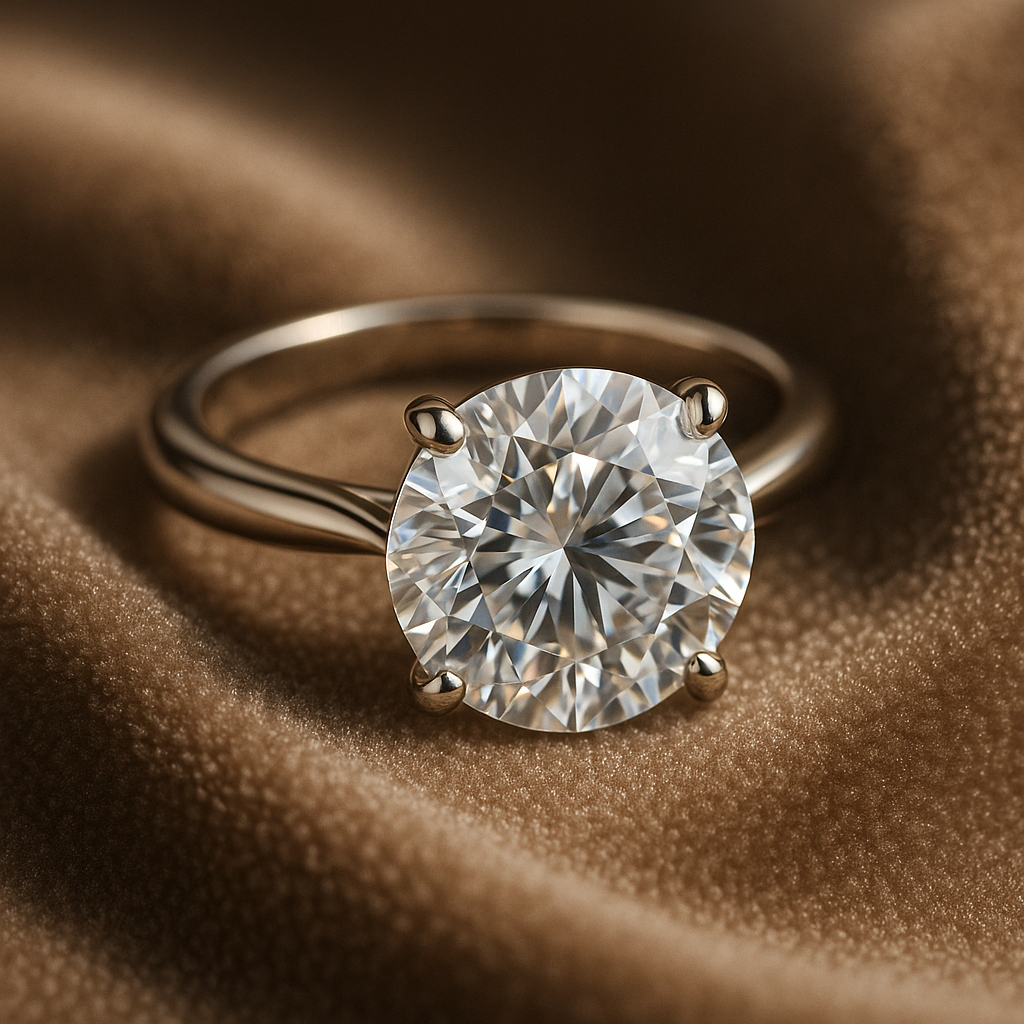
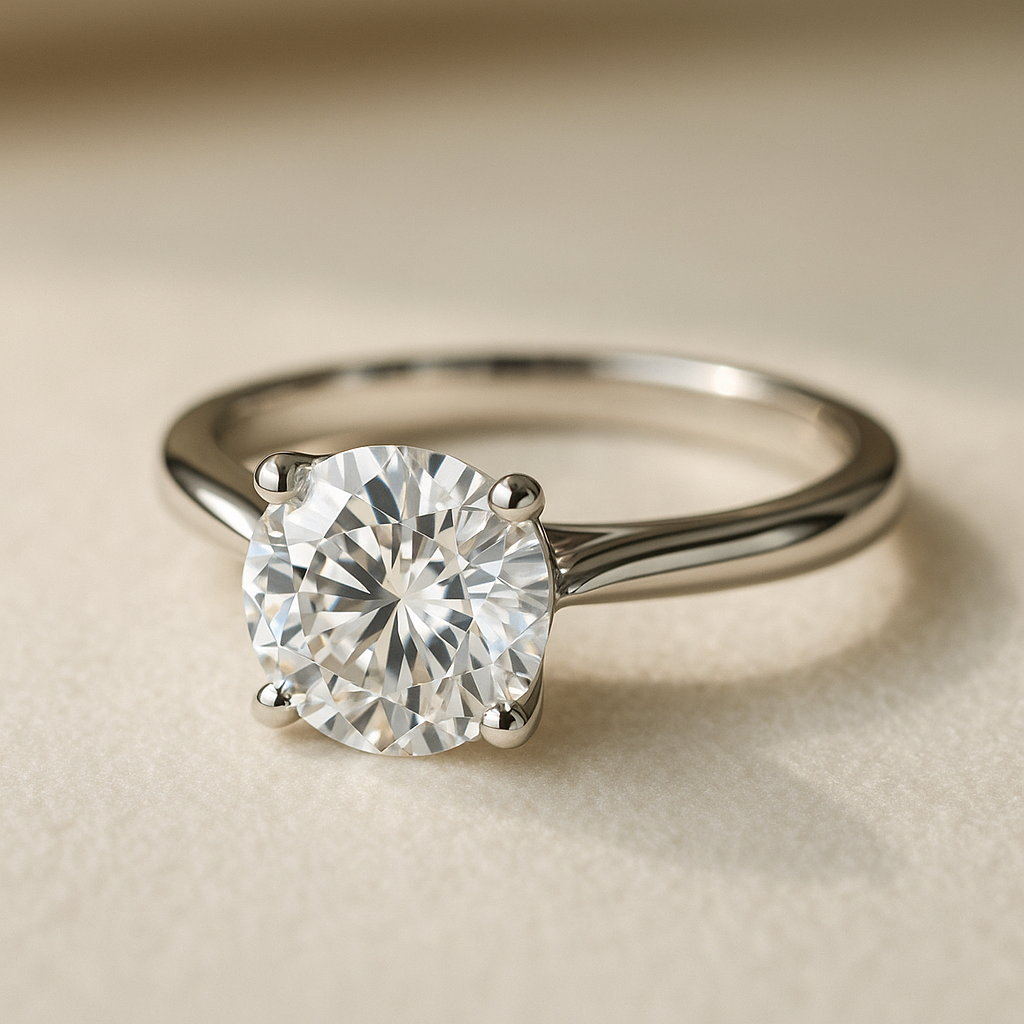
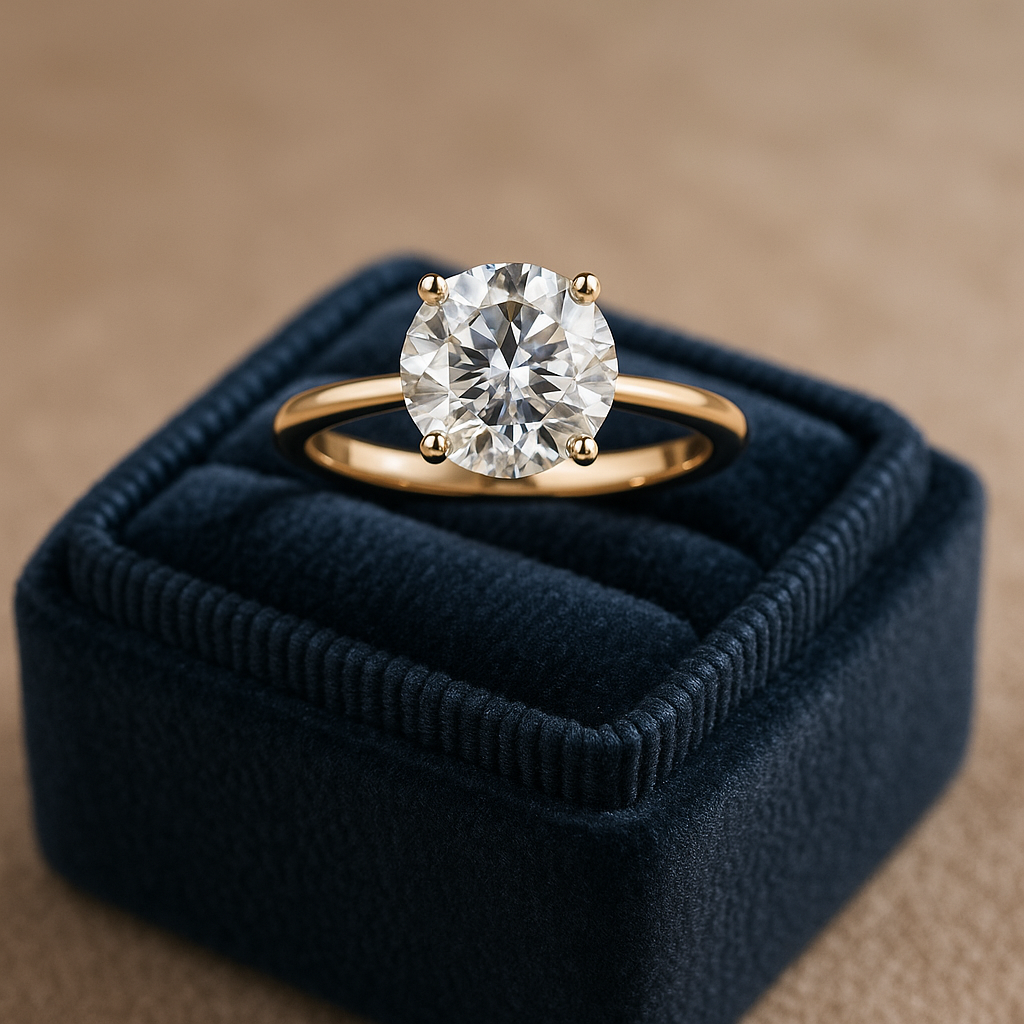
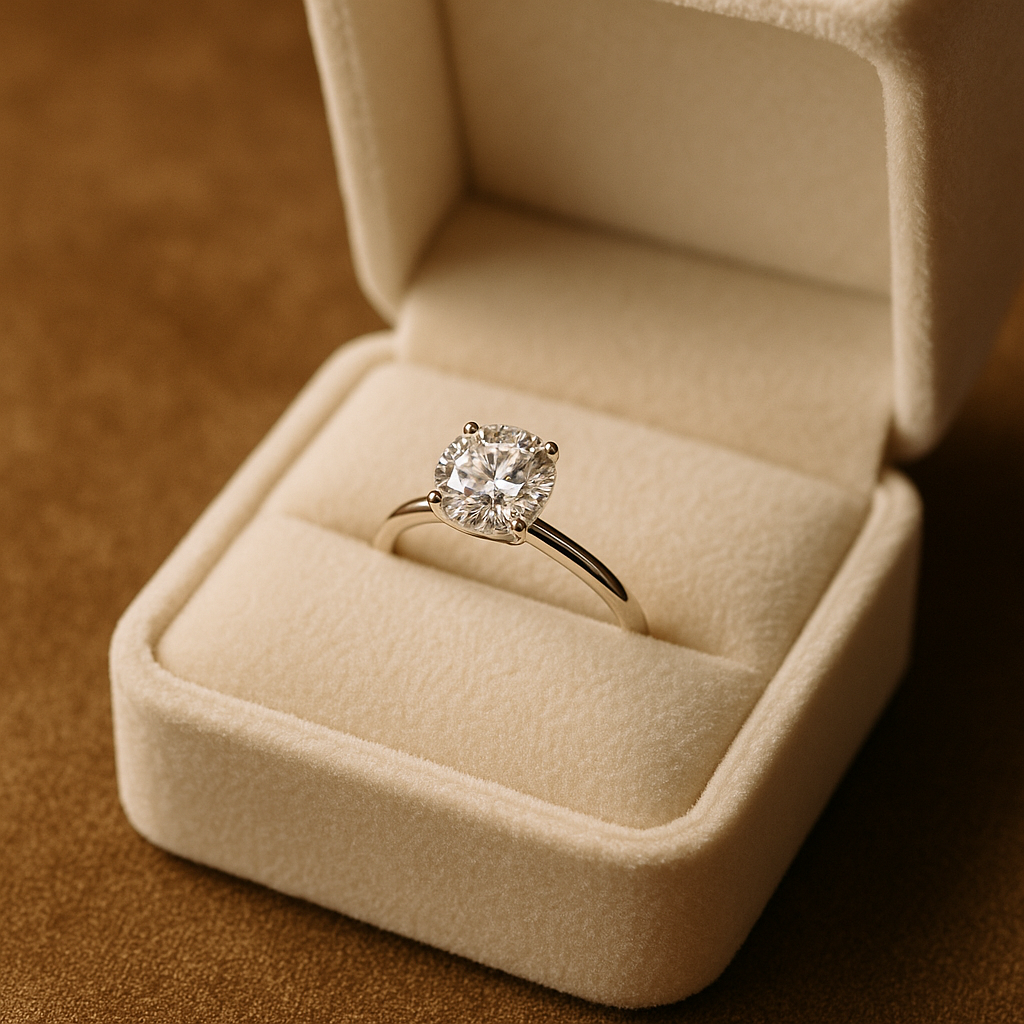
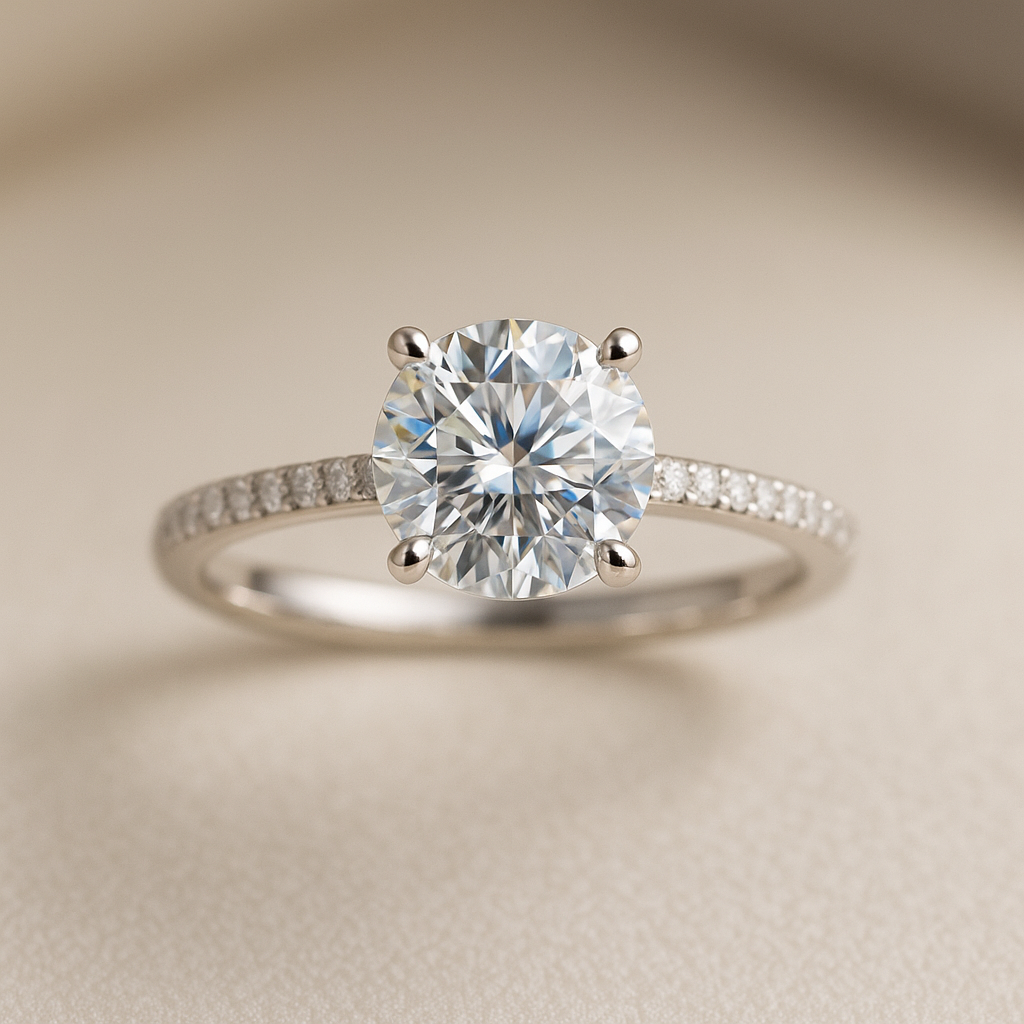
The setting can dramatically influence the overall appearance of the ring. Choose a setting that complements the diamond and reflects your partner’s style. Whether it’s a classic solitaire or a modern halo design, the right setting can enhance the beauty of the diamond.
4. Seek Professional Guidance
Don’t hesitate to consult with reputable jewelers who specialize in lab-grown diamonds. They can provide valuable insights and assist you in selecting a diamond that meets your needs and preferences.
Frequently Asked Questions
Are lab-grown diamonds real diamonds?
Yes, lab-grown diamonds are real diamonds. They share the same chemical and physical properties as natural diamonds, making them indistinguishable without specialized equipment.
Do lab-grown diamonds pass the diamond test?
Yes, lab-grown diamonds pass thermal and electrical conductivity tests just like natural diamonds. They’re genuine diamonds.
What’s the difference in value between lab-grown and natural diamonds?
Lab-grown diamonds are generally 20-40% less expensive than natural diamonds, but resale values may vary and are currently lower for lab-grown stones.
Can lab-grown diamonds be certified?
Absolutely. Lab-grown diamonds can be certified by respected gemological institutes, providing assurance regarding their quality and characteristics.
Conclusion: A Thoughtful Choice
As more couples consider their engagement options, lab-grown diamonds present a modern, ethical, and cost-effective choice. Understanding the benefits and qualities of lab-grown versus natural diamonds empowers consumers to make informed decisions that align with their values and preferences. At Celebrity Diamonds, we believe in providing transparent information to help you find the perfect ring that symbolizes your love story.