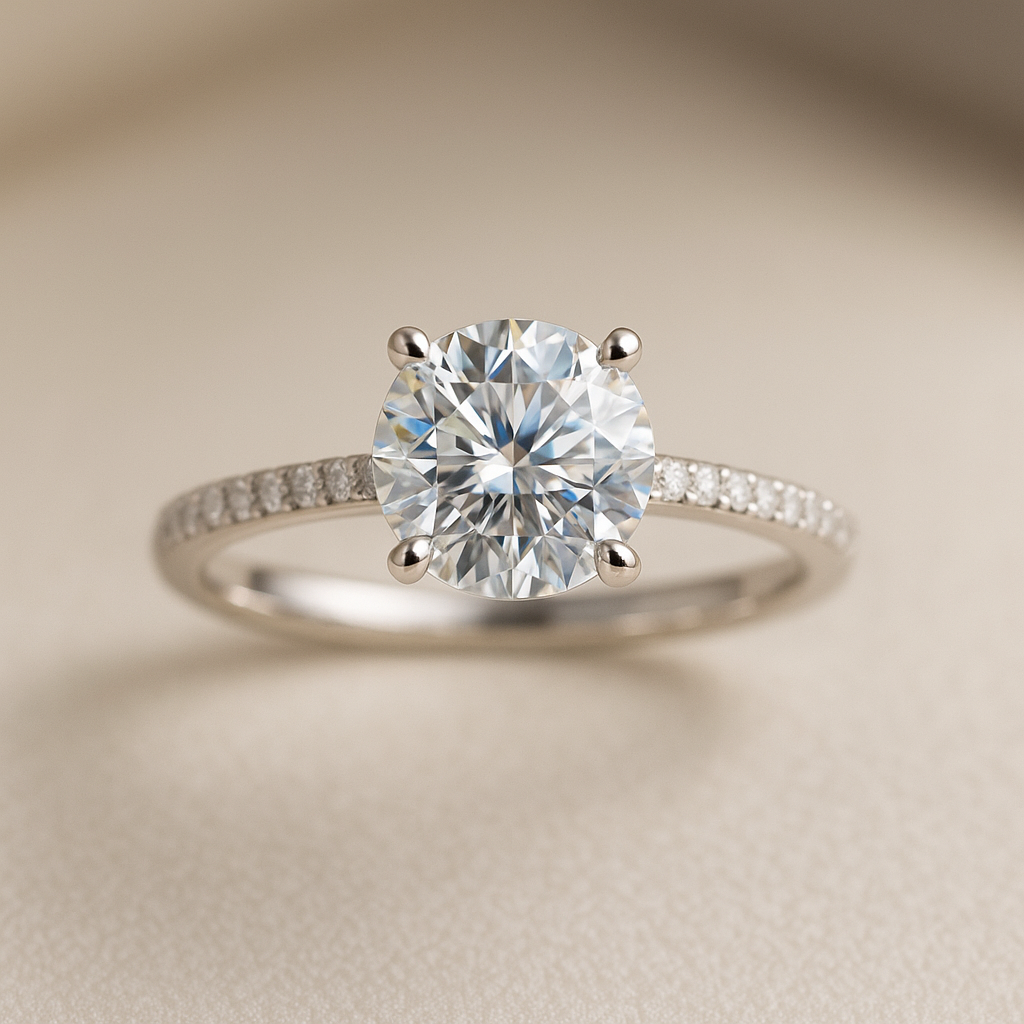

Understanding Lab-Grown Diamonds: The Future of Fine Jewelry
In recent years, lab-grown diamonds have gained significant popularity among consumers seeking ethical and cost-effective options for engagement rings and fine jewelry. This article explores the characteristics, production methods, benefits, and comparisons between lab-grown diamonds and natural diamonds, helping you make an informed decision for your next jewelry purchase.
What Are Lab-Grown Diamonds?
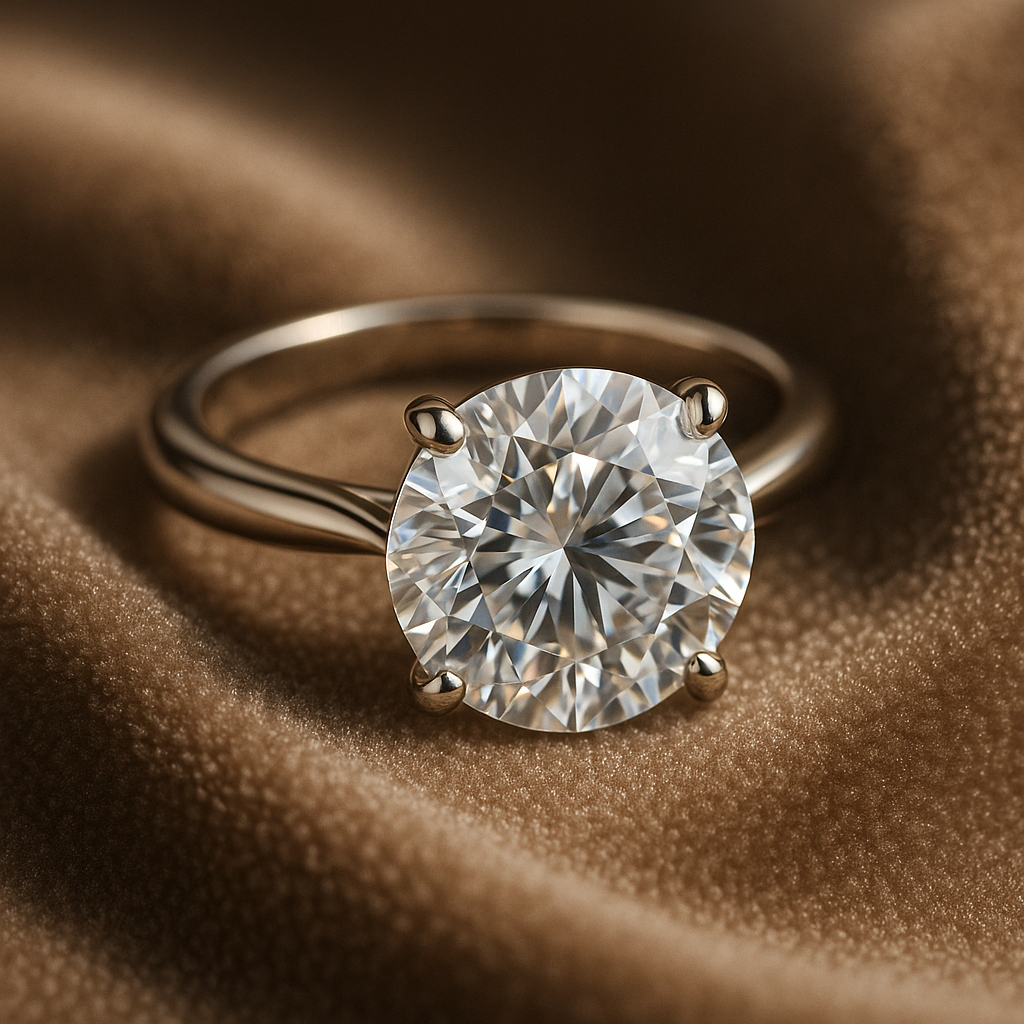
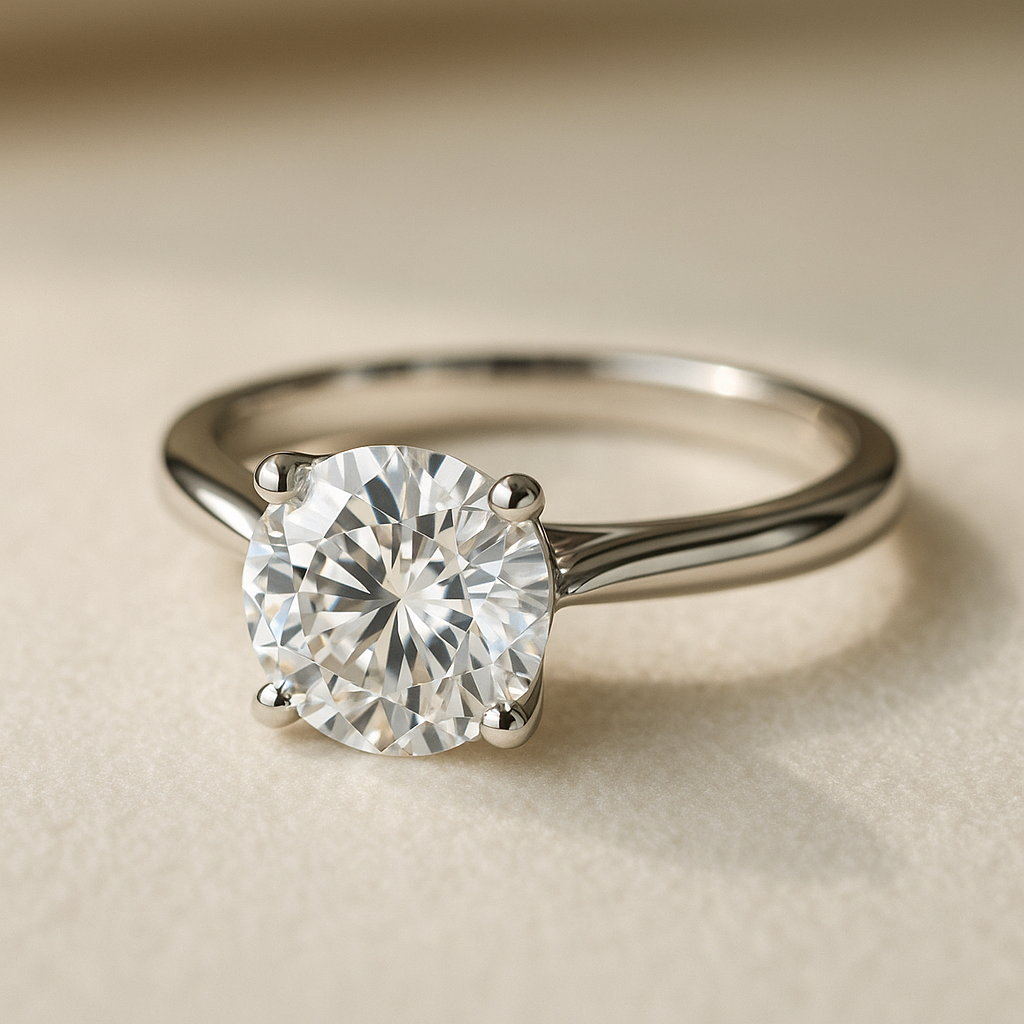
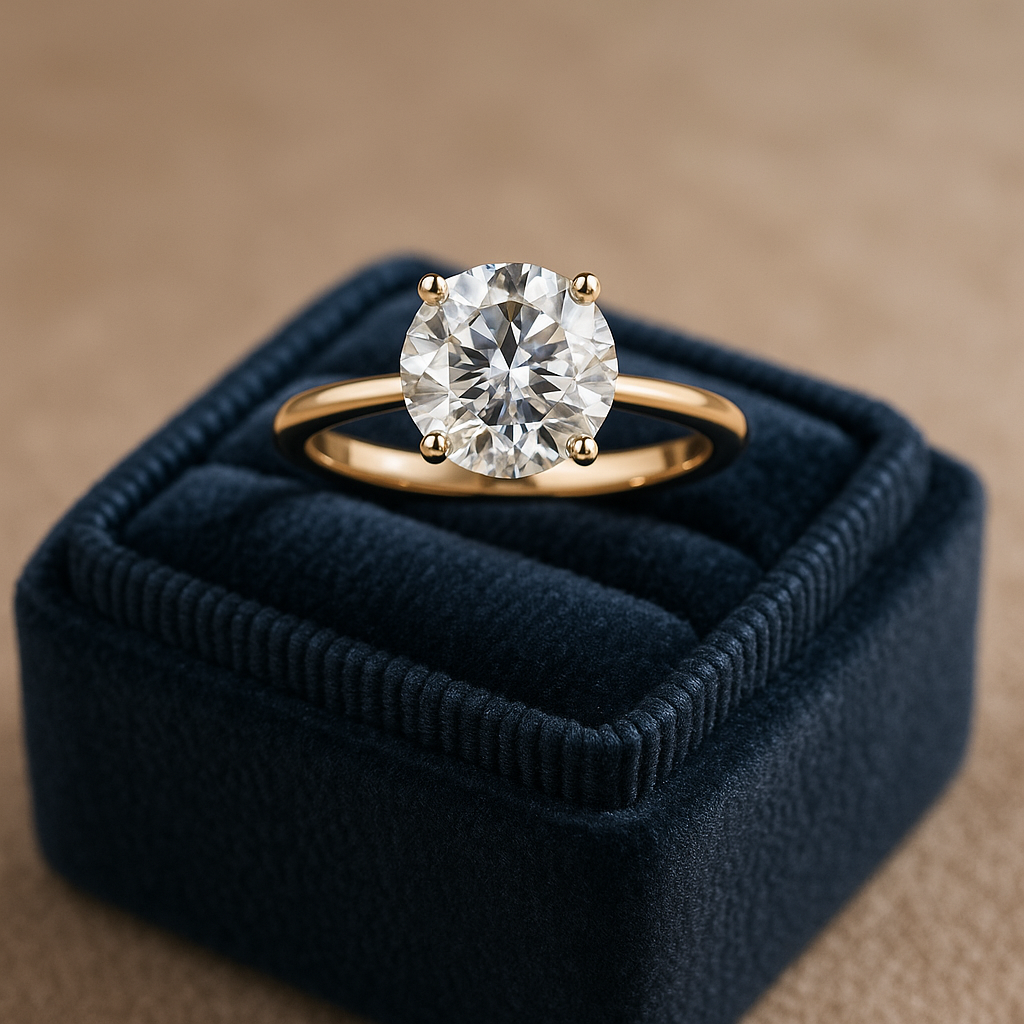
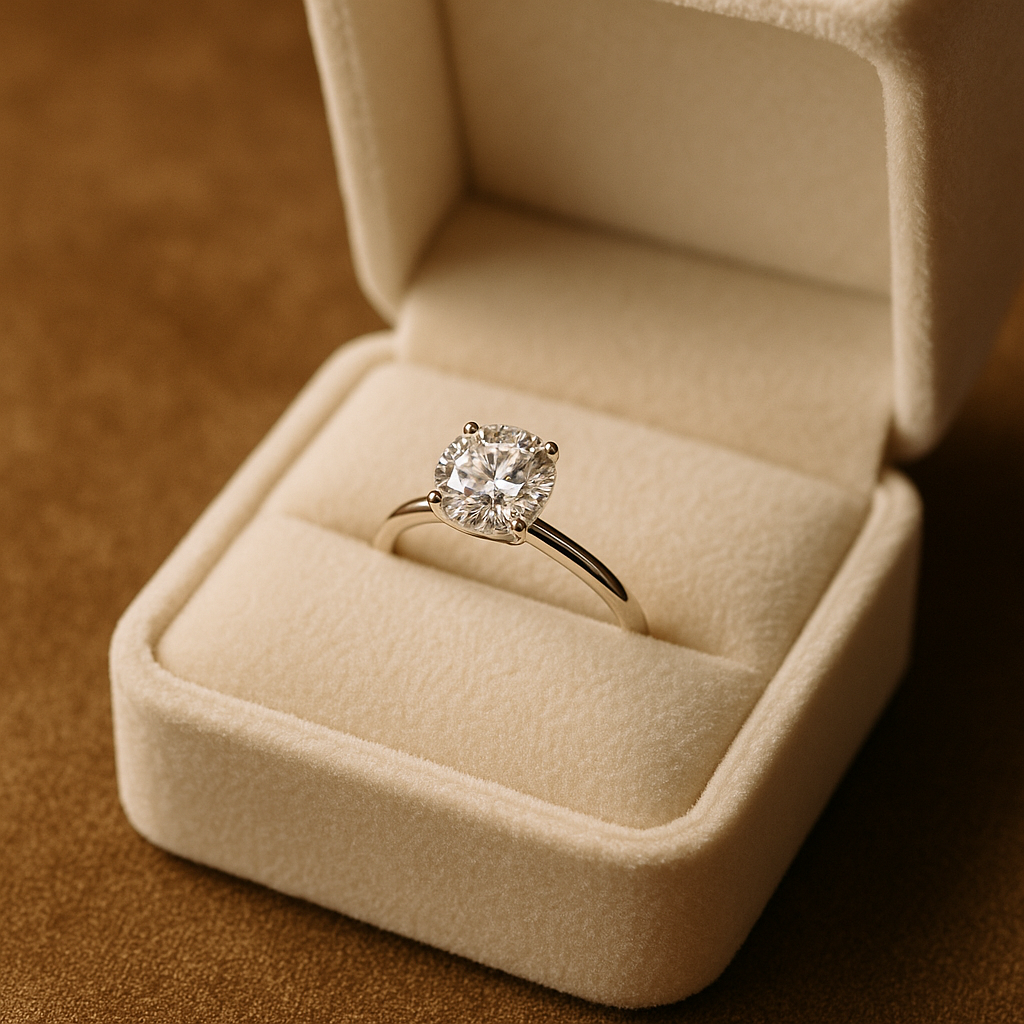
Lab-grown diamonds, also known as synthetic or cultured diamonds, are created in controlled laboratory environments that replicate the natural diamond formation process. They possess the same physical, chemical, and optical properties as natural diamonds, making them an indistinguishable alternative.
How Are Lab-Grown Diamonds Made?
There are two primary methods for creating lab-grown diamonds: High Pressure High Temperature (HPHT) and Chemical Vapor Deposition (CVD). Each method has its advantages and produces diamonds of varying qualities.
High Pressure High Temperature (HPHT)
HPHT mimics the natural conditions under which diamonds form in the Earth. In this process, carbon is subjected to extreme heat and pressure, resulting in diamond formation over weeks. HPHT diamonds typically have a more intense color and clarity.
Chemical Vapor Deposition (CVD)
CVD involves placing a diamond seed in a chamber filled with carbon-rich gas. The gas is ionized, which allows carbon atoms to deposit onto the seed, growing a diamond layer by layer. CVD diamonds provide excellent clarity and can be produced in a range of colors.
Benefits of Lab-Grown Diamonds
Lab-grown diamonds offer several advantages compared to their natural counterparts, making them an appealing choice for many consumers:
1. Ethical and Sustainable
Lab-grown diamonds are created in controlled environments without causing the environmental degradation often associated with diamond mining. Additionally, they are free from the ethical concerns of conflict diamonds, ensuring a guilt-free purchase.
2. Cost-Effective
Lab-grown diamonds are typically 20-40% less expensive than natural diamonds of comparable size and quality. This cost-effectiveness allows consumers to invest in larger or higher-quality stones without exceeding their budget.
3. Variety
Lab-grown diamonds can be produced in various colors, sizes, and shapes, providing consumers with more options to choose from. Whether you’re looking for a classic white diamond or a fancy colored stone, lab-grown diamonds can meet your needs.
4. Quality and Purity
Lab-grown diamonds often have fewer impurities and inclusions than natural diamonds, resulting in higher clarity levels. This means that many lab-grown diamonds appear more brilliant and vibrant.
Lab-Grown vs. Natural Diamonds
When comparing lab-grown and natural diamonds, understanding the key differences can help consumers make informed choices.
1. Origin
The primary difference lies in their origins; natural diamonds are formed over millions of years deep within the Earth, while lab-grown diamonds are created in a matter of weeks under controlled conditions.
2. Value Retention
Natural diamonds often retain their value better than lab-grown diamonds due to their scarcity and the market’s inherent demand. However, lab-grown diamonds can still hold value, although they may depreciate more quickly.
3. Certification
Both lab-grown and natural diamonds can be certified by reputable gemological laboratories, ensuring their quality and authenticity. Look for certifications from institutions such as the Gemological Institute of America (GIA) or the International Gemological Institute (IGI).
Choosing the Right Diamond for Your Needs
When deciding between lab-grown and natural diamonds, consider factors such as personal values, budget, and aesthetic preferences. Lab-grown diamonds are often the choice for those who prioritize ethics and affordability, while natural diamonds may appeal to those who value rarity and tradition.
FAQs About Lab-Grown Diamonds
Are lab-grown diamonds real?
Yes, lab-grown diamonds are real. They have the same physical and chemical properties as natural diamonds, making them indistinguishable without specialized equipment.
Do lab-grown diamonds look different from natural diamonds?
No, lab-grown diamonds look identical to natural diamonds. They can only be differentiated through advanced testing methods.
Are lab-grown diamonds more environmentally friendly?
Yes, lab-grown diamonds are generally considered more environmentally friendly than natural diamonds because they do not involve mining, which can lead to habitat destruction and ecosystem damage.
What is the resale value of lab-grown diamonds?
The resale value of lab-grown diamonds may not be as high as that of natural diamonds due to their greater availability. However, they still can retain some value, especially if they are of high quality.
Conclusion
Lab-grown diamonds represent a modern and responsible choice for consumers seeking beautiful, ethical, and cost-efficient options in fine jewelry. By understanding the differences between lab-grown and natural diamonds, you can confidently choose the perfect piece that aligns with your values and style.
At Celebrity Diamonds, we offer a stunning selection of both lab-grown and natural diamonds to cater to your unique preferences. Explore our collection today and discover the diamond that speaks to you.