Understanding Lab-Grown Diamonds: A Modern Choice for Engagement Rings
When it comes to selecting the perfect engagement ring, couples face a variety of choices. Among these decisions is whether to opt for lab-grown diamonds or their natural counterparts. This article aims to provide a clear understanding of lab-grown diamonds, their benefits, and considerations for potential buyers.
What Are Lab-Grown Diamonds?
Lab-grown diamonds, also known as synthetic or cultured diamonds, are created in controlled environments using advanced technological processes that replicate the natural diamond formation. These diamonds possess the same physical, chemical, and optical properties as mined diamonds, making them indistinguishable to the naked eye.
How Are Lab-Grown Diamonds Created?
There are two primary methods for creating lab-grown diamonds: High-Pressure High-Temperature (HPHT) and Chemical Vapor Deposition (CVD). Each method has its unique approach to diamond synthesis.
- HPHT: This method mimics the natural conditions under which diamonds form in the earth’s mantle. It uses high pressure and high temperature to convert carbon into diamond.
- CVD: In this method, a carbon-rich gas is ionized in a chamber, allowing carbon atoms to deposit onto a substrate and form diamond crystals over time.
The Benefits of Choosing Lab-Grown Diamonds
Lab-grown diamonds offer several advantages that make them an attractive option for engagement rings:
1. Ethical Considerations
Lab-grown diamonds are often viewed as a more ethical choice compared to mined diamonds. With concerns about conflict diamonds and unethical mining practices, lab-grown diamonds provide a transparent and responsible alternative.
2. Affordability
Typically, lab-grown diamonds cost 20-40% less than their natural counterparts. This price difference allows consumers to invest in a larger, higher-quality stone without exceeding their budget.
3. Environmental Impact
The environmental footprint of lab-grown diamonds is significantly lower than that of mined diamonds. Lab-grown diamonds require less land disturbance and do not contribute to the ecological degradation often associated with mining.
4. Quality and Variety
Lab-grown diamonds can be produced in a variety of shapes, sizes, and qualities, allowing consumers to find the perfect diamond tailored to their preferences.
Comparing Lab-Grown and Natural Diamonds
While both lab-grown and natural diamonds are composed of carbon and exhibit the same brilliance, there are some key differences to consider:
1. Origin
Natural diamonds are formed over millions of years deep within the Earth, while lab-grown diamonds can be created in a matter of weeks. This rapid production time is one of the reasons for their lower price.
2. Value Retention
Natural diamonds traditionally hold their value over time, partly due to their rarity. In contrast, lab-grown diamonds may depreciate more quickly, as the market for them is still evolving.
3. Resale Market
Purchasing a lab-grown diamond may present challenges in terms of resale, as the market demand is not as established as that of natural diamonds. Consumers should consider their long-term plans regarding their purchase.
Lab-Grown Diamonds: The Right Choice for You?
Choosing between a lab-grown diamond and a natural diamond ultimately depends on personal values and budget. Here are some questions to ask yourself:
- What matters most to you: ethical sourcing, budget, or tradition?
- Are you open to a modern option that aligns with sustainability?
- How important is resale value for your engagement ring?
Frequently Asked Questions
Are lab-grown diamonds real diamonds?
Yes, lab-grown diamonds are real diamonds. They have the same physical and chemical properties as natural diamonds and are graded based on the same criteria.
How can I tell if a diamond is lab-grown?
While lab-grown diamonds are virtually indistinguishable from natural diamonds, gemological laboratories can identify them using advanced testing methods. Look for grading reports from reputable labs that specify whether a diamond is lab-grown.
Do lab-grown diamonds sparkle differently than natural diamonds?
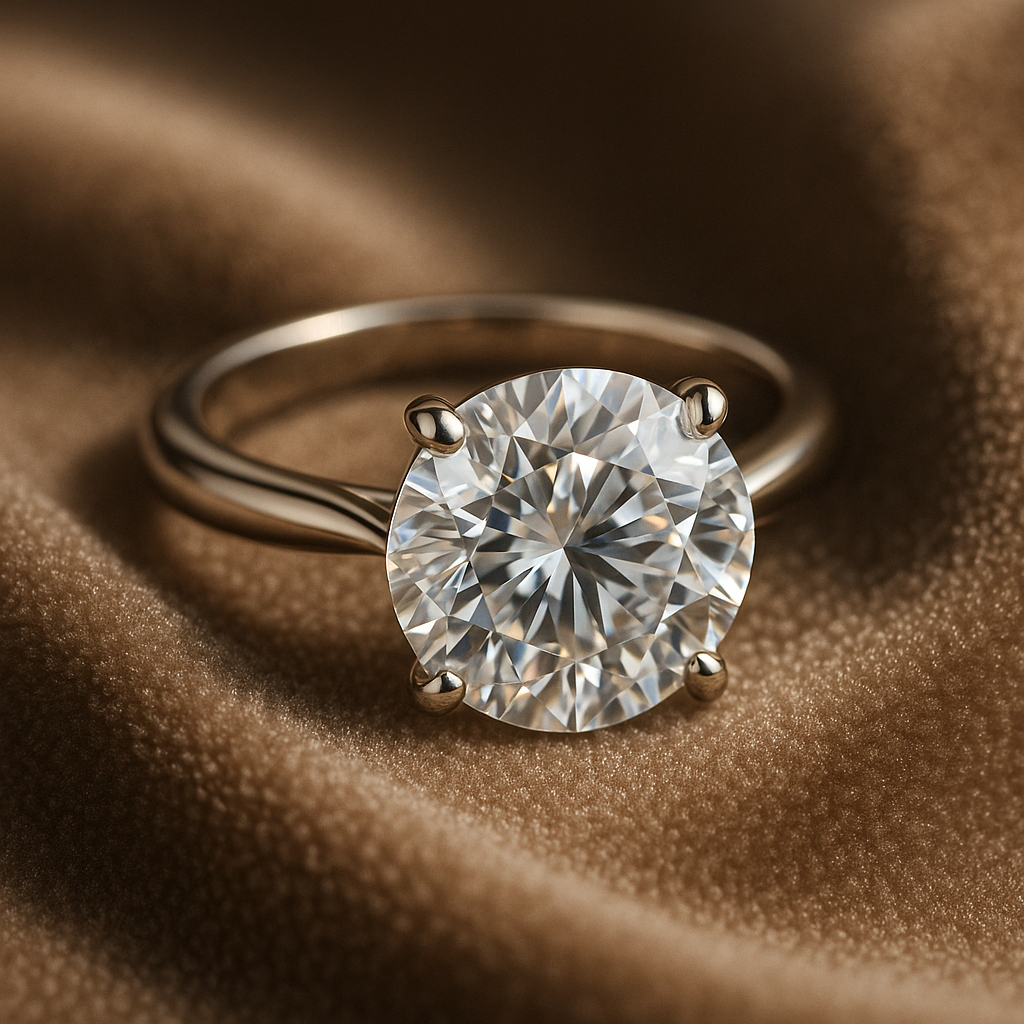
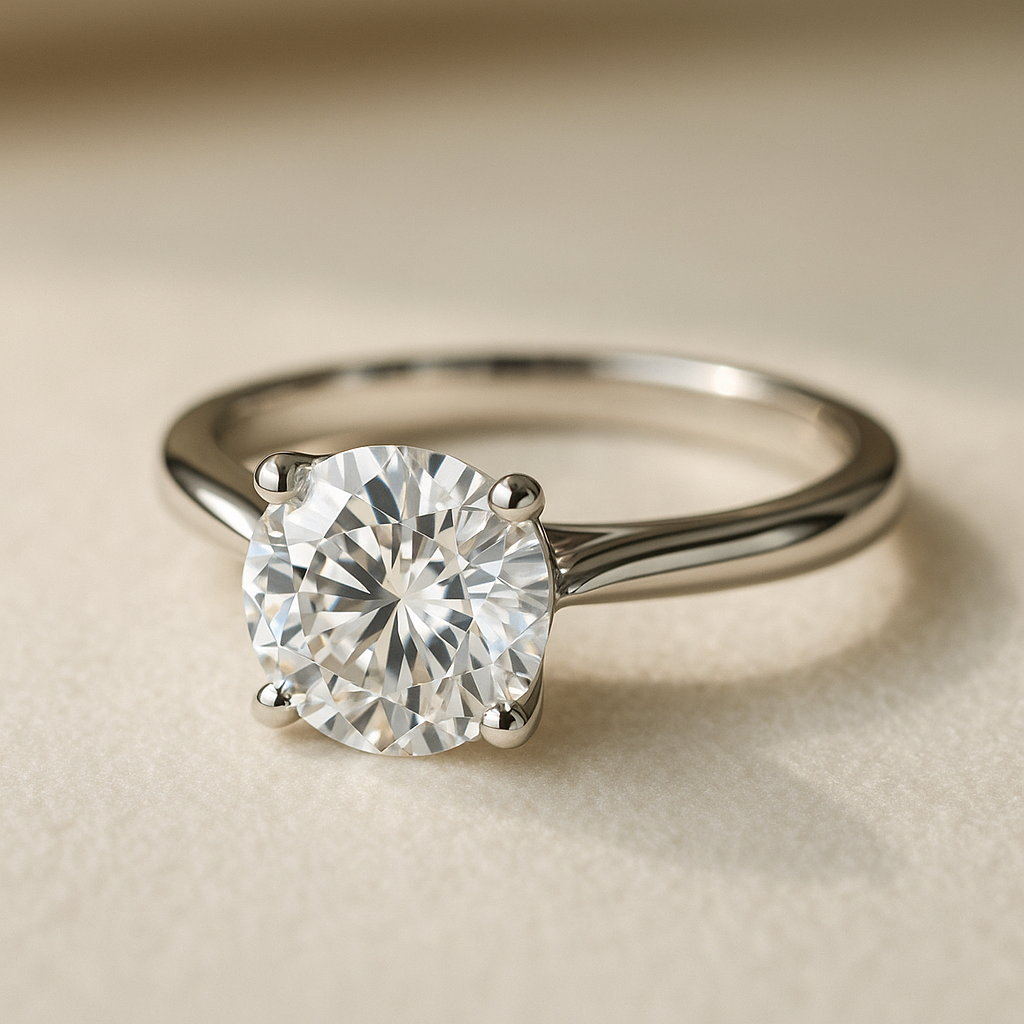
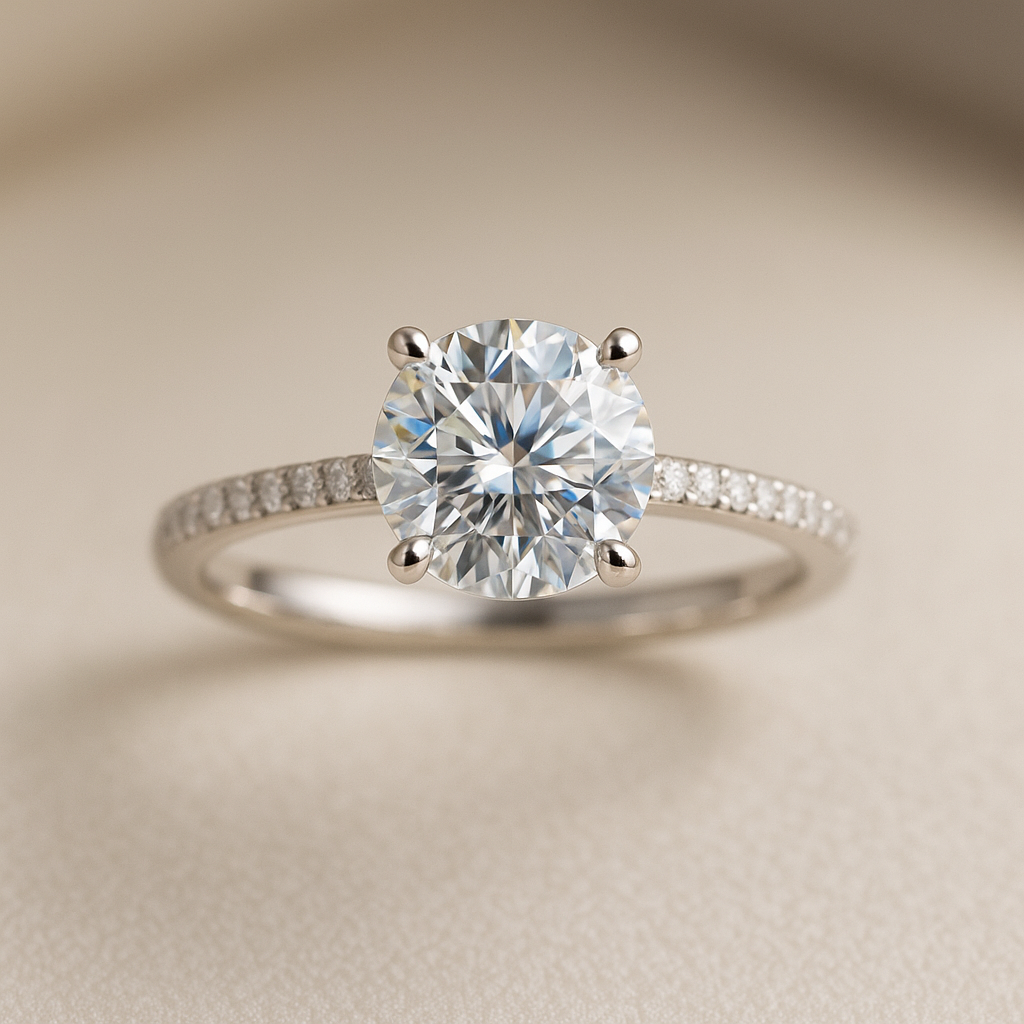
No, lab-grown diamonds exhibit the same brilliance and spark as natural diamonds. Both types of diamonds can be cut and polished to maximize their light performance.
Can I customize my lab-grown diamond engagement ring?
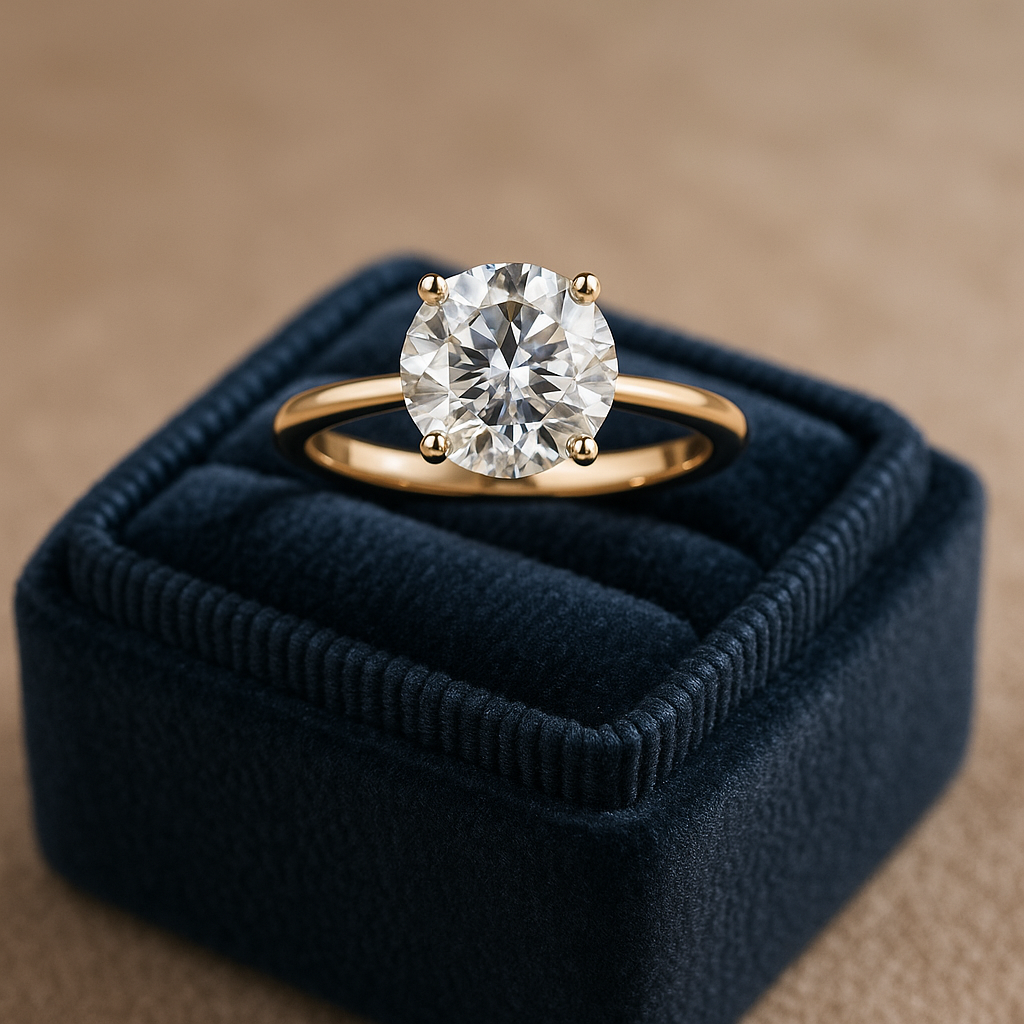
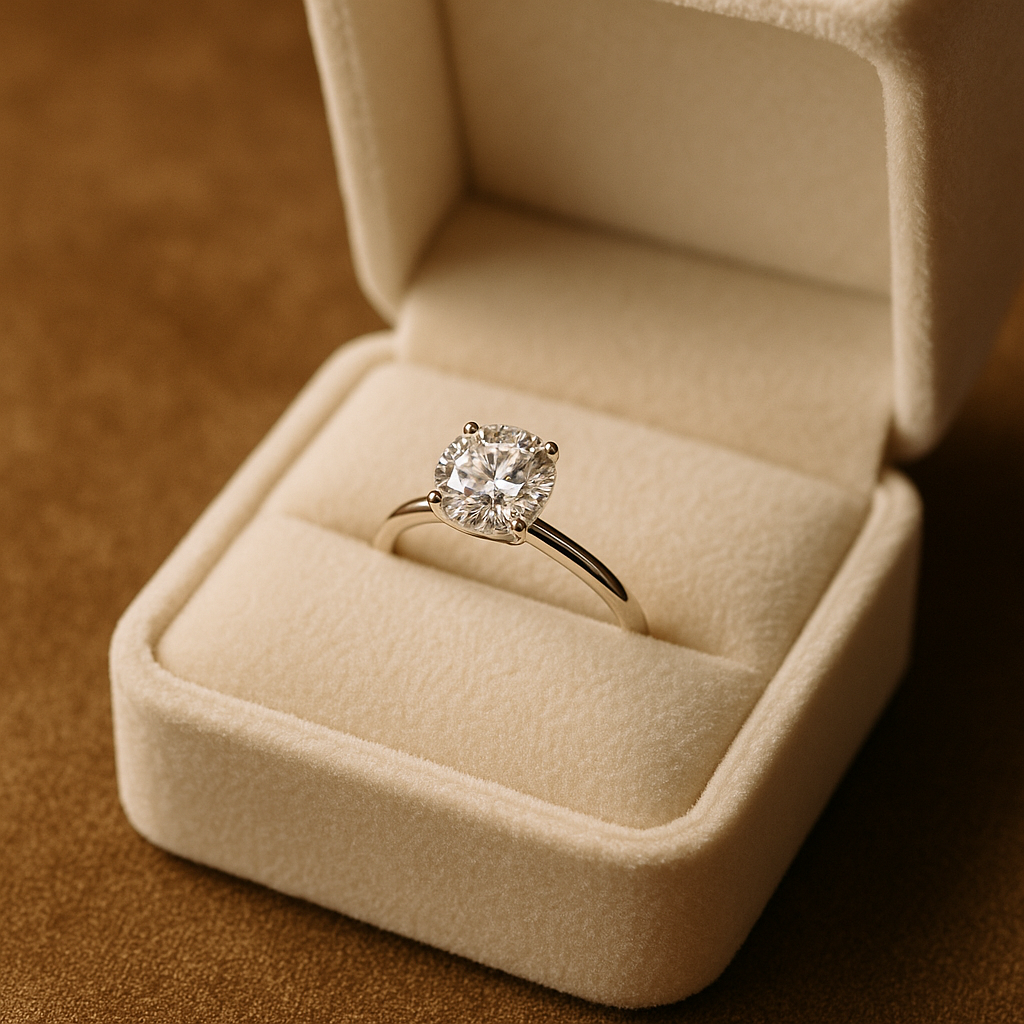
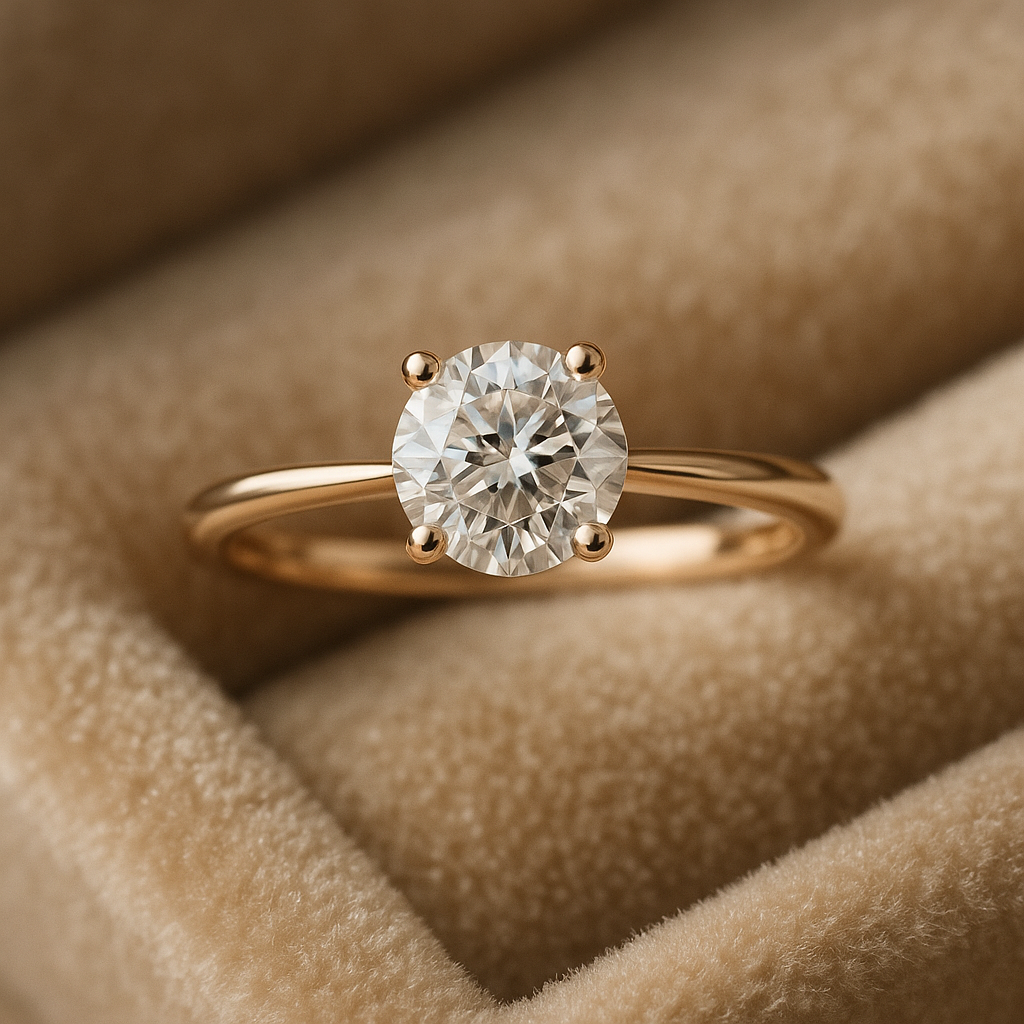
Absolutely! Many jewelers offer customization options for lab-grown diamonds, allowing you to choose the shape, setting, and other details to create a unique ring.
Conclusion
Lab-grown diamonds present a modern, ethical, and affordable option for couples looking for engagement rings. By understanding the differences between lab-grown and natural diamonds, you can make an informed decision that aligns with your values and budget. Whether you choose a lab-grown diamond or a natural one, the most important factor is that it symbolizes your love and commitment.