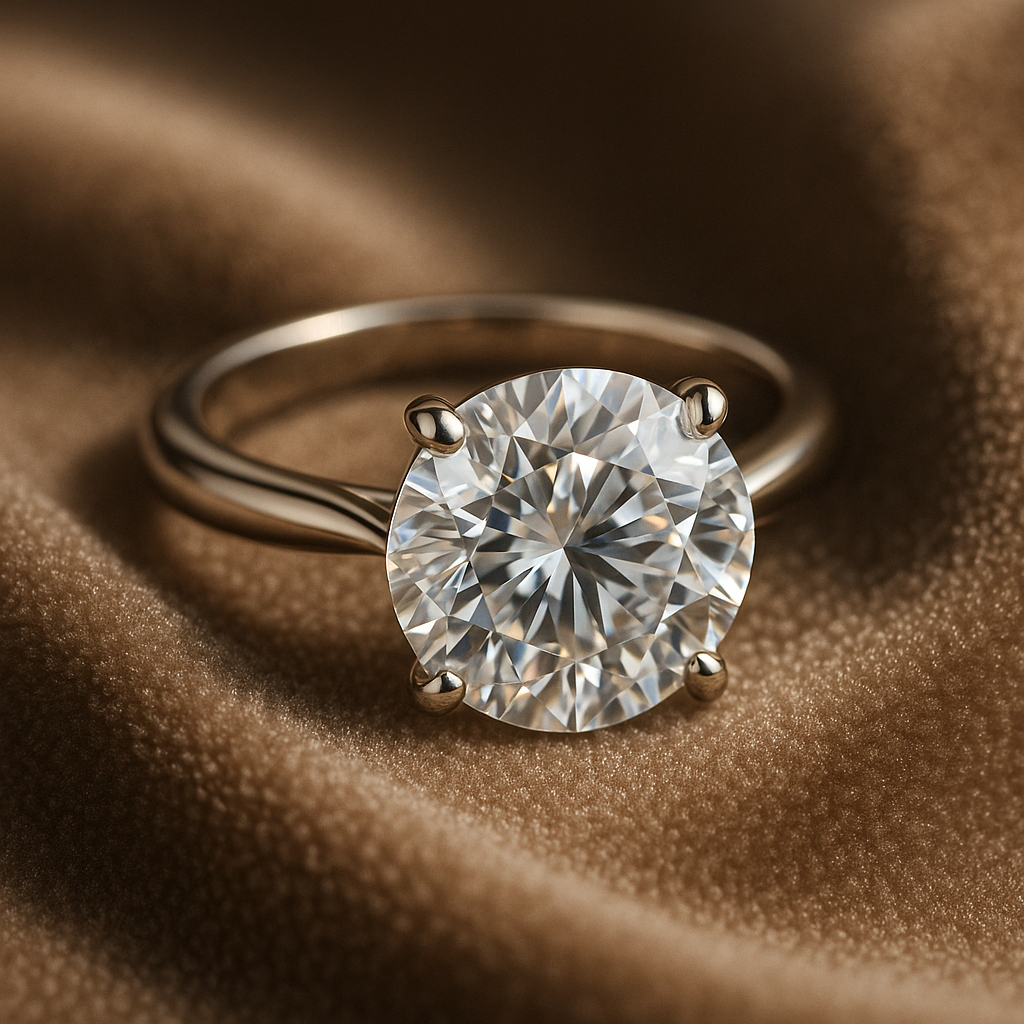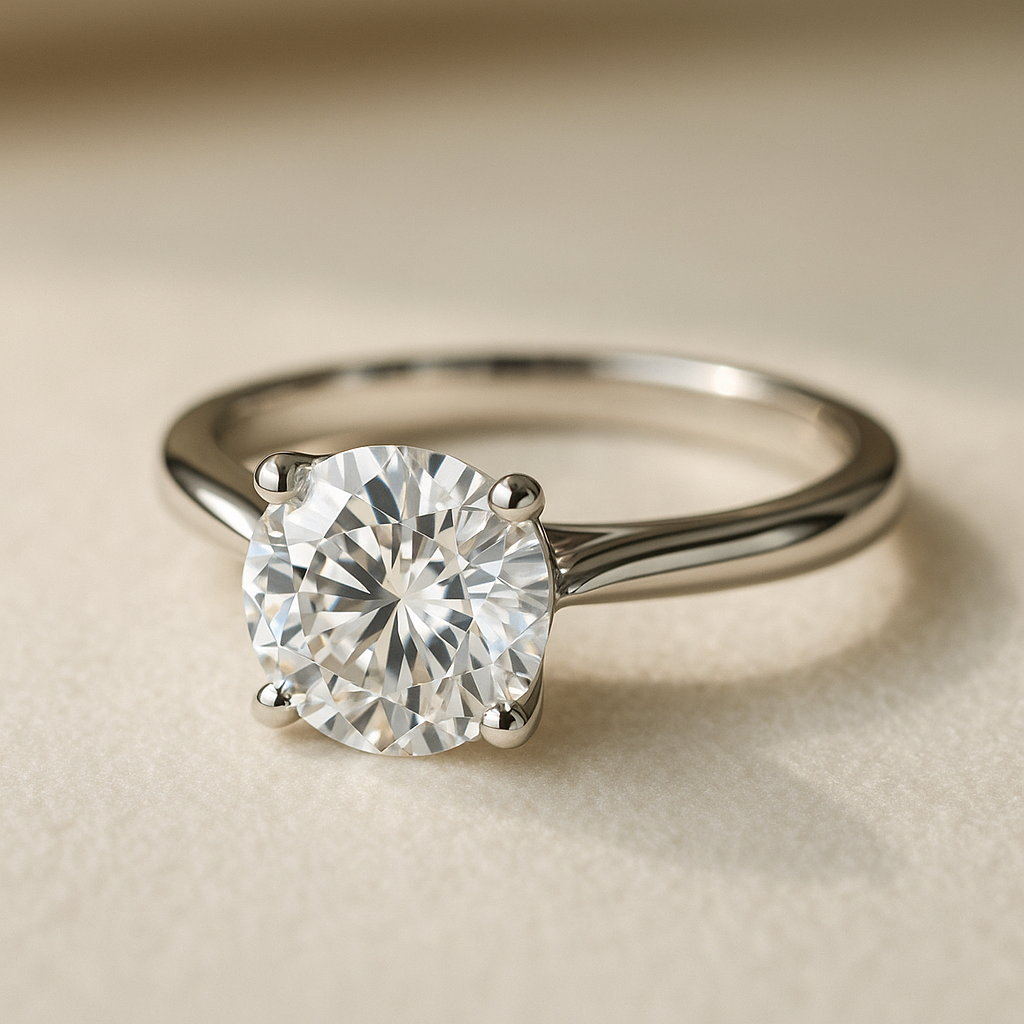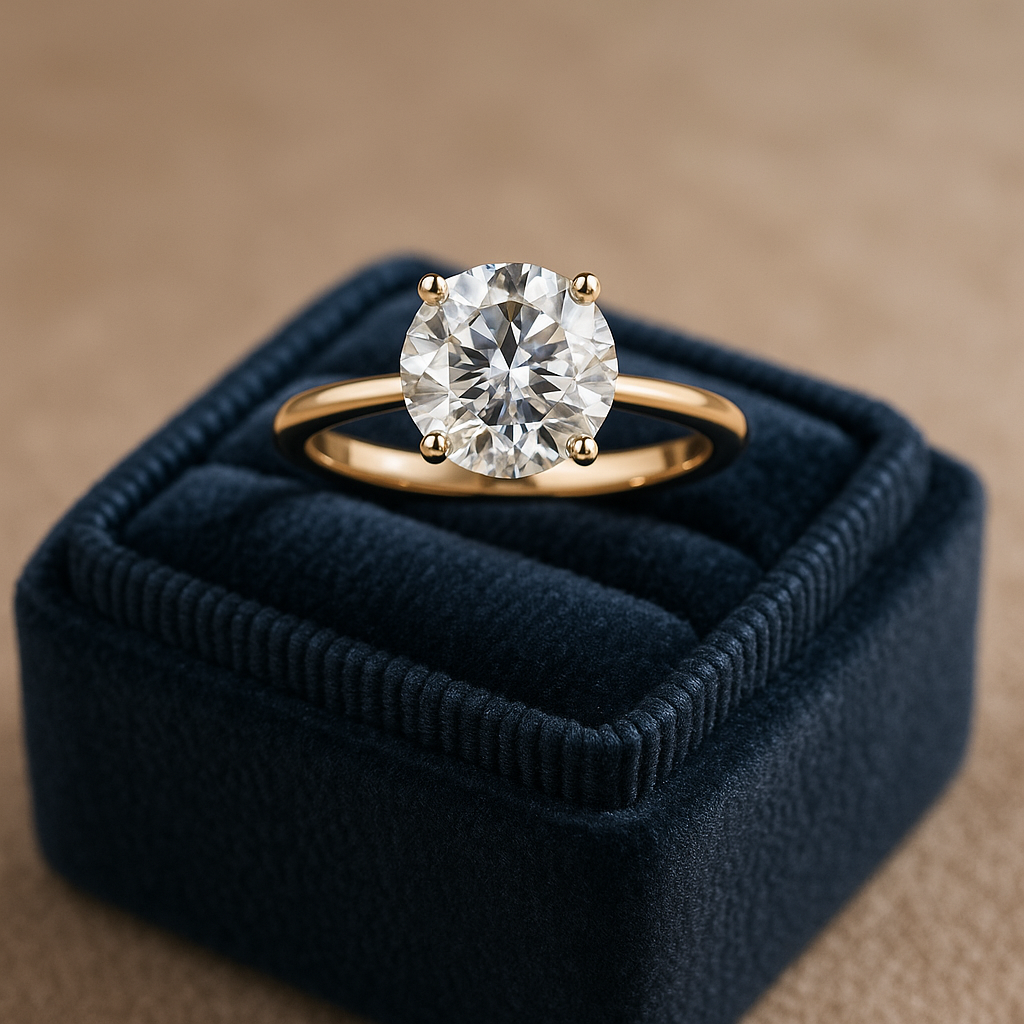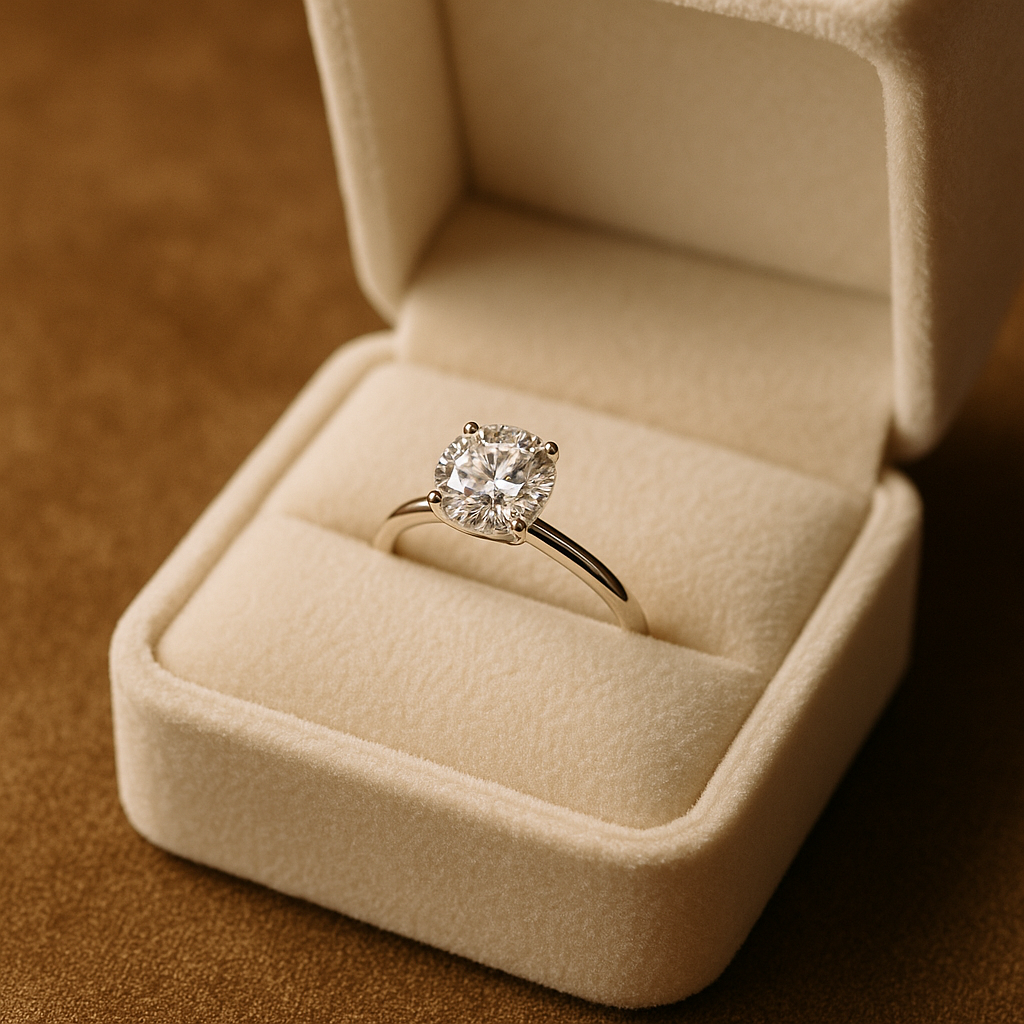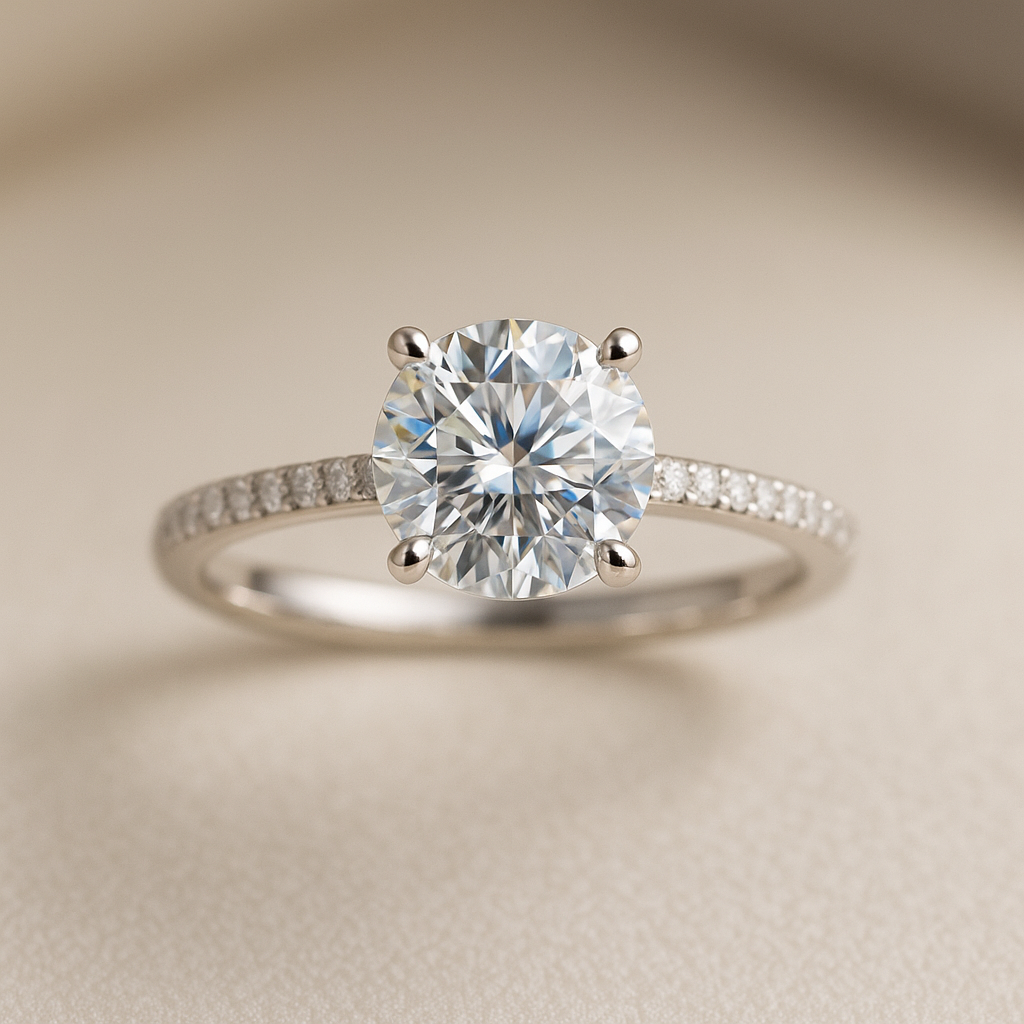

Understanding Lab-Grown Diamonds: The Future of Fine Jewelry
In recent years, lab-grown diamonds have gained significant traction, changing the landscape of the jewelry industry. As consumers look for ethical, sustainable, and affordable options for engagement rings and fine jewelry, lab-grown diamonds offer an innovative alternative to traditional natural diamonds. This article delves into the intricacies of lab-grown diamonds, helping potential buyers make informed decisions.
What Are Lab-Grown Diamonds?
Lab-grown diamonds, also known as synthetic or cultured diamonds, are real diamonds that are created in controlled laboratory environments. These diamonds possess the same physical, chemical, and optical properties as natural diamonds, making them indistinguishable to the naked eye. Using advanced technology, these diamonds are produced through two primary methods: High Pressure High Temperature (HPHT) and Chemical Vapor Deposition (CVD).
The Process of Creating Lab-Grown Diamonds
Understanding how lab-grown diamonds are made can demystify their value. The HPHT method replicates the natural diamond formation process by mimicking the intense pressure and high temperatures found deep within the Earth. On the other hand, the CVD method involves using carbon-rich gases that are heated to form diamond crystals layer by layer. Both methods produce diamonds that are chemically identical to their natural counterparts.
Benefits of Lab-Grown Diamonds
1. Ethical Considerations
One of the most appealing aspects of lab-grown diamonds is their ethical production. Unlike natural diamonds, which can be mined in conflict zones and associated with human rights violations, lab-grown diamonds are produced in safe environments, ensuring that no workers are exploited in the process.
2. Environmental Impact
Lab-grown diamonds have a significantly lower environmental footprint than natural diamonds. Mining for natural diamonds can lead to habitat destruction, soil erosion, and pollution. In contrast, lab-grown diamonds are created with minimal impact on the environment, offering a more sustainable option for environmentally-conscious consumers.
3. Cost-Effectiveness
Lab-grown diamonds are generally 20-40% less expensive than their natural counterparts. This price difference makes it possible for consumers to purchase larger or higher-quality diamonds within their budget. Shopping for engagement rings or fine jewelry becomes more accessible without compromising on quality.
Lab-Grown vs. Natural Diamonds: Key Differences
When comparing lab-grown diamonds to natural diamonds, there are several factors to consider:
1. Rarity
Natural diamonds are rare and formed over millions of years, making them coveted by collectors and investors. Lab-grown diamonds, while genuine, can be produced at scale, which may affect their long-term value retention.
2. Value Retention
Natural diamonds often hold their value well over time, whereas lab-grown diamonds typically depreciate faster. While the initial purchase price of a lab-grown diamond is lower, potential buyers should consider their investment goals.
3. Certification
Both lab-grown and natural diamonds can be certified by reputable gemological laboratories. It’s essential to verify the certification and understand the grading criteria for both types of diamonds to ensure you are making a wise purchase.
Common Myths About Lab-Grown Diamonds
Myth 1: Lab-Grown Diamonds Are Not Real
Despite the misconception, lab-grown diamonds are indeed real diamonds. They share the same physical and chemical properties as natural diamonds and can be cut, polished, and set just like them.
Myth 2: Lab-Grown Diamonds Are Inferior
Lab-grown diamonds can often match or exceed the quality of natural diamonds. They can be produced with fewer inclusions and blemishes, resulting in higher clarity and brilliance.
Myth 3: Lab-Grown Diamonds Aren’t Worth Buying
While it’s true that lab-grown diamonds may not retain value like natural diamonds, they offer fantastic quality at a more accessible price point. For many consumers, the ethical and environmental benefits alone make them a worthy choice.
How to Choose a Lab-Grown Diamond
When selecting a lab-grown diamond, consider the 4Cs: Cut, Color, Clarity, and Carat weight. These grading criteria will help you assess the quality and appearance of the diamond:
- Cut: The quality of a diamond’s cut affects its brilliance and sparkle.
- Color: Lab-grown diamonds can range from colorless to light yellow or brown. The less color, the higher the value.
- Clarity: This measures the presence of inclusions or blemishes. Higher clarity diamonds are more valuable.
- Carat Weight: Larger diamonds are rarer and typically more expensive, regardless of being lab-grown or natural.
Frequently Asked Questions (FAQ)
What is the price difference between lab-grown and natural diamonds?
Lab-grown diamonds typically cost 20-40% less than natural diamonds, making them an attractive option for budget-conscious consumers.
Do lab-grown diamonds have resale value?
Lab-grown diamonds usually have lower resale value compared to natural diamonds. However, their affordability allows consumers to purchase high-quality stones without breaking the bank.
How can I ensure the quality of a lab-grown diamond?
Look for diamonds that have been certified by reputable gemological laboratories. Certification provides an objective assessment of the diamond’s quality based on the 4Cs.
Are lab-grown diamonds a good choice for engagement rings?
Lab-grown diamonds are an excellent choice for engagement rings, offering ethical production, quality options, and more budget-friendly prices.
Conclusion
Lab-grown diamonds represent a significant shift in the diamond industry, catering to consumers who prioritize ethical and sustainable choices without sacrificing quality. As you explore engagement rings and fine jewelry, consider the numerous benefits that lab-grown diamonds can offer. With their combination of beauty, affordability, and ethical production, lab-grown diamonds are indeed the future of fine jewelry.