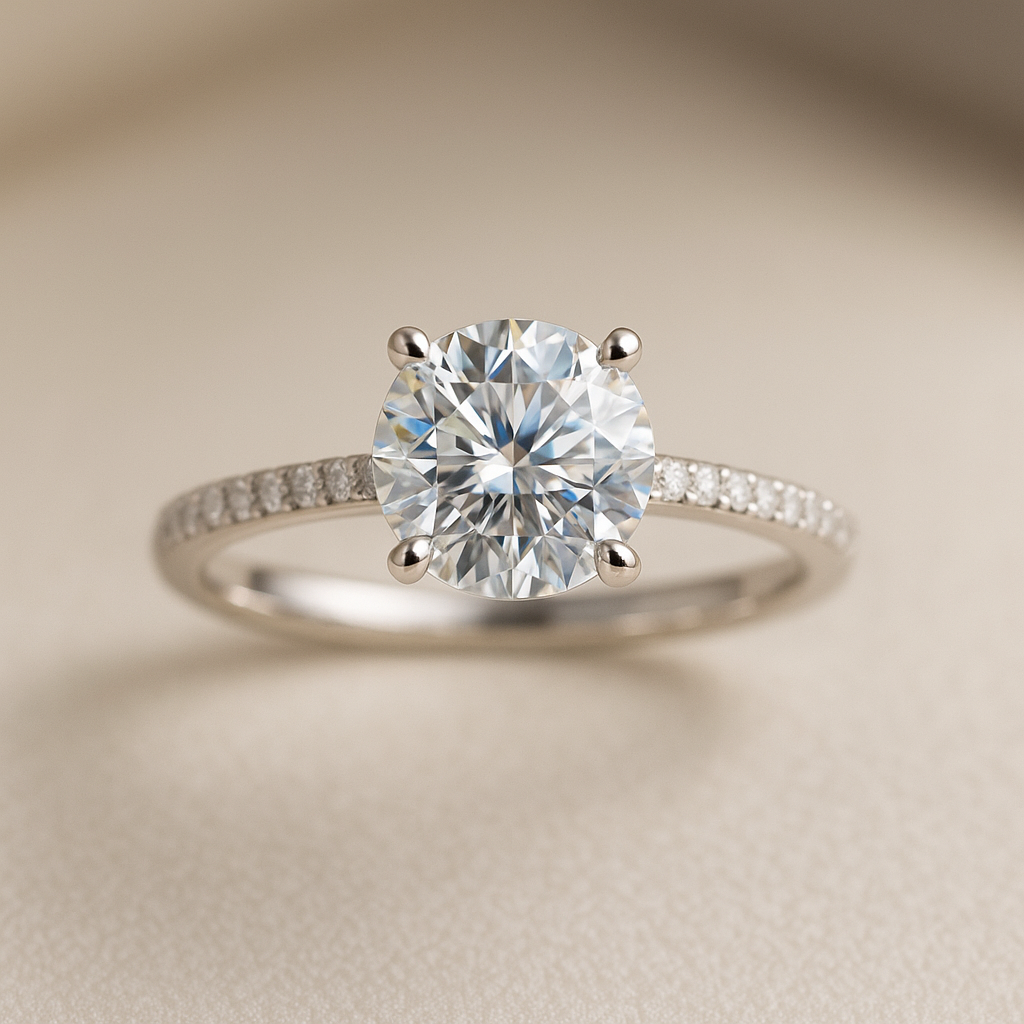

Understanding Lab-Grown Diamonds: The Future of Fine Jewelry
As consumers become more conscious of their purchasing choices, the jewelry industry is witnessing a significant shift towards lab-grown diamonds. These ethically sourced gems are not just a passing trend; they are redefining the way we perceive luxury and sustainability in the jewelry world. In this article, we will explore the intricacies of lab-grown diamonds, how they compare to natural diamonds, and what this means for your next engagement ring or piece of fine jewelry.
What Are Lab-Grown Diamonds?
Lab-grown diamonds, also known as synthetic or cultured diamonds, are real diamonds created in controlled environments using advanced technology. They share the same physical, chemical, and optical properties as natural diamonds, which means they are not merely imitations but genuine diamonds formed through human innovation.
The Two Main Methods of Creating Lab-Grown Diamonds
There are two primary methods for creating lab-grown diamonds: High-Pressure High-Temperature (HPHT) and Chemical Vapor Deposition (CVD).
High-Pressure High-Temperature (HPHT)
HPHT replicates the natural conditions under which diamonds form in the Earth’s mantle. This method involves applying high pressure and temperature to carbon to create diamonds. The result is a diamond that is nearly indistinguishable from its natural counterpart.
Chemical Vapor Deposition (CVD)
CVD involves the use of a carbon-rich gas, which is broken down into carbon atoms that then deposit onto a substrate, layer by layer, forming a diamond. This technique allows for greater control over the diamond’s characteristics, such as color and clarity.
Lab-Grown Diamonds vs. Natural Diamonds: Key Differences
While lab-grown diamonds and natural diamonds are chemically identical, there are some notable differences that consumers should be aware of:
- Origin: Natural diamonds are formed over millions of years deep within the Earth, while lab-grown diamonds are created in weeks to months.
- Cost: Lab-grown diamonds are generally 20-40% more affordable than their natural counterparts, making them an attractive option for budget-conscious consumers.
- Ethical and Environmental Impact: Lab-grown diamonds are considered more ethical and sustainable, as they do not involve mining, which can have detrimental effects on the environment and local communities.
- Resale Value: Natural diamonds often hold their value better than lab-grown ones, which may depreciate faster due to the increasing supply of synthetic diamonds.
Why Choose Lab-Grown Diamonds?
Choosing a lab-grown diamond can be a wise decision for several reasons:
1. Ethical Considerations
Lab-grown diamonds eliminate the risk of “blood diamonds,” which are mined in conflict zones and sold to finance armed conflict. By opting for lab-grown options, consumers can ensure their purchase supports ethical practices.
2. Environmental Responsibility
The environmental impact of diamond mining can be severe, leading to deforestation, soil degradation, and water pollution. Lab-grown diamonds offer a more sustainable alternative, significantly reducing these ecological footprints.
3. Greater Value for Money
As mentioned earlier, lab-grown diamonds are typically less expensive than natural diamonds. This allows consumers to invest in higher carat weights or superior quality diamonds within their budget.
How to Choose the Perfect Lab-Grown Diamond
When shopping for a lab-grown diamond, consider the following key factors:
1. The Four Cs
The quality of a diamond is assessed through the Four Cs: Carat weight, Cut, Color, and Clarity. Understanding these factors will help you choose a diamond that meets your desires and budget.
2. Certification
Ensure your lab-grown diamond comes with a certification from a reputable grading laboratory, such as GIA or IGI. This guarantees the quality and authenticity of your diamond.
3. Setting and Style
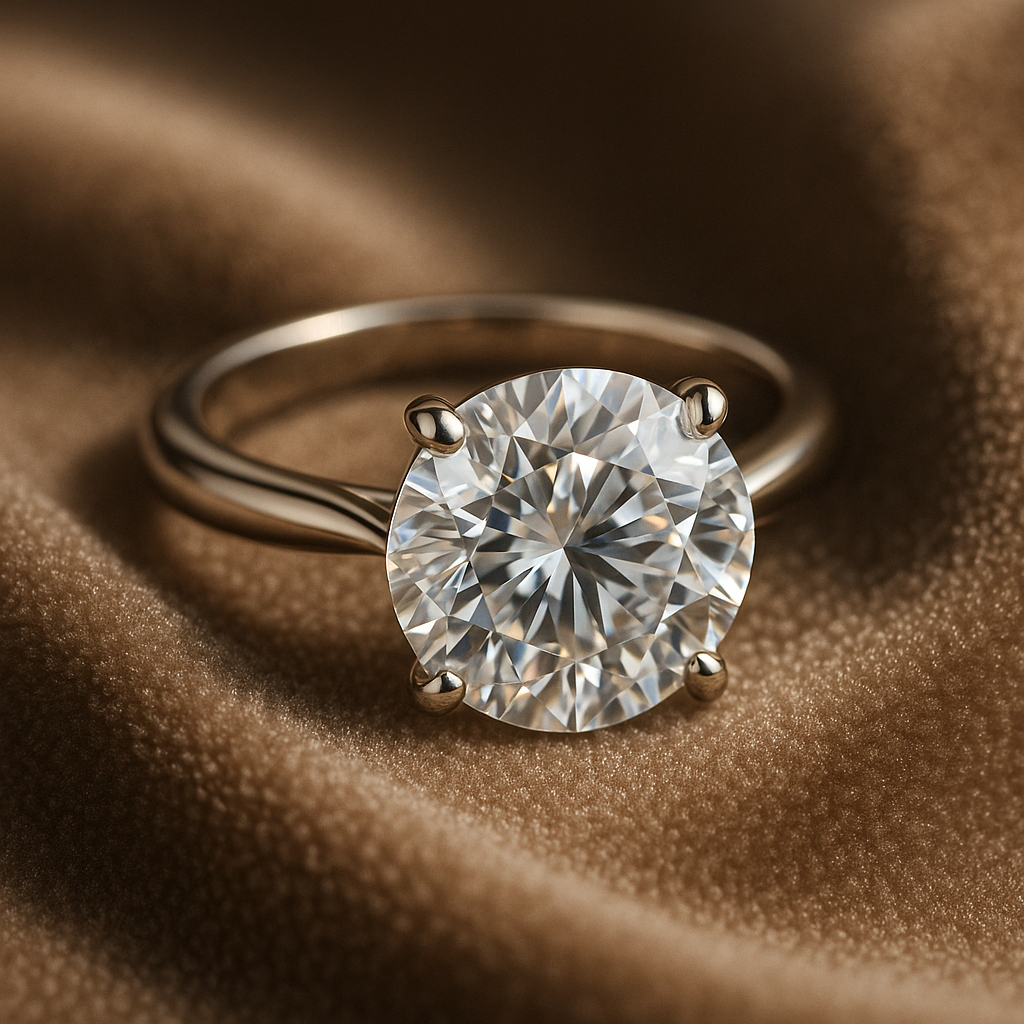
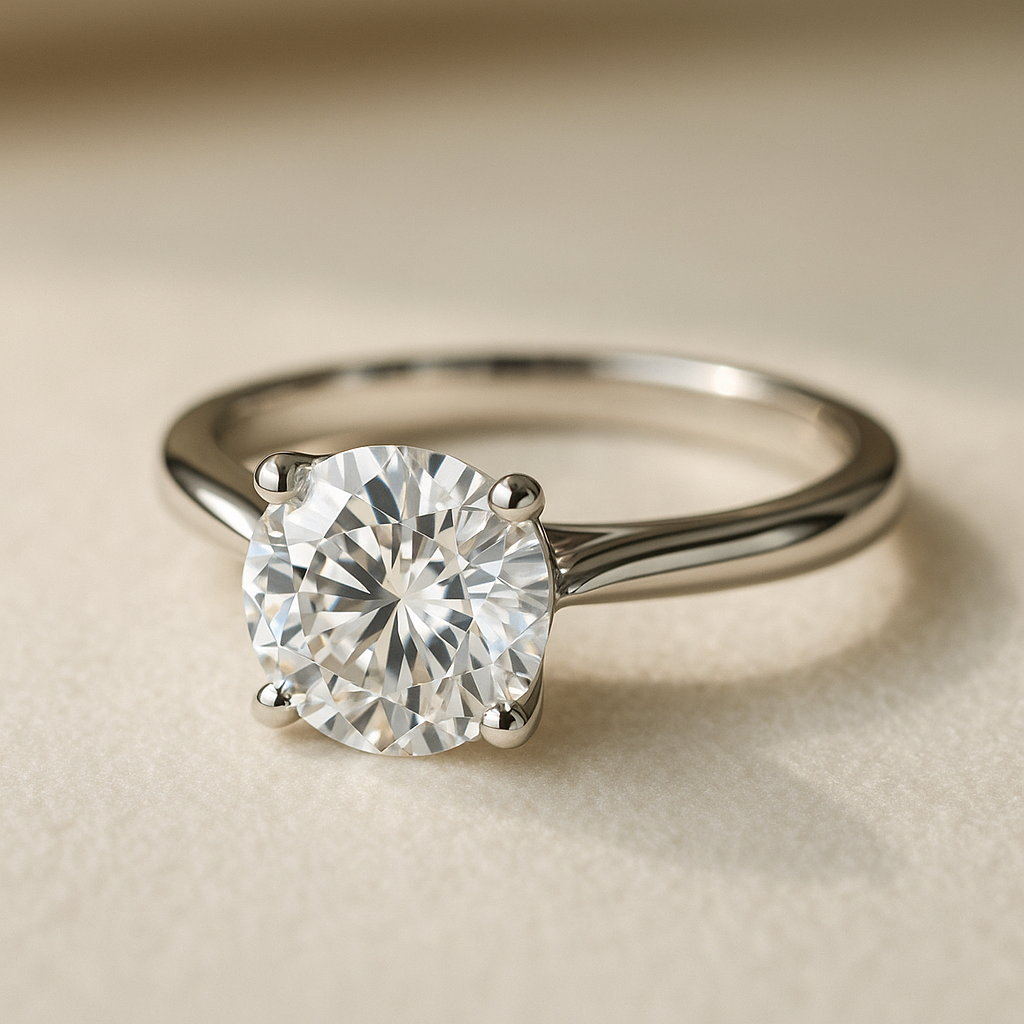
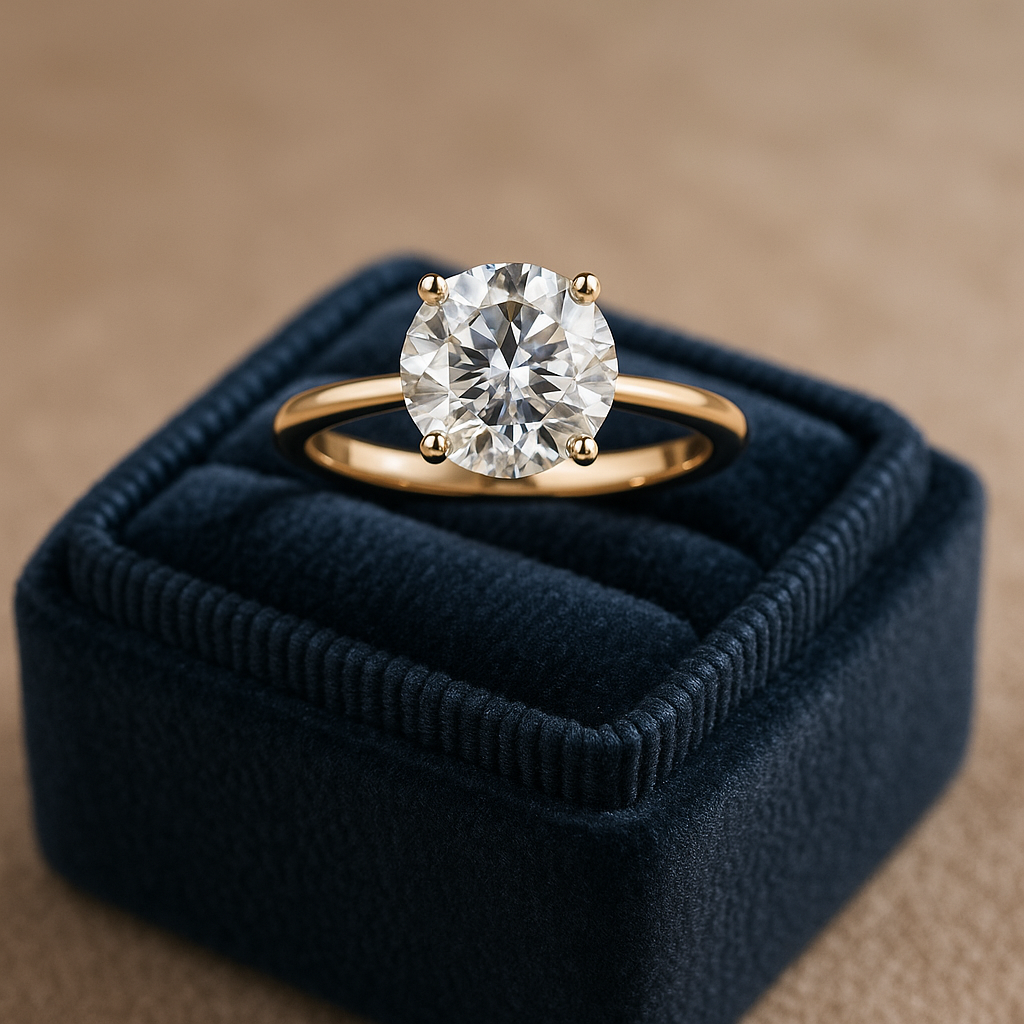
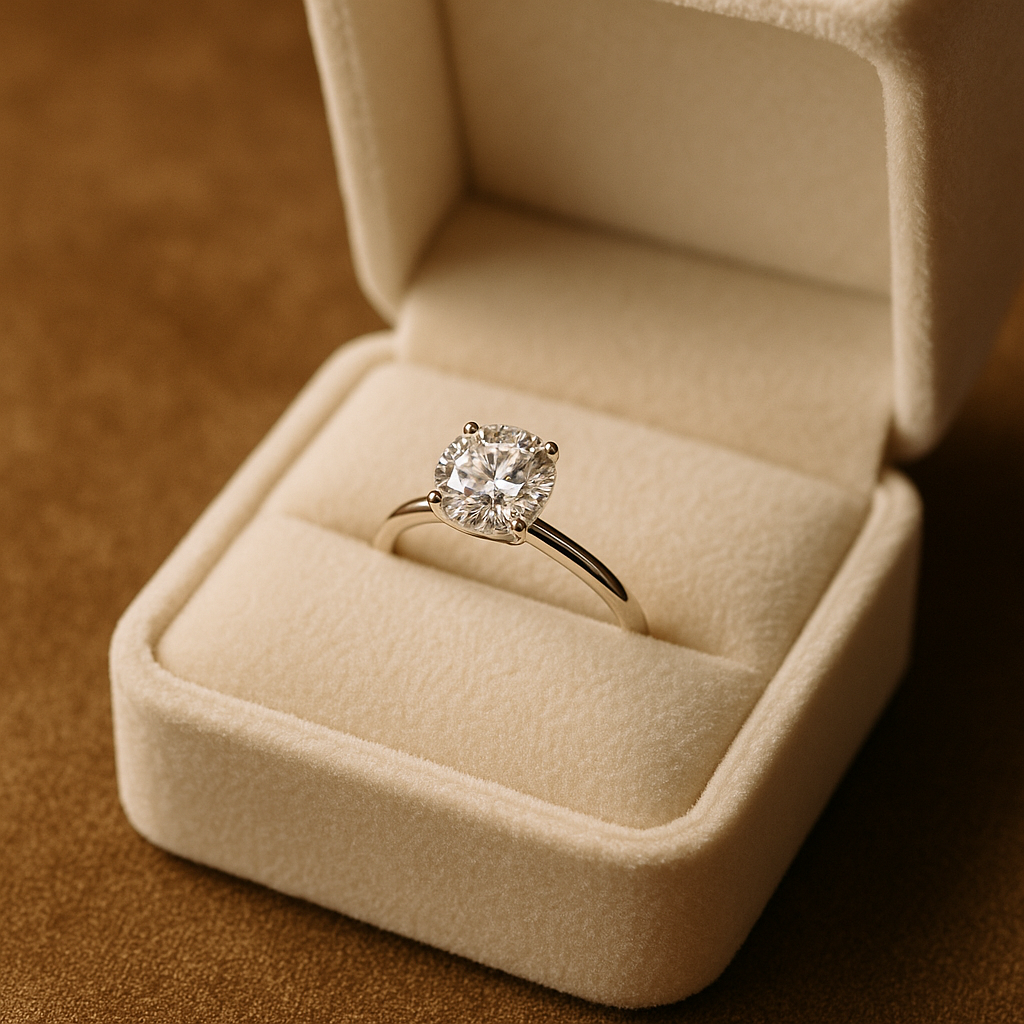
Consider the type of jewelry setting that best suits your style and needs. Lab-grown diamonds can be set in various precious metals, including platinum, white gold, yellow gold, and rose gold, allowing for personal expression.
Frequently Asked Questions (FAQ)
1. Are lab-grown diamonds real diamonds?
Yes, lab-grown diamonds are real diamonds. They have the same chemical and physical properties as natural diamonds.
2. Can lab-grown diamonds be distinguished from natural diamonds?
While they are virtually identical, trained gemologists can sometimes differentiate them using specialized equipment. However, for most consumers, they are indistinguishable.
3. What is the resale value of lab-grown diamonds?
Lab-grown diamonds typically have a lower resale value compared to natural diamonds due to their availability and market dynamics.
4. How are lab-grown diamonds graded?
Lab-grown diamonds are graded using the same criteria as natural diamonds—the Four Cs: Carat, Cut, Color, and Clarity.
5. Are lab-grown diamonds worth buying?
Absolutely! Lab-grown diamonds offer exceptional value, ethical assurance, and environmental benefits, making them a smart choice for many consumers.
Conclusion
Lab-grown diamonds are an innovative and responsible choice for anyone seeking to purchase fine jewelry. With their identical look and feel to natural diamonds, combined with ethical and environmental advantages, they represent the future of the diamond industry. Whether you’re shopping for an engagement ring or a special piece of jewelry, considering lab-grown diamonds can lead to a more conscious and gratifying purchase.