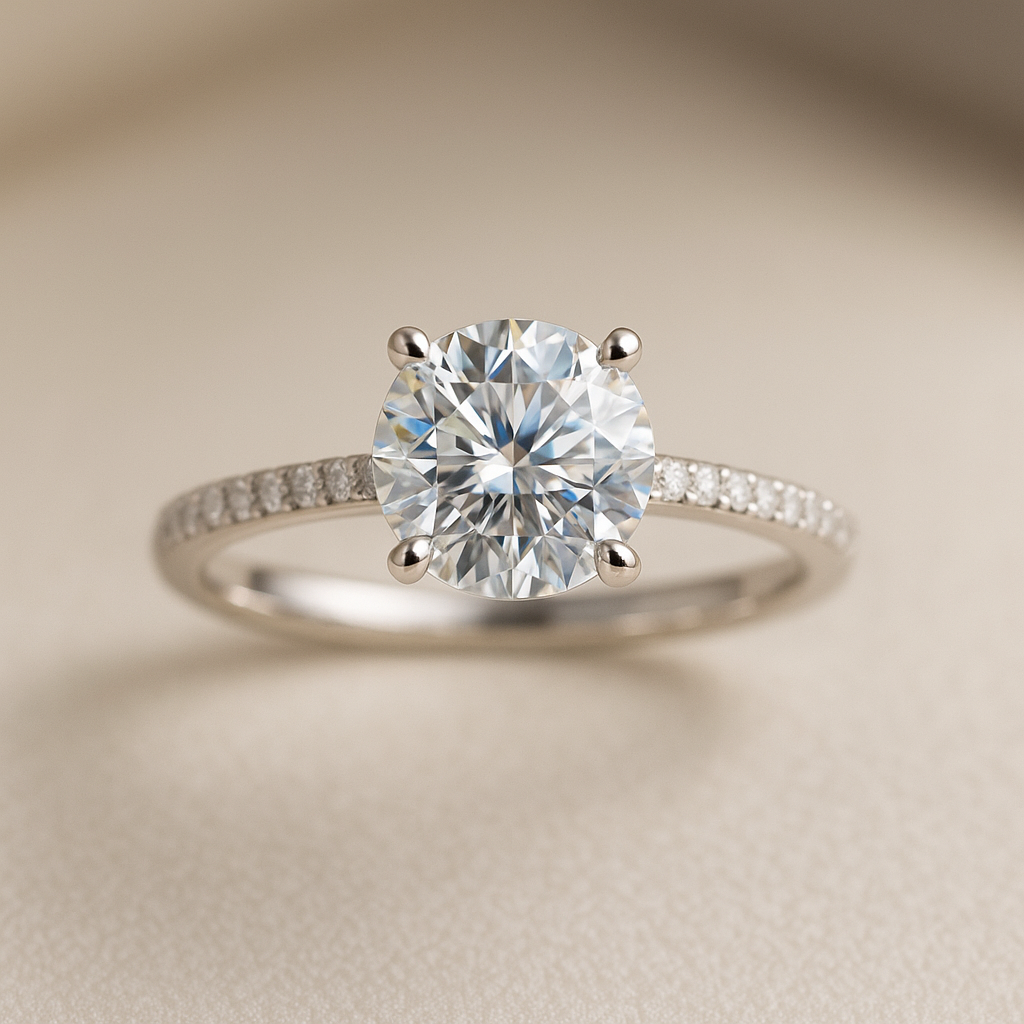

The Truth About Lab-Grown Diamonds: A Comprehensive Guide
As couples embark on the journey of selecting the perfect engagement ring, a significant choice presents itself: choosing between lab-grown diamonds and natural diamonds. Understanding the nuances of these two options is essential for making an informed decision. In this article, we delve into the characteristics, benefits, and considerations of lab-grown diamonds.
What Are Lab-Grown Diamonds?
Lab-grown diamonds, also known as synthetic or cultured diamonds, are created in controlled environments using advanced technology that mimics the natural diamond formation process. These diamonds share the same physical, chemical, and optical properties as their naturally occurring counterparts. This means that lab-grown diamonds are genuine diamonds; they simply originate from a different place.
The Creation Process
Lab-grown diamonds are produced using one of two primary methods: High Pressure High Temperature (HPHT) or Chemical Vapor Deposition (CVD). Both methods replicate the natural diamond formation process, resulting in diamonds that are chemically identical to those found in nature.
High Pressure High Temperature (HPHT)
HPHT diamonds are created by mimicking the intense heat and pressure conditions found deep within the Earth. This method involves placing carbon sources under extreme conditions to form diamonds over a period of weeks to months.
Chemical Vapor Deposition (CVD)
CVD involves using a gas mixture that contains carbon to create diamonds. In this method, gas is ionized in a vacuum chamber, allowing carbon atoms to deposit onto a substrate, forming a diamond layer over time.
Benefits of Lab-Grown Diamonds
Lab-grown diamonds come with several advantages that are important to consumers:
Environmental Impact
One of the primary appeals of lab-grown diamonds is their lower environmental impact. The mining of natural diamonds can result in significant ecological disruption, whereas lab-grown diamonds are manufactured in controlled environments with minimal land use and reduced carbon footprints.
Ethical Considerations
Lab-grown diamonds help in addressing ethical concerns surrounding diamond mining, including conflict diamonds. Consumers can purchase lab-grown diamonds with confidence, knowing that they are not contributing to human rights violations.
Cost-Effectiveness
Lab-grown diamonds are typically 20-40% more affordable than natural diamonds of comparable quality. This cost savings allows consumers to allocate their budget towards larger or higher-quality stones without compromising on aesthetics or value.
Comparison with Natural Diamonds
When comparing lab-grown diamonds to natural diamonds, several factors come into play:
Value Retention
Historically, natural diamonds have held their value over time, and while lab-grown diamonds are gaining popularity, their resale value may not match that of natural diamonds. Consumers should consider their long-term intentions when purchasing.
Market Perception
Natural diamonds have a longstanding status as symbols of luxury and romance. While lab-grown diamonds are increasingly accepted, market perceptions may take time to evolve fully.
Choosing the Right Lab-Grown Diamond
When selecting a lab-grown diamond, it is essential to consider the same criteria as natural diamonds, commonly referred to as the 4 Cs:
Cut
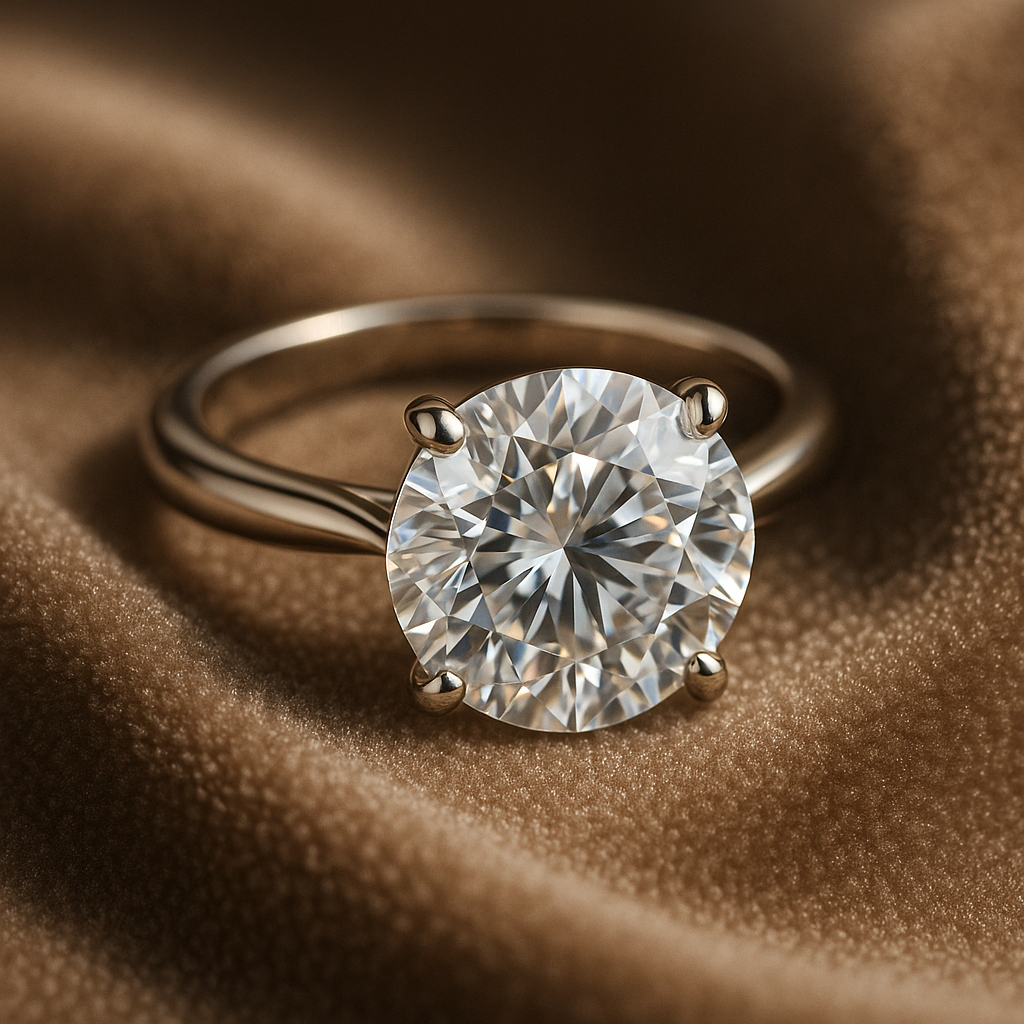
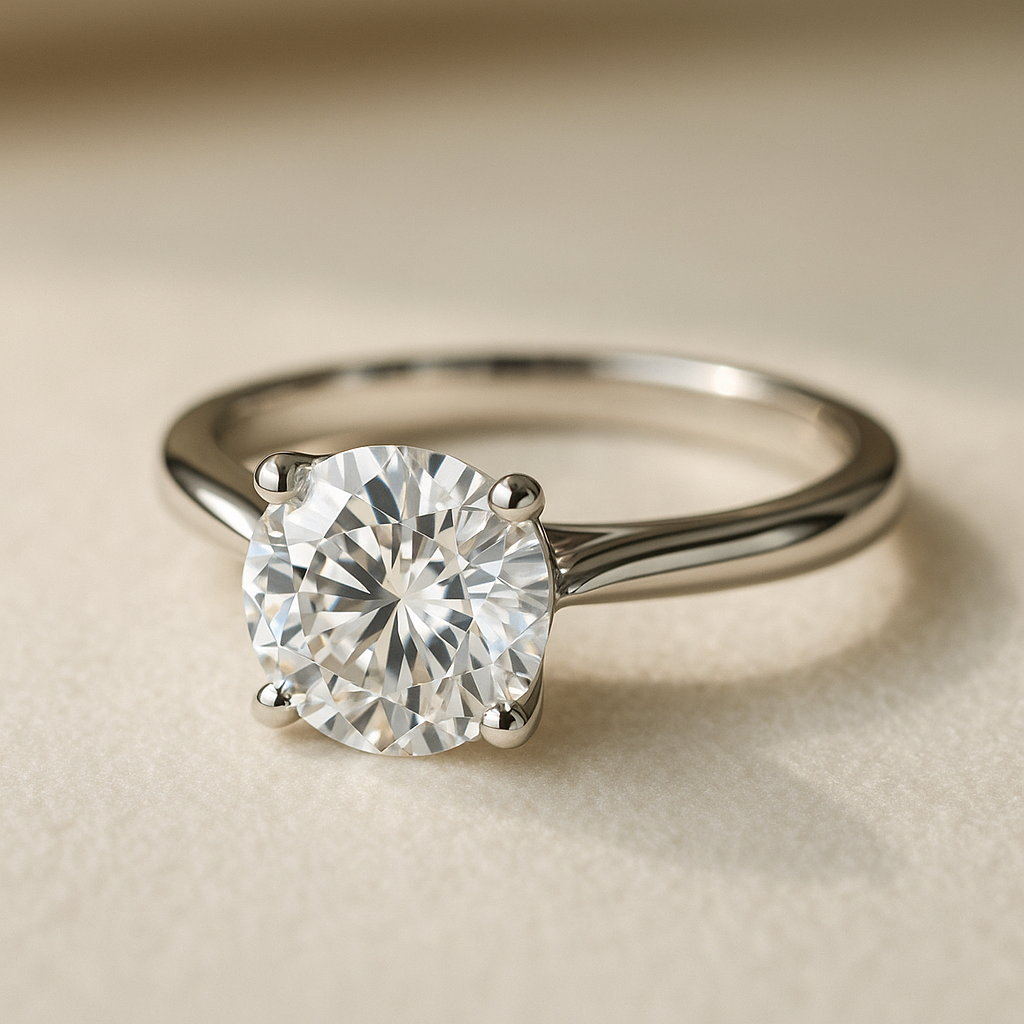
The cut of a diamond significantly impacts its brilliance and overall appearance. Prioritize a well-cut diamond to maximize its optical performance.
Color
Lab-grown diamonds are available in various colors, from colorless to fancy hues. Color grading for lab-grown diamonds follows the same standards as natural diamonds.
Clarity
Clarity refers to the presence of inclusions and blemishes. Lab-grown diamonds often have fewer impurities due to the controlled creation environment.
Carat Weight
Carat weight is a measure of a diamond’s size. Consider your preferences and budget when selecting the ideal carat weight.
Frequently Asked Questions (FAQs)
Are lab-grown diamonds real diamonds?
Yes, lab-grown diamonds are real diamonds. They possess the same chemical and physical properties as natural diamonds.
How much cheaper are lab-grown diamonds compared to natural diamonds?
Lab-grown diamonds can be 20-40% less expensive than natural diamonds, depending on the quality and characteristics.
Do lab-grown diamonds have resale value?
While lab-grown diamonds typically do not retain value as well as natural diamonds, their market acceptance is gradually increasing.
Are lab-grown diamonds environmentally friendly?
Yes, lab-grown diamonds have a significantly lower environmental impact compared to mined diamonds, as they require less land use and result in less ecological disruption.
Can you tell the difference between lab-grown and natural diamonds?
Without advanced testing equipment, it is challenging to distinguish between lab-grown and natural diamonds, as they have the same physical properties.
Final Thoughts
Choosing between lab-grown and natural diamonds ultimately depends on individual preferences, values, and budget. Lab-grown diamonds offer ethical, environmental, and economic advantages. By understanding the characteristics and benefits of lab-grown diamonds, consumers can make informed decisions when selecting the perfect engagement ring or piece of fine jewelry.