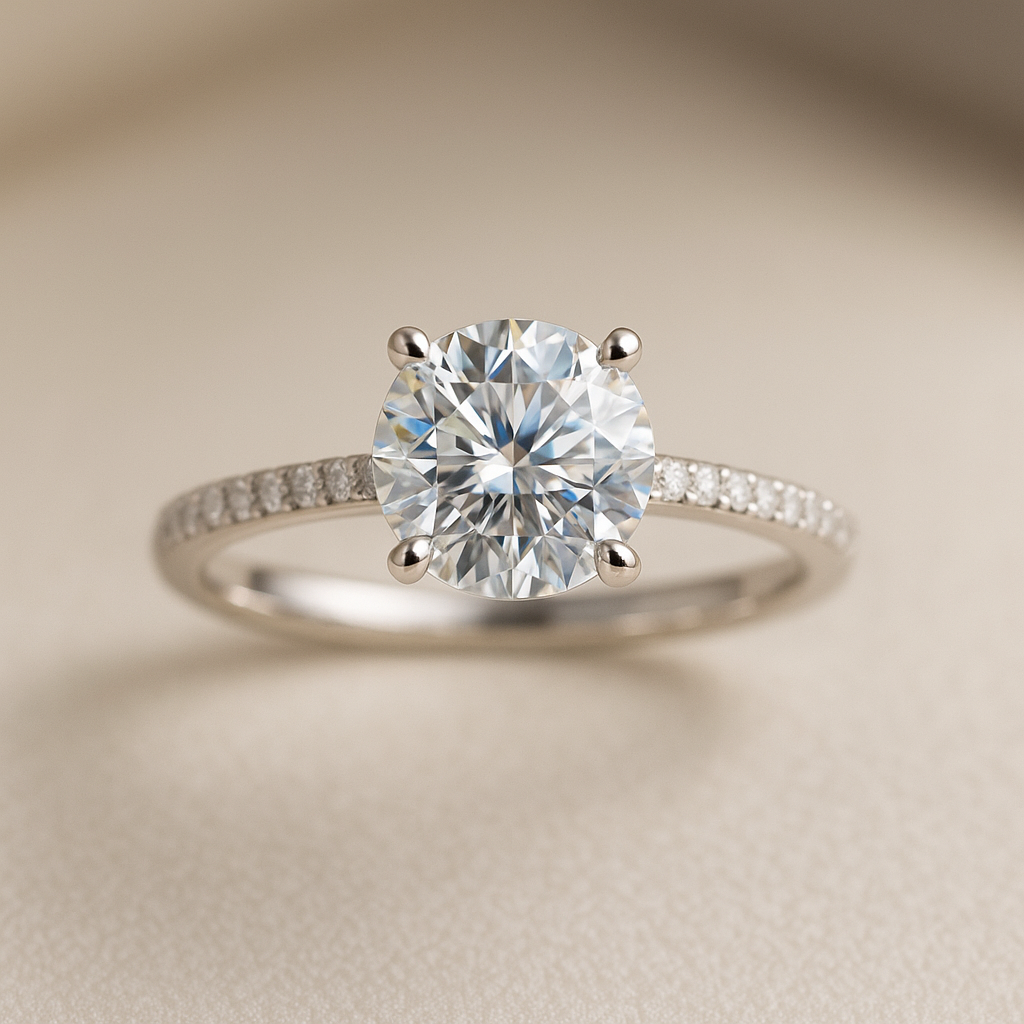

The Comprehensive Guide to Lab-Grown Diamonds
In the evolving landscape of fine jewelry, lab-grown diamonds have emerged as a revolutionary alternative to their natural counterparts. As consumers become more discerning and informed about their choices, understanding the characteristics, benefits, and considerations of lab-grown diamonds is crucial. In this guide, we will delve into the essentials of lab-grown diamonds, helping you make an informed decision for your engagement ring or fine jewelry purchase.
What Are Lab-Grown Diamonds?
Lab-grown diamonds, also known as synthetic or cultured diamonds, are real diamonds created in controlled environmental conditions that simulate the natural diamond formation process. Using advanced technology, such as HPHT (High Pressure High Temperature) or CVD (Chemical Vapor Deposition), these diamonds possess the same physical, chemical, and optical properties as natural diamonds.
The Process of Creating Lab-Grown Diamonds
The process of creating lab-grown diamonds involves two primary methods:
- HPHT (High Pressure High Temperature): This method replicates the high pressure and temperature conditions found in the Earth’s mantle. Carbon is subjected to extreme conditions to form diamonds.
- CVD (Chemical Vapor Deposition): This method involves vaporizing carbon-rich gases, which then deposit carbon atoms on a substrate, gradually forming a diamond layer.
Both processes yield diamonds that are virtually indistinguishable from natural diamonds without specialized equipment.
The Advantages of Lab-Grown Diamonds
Choosing a lab-grown diamond comes with several key advantages:
- Ethical Sourcing: Lab-grown diamonds are conflict-free and avoid the ethical concerns associated with some natural diamond mining practices.
- Environmental Impact: Producing lab-grown diamonds is less harmful to the environment compared to traditional diamond mining.
- Cost-Effectiveness: Lab-grown diamonds can be 20-40% less expensive than natural diamonds, allowing you to get a larger or higher-quality stone for your budget.
- Transparency: Lab-grown diamonds typically come with detailed grading reports that outline their characteristics, giving consumers confidence in their purchases.
Lab-Grown vs. Natural Diamonds
When comparing lab-grown and natural diamonds, it’s essential to consider several factors:
- Value Retention: While natural diamonds tend to hold value over time, lab-grown diamonds are often viewed as a depreciating asset. Understanding your long-term goals for the diamond can influence your choice.
- Emotional Significance: Natural diamonds carry a historical and romantic significance that some buyers may find appealing. Lab-grown diamonds, while equally beautiful, may lack this traditional narrative.
- Variety: Lab-grown diamonds can be produced in a wide range of colors and clarities, offering an expansive selection for consumers.
Choosing the Perfect Lab-Grown Diamond
When selecting a lab-grown diamond, consider the following factors:
- Cut: The cut of the diamond affects its brilliance and sparkle. Opt for the best cut you can afford.
- Color: Lab-grown diamonds range from colorless to various shades. A diamond with less color is typically more desirable.
- Clarity: Clarity refers to the presence of internal or external flaws. Higher clarity stones are more valuable.
Frequently Asked Questions
Are lab-grown diamonds real?
Yes, lab-grown diamonds are real diamonds. They have the same chemical composition, physical properties, and optical characteristics as natural diamonds.
Do lab-grown diamonds last as long as natural diamonds?
Absolutely. Lab-grown diamonds and natural diamonds are both incredibly durable and will last a lifetime with proper care.
How can I tell if a diamond is lab-grown?
While lab-grown diamonds are virtually indistinguishable from natural diamonds to the naked eye, professional gemologists can use specialized equipment to identify their origin.
Are lab-grown diamonds a good investment?
Lab-grown diamonds are generally less expensive than natural diamonds, but they may not retain value as well over time. They are more suited for consumers looking for beauty and ethical considerations rather than investment.
Conclusion
Lab-grown diamonds offer a modern, ethical, and cost-effective alternative to natural diamonds. Understanding their characteristics, advantages, and the distinction between lab-grown and natural diamonds can help consumers make informed choices when selecting an engagement ring or fine jewelry piece. Whether you prioritize environmental impact, cost, or personal significance, lab-grown diamonds provide an attractive option for today’s discerning shoppers.