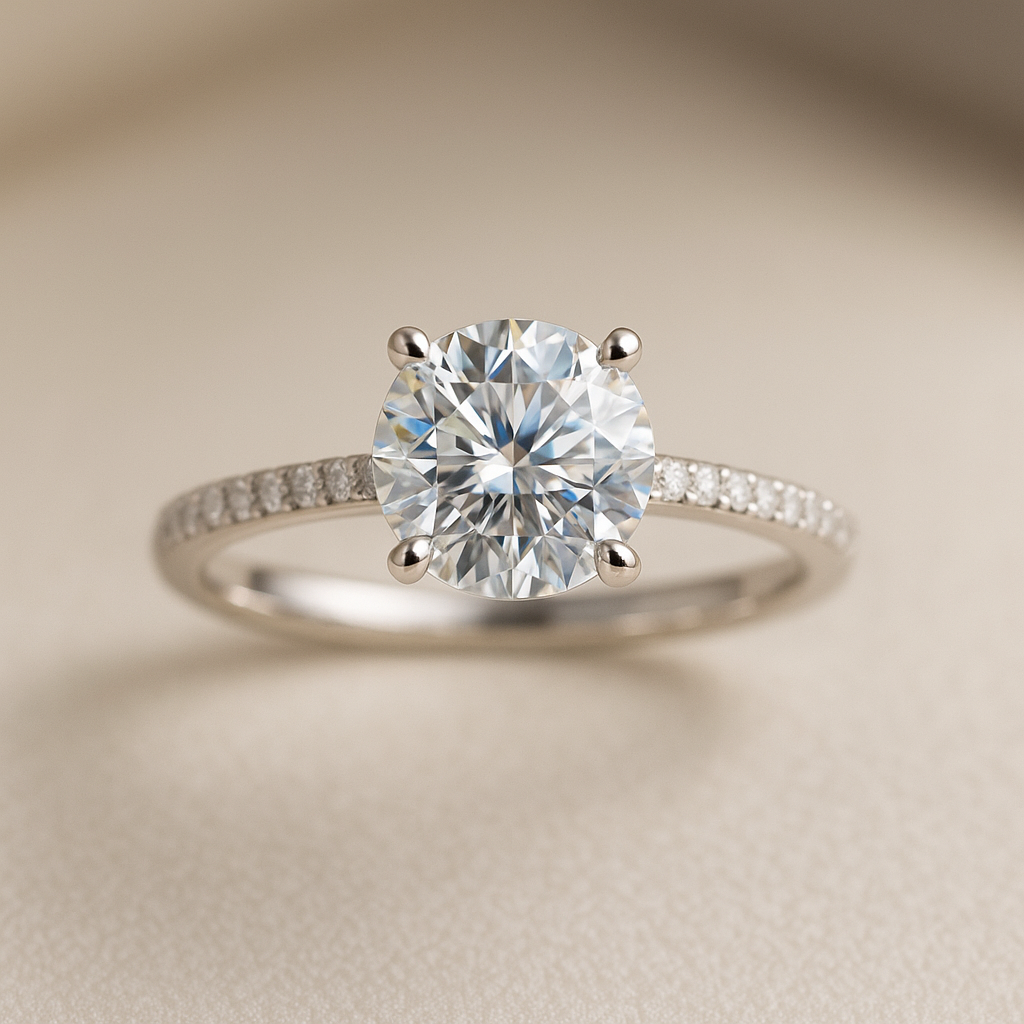
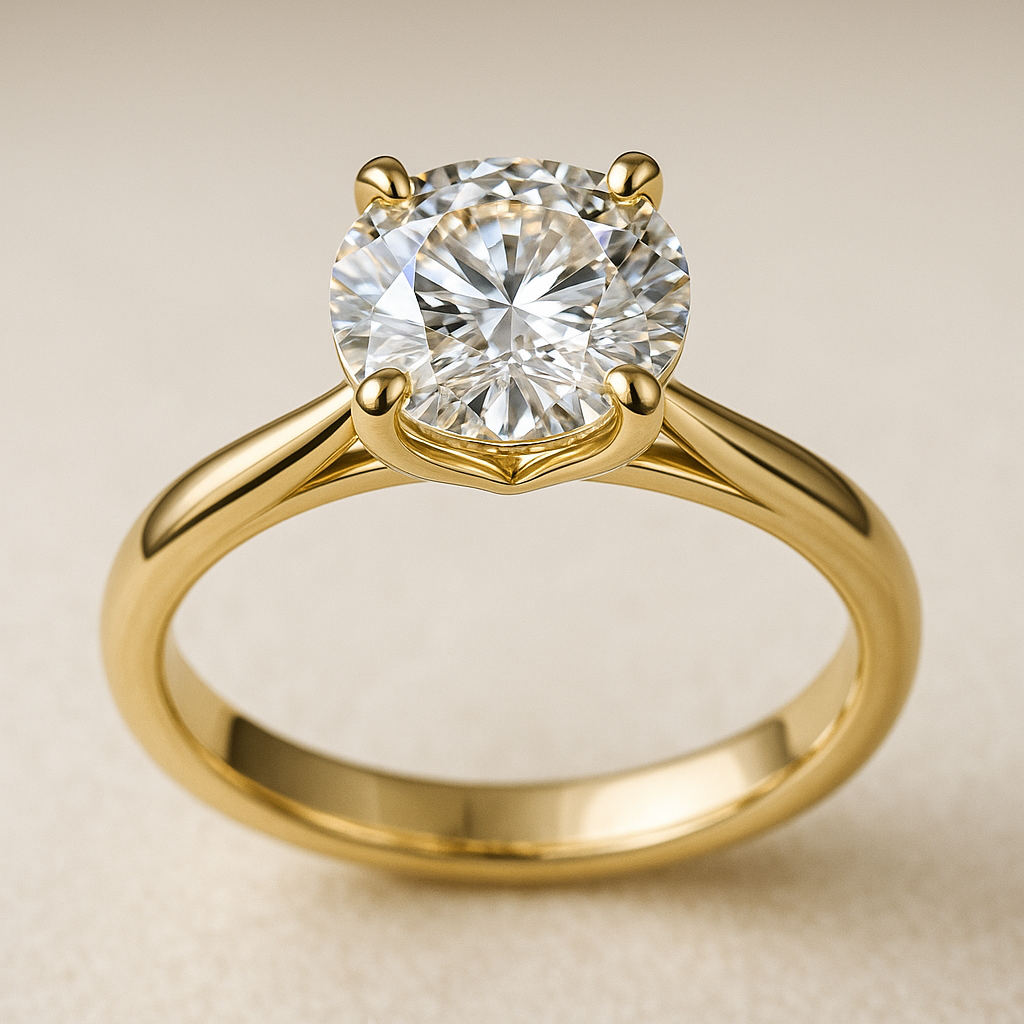
Understanding Lab-Grown Diamonds: A Smart Choice for Engagement Rings
Choosing the perfect engagement ring is one of the most exciting yet daunting tasks for couples. With the growing popularity of lab-grown diamonds, many shoppers are left wondering how these stones compare to their natural counterparts. In this article, we will explore the characteristics of lab-grown diamonds, their benefits, and why they may be the ideal choice for your engagement ring.
What Are Lab-Grown Diamonds?
Lab-grown diamonds, also known as synthetic diamonds or cultivated diamonds, are created in controlled laboratory environments. Using advanced technology, such as High-Pressure High Temperature (HPHT) or Chemical Vapor Deposition (CVD), these diamonds replicate the natural diamond formation process that takes place deep within the Earth. The result is a stone that is chemically, physically, and optically identical to natural diamonds.
The Benefits of Lab-Grown Diamonds
There are several compelling reasons to consider lab-grown diamonds for your engagement ring:
- Affordability: Lab-grown diamonds are generally 20-40% cheaper than natural diamonds of similar quality. This allows you to invest in a larger or higher quality stone without breaking the bank.
- Ethical Considerations: Lab-grown diamonds eliminate concerns about conflict diamonds, which can be associated with unethical mining practices. Choosing a lab-grown diamond means you are making a responsible choice.
- Environmental Impact: The carbon footprint of lab-grown diamonds is significantly lower than that of natural diamonds, making them a more environmentally friendly option.
- Pure Quality: Lab-grown diamonds are often flawless and can be created with specific characteristics that buyers desire, making it easier to find the perfect diamond without compromise.
Comparing Lab-Grown Diamonds with Natural Diamonds
When considering your options, it’s crucial to understand the differences and similarities between lab-grown and natural diamonds. Here’s a breakdown:
1. Composition
Both types of diamonds are made of carbon atoms arranged in a crystal lattice structure. Lab-grown diamonds exhibit the same physical and chemical properties as natural diamonds, making them indistinguishable to the naked eye.
2. Quality and Grading
Both lab-grown and natural diamonds are graded using the same criteria: Cut, Color, Clarity, and Carat Weight (the 4 Cs). Lab-grown diamonds can even be produced to meet the highest standards of quality, often resulting in stones with fewer inclusions and more brilliance.
3. Value Retention
Natural diamonds have traditionally held their value well; however, the resale market for lab-grown diamonds is still developing. It’s essential to keep this in mind if long-term value is a consideration for you.
How to Choose a Lab-Grown Diamond
When selecting a lab-grown diamond for your engagement ring, consider the following steps:
1. Determine Your Budget
Establish a budget that reflects your financial situation. With lab-grown diamonds, you may be able to afford a larger or higher-quality diamond than you could with a natural stone.
2. Educate Yourself on the 4 Cs
Understand the 4 Cs and how they apply to lab-grown diamonds. Make educated comparisons to ensure you’re making a wise investment.
3. Shop Responsibly
Look for reputable jewelers who specialize in lab-grown diamonds. Ensure they provide certification from recognized gemological laboratories, which guarantees the quality and authenticity of the diamond.
Frequently Asked Questions
Are lab-grown diamonds real diamonds?
Yes, lab-grown diamonds are real diamonds. They possess the same physical, chemical, and optical properties as natural diamonds.
Do lab-grown diamonds scratch easily?
No, lab-grown diamonds are just as hard as natural diamonds and are resistant to scratching.
Can lab-grown diamonds be resold?
While the resale market for lab-grown diamonds is evolving, they can still be resold. However, expect that they may not retain value as well as natural diamonds.
Are lab-grown diamonds environmentally friendly?
Yes, lab-grown diamonds typically have a lower environmental impact compared to mined diamonds, as they do not require extensive mining operations.
Conclusion: The Future of Engagement Rings
Lab-grown diamonds present an attractive option for those seeking a beautiful, ethical, and affordable engagement ring. As consumer awareness increases and the technology behind lab-grown diamonds continues to advance, they are poised to become a dominant choice in the fine jewelry market. By choosing a lab-grown diamond, you not only make a statement about your love but also about your values and commitment to responsible consumption.