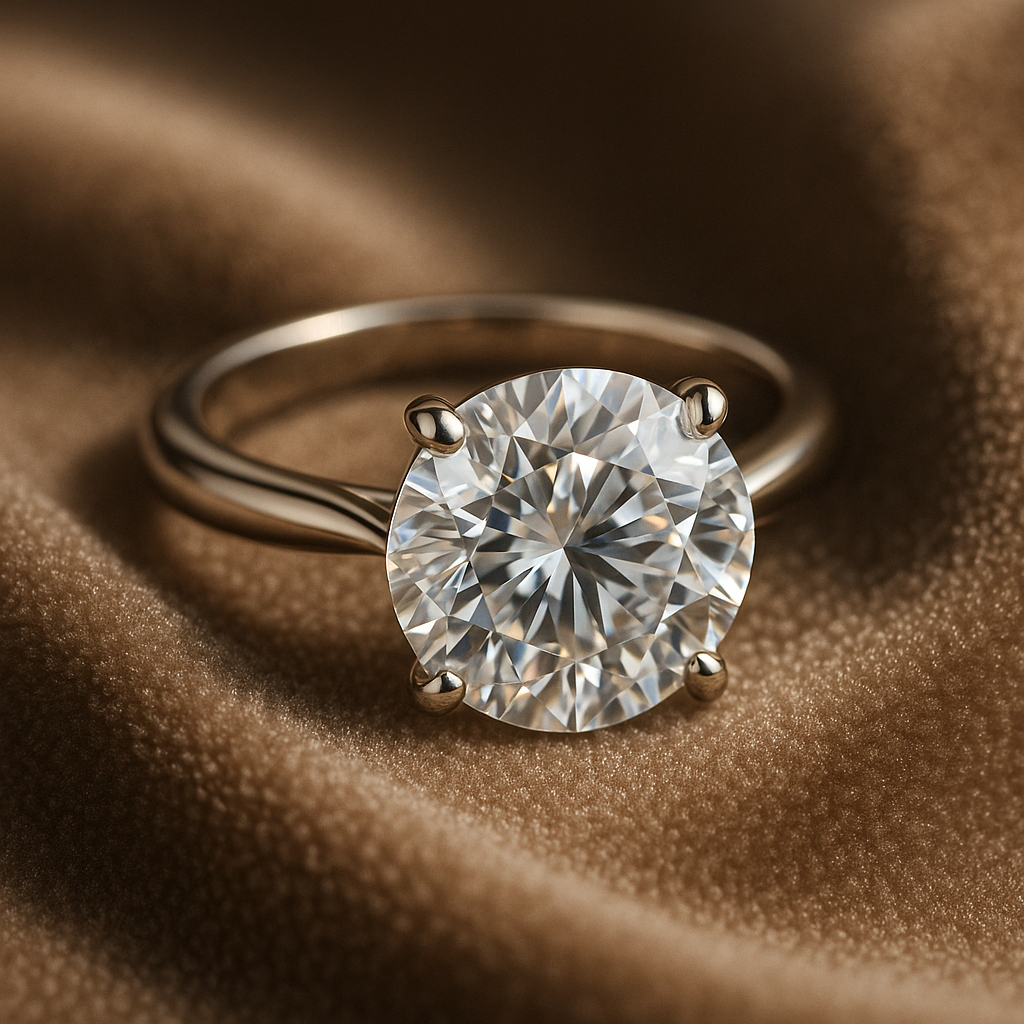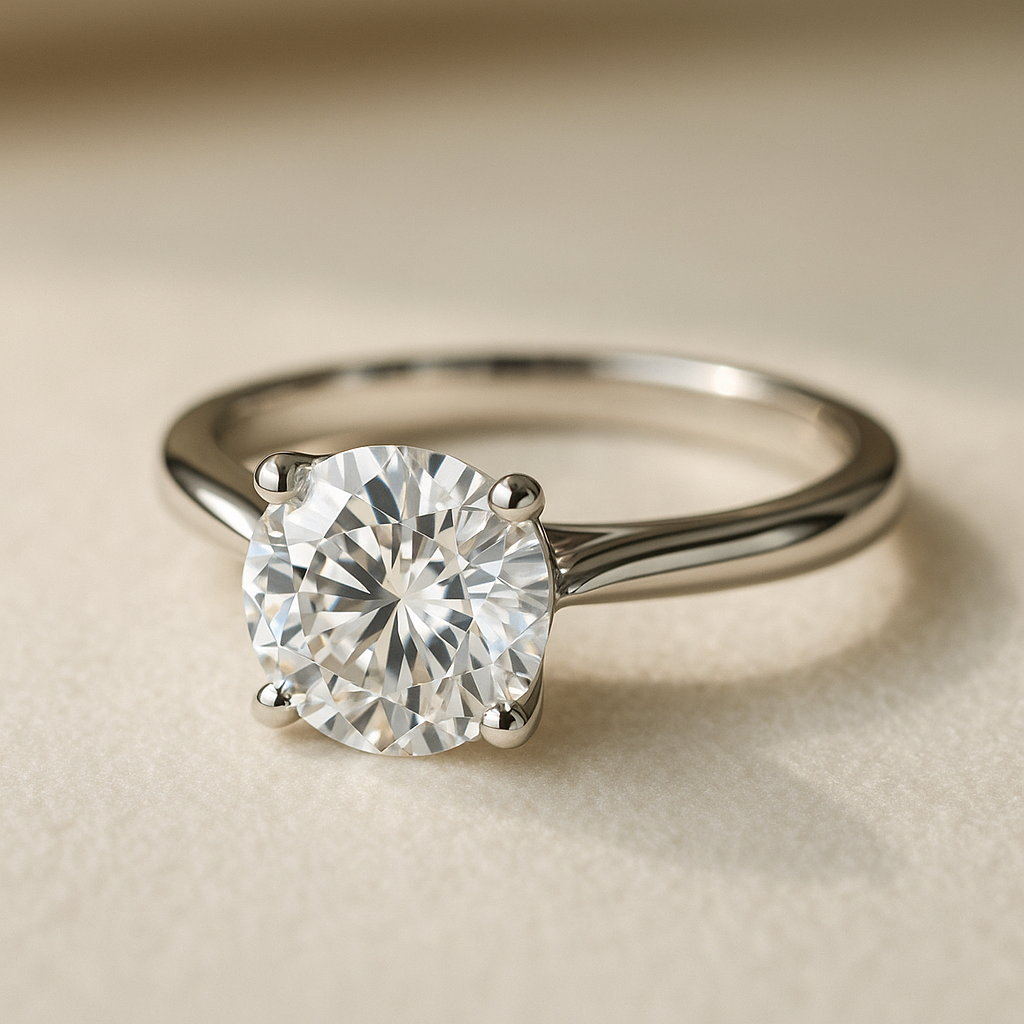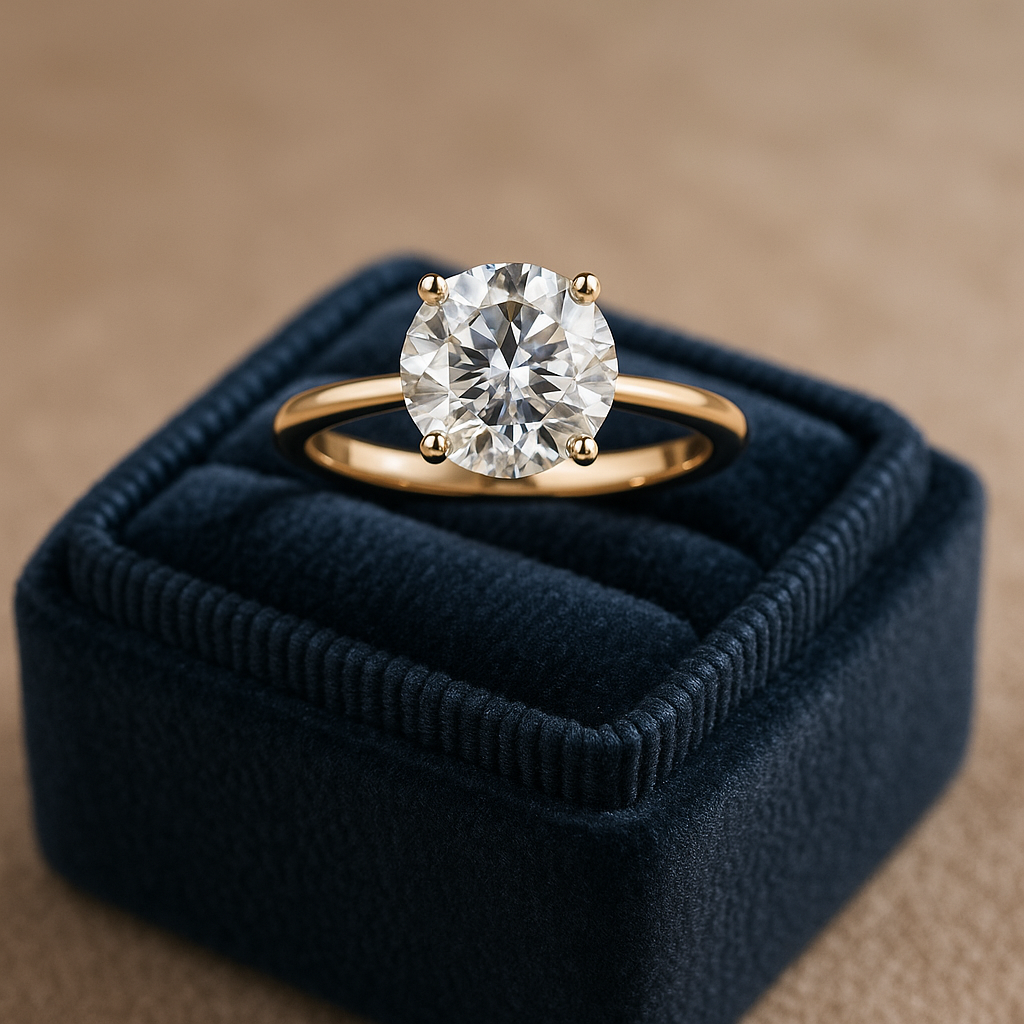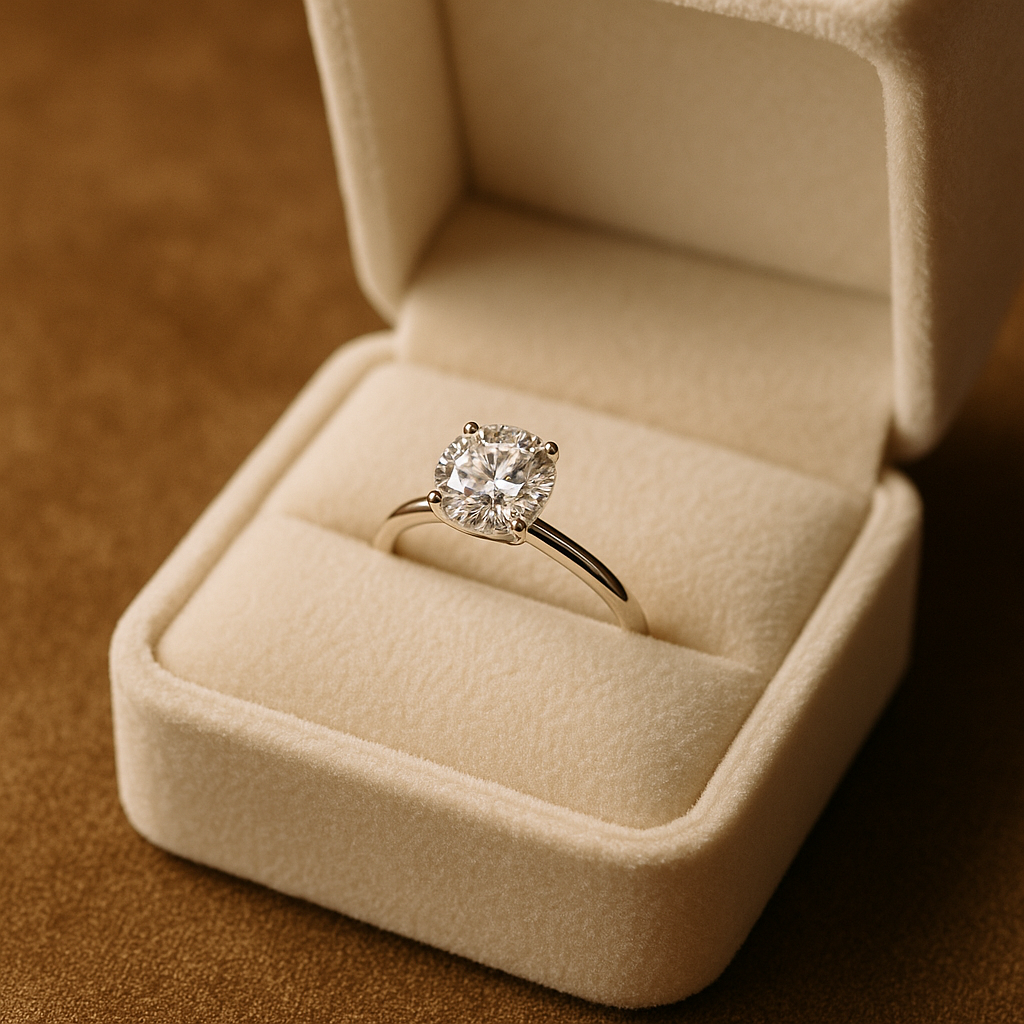
Understanding Lab-Grown Diamonds: The Future of Fine Jewelry
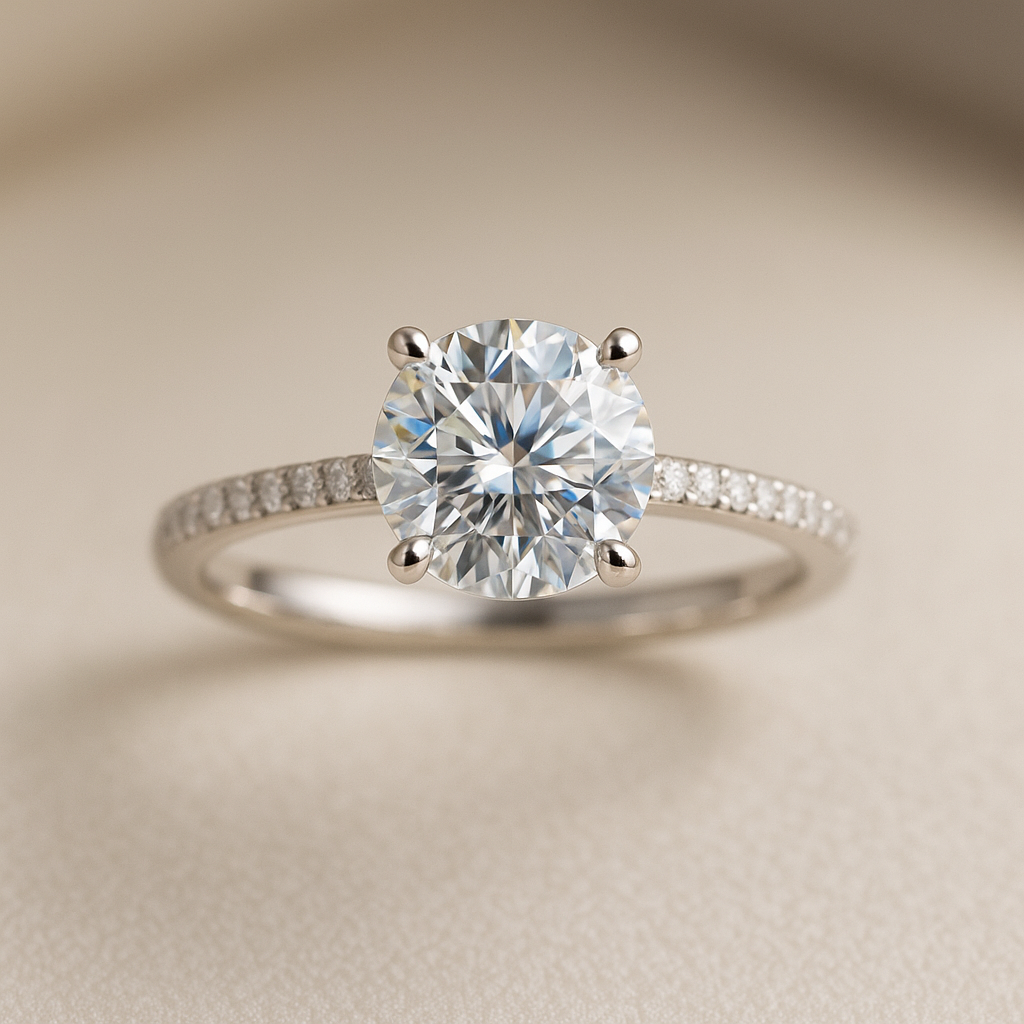
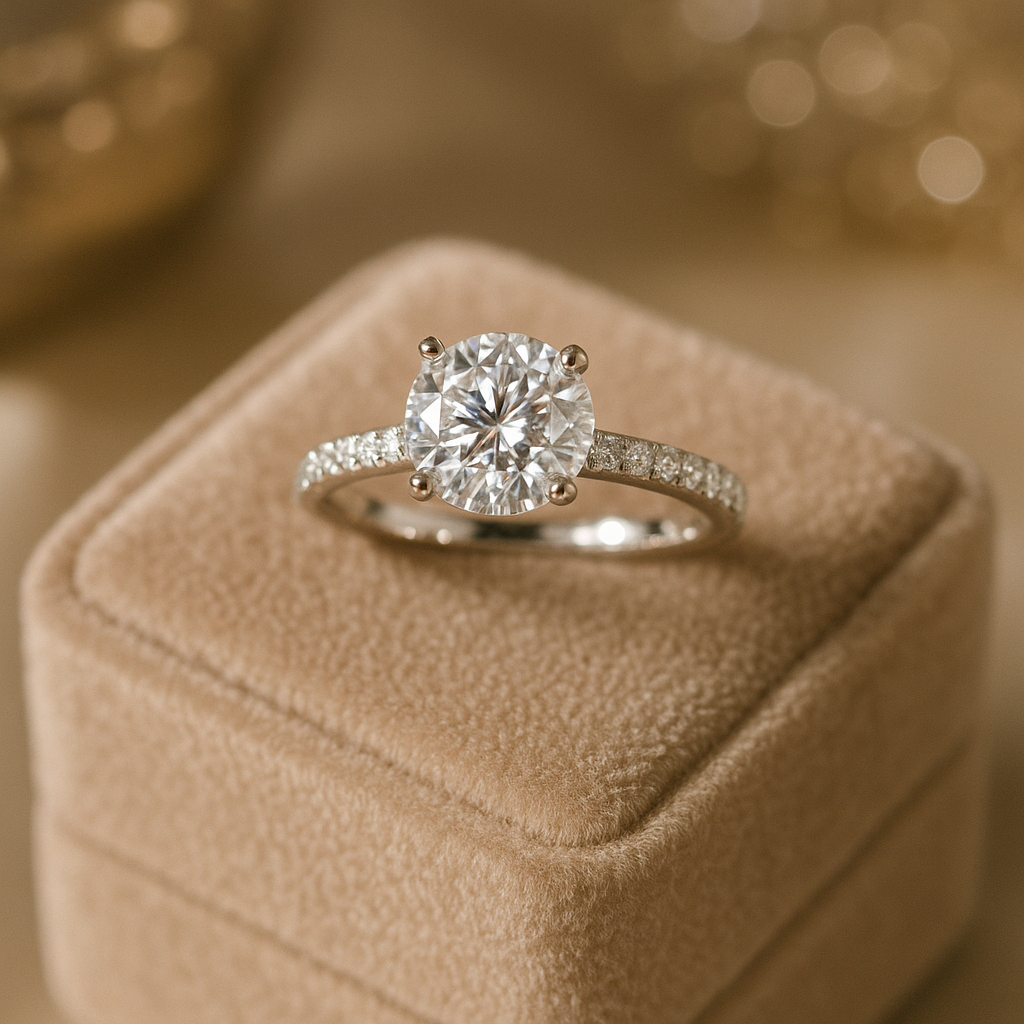
In recent years, lab-grown diamonds have gained significant traction in the jewelry market, offering an ethical and sustainable alternative to mined diamonds. As consumers become more educated about their choices, understanding the differences between lab-grown and natural diamonds is vital for making informed decisions, especially for engagement rings and fine jewelry.
What Are Lab-Grown Diamonds?
Lab-grown diamonds, also known as synthetic or cultured diamonds, are created using advanced technological processes that replicate the natural conditions under which diamonds form. There are two primary methods for producing lab-grown diamonds:
- High Pressure High Temperature (HPHT): This method mimics the earth’s natural diamond-growing conditions by applying high pressure and temperature to carbon.
- Chemical Vapor Deposition (CVD): CVD involves using carbon gases to grow diamonds layer by layer in a controlled environment.
Both methods result in diamonds that possess the same physical, chemical, and optical properties as natural diamonds, making them indistinguishable to the naked eye.
Why Choose Lab-Grown Diamonds?
1. Ethical Considerations
One of the most significant advantages of lab-grown diamonds is their ethical sourcing. Traditional diamond mining can often lead to environmental degradation and human rights abuses. Lab-grown diamonds, on the other hand, are produced in controlled environments that minimize these concerns, offering a guilt-free option for consumers.
2. Environmental Impact
The environmental impact of lab-grown diamonds is significantly lower than that of mined diamonds. Mining operations can disrupt ecosystems, contribute to soil erosion, and consume vast amounts of water. In contrast, lab-grown diamonds require fewer resources, making them a more sustainable choice for environmentally conscious consumers.
3. Cost-Effectiveness
Lab-grown diamonds are typically 20-40% less expensive than their natural counterparts. This price difference makes them an attractive option for budget-conscious shoppers seeking quality without compromising on aesthetic appeal. A couple can invest in a larger or higher-quality diamond without breaking the bank.
Comparing Lab-Grown and Natural Diamonds
Quality and Appearance
Lab-grown diamonds are virtually identical to natural diamonds in terms of clarity, cut, color, and carat weight. Both types of diamonds are graded using the same criteria, and lab-grown diamonds can hold their value similarly to mined diamonds. In fact, many consumers find it challenging to differentiate between the two without professional equipment.
Resale Value
One area where lab-grown diamonds may differ is in their resale value. Natural diamonds have historically retained value due to their rarity, while lab-grown diamonds may depreciate in price over time. Consumers should consider their long-term intentions when selecting a diamond and understand the potential impact on resale.
Certification and Grading
Both lab-grown and natural diamonds can be certified by reputable grading organizations like the Gemological Institute of America (GIA) and the International Gemological Institute (IGI). Certifications ensure that the diamonds meet established quality standards, providing peace of mind for buyers.
Common Misconceptions About Lab-Grown Diamonds
1. They’re Not Real Diamonds
A common misconception is that lab-grown diamonds are not “real” diamonds. However, lab-grown diamonds are chemically and physically identical to natural diamonds, making them just as “real” in every sense. The only difference lies in their origin.
2. Lab-Grown Diamonds Are Inferior
Some consumers believe that lab-grown diamonds are of lower quality compared to natural diamonds. In reality, lab-grown diamonds can be of equal or even superior quality, depending on the manufacturing process and the care taken during production.
3. They’re Only for Budget Shoppers
While lab-grown diamonds are more affordable, they are suitable for all types of buyers. Many luxury brands are now offering fine jewelry made with lab-grown diamonds, appealing to a broader market.
Frequently Asked Questions
Are lab-grown diamonds more environmentally friendly?
Yes, lab-grown diamonds have a significantly lower environmental impact compared to mined diamonds. The production processes are designed to minimize ecological disruption.
Can I get a lab-grown diamond engagement ring?
Absolutely! Many jewelers, including Celebrity Diamonds, offer a wide selection of engagement rings featuring stunning lab-grown diamonds.
How do I care for my lab-grown diamond jewelry?
Caring for lab-grown diamonds is straightforward. Regular cleaning with a mild soap solution and a soft cloth will keep them sparkling. Avoid harsh chemicals and store them separately to prevent scratching.
Conclusion
Lab-grown diamonds represent a modern, ethical, and sustainable choice for consumers looking to purchase fine jewelry or engagement rings. By understanding the differences and advantages of lab-grown diamonds, shoppers can feel confident in their decisions. Whether you prioritize environmental responsibility, budget, or aesthetic quality, lab-grown diamonds offer unparalleled value for today’s discerning jewelry buyers.