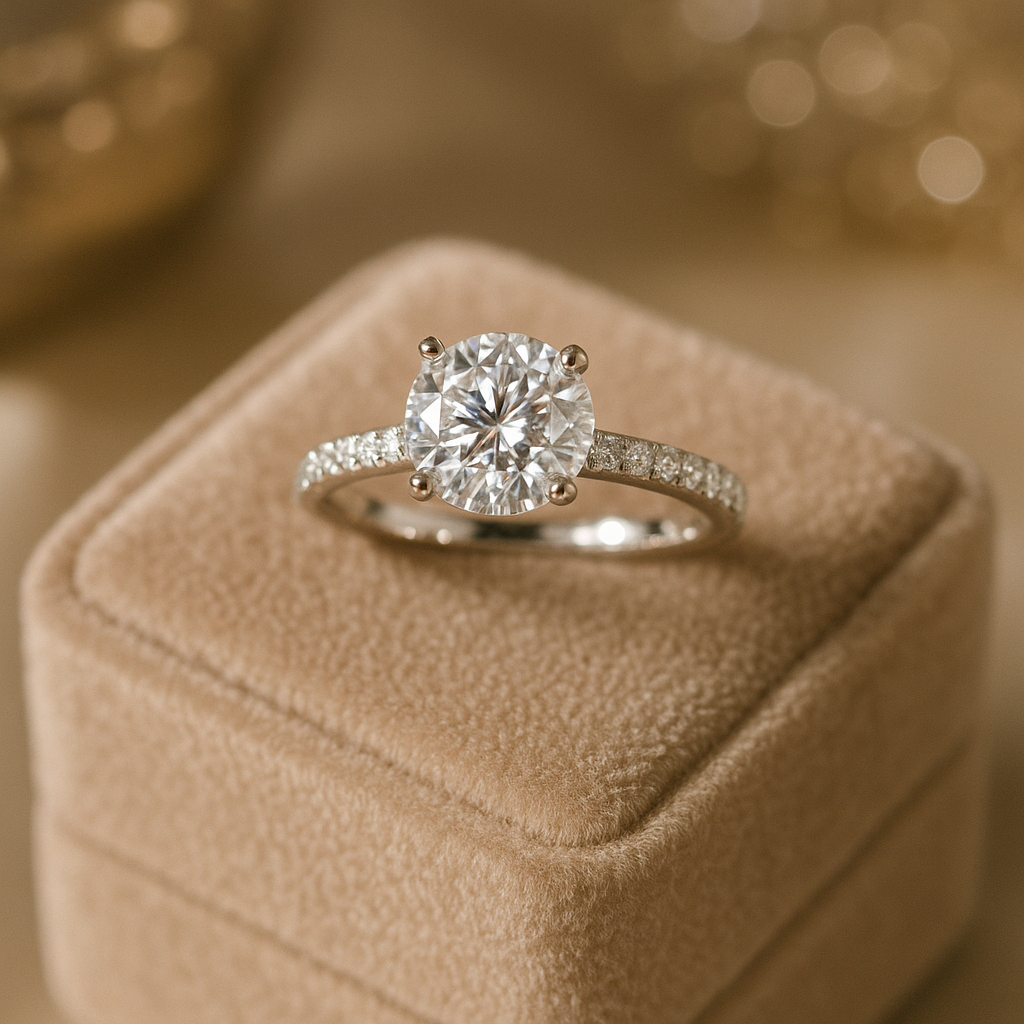
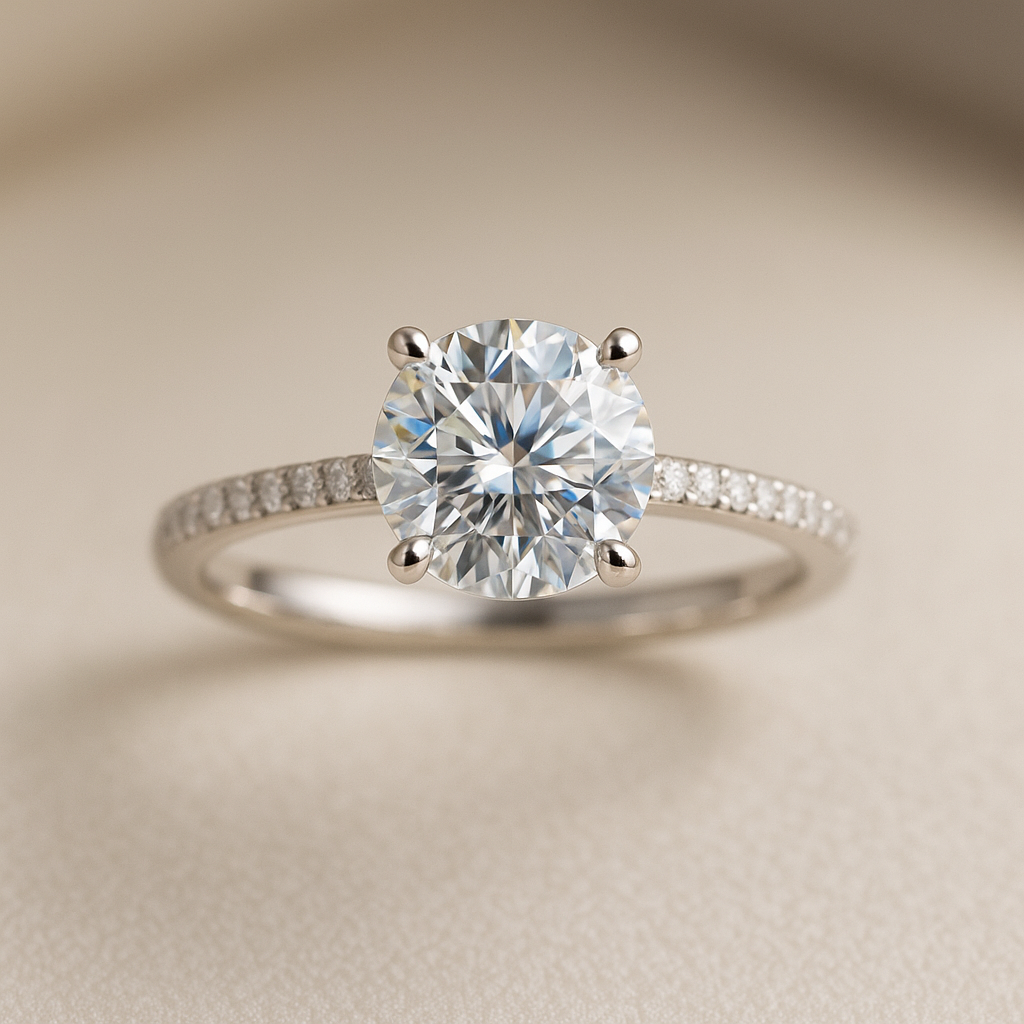
Understanding Lab-Grown Diamonds: A Modern Choice for Engagement Rings
In recent years, the jewelry industry has witnessed a significant shift in consumer preferences regarding diamond purchases. Lab-grown diamonds have emerged as a popular alternative to natural diamonds, appealing to couples looking for sustainable and cost-effective options for engagement rings and fine jewelry. In this article, we will explore the characteristics, benefits, and considerations when choosing lab-grown diamonds over traditional mined diamonds.
What Are Lab-Grown Diamonds?
Lab-grown diamonds, also known as synthetic or cultured diamonds, are real diamonds created in a controlled laboratory environment using advanced technology that replicates the natural formation process of diamonds. These diamonds possess the same physical, chemical, and optical properties as natural diamonds, making them indistinguishable to the naked eye.
How Are Lab-Grown Diamonds Made?
There are two primary methods for producing lab-grown diamonds:
- High Pressure High Temperature (HPHT): This method mimics the extreme conditions under which natural diamonds form deep within the Earth. Carbon is subjected to high pressure and temperature, resulting in the crystallization of diamond.
- Chemical Vapor Deposition (CVD): In this process, gases are used to deposit carbon atoms onto a substrate, which gradually build up to form diamonds. This method offers more control over the diamond’s growth and can result in larger, higher-quality stones.
Benefits of Choosing Lab-Grown Diamonds
Many consumers are turning to lab-grown diamonds for several compelling reasons:
1. Ethical and Sustainable
Lab-grown diamonds are produced in a controlled environment, eliminating the ethical concerns associated with mined diamonds, such as conflict diamonds and environmental degradation. Choosing lab-grown diamonds supports responsible sourcing and sustainable practices.
2. Cost-Effective
Lab-grown diamonds typically cost 20-40% less than their natural counterparts, allowing consumers to invest in larger stones or higher quality without breaking the bank. This cost-effectiveness can be particularly appealing for couples planning their engagement.
3. High Quality and Customization
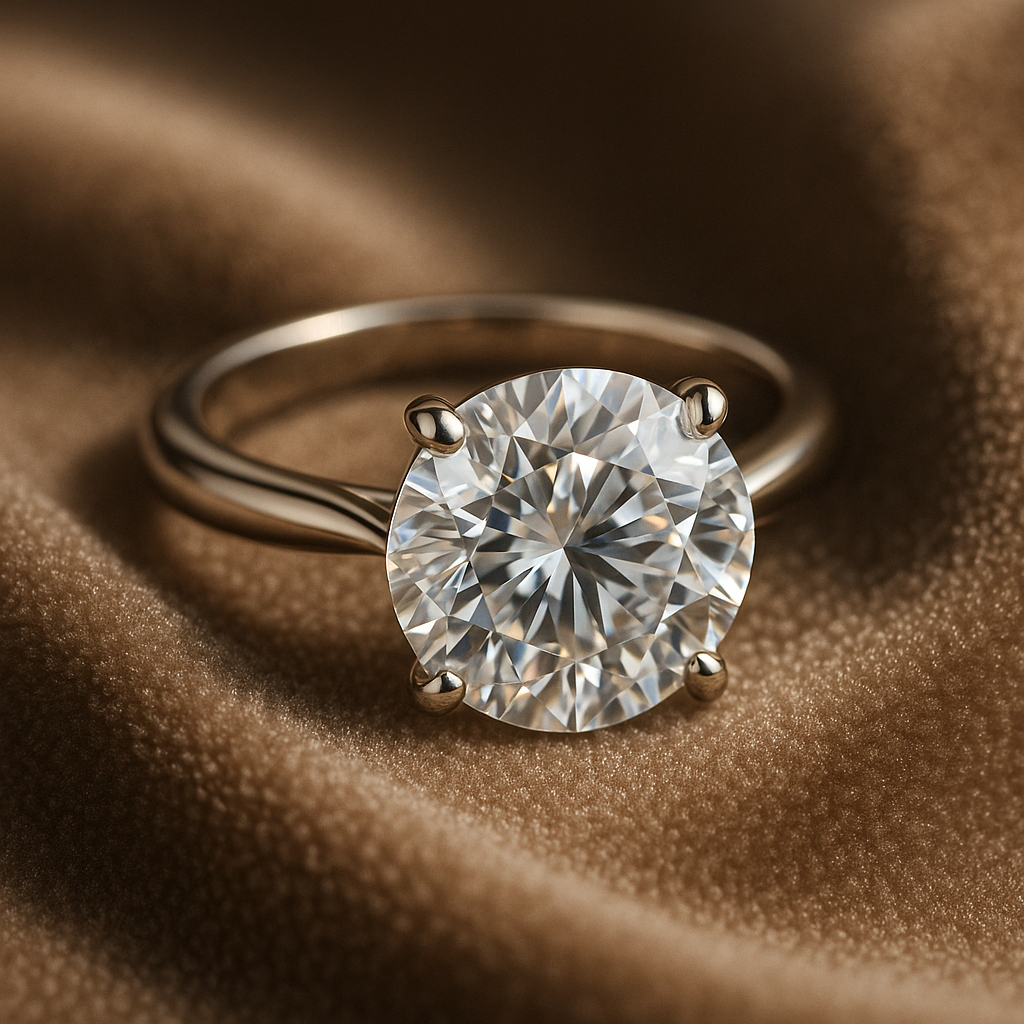
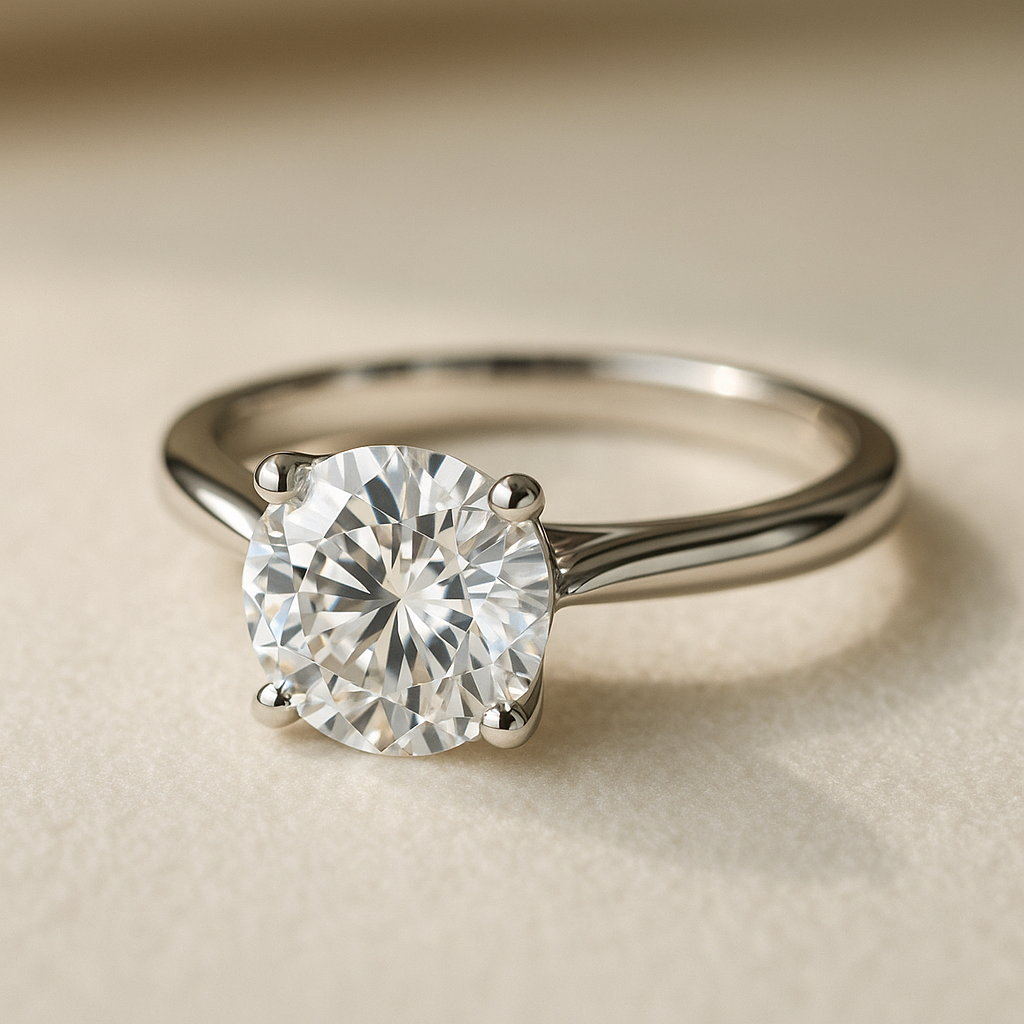
Lab-grown diamonds can be created with fewer impurities and inclusions, often resulting in superior clarity and brilliance. Additionally, many manufacturers allow for customization in terms of size, shape, and color, providing consumers with the opportunity to design a unique piece that reflects their personal style.
Comparing Lab-Grown and Natural Diamonds
While lab-grown diamonds offer numerous advantages, it’s essential to understand how they compare to natural diamonds:
1. Value Retention
Natural diamonds have traditionally held their value well over time, while the resale market for lab-grown diamonds is still developing. Potential buyers should consider their long-term plans when choosing between the two.
2. Sentimental Value
For some consumers, the allure of natural diamonds lies in their rarity and the centuries-old tradition associated with them. Lab-grown diamonds, while real diamonds, may lack the same sentimental appeal for those who value tradition.
3. Market Perception
Lab-grown diamonds are becoming more accepted in the market, yet some individuals may still hold reservations about their value compared to natural diamonds. Understanding the perceptions in your social circles can help guide your decision.
FAQs About Lab-Grown Diamonds
Are lab-grown diamonds real diamonds?
Yes, lab-grown diamonds are real diamonds that have the same chemical and physical properties as natural diamonds. The main difference lies in their origin.
Do lab-grown diamonds have resale value?
While lab-grown diamonds can be resold, their resale value tends to be lower than that of natural diamonds, which have a long-established market.
How can you tell a lab-grown diamond from a natural one?
Lab-grown diamonds can be challenging to distinguish from natural diamonds without specialized equipment. However, they may have different inclusions or growth patterns that gemologists can identify.
Can I get a lab-grown diamond in any shape or size?
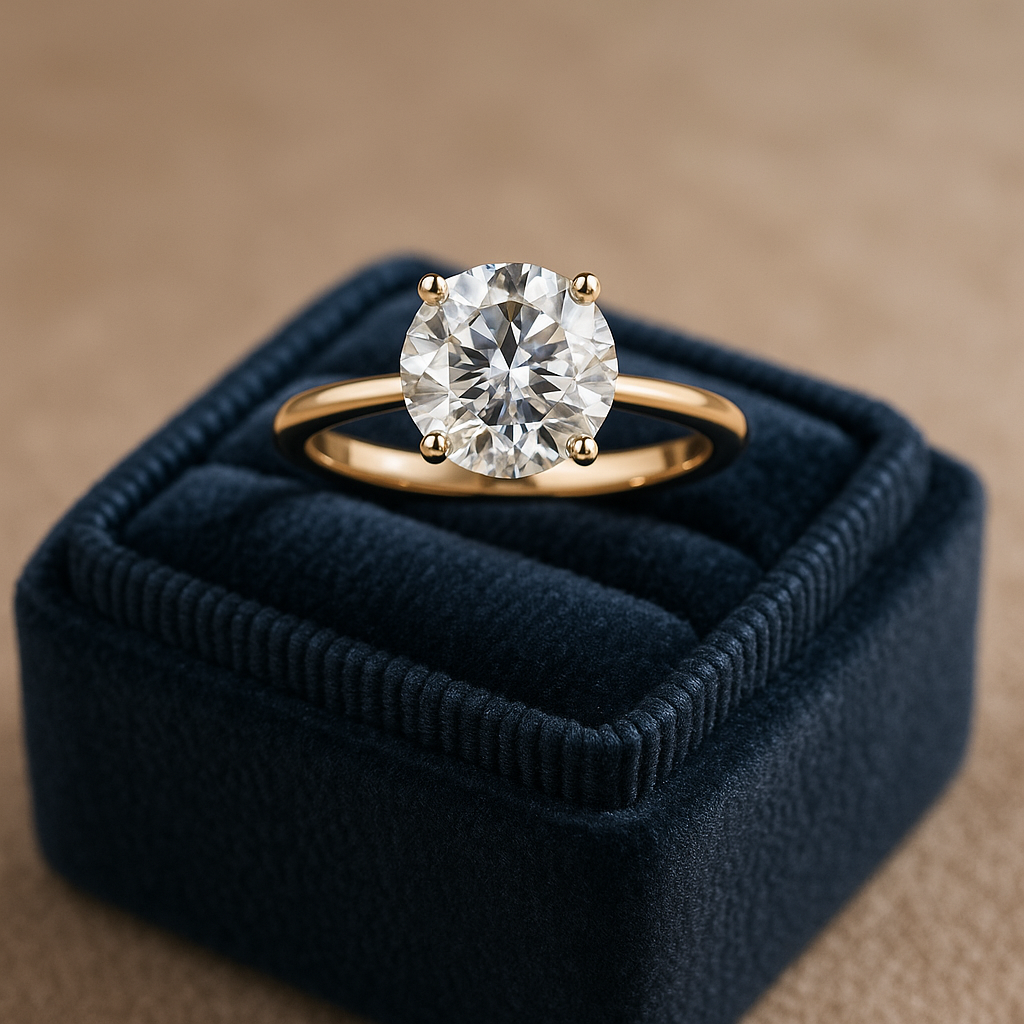
Yes, lab-grown diamonds come in various shapes and sizes, and many manufacturers offer customization to create a unique piece for your engagement ring or jewelry collection.
Conclusion
Lab-grown diamonds represent a modern and responsible choice for consumers seeking engagement rings and fine jewelry. With their ethical production, cost advantages, and high-quality characteristics, they offer an appealing alternative to traditional natural diamonds. As you consider your options, weigh the benefits and implications of both lab-grown and natural diamonds to find the perfect gem that aligns with your values and budget.