Understanding Lab-Grown Diamonds: The Future of Fine Jewelry
Lab-grown diamonds have taken the jewelry industry by storm, offering consumers a sustainable, ethical, and often more affordable alternative to mined diamonds. In this article, we delve into what lab-grown diamonds are, how they are created, and why they are becoming increasingly popular among couples searching for the perfect engagement ring.
What Are Lab-Grown Diamonds?
Lab-grown diamonds, also known as synthetic or cultured diamonds, are real diamonds that are produced in a laboratory setting. Unlike natural diamonds, which are formed over millions of years beneath the Earth’s surface, lab-grown diamonds are created using advanced technological processes that replicate the natural diamond formation.
How Are Lab-Grown Diamonds Made?
There are two primary methods for creating lab-grown diamonds: the High Pressure High Temperature (HPHT) method and the Chemical Vapor Deposition (CVD) method.
- High Pressure High Temperature (HPHT): This method mimics the intense heat and pressure conditions under which natural diamonds form. A small diamond seed is placed in a chamber with carbon and subjected to extreme pressure and temperature, resulting in the growth of a diamond over a matter of weeks.
- Chemical Vapor Deposition (CVD): In this method, a diamond seed is placed in a chamber filled with carbon-rich gas. The gas is heated, causing carbon atoms to settle on the seed and crystallize into a diamond structure. This process can take several weeks and allows for more control over the diamond’s characteristics.
Benefits of Choosing Lab-Grown Diamonds
When comparing lab-grown diamonds to their natural counterparts, there are several compelling benefits:
- Ethical Sourcing: Lab-grown diamonds do not contribute to the social and environmental issues associated with mined diamonds, including human rights abuses and ecological destruction.
- Affordability: Lab-grown diamonds typically cost 20-40% less than natural diamonds, allowing consumers to purchase a larger or higher-quality stone within their budget.
- Quality and Variety: Lab-grown diamonds are virtually identical to natural diamonds in terms of physical and chemical properties, boasting the same brilliance and durability. Additionally, CVD technology allows for customization in terms of color and clarity.
- Greater Transparency: Many lab-grown diamonds come with certificates that provide detailed information about the diamond’s creation process, ensuring that consumers know exactly what they are purchasing.
Choosing Between Lab-Grown and Natural Diamonds
For many shoppers, the choice between lab-grown and natural diamonds comes down to personal values and priorities. Here are some key considerations to keep in mind:
- Budget: If budget is a primary concern, lab-grown diamonds offer a fantastic opportunity to maximize value without sacrificing quality.
- Ethical Considerations: Those who prioritize ethical sourcing may prefer lab-grown diamonds, given the issues associated with traditional diamond mining.
- Symbolic Significance: For some, natural diamonds hold sentimental value and represent a connection to the Earth. Understanding your own perspective on this symbolism can help guide your decision.
Lab-Grown Diamonds in Engagement Rings
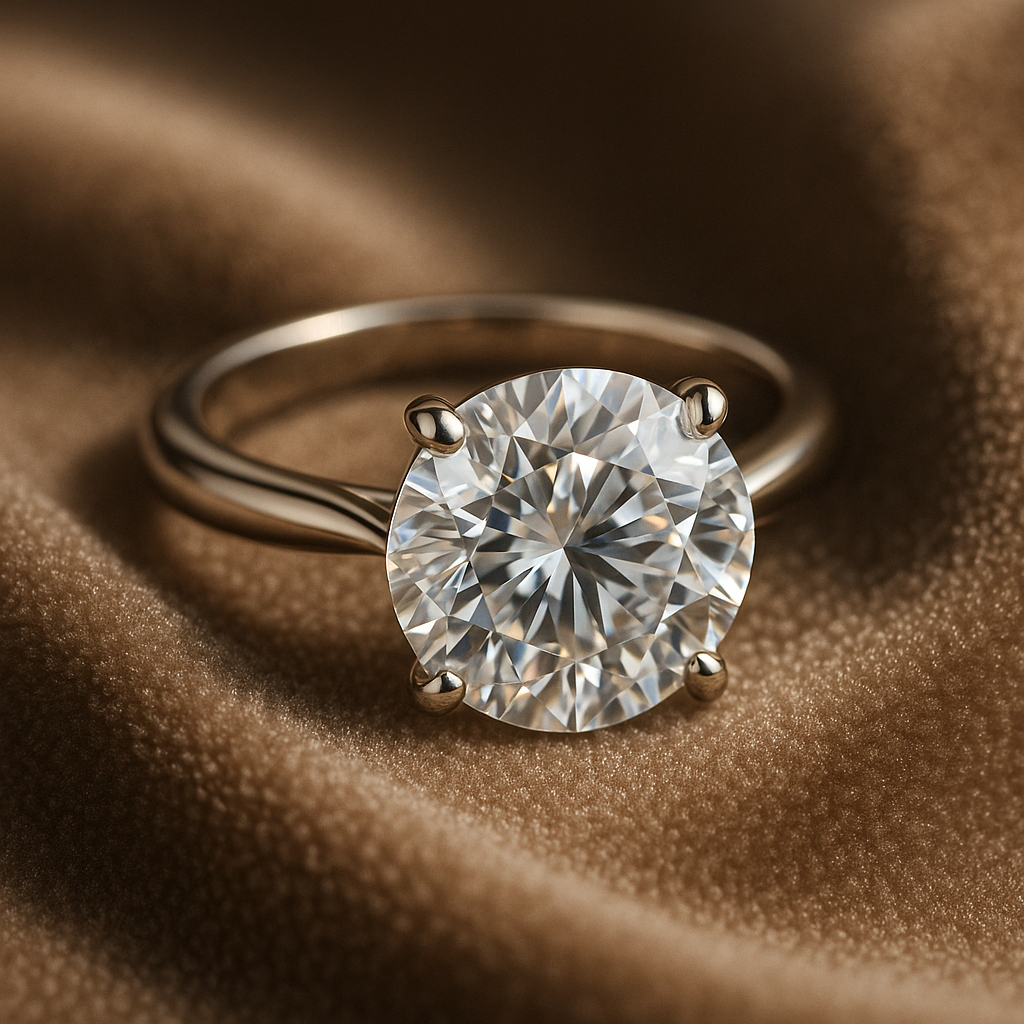
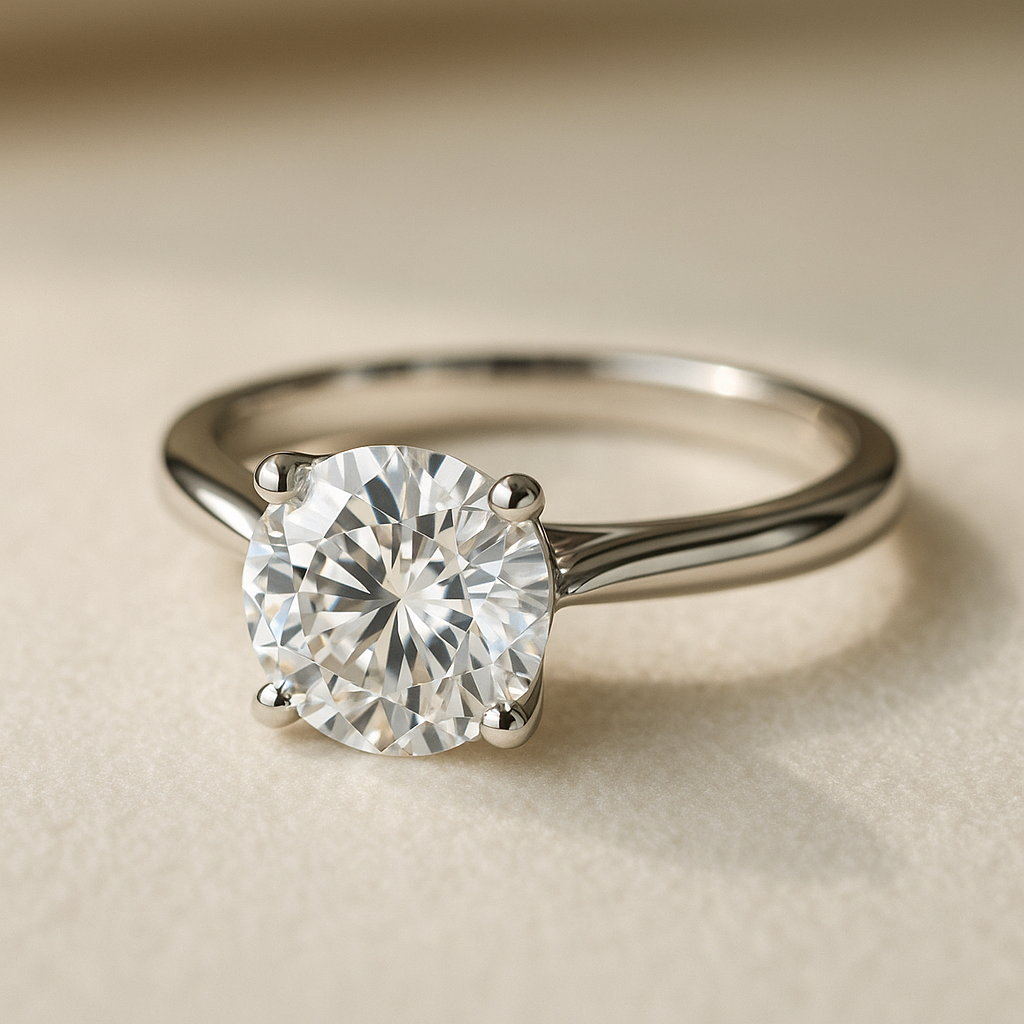
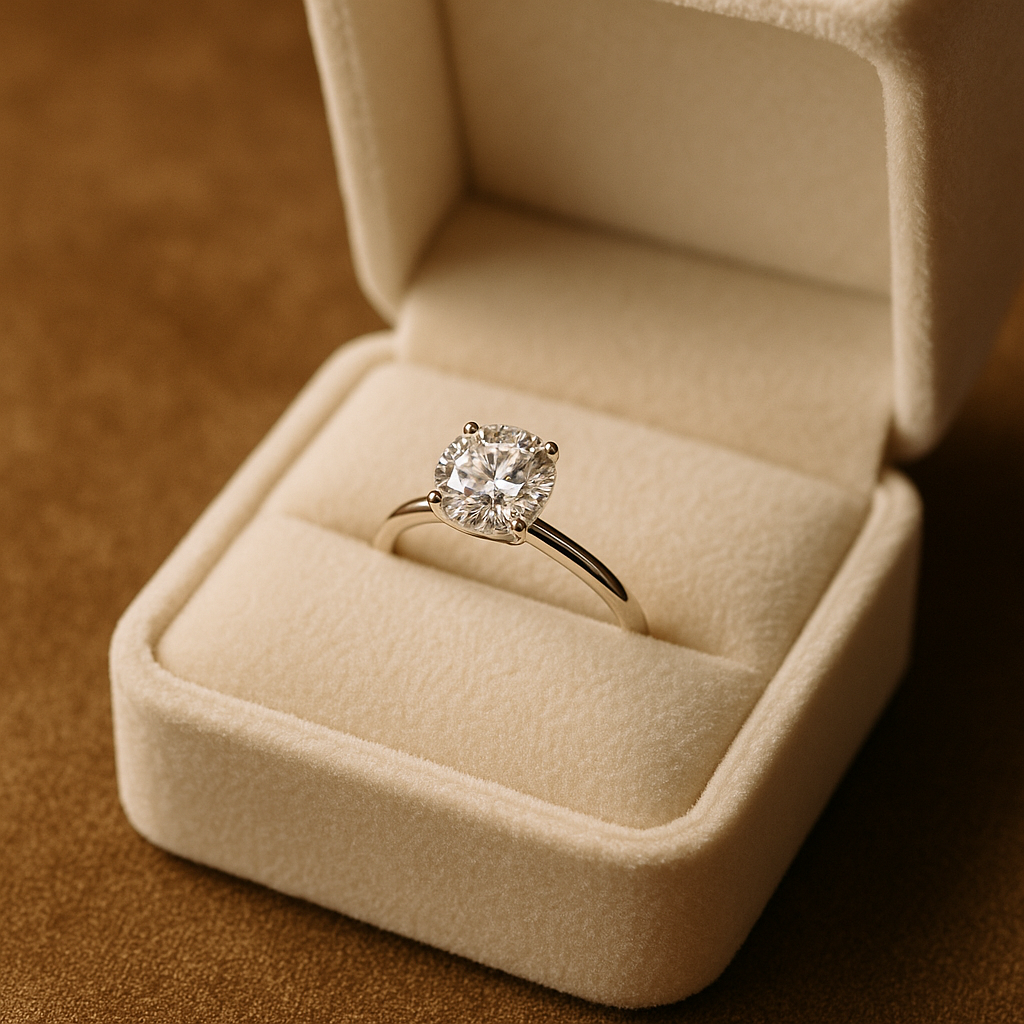
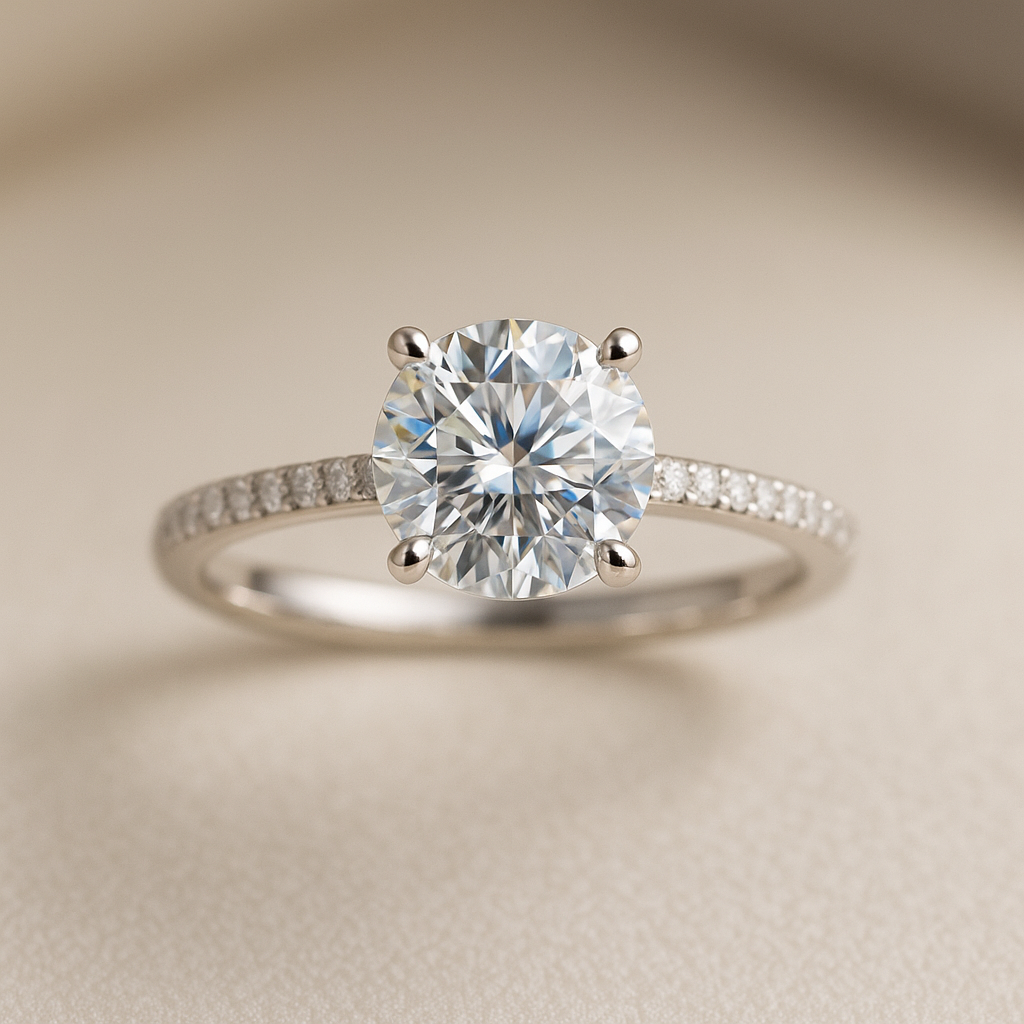
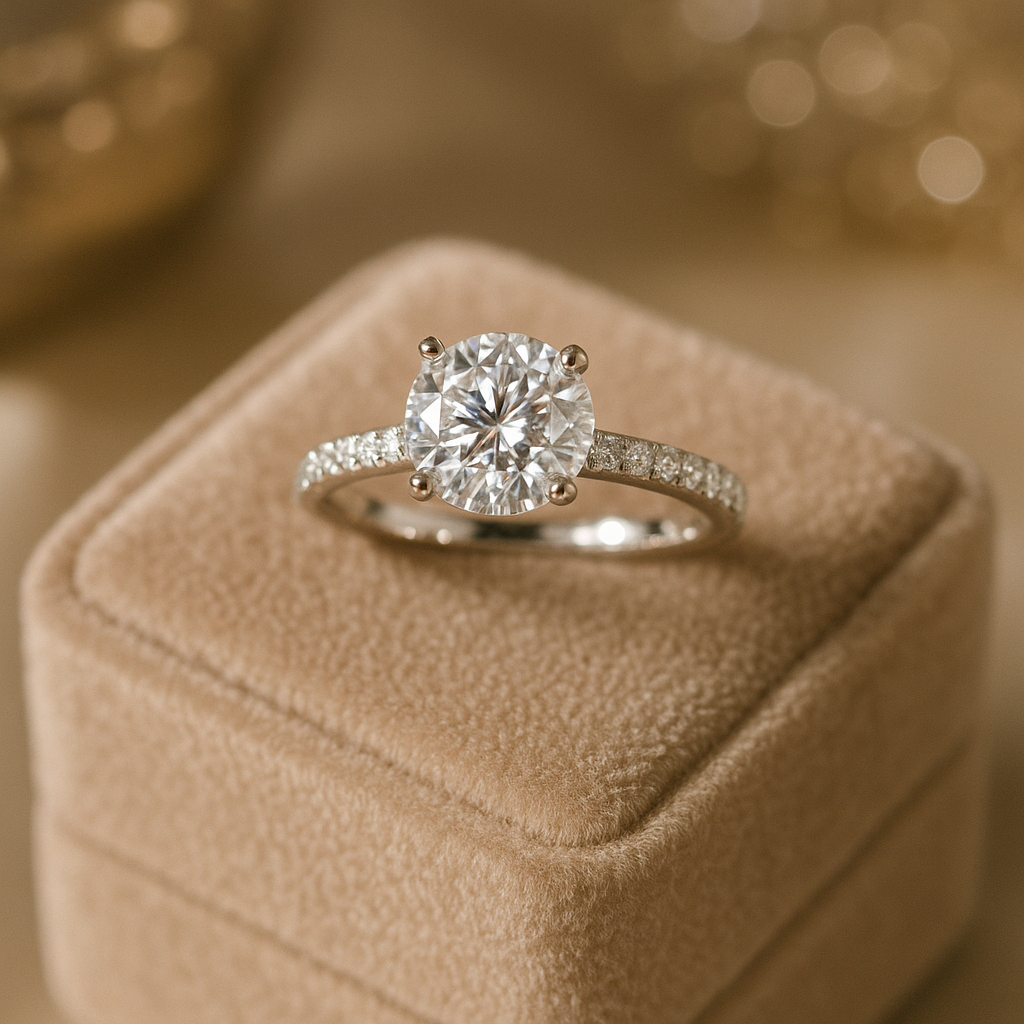
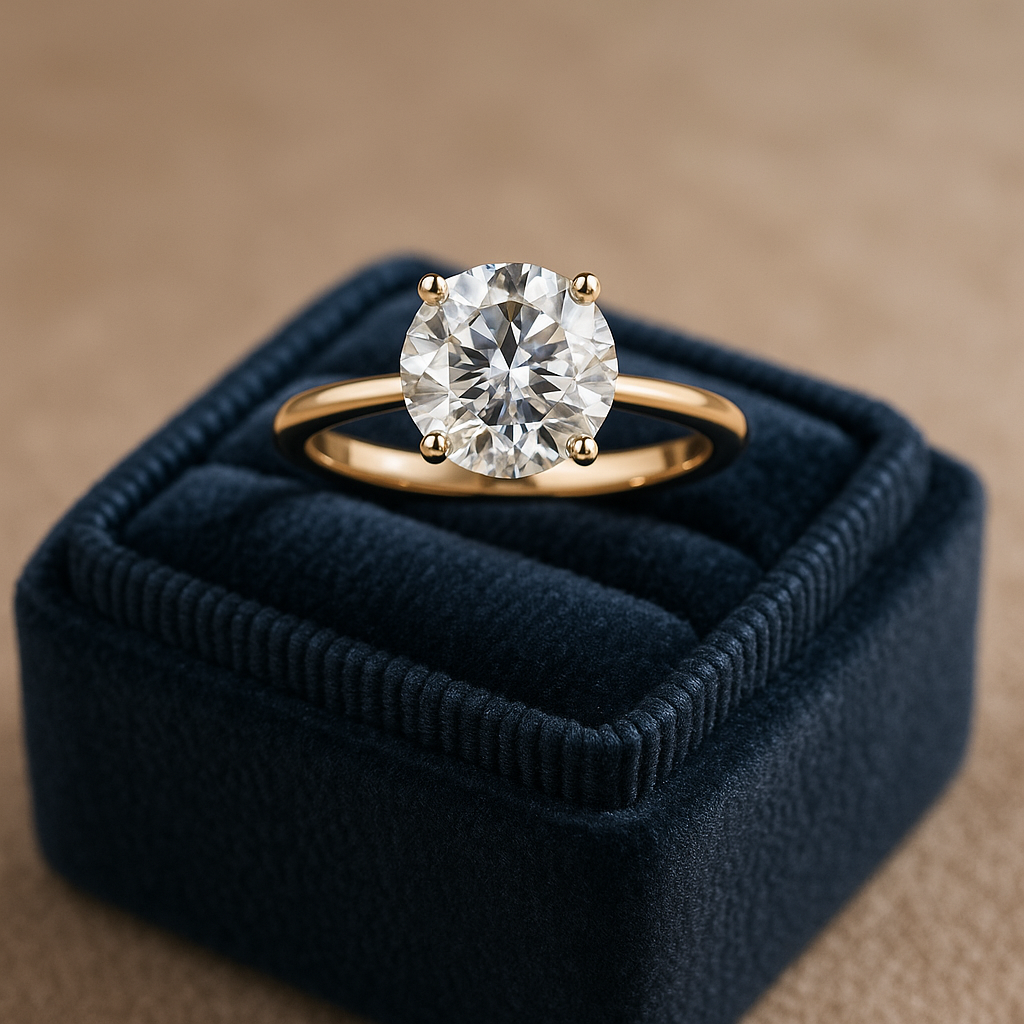
As engagement rings continue to evolve, lab-grown diamonds are becoming increasingly popular as a centerpiece stone. Here are a few reasons why they are an excellent choice for engagement rings:
- Customization: With lab-grown diamonds, couples can choose from a wide array of shapes, sizes, and colors, creating a unique ring that reflects their personal style.
- Sustainable Luxury: Choosing a lab-grown diamond means opting for sustainable luxury, allowing couples to celebrate their love without compromising their values.
- Future-Proofing: As technology advances, the quality and availability of lab-grown diamonds will continue to improve, ensuring that your engagement ring remains timeless and relevant.
FAQs about Lab-Grown Diamonds
Are lab-grown diamonds real diamonds?
Yes, lab-grown diamonds are real diamonds, as they have the same physical and chemical properties as natural diamonds. They are graded using the same criteria and are visually indistinguishable from mined diamonds.
Do lab-grown diamonds last as long as natural diamonds?
Absolutely! Lab-grown diamonds are just as durable as natural diamonds and can last a lifetime with proper care.
How can I tell if a diamond is lab-grown?
Lab-grown diamonds can often be identified through their inclusions and growth patterns, though it typically requires specialized equipment. Most reputable jewelers will provide a certificate indicating whether the diamond is natural or lab-grown.
Will my lab-grown diamond retain its value?
While lab-grown diamonds are generally less expensive than natural diamonds, their resale value may not be as high. However, many buyers prioritize the purchase of a lab-grown diamond for its ethical and environmental benefits rather than for investment purposes.
Conclusion
Lab-grown diamonds represent a significant shift in the jewelry industry, offering consumers an ethical, affordable, and high-quality alternative to traditional diamonds. Whether you are shopping for an engagement ring or looking to add to your fine jewelry collection, lab-grown diamonds deserve serious consideration. As you embark on your journey to find the perfect piece, remember to weigh your options carefully and choose a diamond that aligns with your values and aspirations.