
Understanding Lab-Grown Diamonds: A Smart Choice for Engagement Rings
As couples embark on the journey to find the perfect engagement ring, the debate between lab-grown diamonds and natural diamonds often comes to the forefront. This comprehensive guide will explore the qualities, benefits, and considerations of lab-grown diamonds, helping you make an informed decision for your special moment.
What Are Lab-Grown Diamonds?
Lab-grown diamonds, also known as synthetic or cultured diamonds, are gemstones that possess the same physical, chemical, and optical properties as natural diamonds. Created in controlled environments using advanced technology, these diamonds replicate the natural diamond formation process, which can take millions of years.
How Are Lab-Grown Diamonds Made?
There are two primary methods for creating lab-grown diamonds:
- High Pressure High Temperature (HPHT): This method mimics the natural conditions under which diamonds form in the earth. Carbon is subjected to high temperature and pressure, creating diamonds that are chemically identical to their natural counterparts.
- Chemical Vapor Deposition (CVD): In this process, a gas mixture is used to deposit carbon atoms onto a substrate, forming diamonds layer by layer. CVD diamonds are known for their clarity and range of colors.
The Benefits of Choosing Lab-Grown Diamonds
Opting for a lab-grown diamond comes with several advantages:
- Cost-Effective: Lab-grown diamonds are generally 20-40% less expensive than natural diamonds of similar size and quality, allowing consumers to maximize their budget.
- Ethical Sourcing: With growing concerns over conflict diamonds, lab-grown diamonds constitute a socially responsible choice, as their production does not involve human rights violations or exploitative labor practices.
- Environmental Impact: The diamond mining industry has significant environmental repercussions. In contrast, lab-grown diamonds have a smaller ecological footprint, making them a more sustainable option.
- Quality and Variety: Lab-grown diamonds can offer superior quality, with fewer inclusions and a broader color range, allowing for personalization in your selection.
Comparing Lab-Grown and Natural Diamonds
When comparing lab-grown diamonds to natural diamonds, it is essential to consider the key differences:
- Value Retention: Natural diamonds tend to hold their value better over time, while lab-grown diamonds may depreciate more rapidly. However, their affordability allows consumers to invest in larger or higher-quality stones.
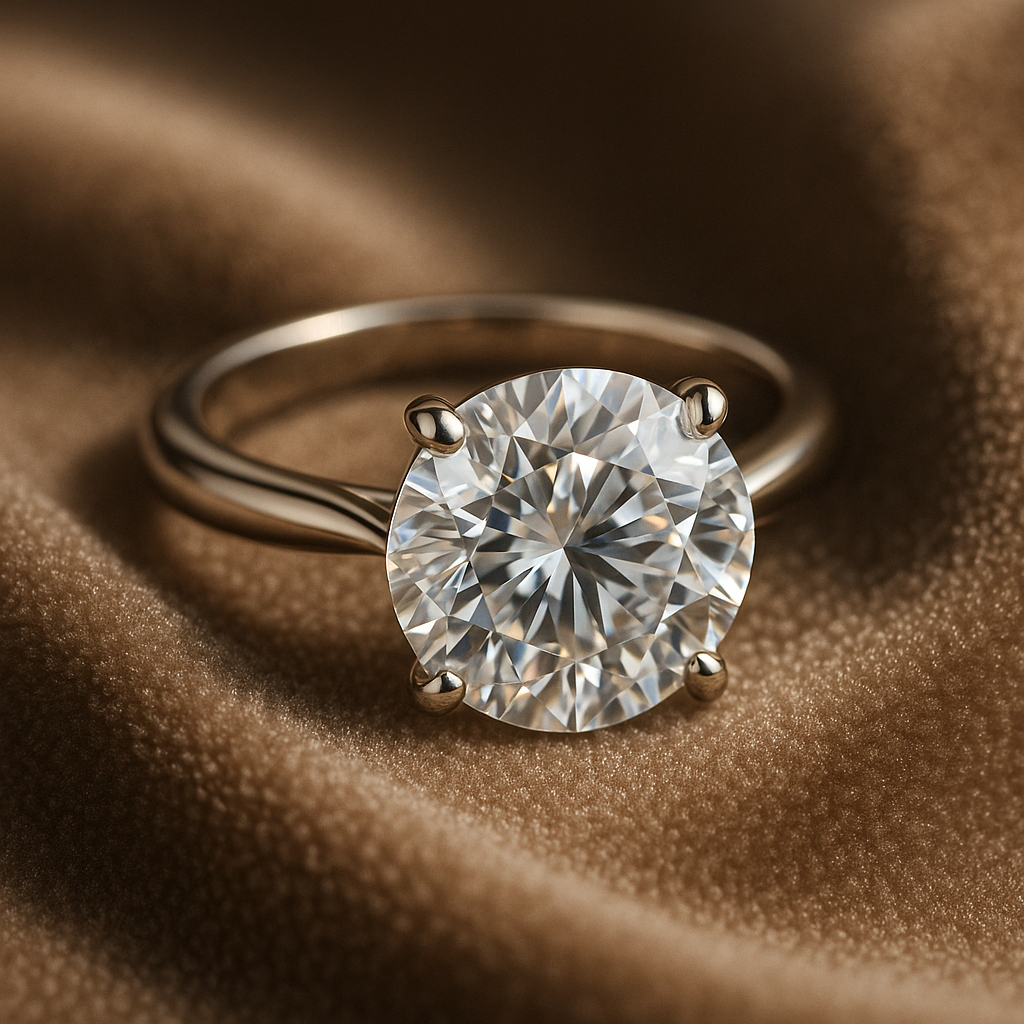
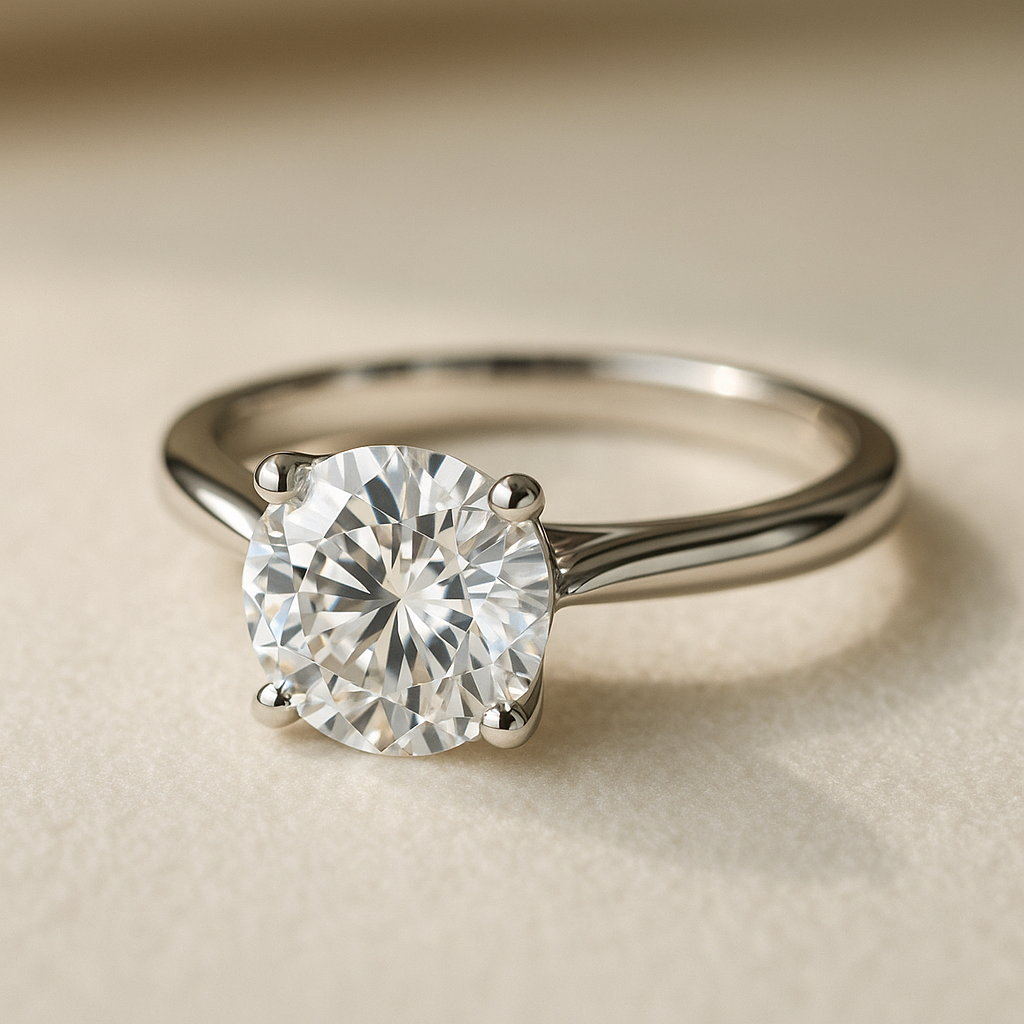
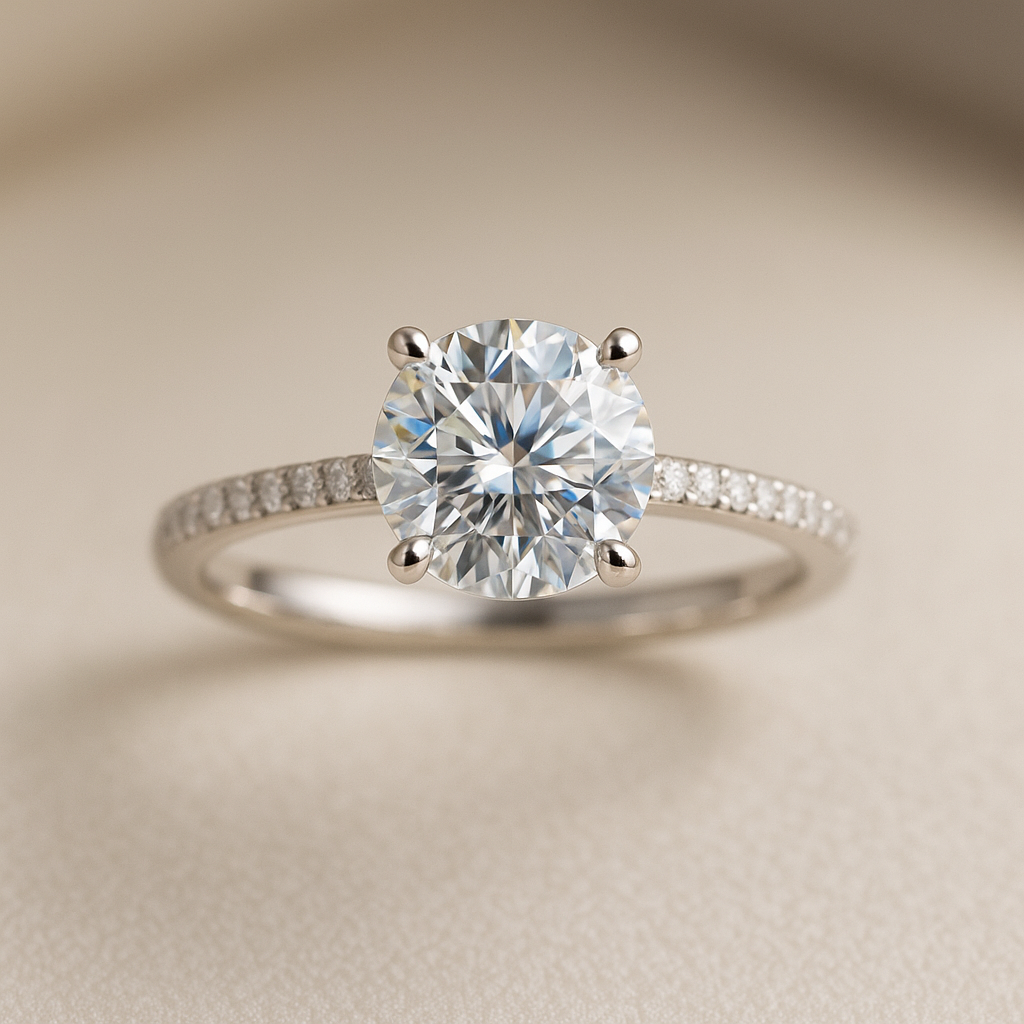
- Visual and Physical Properties: Both types of diamonds are virtually indistinguishable to the naked eye. They share the same brilliance and fire, but only specialized equipment can differentiate them through their growth patterns.
- Market Trends: The lab-grown diamond market is growing rapidly, with increasing consumer acceptance. As technology advances, prices may further decrease; however, natural diamonds may become more desirable to collectors.
Lab-Grown Diamonds and the Engagement Ring Market
The engagement ring market is evolving, with many couples now considering lab-grown diamonds. Here are some insights:
- Consumer Awareness: As more information becomes available about lab-grown diamonds, consumers are better equipped to make informed decisions, leading to a shift in purchasing trends.
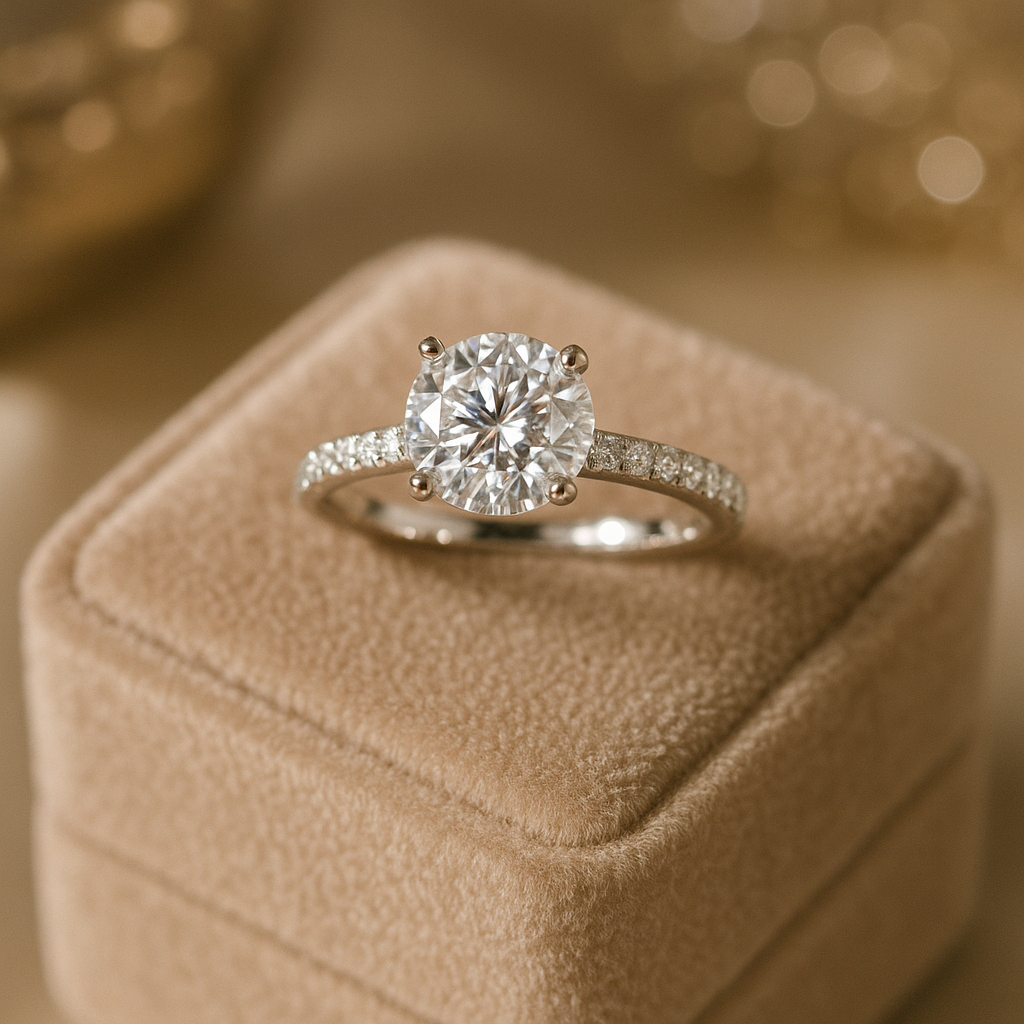
- Jewelry Design Flexibility: Lab-grown diamonds allow for innovative designs and settings due to their affordability, making unique and elaborate engagement rings more accessible.
- Customization: Many jewelers offer customization options for lab-grown diamonds, allowing couples to design a ring that reflects their personal style and story.
Frequently Asked Questions (FAQ)
Are lab-grown diamonds real diamonds?
Yes, lab-grown diamonds are real diamonds. They have the same chemical composition, physical properties, and visual characteristics as natural diamonds.
How can I tell if a diamond is lab-grown or natural?
While lab-grown diamonds and natural diamonds look the same to the naked eye, gemological laboratories use advanced technology to identify their origin. Certificates from reputable labs can provide this information.
Will my lab-grown diamond lose value?
Lab-grown diamonds may depreciate more quickly than natural diamonds. However, their lower initial price means that you can still invest in a beautiful stone without breaking the bank.
Are lab-grown diamonds environmentally friendly?
Yes, lab-grown diamonds have a lower environmental impact compared to traditional diamond mining, which can cause habitat destruction and pollution.
Can I get a lab-grown diamond in any shape or size?
Yes, lab-grown diamonds are available in a variety of shapes and sizes, allowing for a wide range of customization options for your engagement ring.
Final Thoughts on Lab-Grown Diamonds
Choosing a lab-grown diamond for your engagement ring is a decision that combines affordability, ethical considerations, and beautiful aesthetics. As you weigh your options, consider what matters most to you—whether it’s budget, the ecological impact, or the emotional significance of a natural diamond. At Celebrity Diamonds, we are committed to offering a diverse selection of lab-grown and natural diamonds to meet your unique preferences and values.
Ultimately, the perfect diamond for your engagement ring is one that symbolizes your love and commitment, regardless of its origin.