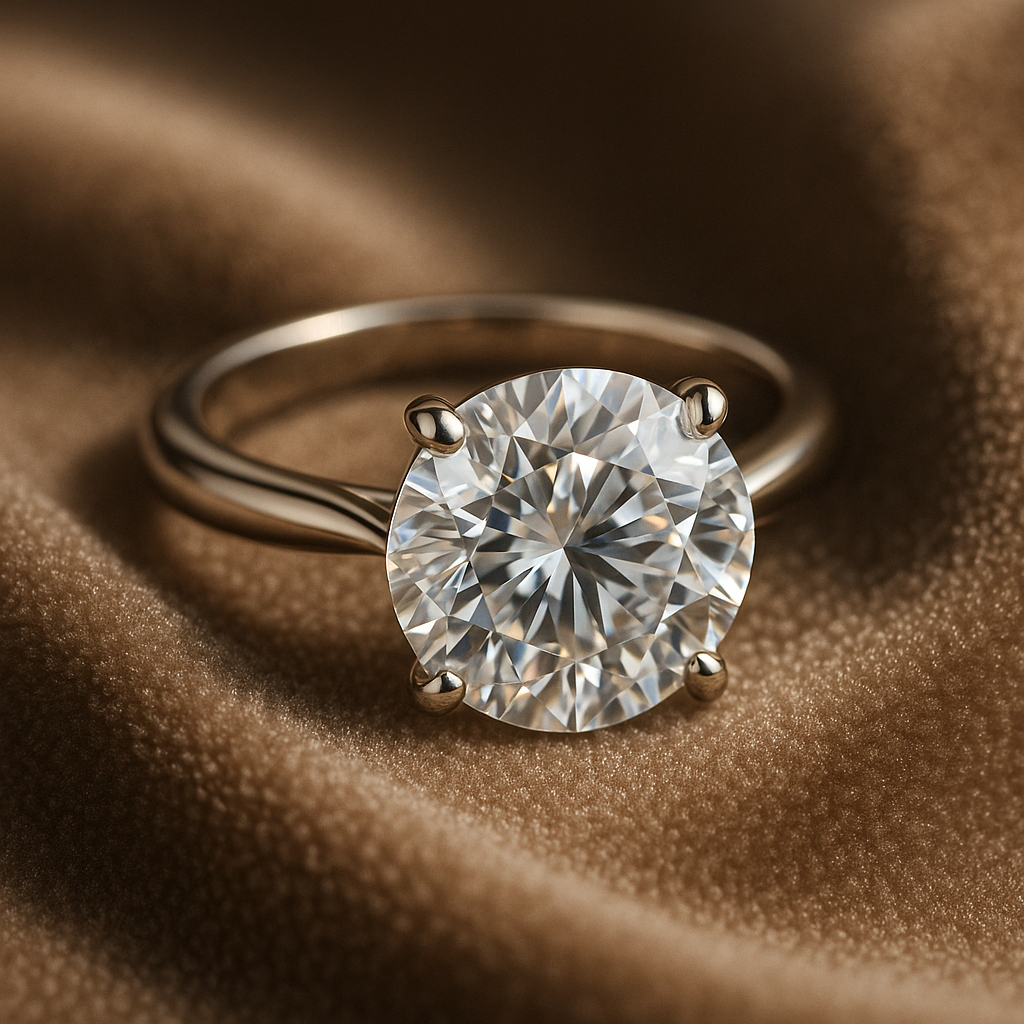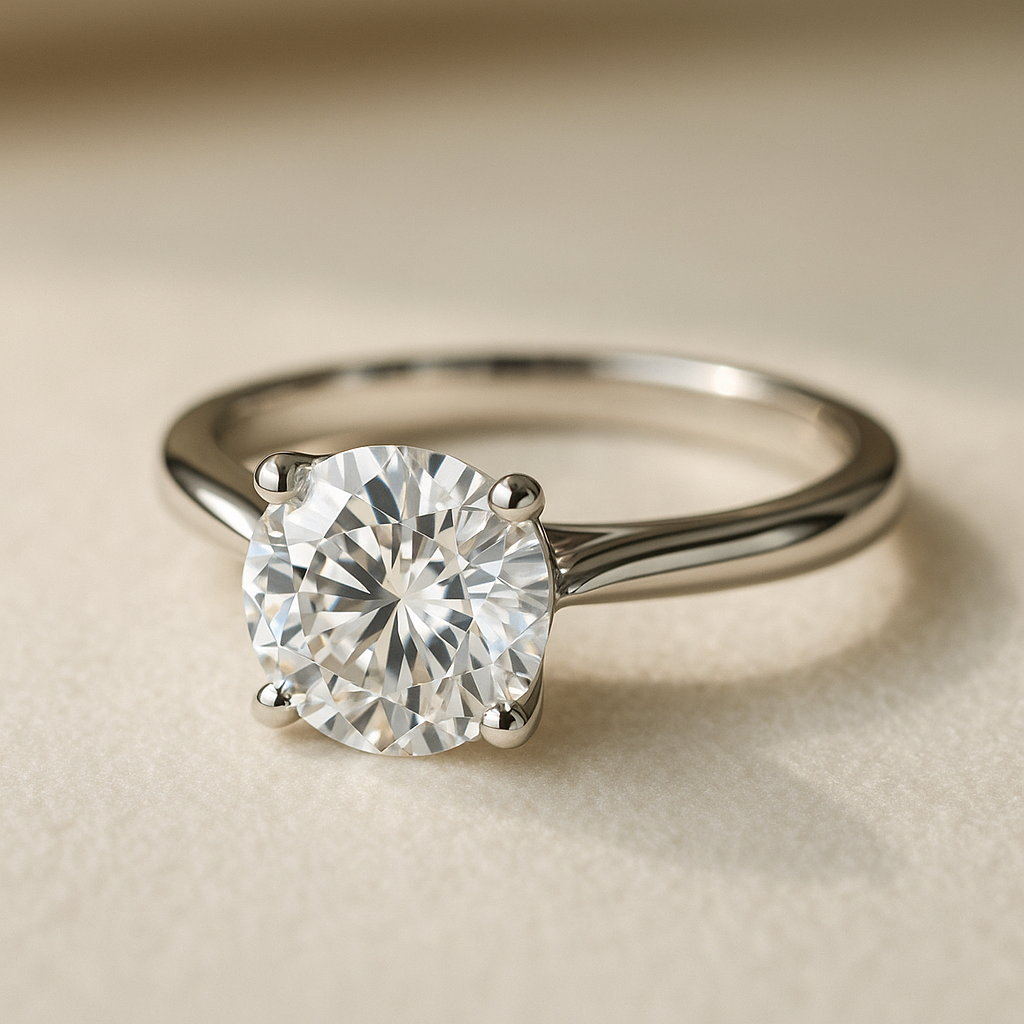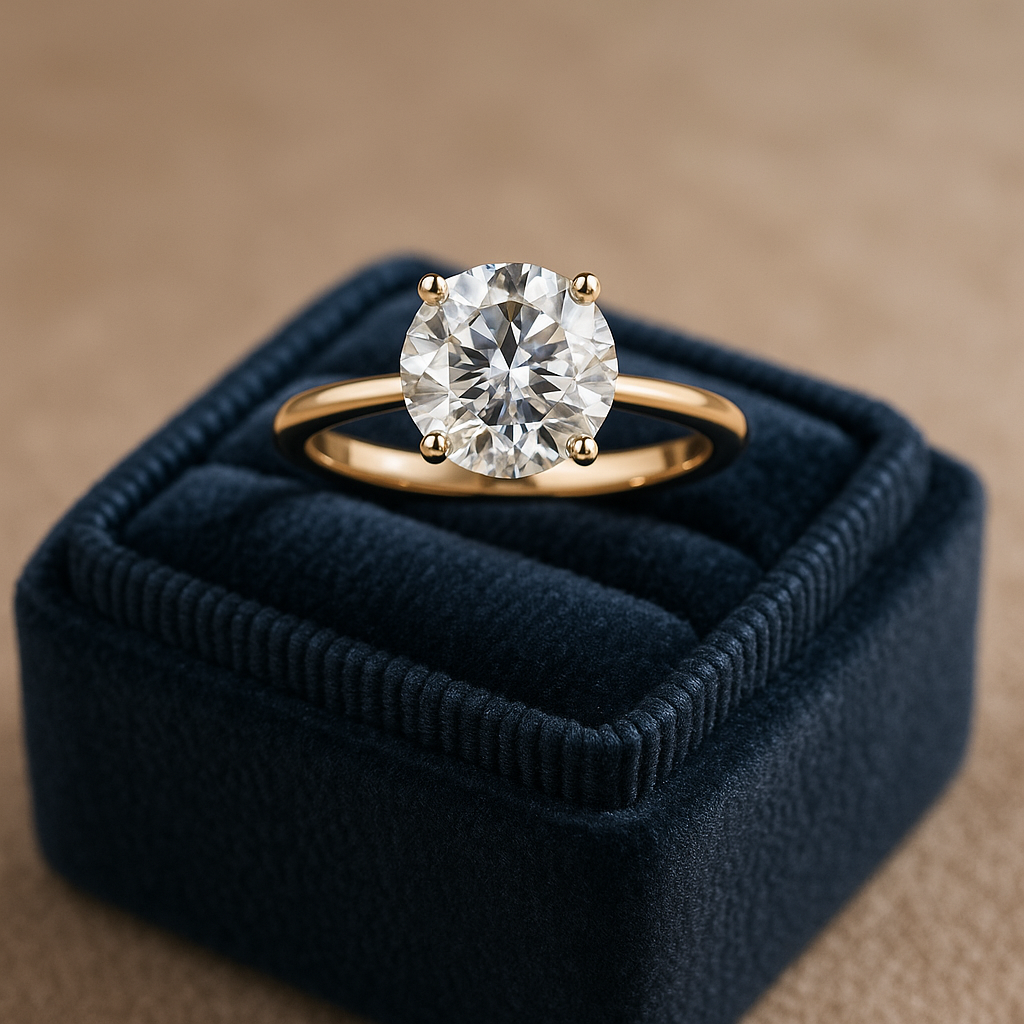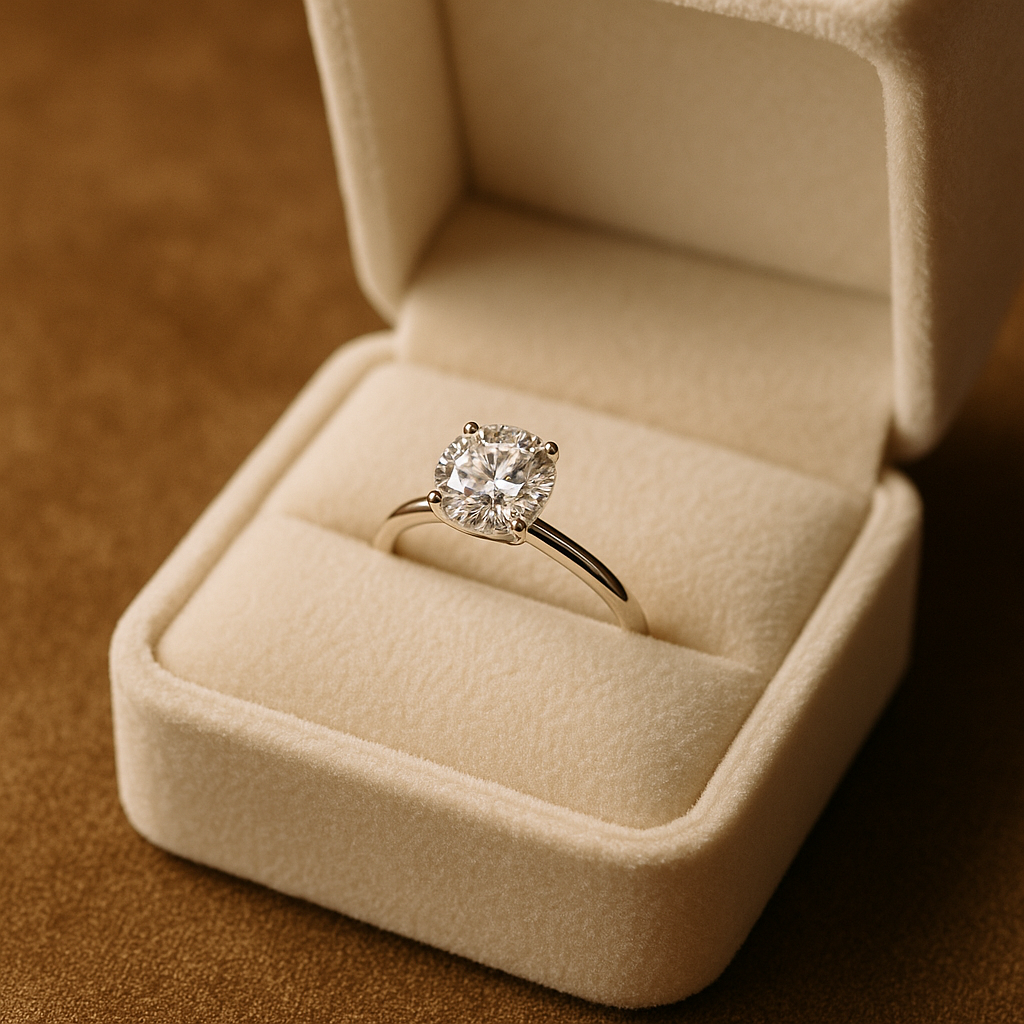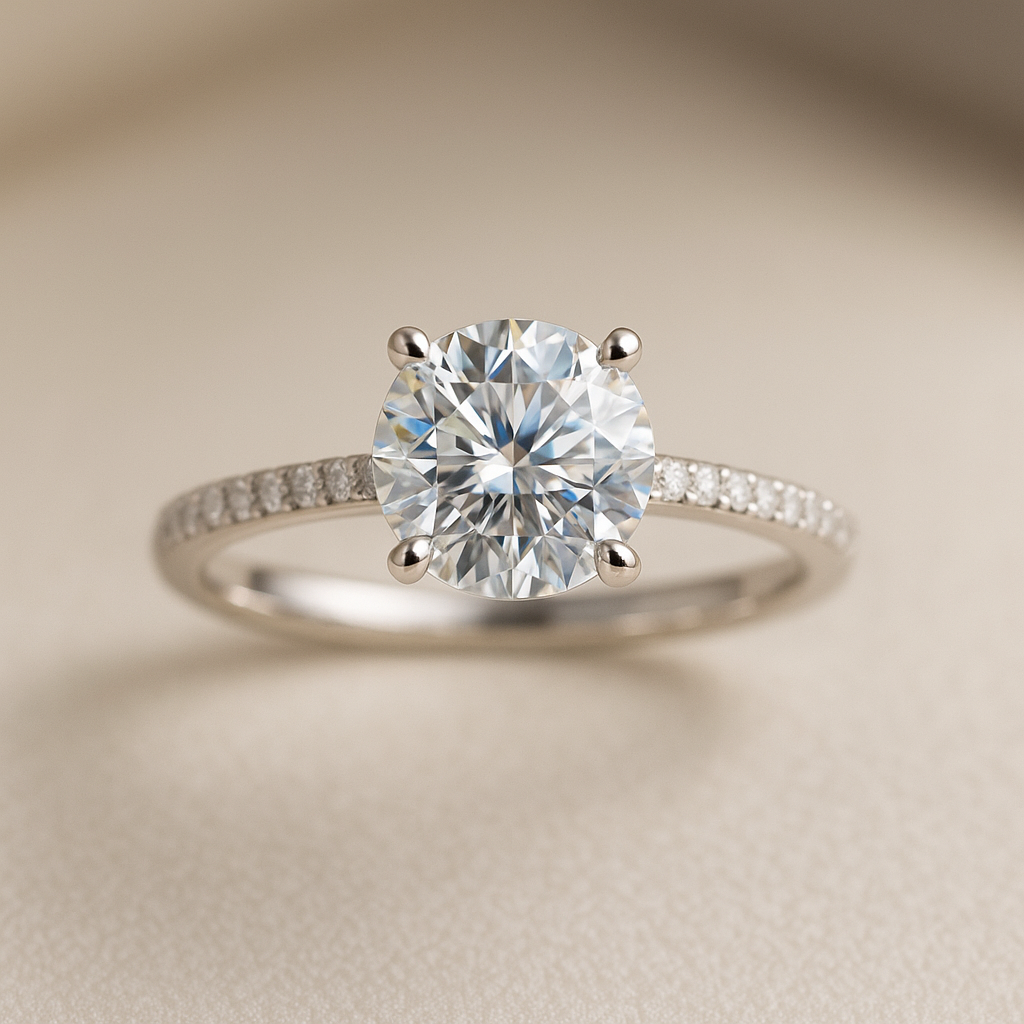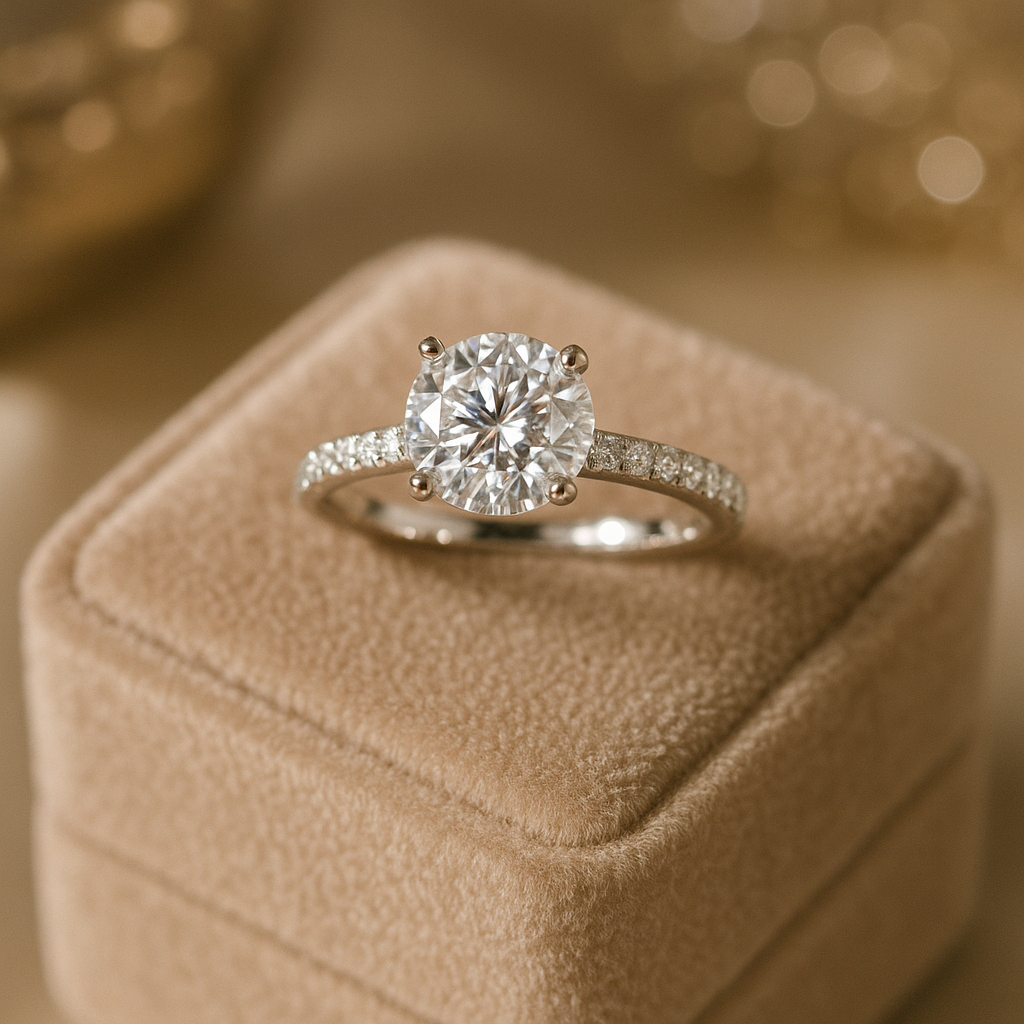

Understanding Lab-Grown Diamonds: The Future of Fine Jewelry
In recent years, lab-grown diamonds have emerged as a compelling alternative to their natural counterparts, capturing the attention of consumers seeking ethical, environmentally friendly, and affordable options for engagement rings and fine jewelry. This article will explore the essence of lab-grown diamonds, their benefits, and key considerations when choosing between lab-grown and natural diamonds.
What Are Lab-Grown Diamonds?
Lab-grown diamonds, also known as synthetic or cultured diamonds, are real diamonds created in a laboratory setting through advanced technological processes that mimic the natural conditions under which diamonds form in the Earth. These diamonds have the same physical, chemical, and optical properties as natural diamonds, and they are graded using the same standards.
How Are Lab-Grown Diamonds Made?
There are two primary methods to create lab-grown diamonds: High Pressure High Temperature (HPHT) and Chemical Vapor Deposition (CVD).
- High Pressure High Temperature (HPHT): This method replicates the natural diamond formation process by applying intense heat and pressure to carbon. The result is a diamond that is structurally identical to natural diamonds.
- Chemical Vapor Deposition (CVD): This technique involves breaking down carbon-containing gases to deposit carbon atoms onto a substrate, gradually building up the diamond crystal layer by layer. CVD diamonds can often be produced in specific colors and sizes.
Why Choose Lab-Grown Diamonds?
Several factors contribute to the growing popularity of lab-grown diamonds among consumers:
1. Environmental Impact
Lab-grown diamonds have a significantly lower environmental impact compared to mined diamonds. The extraction of natural diamonds can lead to geological disruption, habitat destruction, and other ecological concerns. In contrast, lab-grown diamonds require less land use and produce fewer carbon emissions.
2. Ethical Considerations
Consumers today are increasingly conscious of ethical sourcing. Lab-grown diamonds are free from the ethical dilemmas often associated with natural diamonds, such as conflict minerals and exploitation of workers in artisanal mining operations. With lab-grown diamonds, you can be assured of a conflict-free purchase.
3. Cost-Effectiveness
Lab-grown diamonds are generally priced 20-40% lower than their natural counterparts. This significant cost difference allows consumers to invest in larger, higher-quality stones or allocate their budget towards additional jewelry or wedding expenses.
4. Quality and Variety
Lab-grown diamonds can be produced in a variety of shapes, sizes, and colors. Buyers are often able to find the exact specifications they desire without compromising on quality, allowing for personalized and unique engagement rings and jewelry pieces.
Lab-Grown vs. Natural Diamonds: Key Considerations
When comparing lab-grown and natural diamonds, it’s essential to understand the distinctions:
1. Value Retention
While lab-grown diamonds hold their value, they may not appreciate in value as natural diamonds traditionally do. If you are purchasing a diamond as an investment, consider the implications of resale value down the line.
2. Sentimental Value
For many, natural diamonds carry a sense of history and rarity, often passed down through generations. The emotional significance tied to a mined diamond can be important for some buyers, particularly in the context of engagement rings.
3. Certification and Grading
Both lab-grown and natural diamonds can be certified by reputable grading organizations such as the Gemological Institute of America (GIA) or the International Gemological Institute (IGI). Ensure that your diamond comes with a credible certification to guarantee its quality.
Frequently Asked Questions (FAQs)
Are lab-grown diamonds real diamonds?
Yes, lab-grown diamonds are real diamonds. They are chemically and physically identical to natural diamonds, making them a legitimate choice for fine jewelry.
Do lab-grown diamonds look different from natural diamonds?
No, lab-grown diamonds have the same appearance as natural diamonds. They can be cut, faceted, and polished to match the specifications of any desired jewelry piece.
How can I tell if my diamond is lab-grown or natural?
A professional gemologist can identify the differences through various methods, including advanced imaging techniques and testing. Always seek certification from a reputable organization.
What is the price difference between lab-grown and natural diamonds?
Lab-grown diamonds typically cost 20-40% less than natural diamonds, providing an affordable option for consumers.
Conclusion: Making the Right Choice
Choosing between lab-grown and natural diamonds ultimately depends on your personal values, budget, and preferences. Lab-grown diamonds provide a sustainable, ethical, and cost-effective alternative without sacrificing quality. As you embark on your journey to find the perfect engagement ring or fine jewelry piece, consider the advantages of lab-grown diamonds and how they can meet your needs.
At Celebrity Diamonds, we offer a wide selection of stunning lab-grown diamonds, along with expert guidance to help you make an informed decision. Explore our collection and discover the future of fine jewelry today.