
Understanding Lab-Grown Diamonds: A Smart Choice for Engagement Rings
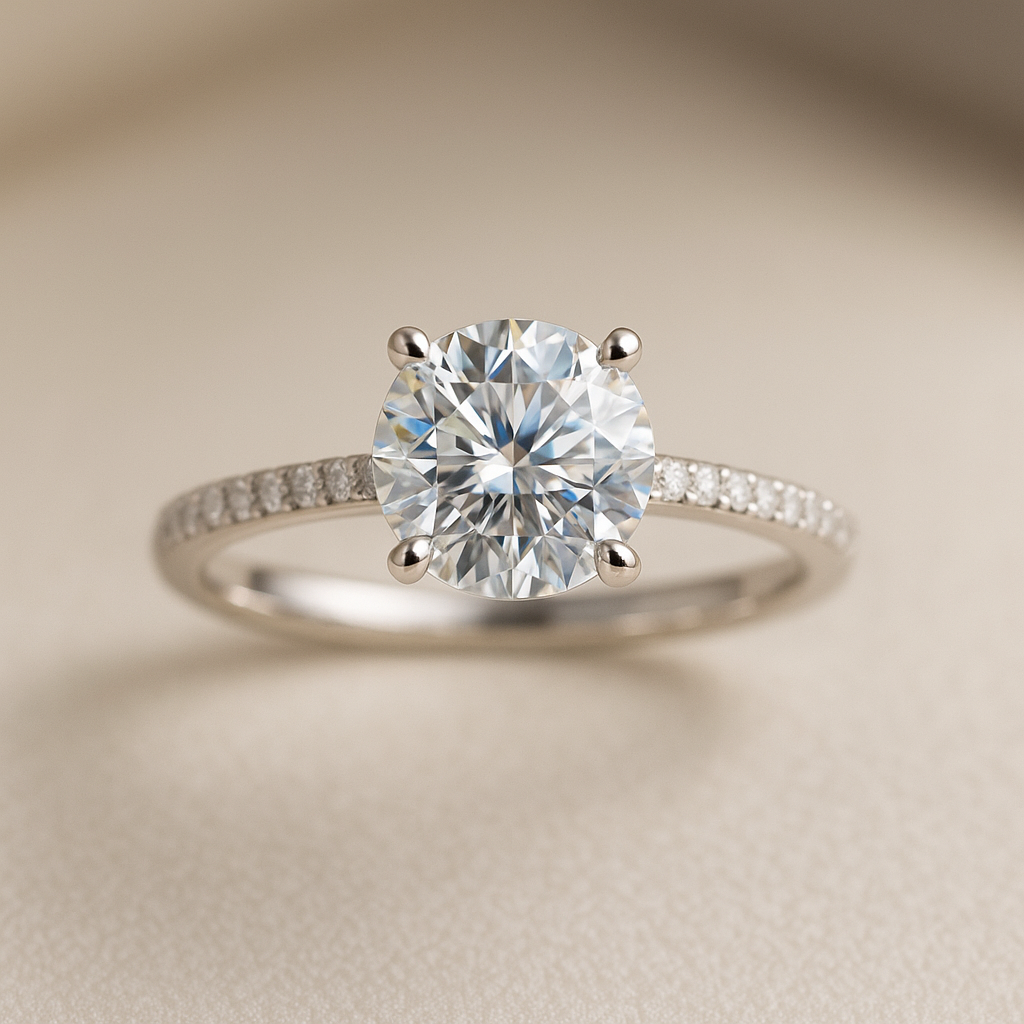
In recent years, lab-grown diamonds have become increasingly popular, particularly among couples seeking the perfect engagement ring. With their stunning beauty and ethical production methods, these diamonds present an appealing alternative to traditional mined diamonds. In this article, we’ll explore what lab-grown diamonds are, their benefits, and why they may be the ideal choice for your next fine jewelry purchase.
What Are Lab-Grown Diamonds?
Lab-grown diamonds, also known as synthetic or cultured diamonds, are created in controlled environments using advanced technological processes that mimic the natural diamond formation found deep within the Earth. These diamonds are chemically, physically, and optically identical to their natural counterparts, making them a genuine diamond option.
How Are Lab-Grown Diamonds Made?
There are primarily two methods used to create lab-grown diamonds: the High Pressure High Temperature (HPHT) method and the Chemical Vapor Deposition (CVD) method. The HPHT method replicates the conditions under which natural diamonds form, using high pressure and high temperature to crystallize carbon. On the other hand, the CVD method involves breaking down carbon-rich gases into carbon atoms, which then deposit onto a substrate to form diamond crystals. Both methods result in high-quality diamonds that are indistinguishable from natural ones.
Benefits of Choosing Lab-Grown Diamonds
- Ethical Considerations: Lab-grown diamonds are produced without the environmental and ethical concerns associated with mined diamonds. They are free from conflict issues often tied to the mining industry.
- Cost-Efficiency: In general, lab-grown diamonds are significantly more affordable than mined diamonds, often costing 20-40% less for a similar quality and carat size. This price difference allows shoppers to invest in a larger, higher-quality stone or save money for other wedding expenses.
- Variety and Quality: Lab-grown diamonds offer a wide range of colors, sizes, and qualities. Customers can find stones that closely match their preferences without the high markup often associated with rare natural diamonds.
- Transparency: The lab-grown diamond market is becoming increasingly transparent, with retailers often providing certification from reputable gemological organizations. This provides consumers with confidence in their purchases.
- Eco-Friendliness: Lab-grown diamonds have a significantly smaller carbon footprint compared to mined diamonds. This is due to less energy-intensive production processes, as well as the absence of disruptive mining practices.
Lab-Grown Diamonds vs. Natural Diamonds: What You Should Know
When comparing lab-grown diamonds to natural diamonds, it is essential to understand the similarities and differences to make an informed decision. Here’s how they stack up:
Physical and Chemical Properties
Both lab-grown and natural diamonds are made of carbon and have the same crystal structure. As such, they share identical hardness, brilliance, and durability. They are evaluated using the same grading criteria (the Four Cs: carat, clarity, color, and cut), ensuring that buyers can compare the two types of diamonds with confidence.
Value Retention
While lab-grown diamonds are more affordable initially, their resale value may not appreciate as significantly as natural diamonds. This is largely due to market perceptions and the growing availability of lab-grown diamonds. However, many buyers find that the ethical and economic benefits outweigh concerns about future resale value.
Emotional Connection
For some, the allure of natural diamonds stems from their rarity and the story behind their formation. Others may find a deeper emotional connection to lab-grown diamonds, knowing they are ethically produced. Ultimately, the choice is deeply personal and varies from couple to couple.
Choosing the Perfect Lab-Grown Diamond Engagement Ring
When selecting a lab-grown diamond, consider the following tips:
- Set a Budget: Determine how much you are willing to spend on an engagement ring, which will help you focus on diamonds within your price range.
- Understand the Four Cs: Familiarize yourself with the Four Cs of diamonds (carat, clarity, color, cut) to make an educated choice based on your preferred qualities.
- Visit Reputable Retailers: Seek out jewelers who specialize in lab-grown stones. Look for transparency in their sourcing and certification processes.
- Request Reports: Ensure the diamond you choose comes with a certification report from an independent gemological laboratory, confirming its authenticity and quality.
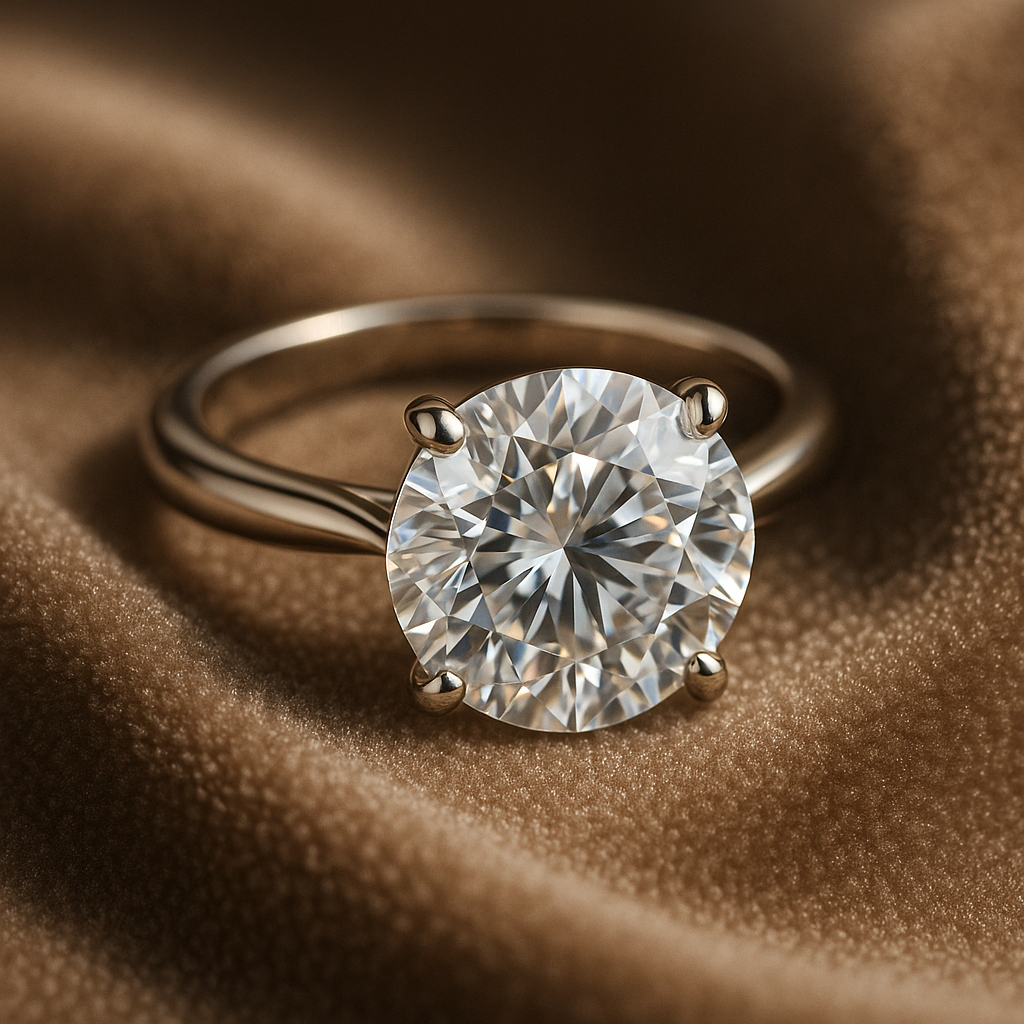
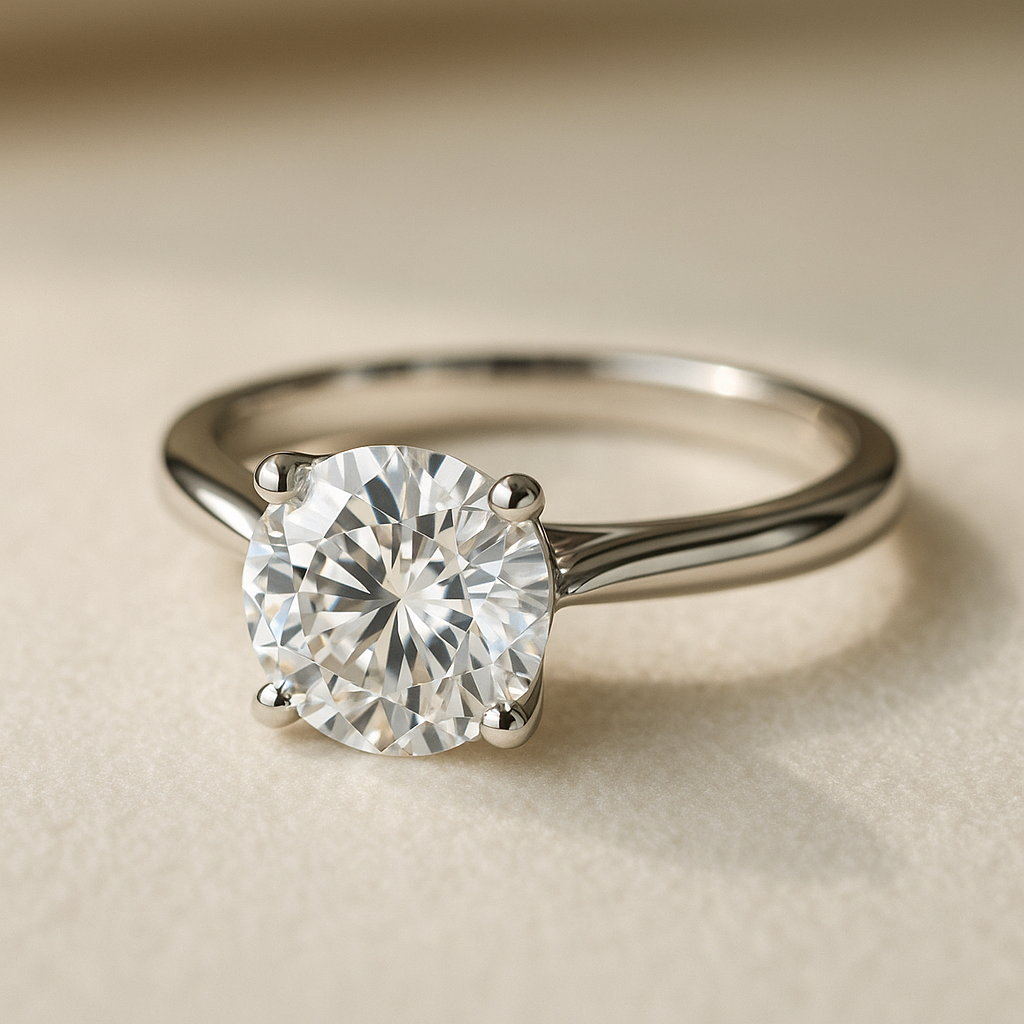
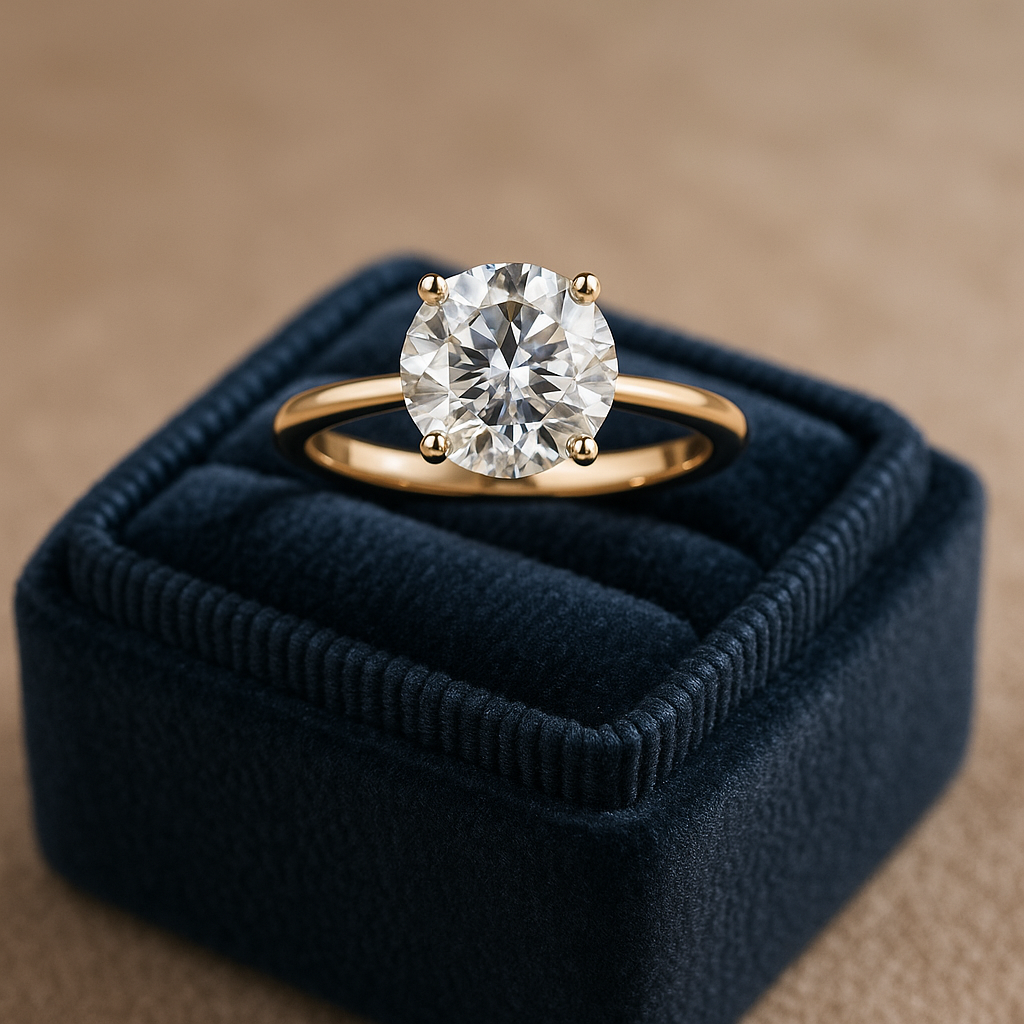
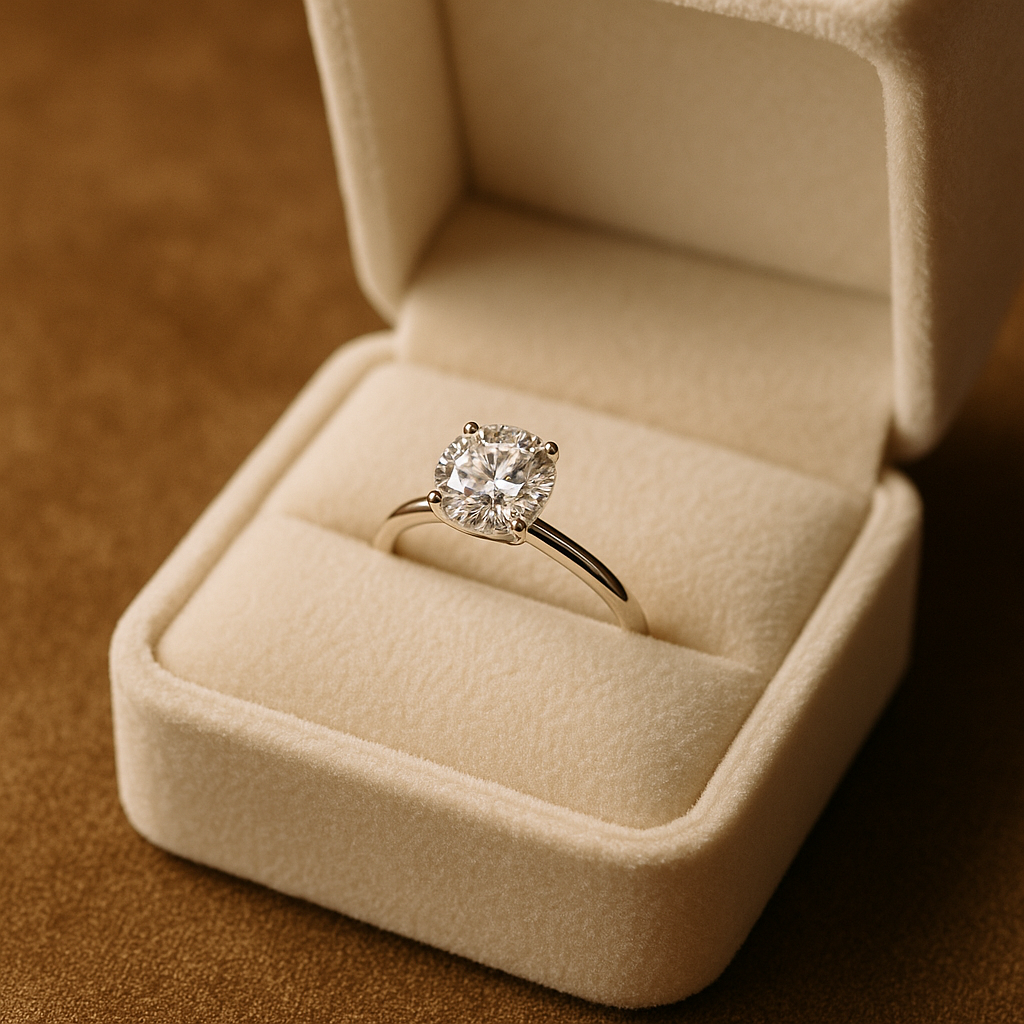
- Consider the Setting: The ring setting can greatly affect the overall look of the engagement ring. Choose a setting that complements the diamond and reflects your personal style.
FAQs About Lab-Grown Diamonds
Are lab-grown diamonds real diamonds?
Yes, lab-grown diamonds are real diamonds. They have the same chemical composition, physical properties, and optical characteristics as mined diamonds.
Do lab-grown diamonds last as long as natural diamonds?
Yes, lab-grown diamonds are just as durable and long-lasting as natural diamonds. Both types can last a lifetime with proper care.
How can I tell if a diamond is lab-grown or natural?
Lab-grown diamonds can be distinguished from natural diamonds using specialized equipment, although most consumers will not be able to tell the difference with the naked eye. Certification from a reputable lab can also provide clarity on a diamond’s origin.
What is the environmental impact of lab-grown diamonds?
Lab-grown diamonds have a lower environmental impact compared to mined diamonds. Their production uses less energy and does not involve land disruption or significant ecological damage associated with mining.
Are lab-grown diamonds a good investment?
While lab-grown diamonds are more affordable upfront, their resale value may not appreciate as much as natural diamonds. However, many buyers choose them for their ethical and environmental benefits rather than as a long-term investment.
Conclusion
Lab-grown diamonds are revolutionizing the diamond industry, offering consumers an ethical, beautiful, and cost-effective alternative to mined diamonds. As you consider engagement rings and fine jewelry, understanding the advantages of lab-grown diamonds will empower you to make decisions aligned with your values and financial goals. As you embark on this exciting journey, remember to focus on what matters most to you, whether it be ethical sourcing, quality, or price. With lab-grown diamonds, you can find a stunning symbol of your love that meets all your expectations.